


Regency Porcelain Cabinet Plate
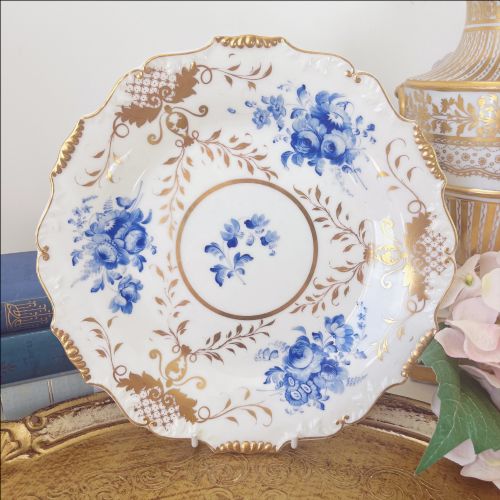
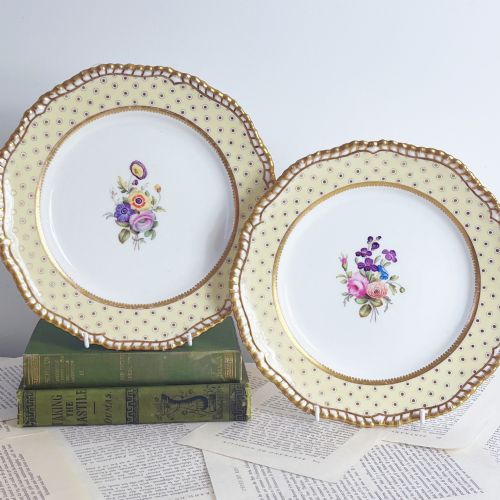
Regency porcelain cabinet plates are decorative table pieces from the early nineteenth century that bring hand-painted botanicals and armorial crests to a room.
Regency Porcelain Cabinet Plate
A regency porcelain cabinet plate is a display piece intended for visual appreciation rather than regular dining use. When you search for a regency porcelain cabinet plate, you encounter items originating primarily from the nineteenth century, including the Regency and Georgian periods.
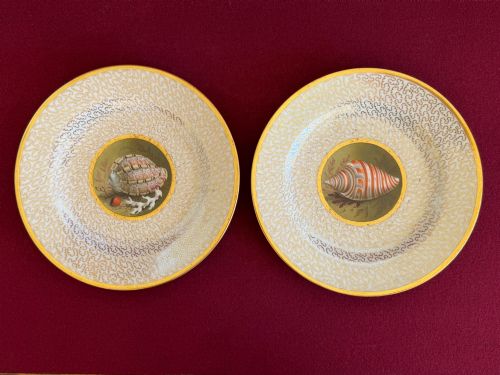
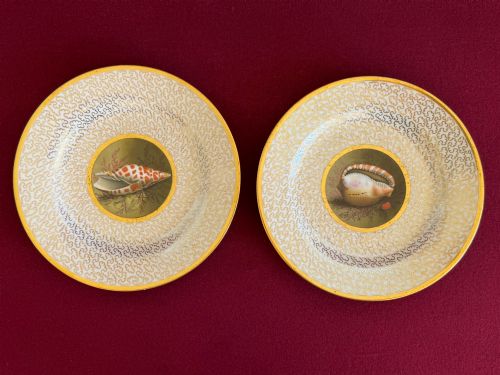
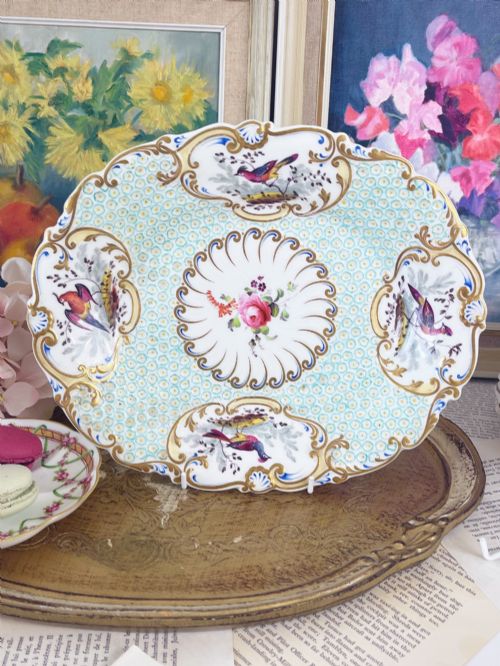
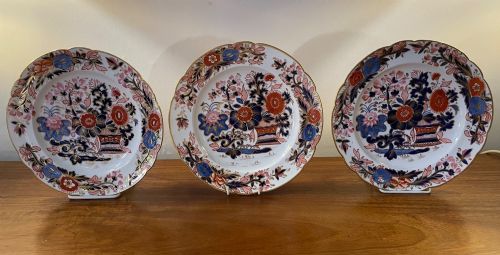
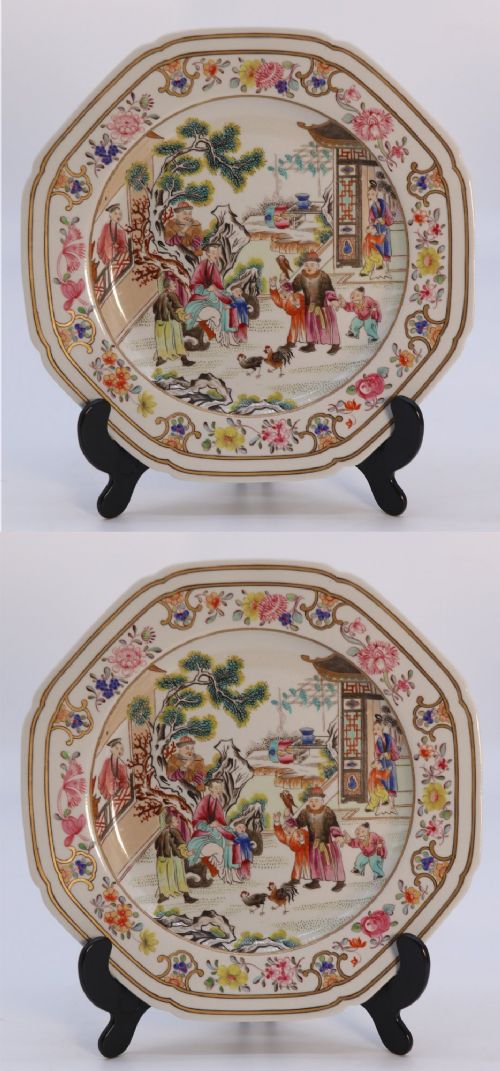
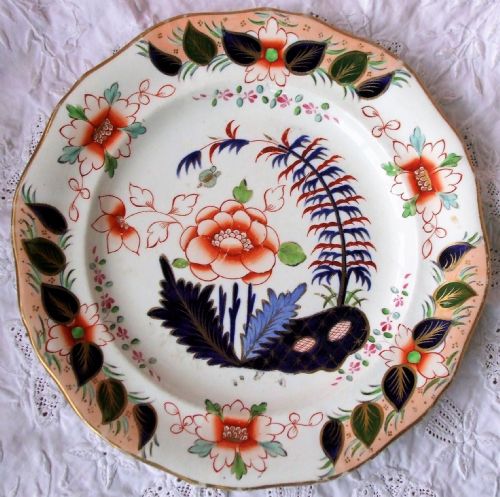
The pieces appearing on this page take the form of cabinet plates, dessert plates, and serving dishes. They showcase the aesthetic priorities of English makers working in porcelain, bone china, and ironstone during the early 1800s.
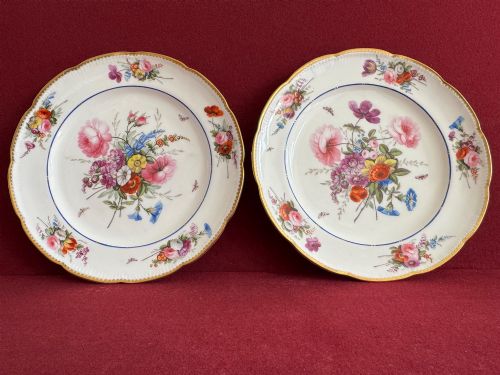
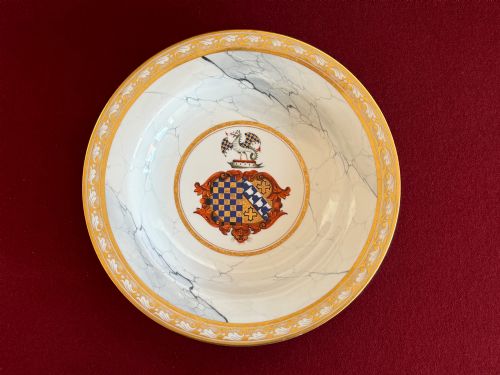
Makers of the period utilised distinctive patterns such as botanical studies, armorial crests, and Chinoiserie designs. These items represent the decorative output of prominent factories from Worcester, Derby, and Staffordshire.
Materials and manufacture
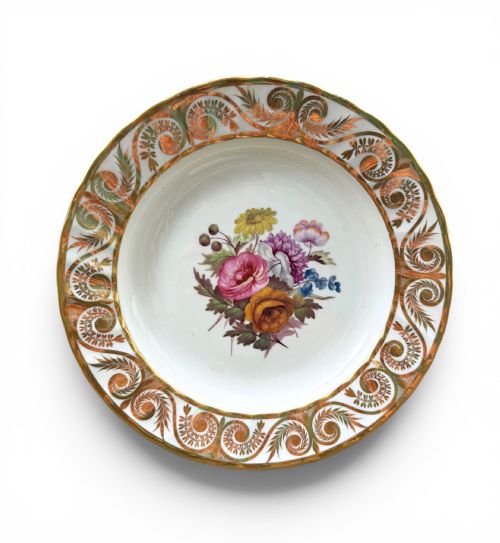
The manufacture of these items relies on porcelain, bone china, and ironstone bodies formed into plates and oval dishes. Artisans applied enamel colours and gilding, utilising gold leaf and rich enamels to highlight pictorial centres and borders.
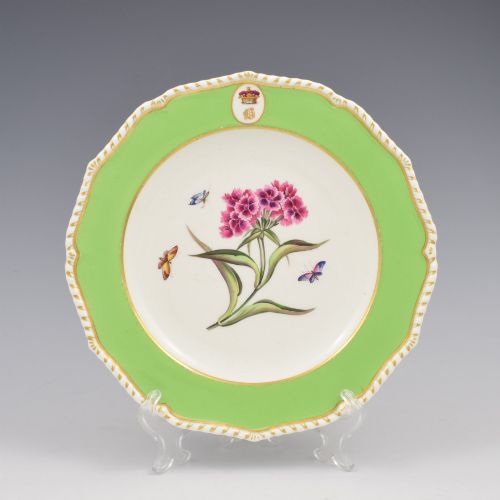
Painting was executed by hand, recording botanical subjects, topographical views, and fancy birds. Named painters such as Thomas Steele and Samuel Astles contributed individual artistry to specific factory blanks.
Several plates display whimsical creatures, including Jabberwocky patterns and colourful fancy birds painted by hand over two centuries ago.
Distinctions in quality
Quality in these items rests upon the precision of the hand-painting and the sophistication of the ceramic body. Pieces decorated by documented artists or featuring specific armorial commissions stand apart from standard factory output.
The application of gilding and the crispness of the enamel work determine the visual success of the plate. Superior examples maintain intact gilding and finely detailed pictorial subjects without blurring or fading.
Spode·H and R Daniel·Wedgwood·John Davenport of Longport·Bloor Derby·Barr Flight and Barr·Chamberlains Worcester·Minton·Coalport·Flight Barr and Barr·C J Mason·Ridgway·Nantgarw·Thomas Dickson·New Hall·Masons Ironstone China
The Regency Porcelain Cabinet Plate Glossary
- Cabinet plate
- A decorative ceramic plate intended for display in a cabinet or on a wall rather than for everyday dining. These items frequently feature elaborate hand-painted decoration.
- Armorial
- A design incorporating a coat of arms or family crest. Plates bearing these motifs were often commissioned by prominent families.
- Bone china
- A type of soft-paste porcelain containing bone ash, developed in England to create a durable and whiter ceramic body. It allowed for thinner walled vessels.
- Ironstone
- A heavy, durable type of earthenware patented in the nineteenth century. It offered a robust alternative to porcelain while accepting bright enamel palettes.
- Kakiemon
- A style of Japanese porcelain decoration featuring asymmetric floral and bird motifs, widely copied by European factories during the Regency period.
Regency Porcelain Cabinet Plate: Frequently Asked Questions
What is a regency porcelain cabinet plate?
A regency porcelain cabinet plate is an ornamental ceramic dish produced during the early nineteenth century. These items were designed for display rather than practical dining.
They often feature hand-painted botanical studies, armorial bearings, or topographical scenes created by prominent English factories.
How were cabinet plates used originally?
These plates served primarily as decorative items within elite domestic interiors. They were displayed on sideboards, in cabinets, or mounted for visual impact.
Some formed part of larger dessert services used during formal dining occasions to present fruit and sweetmeats.
How do I identify a period piece?
Identification relies on factory marks, paste types, and stylistic conventions of the early nineteenth century. Examining the weight of the porcelain and the style of the hand-painting aids in dating.
Documentation on specific makers such as Worcester or Derby provides further context for attribution.
Can I use these plates for dining?
These pieces are intended for collection and display rather than everyday use. The delicate enamel decoration and gold leaf can wear down with frequent washing and cutlery contact.
Preserving the original surface condition is standard practice for items of this age.