
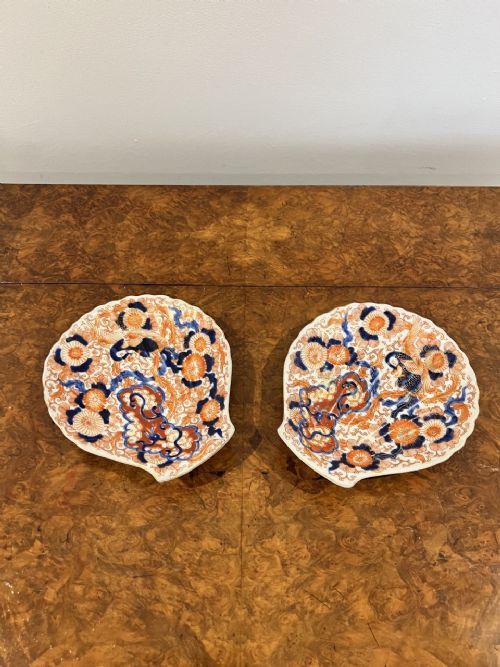


Antique Shell Painted Dishes
Antique shell painted dishes bring sculptural maritime grace and delicate hand-painted detail to any table, spanning periods from the eighteenth century to the early twentieth.
Antique Shell Painted Dishes
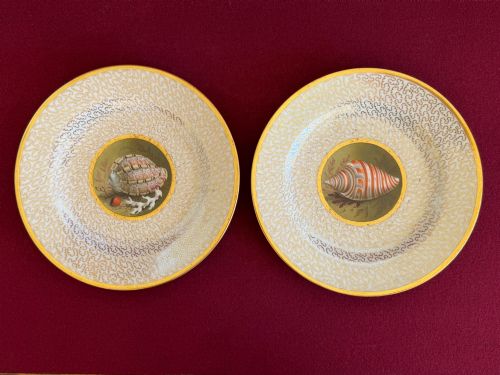
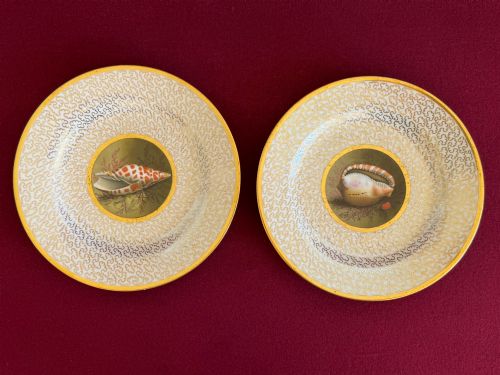
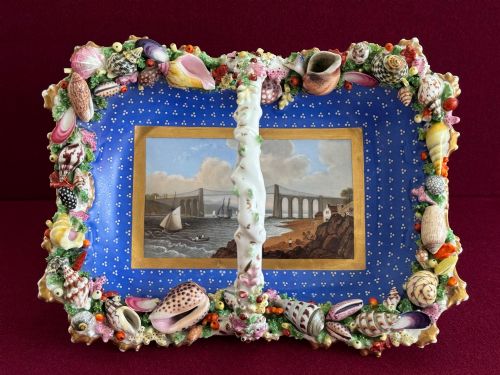
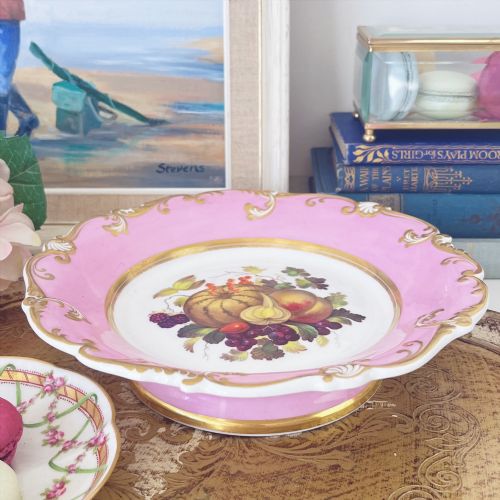
When you search for antique shell painted dishes, you encounter a specialised assortment of porcelain and earthenware shaped into natural marine forms. These pieces serve primarily as decorative plates, comports, tazzas, and trinket dishes designed to catch the eye in a cabinet or on a centre table.
The selections span distinct periods, drawing heavily from Georgian, Regency, Victorian, and later nineteenth-century tastes. Makers utilised the natural curves of scallop and conch shells to create both functional dessert services and ornamental vide-poche dishes.
You are most likely to meet English factory pieces from Worcester alongside continental faience and Japanese Imari interpretations. This cross-cultural dialogue reflects the enduring fascination with marine motifs across different ceramic traditions.
Materials and Ceramic Techniques
Makers relied primarily on fine porcelain, earthenware, and faience to construct the delicate contours of these marine forms. Earthenware and softer ceramics allowed for deep moulding, while hard paste porcelain provided a crisp, white canvas for detailed enamel work.
Surface decoration frequently combined hand-painted botanical or figurative scenes with rich applications of gold leaf and gilding. Artisans applied cobalt blue underglazes in French faience pieces or layered polychrome enamels in Japanese Imari styles to accentuate the ribbed edges of the shell.
Listings feature porcelain, earthenware, and faience materials spanning the eighteenth, nineteenth, and early twentieth centuries.
Distinctions in Quality and Execution
The pinnacle of quality rests in the crispness of the moulded form and the precision of the hand-painting. Superior examples display finely rendered botanical studies, fruits, or landscapes that adhere closely to the natural geometry of the shell without crowding the surface.
Gilding thickness and the preservation of gold leaf differentiate standard production wares from exhibition pieces. Finer wares show meticulous burnishing on the raised ribs and edges, whereas lesser examples exhibit rubbing and thinner enamel saturation.
Barr Flight and Barr·Chamberlain Worcester·H and R Daniel·Royal Worcester
The Antique Shell Painted Dishes Glossary
- Comport
- A raised dish or bowl on a foot, typically used for serving fruit or sweets in a formal dessert course. These elevated pieces add verticality to a table setting.
- Tazza
- A shallow saucer-like dish mounted on a stem and foot, similar in function to a comport. The form derives from Renaissance metalwork translated into ceramic.
- Vide-Poche
- A small pocket dish intended for emptying the contents of one's pockets, such as coins or keys. French faience makers often shaped these as shell motifs for hallway use.
- Imari
- A style of Japanese export porcelain characterised by a palette of underglaze blue, iron red, and gold. Makers adopted this vibrant aesthetic for decorative plates and shell forms.
- Blush Ivory
- A specialised porcelain body developed by Royal Worcester featuring a soft, matte cream ground often tinted with peach and gilt. This finish mimics the subtle warmth of natural shell.
Antique Shell Painted Dishes: Frequently Asked Questions
What were antique shell painted dishes used for?
These pieces originally functioned as specialised serving vessels for dessert courses, holding fruits, nuts, or sweetmeats on formal dining tables. Smaller variants served as vide-poche dishes in hallways for trinkets and coins.
Over time, many transitioned into pure display pieces, designed to be shown off in cabinets or mounted on walls due to their sculptural marine forms.
How do I identify a Georgian shell dish?
Georgian examples, particularly those from Worcester factories around the turn of the nineteenth century, typically feature hand-painted botanical studies or landscapes within fine porcelain bodies. Look for delicate gilding along the fluted edges and period-appropriate potting weights.
Markings on the underside, when present, often correspond to early partnership periods of well-known English manufacturers rather than printed modern stamps.
What is the difference between porcelain and faience shell dishes?
Porcelain shell dishes offer a finer, denser ceramic body that allows for translucent edges and intricate, precise enamel painting. They are typically associated with English and Japanese export manufacturers.
Faience shell dishes utilise a tin-glazed earthenware body, common in French provincial workshops, resulting in a heavier feel and softer, absorbed blue and white pigments.