








Georgian Enamelled Glass
Georgian enamelled glass brings eighteenth-century colour and decoration to a table, offering genuine period craftsmanship for the discerning collector.
Georgian Enamelled Glass
Georgian enamelled glass encompasses decorative and drinking vessels from the eighteenth century, including wine glasses, decanters, flasks, and boxes adorned with painted or applied enamel. Buyers search for these pieces to acquire authentic eighteenth-century glassware that combines lead crystal clarity with vibrant opaque decoration.
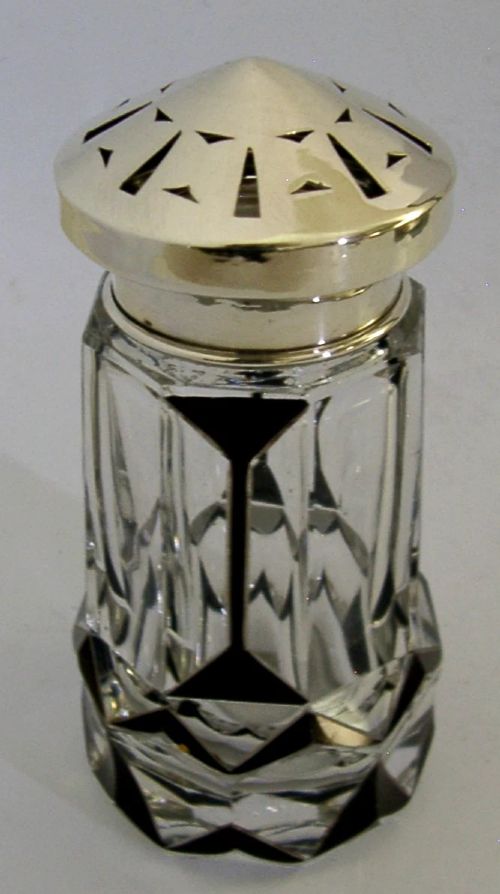
The versions most commonly met on this page span the mid to late eighteenth century, featuring items from English, Bohemian, and Continental workshops. Examples range from flute-moulded ogee bowls and decanters with enamel detail to polychrome schnapps flasks and Bilston enamel patch boxes.
How They Were Made
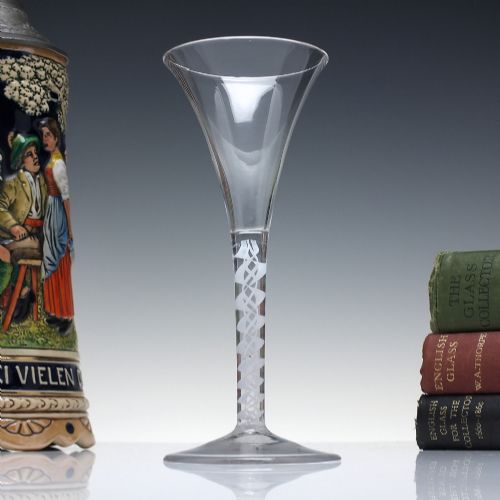
Maker's workshops utilised lead glass and lead crystal to form the vessel bodies, shaping clear, opaline, or coloured glass such as Bristol blue and green. Techniques included blowing molten metal into moulds, such as flute-moulded ogee bowls, and incorporating air or opaque white twist stems during manufacture.
Decoration relied on skilled hand-painting using enamel colours, applied directly to the glass or metal surfaces before firing to bond the pigments. Artisans also combined engraved details and pewter or silver mounts to complete items like scent bottles and trinket boxes.
Georgian Enamelled Glass Retail Price Guide 2026
Typical asking prices for georgian enamelled glass among the pieces listed under this phrase on Sellingantiques today, from the lower quarter to the upper quarter. They describe what is for sale here now, not the wider market.
A tiny patch box meant for concealing facial blemishes in a candlelit room now hides paperclips instead.
What Varies in Quality
Quality rests in the crispness of the glass formation and the precision of the enamel painting. Finer examples display well-proportioned bowls, clear twist formations, and carefully executed polychrome details that remain intact without rubbing.
The distinction between standard production and superior pieces lies in the refinement of the material and the complexity of the design. Vessels with crisp flute-moulding, unblemished lead crystal, and richly detailed hand-painted enamel stand apart from simpler utilitarian items.
The Georgian Enamelled Glass Glossary
- Opaque twist
- A form of glass stem decoration featuring white or coloured enamel threads drawn into spirals inside the clear lead glass rod. This technique gained popularity in English drinking glasses during the mid-eighteenth century.
- Ogee
- An S-shaped curved profile used for the bowls of certain drinking glasses. The contour rises outward at the rim and curves inward toward the stem.
- Opaline glass
- A type of semi-translucent glass, often white or pastel-toned, that diffuses light softly. It served as a popular ground for enamel decoration in eighteenth-century Bohemia.
- Bilston enamel
- Painted enamel work produced in the English town of Bilston, commonly applied to copper boxes for trinkets and patches. These small containers often feature hinged metal mounts.
- Polychrome
- Decoration employing multiple distinct colours painted onto the surface of the glass or enamel. It allows for pictorial scenes and floral motifs on flasks and boxes.
Georgian Enamelled Glass: Frequently Asked Questions
What is georgian enamelled glass?
Georgian enamelled glass consists of eighteenth-century drinking vessels, bottles, and decorative containers adorned with painted enamel decoration. These pieces reflect the glassmaking and decorative arts of the Georgian era.
They combine lead glass or opaline bodies with colourful hand-painted motifs, making them distinct from plain or simply cut glassware of the period.
How do I care for these pieces?
These fragile eighteenth-century items require gentle handling and should be washed by hand in lukewarm water using mild soap. Avoid soaking them or using abrasive sponges that might damage the enamel surface.
Display them away from direct sunlight and sudden temperature shifts to protect both the glass body and the painted details from deterioration.
How are different periods identified?
Periods are identified through a combination of manufacturing techniques, glass colour, and stylistic markers such as bowl shapes and stem formations. Eighteenth-century pieces often exhibit specific twist types or hand-painted enamel styles characteristic of their decade.
Comparing the object's form, material weight, and decorative motifs against known dated examples helps establish its chronological place.
Were these glasses used daily?
Many of these drinking glasses and flasks served functional roles at the dining table or in the parlour during the Georgian period. Finer decorative items, such as patch boxes and trinket boxes, were kept on dressing tables for personal accessories.
Over time, surviving pieces transitioned from practical household items into collectible examples of historical glassmaking and enamel art.