



Bohemian Floral Enamel Glass
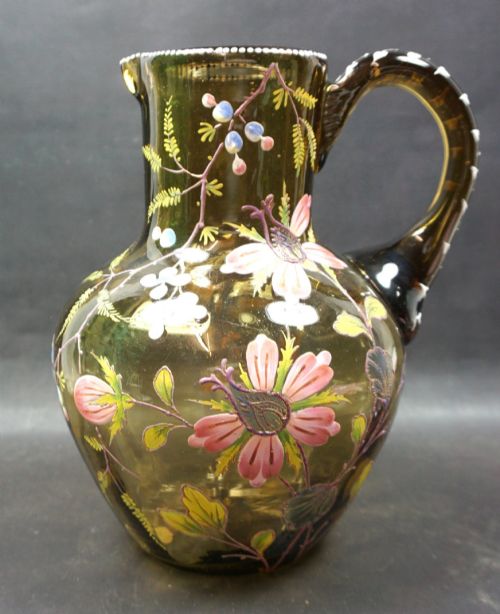
These bohemian floral enamel glass pieces bring vibrant hand-painted floral decoration to nineteenth-century and early twentieth-century vessels.
Bohemian Floral Enamel Glass
When searching for bohemian floral enamel glass, a buyer encounters a colourful range of decorative glass vessels decorated with raised enamel and gilding. These pieces span several distinct periods, including Victorian, Art Nouveau, and earlier eighteenth-century Bohemian production.
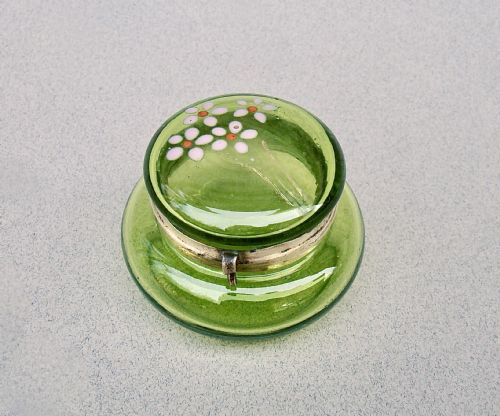
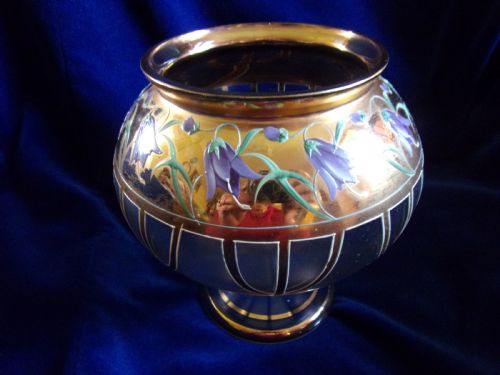
Objects range from tall polychromatic vases to smaller tabletop trinket boxes and serving jugs. Pieces often combine contrasting colours like amber, pink, and white opaline with gold leaf detailing.
How they were made
Makers shaped glass through traditional blowing techniques before applying detailed surface decoration. Coloured glass bases, including green and opaline varieties, provided a rich background for subsequent painting.
Artisans applied opaque and coloured enamel by hand, often building up raised floral designs that created a tactile surface. Gilding and gold leaf accents were frequently added to highlight borders and floral stems.
Bohemian Floral Enamel Glass Retail Price Guide 2026
Typical asking prices for bohemian floral enamel glass among the pieces listed under this phrase on Sellingantiques today, from the lower quarter to the upper quarter. They describe what is for sale here now, not the wider market.
Some nineteenth-century decanters wear their floral enamel like a Sunday bonnet that refuses to go out of style.
What varies in quality
Quality in bohemian floral enamel glass rests on the precision and complexity of the hand-painting. Superior examples display finely rendered floral details with crisp outlines and generous application of raised enamel.
The intricacy of the gilding and the depth of the glass colour also distinguish finer pieces. Well-preserved gold leaf and vibrant, even enamel work set exceptional vessels apart from simpler production.
Moser·Karl Palda·Harrach
The Bohemian Floral Enamel Glass Glossary
- Enamel
- A decorative glassy substance fused to the surface of the glass through firing. It provides the thick, colourful floral patterns seen on these vessels.
- Opaline glass
- An opaque or translucent pale glass developed to imitate porcelain. It serves as a smooth white or pink background for detailed enamel painting.
- Gilding
- The application of gold leaf or gold paint to the glass surface. This technique highlights rims, handles, and floral accents.
- Polychromatic
- Featuring multiple colours within a single decorative scheme. This term describes vases and decanters that utilise a wide palette of enamel paints.
Bohemian Floral Enamel Glass: Frequently Asked Questions
How do I clean bohemian enamel glass?
Wash these pieces gently by hand using lukewarm water and mild soap. Avoid soaking or using abrasive sponges that might damage the delicate enamel and gilding.
Dry the glass immediately with a soft, lint-free cloth to protect the metallic highlights and surface decoration.
Are these decanters safe for liquids?
Most antique decanters are best suited for display rather than regular use with beverages. The age of the glass and the delicate nature of exterior enamel require careful handling.
If used, rinse them gently without submerging the decorated exterior in hot water.
How can I tell Victorian pieces apart?
Victorian examples often feature rich green or pink opaline glass paired with heavy floral enamel and gilt detailing. Look at the style of the flowers and the weight of the glass vessel.
Later pieces from the twentieth century often adopt cleaner Art Deco or Art Nouveau geometric forms alongside traditional floral painting.
Where were these glass items made?
These pieces originate from Bohemia, a historic region renowned for its glassmaking traditions. Workshops and factories across the area produced distinctive glassware for export.
Different makers utilised specialised techniques like uranium glass production or polychromatic enamelling to distinguish their work.