
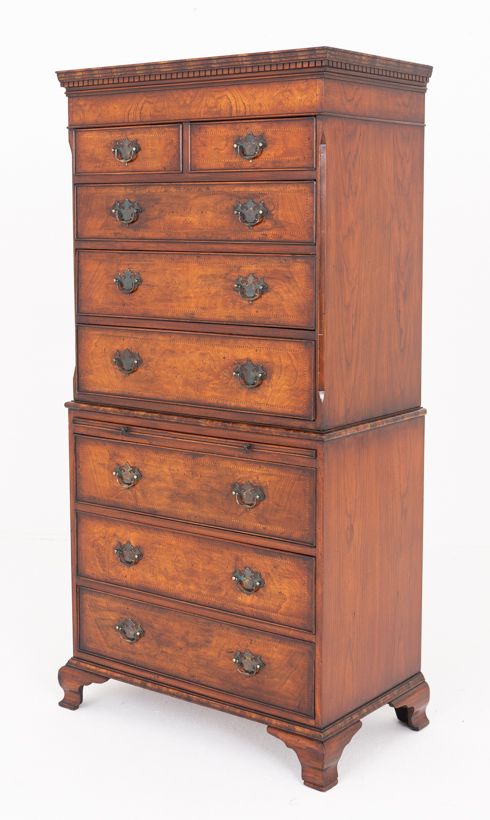
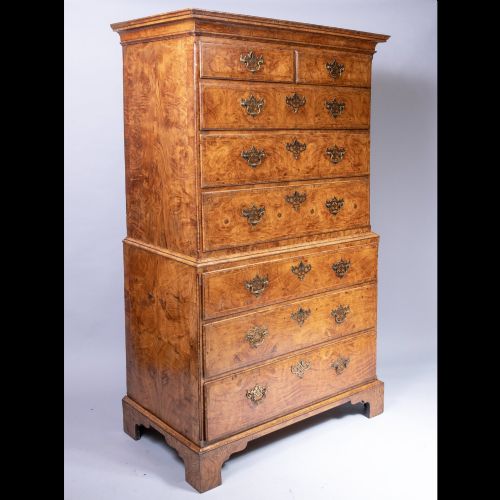
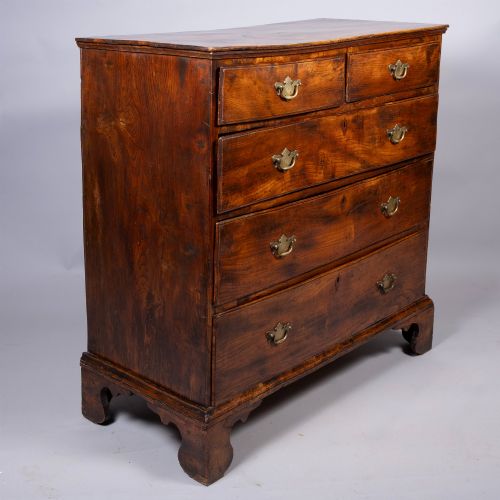


Georgian Elm Chest
A georgian elm chest brings warmth and character through distinct timber grain, offering practical storage in formats from blanket boxes to tallboys.
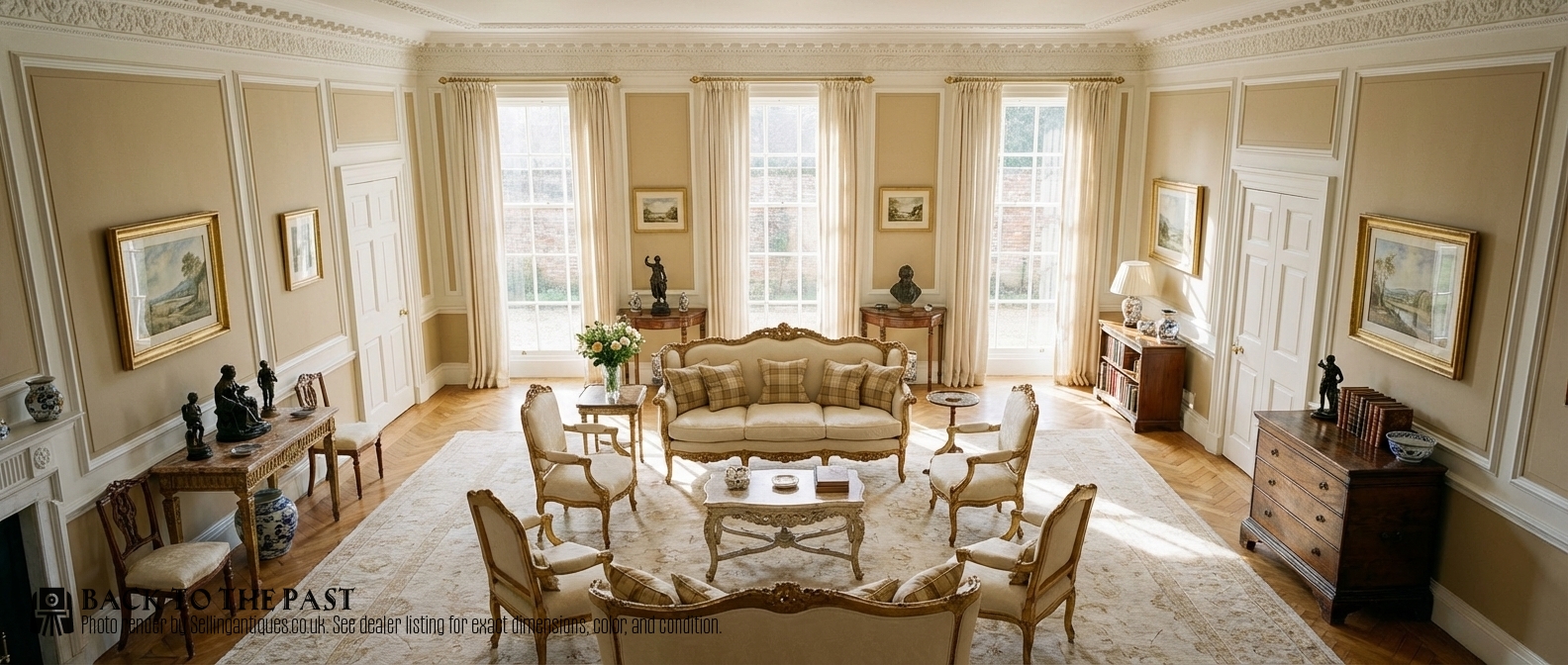
Georgian Elm Chest
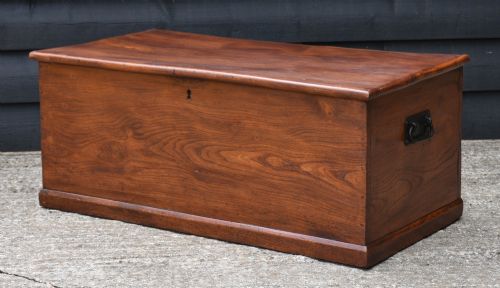
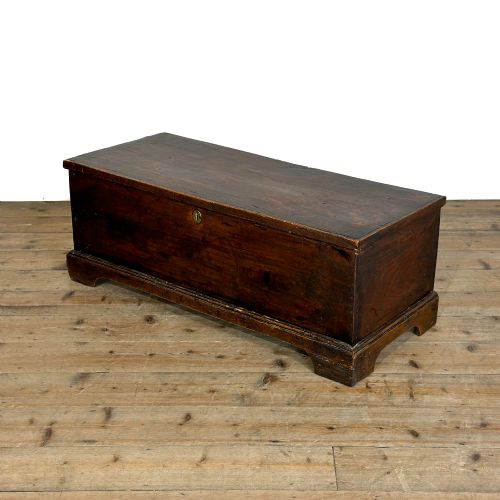
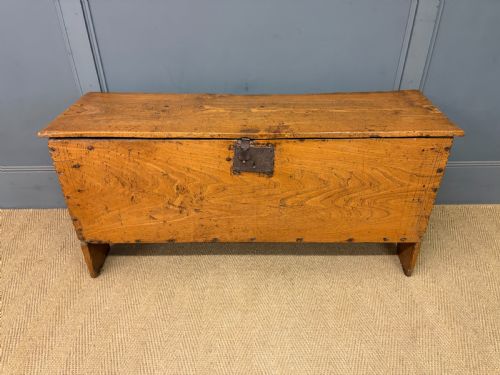
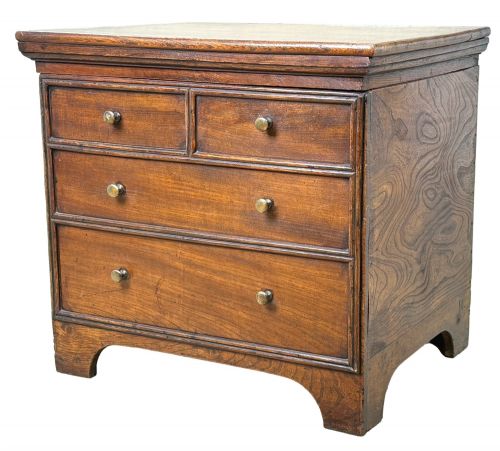
A georgian elm chest encompasses a variety of storage furniture produced during the eighteenth and early nineteenth centuries, ranging from simple six-plank blanket boxes to sophisticated chests of drawers, tallboys, and bureaux.
Makers working in rustic country and vernacular styles utilised local timbers, frequently combining elm with oak or walnut panels to create durable household pieces.
Buyers encountering this phrase most frequently meet flat-top blanket chests, mule chests fitted with lower drawers, and chests of drawers showing distinct regional character.
How they were made
Craftsmen built these pieces primarily using solid elm timber, prized for its toughness and interlocked grain, often selecting burr elm veneers for decorative surfaces.
Construction relied on traditional joinery techniques, supplemented by brass handles, iron hardware, and occasional inlaid details in oak or walnut.
The documented forms range from humble bible boxes and cellarettes to elaborate bureaus and chest on chest structures.
What varies in quality
The standard of a piece depends heavily on the selection of timber, with highly figured burr elm panels and rich natural patination elevating the visual impact above plain utility items.
The finesse of the joinery and the survival of original brass or iron mountings distinguish superior examples from simpler provincial work.
The Georgian Elm Chest Glossary
- Mule chest
- A blanket chest featuring one or more drawers built into the base beneath the main compartment. This form bridges the gap between a traditional coffer and a chest of drawers.
- Burr elm
- A woody outgrowth on an elm tree yielding timber with swirling, highly decorative grain patterns. Cabinetmakers used these sections as veneers on high-status drawer fronts and panels.
- Tallboy
- A tall piece of furniture consisting of a chest of drawers stacked upon another chest or a stand. Eighteenth-century examples maximised vertical storage space in bedrooms.
- Cellarette
- A lockable container used for storing wine bottles safely within a dining room. These timber boxes frequently featured internal partitions and metal linings.
- Six-plank coffer
- A primitive storage box constructed from six individual boards joined simply at the edges. This vernacular form represents an early ancestor of the blanket chest.
Georgian Elm Chest: Frequently Asked Questions
What is a georgian elm chest used for?
These pieces served traditional household storage needs, holding blankets, textiles, clothing, and personal documents.
Today, they function as living room coffee tables, hallway blanket boxes, or bedroom storage while adding historic character to an interior.
How do you identify elm timber?
Elm wood is recognised by its interlocking, wavy grain pattern and warm golden-brown tones that develop a deep sheen over centuries.
It is notably heavy and fibrous, making it resilient to splitting compared to softer woods.
Are these chests strictly from the Georgian period?
While the style spans the reigns of the Georges and the surrounding decades, regional makers continued producing vernacular furniture into the nineteenth century.
Construction details and hardware help distinguish eighteenth-century examples from later nineteenth-century interpretations.
What is the difference between a coffer and a mule chest?
A basic coffer or blanket box opens only from the top lid to reveal a single deep storage well.
A mule chest incorporates one or more functional drawers beneath the main compartment for easier access to smaller items.