





Georgian Dining Accessory
A georgian dining accessory brings the precise elegance of eighteenth and nineteenth century hosting directly to the modern table.
Georgian Dining Accessory
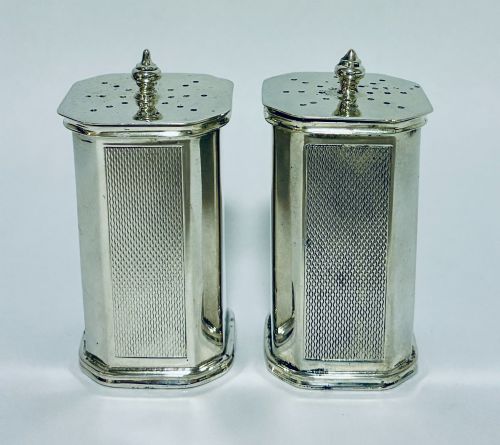
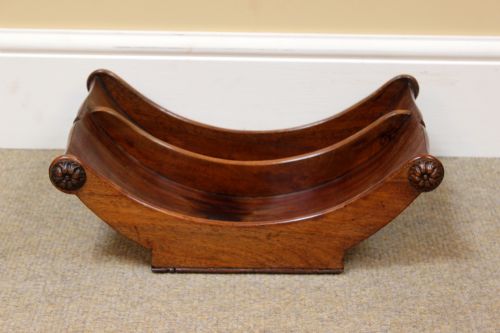
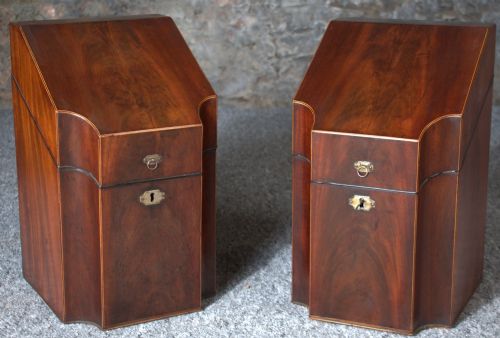
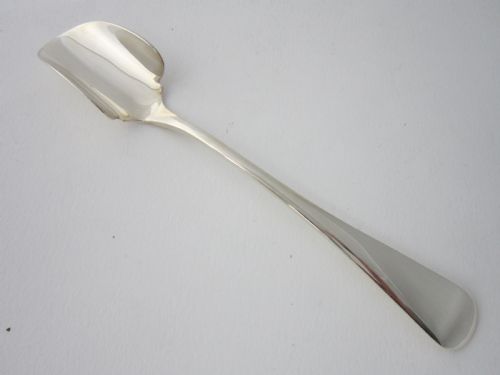
A georgian dining accessory encompasses the specialised silver, glass and wooden implements used for serving wine, cheese and meats during historical meals. When searching for a georgian dining accessory, buyers most frequently encounter mahogany cheese coasters, silver skewers, cruet sets and knife boxes dating from the Georgian, Regency and Victorian eras.
The selection ranges from practical serveware like marrow scoops and toast racks to table furnishings such as dumb waiters and plate buckets. These pieces reflect the elaborate rituals of formal dining across the eighteenth and nineteenth centuries, utilising native and imported materials suited to the table.
Materials and construction
Makers utilised dense hardwoods like mahogany, fruitwood and boxwood for bottle holders, knife boxes and cheese coasters, often shaping the timber to follow curved outlines. Metal items rely upon sterling silver and Old Sheffield plate, shaped through casting, hammering and piercing.
Cut glass appears in finger bowls and cruet components, shaped with precise facets to catch the candlelight. Bone and silver combine in items such as cheese scoops and fruit forks, joined securely for functional use.
Wooden bottle holders and cheese coasters utilise the same dense mahogany found in larger dining furniture of the eighteenth century.
Distinctions in quality
Quality rests upon the crispness of detail in silver chasing and the selection of figured timber in wooden pieces. Superior items display careful proportion and harmonious integration of contrasting materials, such as bone handles set into solid silver mounts.
Makers who applied restrained decoration achieved greater lasting appeal than those relying on heavy ornamentation. Surviving hallmarks on silver and original brass fittings on wood indicate higher initial status and better preservation over time.
Charles Reily and George Storer·Guild of Handicraft
The Georgian Dining Accessory Glossary
- Cheese coaster
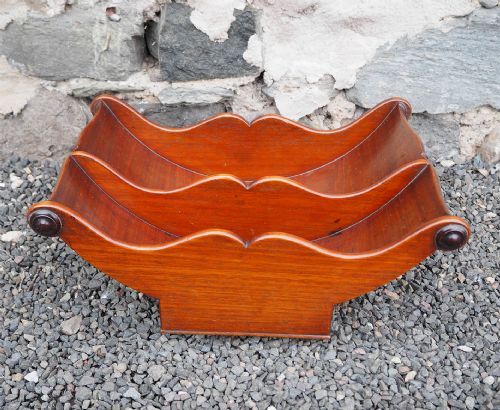
- A shallow tray, often made of mahogany with a shaped wooden or metal base, designed to hold a cheese truckle and slide along the dining table.
- Marrow scoop
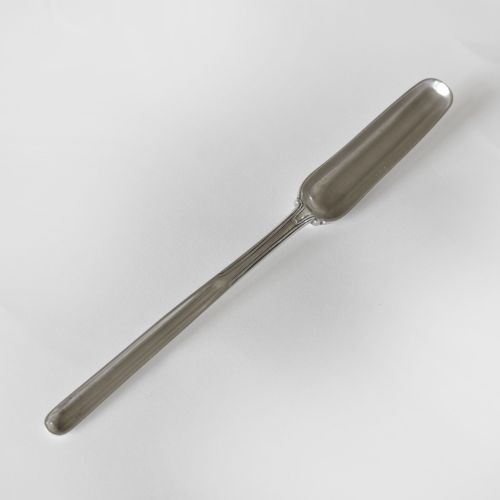
- A narrow, trough-like silver implement with two different sized bowls at either end, used historically for extracting marrow from bones.
- Knife box
- A vertical wooden container with a sloping lid and fitted interior, used to store cutlery upright on sideboards during the eighteenth and nineteenth centuries.
- Cruet set
- A collection of glass bottles mounted in a frame for holding condiments, vinegars and oils for table service.
- Dumb waiter
- A tiered piece of freestanding furniture with rotating or fixed circular wooden trays, designed to hold dishes without requiring servants present.
Georgian Dining Accessory: Frequently Asked Questions
What was a cheese coaster used for?
A cheese coaster held a wheel of cheese and allowed diners to pass it smoothly along the polished surface of the table without scratching the wood.
Most examples feature brass wheels beneath mahogany or fruitwood frames to facilitate this movement.
How do I identify a Georgian silver piece?
You examine the silver for hallmarks that indicate the assay office, standard mark and date letter corresponding to the reigns of the Georges.
Additional clues include the weight, the thickness of the metal and the presence of hand engraving rather than machine stamping.
What is the difference between a knife box and a cutlery box?
A knife box typically stands vertically with a sloping lid designed to display handles when opened on a sideboard.
Cutlery boxes more often take the form of flat trays or baskets intended for keeping various dining implements organised.
Can I use these antique items for modern dining?
Many silver and wooden pieces remain entirely functional for serving food and drink at contemporary dinner parties.
Careful hand washing and appropriate maintenance preserve the wood and silver during regular use.