



Eighteenth Century Box
An eighteenth century box is a practical container for keepsakes, tea, or valuables, crafted with period joinery that appeals to collectors.
Eighteenth Century Box
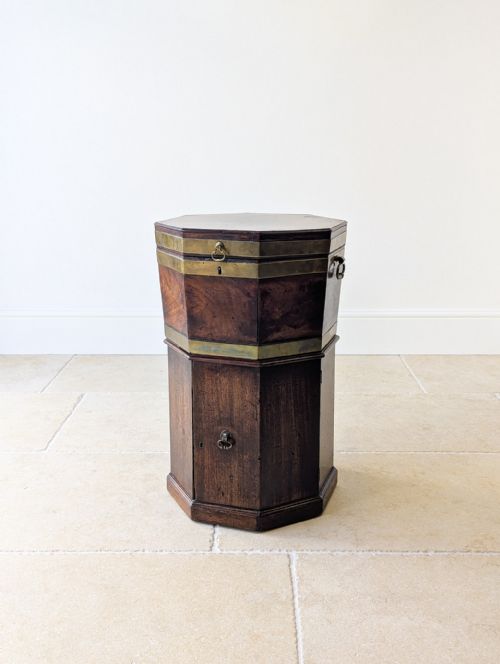
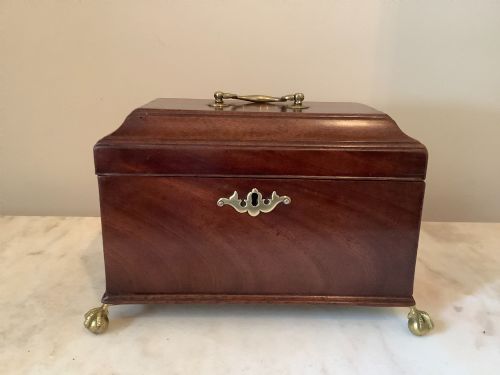
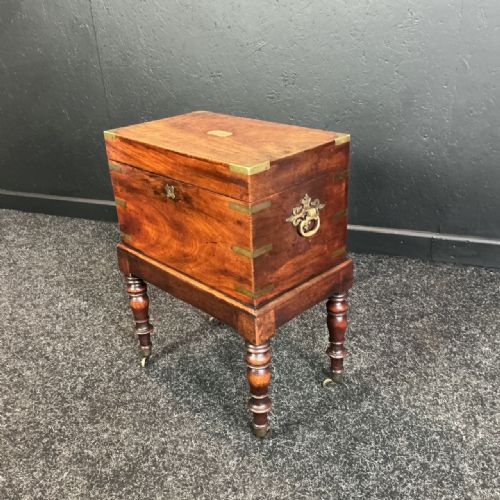
An eighteenth century box encompasses a diverse range of functional containers designed for storage, writing, or dining accessories. Buyers pursuing this phrase encounter forms such as tea caddies, cellarets, snuff boxes, caskets, and knife boxes originating from Georgian and later workshops.
How they were made
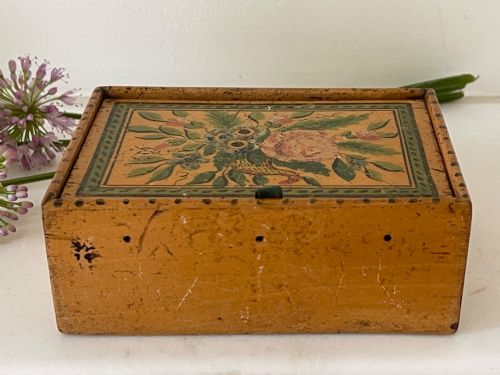
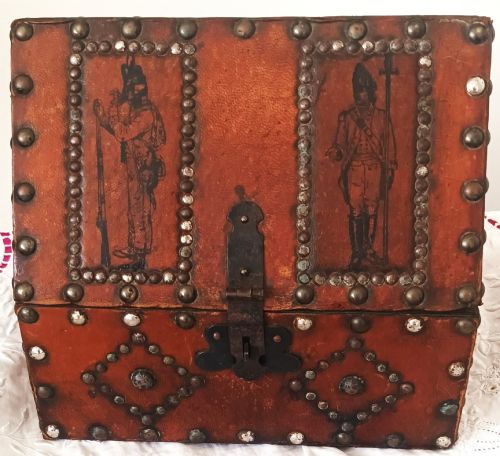
Maker construction relies heavily on solid and veneered timbers including mahogany, walnut, oak, and satinwood, frequently paired with brass mountings, hinges, and corner brackets. Wood inlay, paint, and leather binding add decorative surface texture to the primary structure.
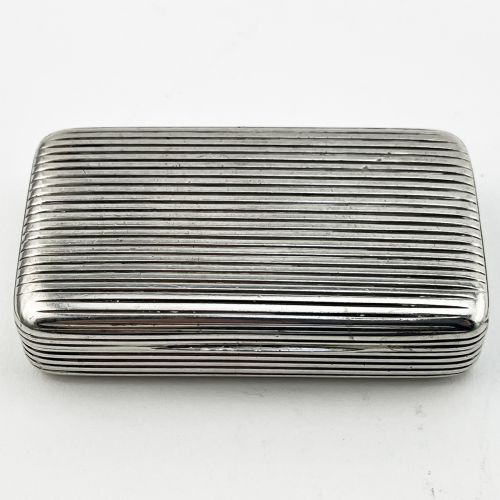
Precious metals and specialised materials appear on smaller pocket pieces, utilising sterling silver, gold, and shagreen. Ceramic examples employ Worcester porcelain and Staffordshire enamel techniques for specialised storage tasks like sugar and patch containment.
Listings include multiple materials such as mahogany, sterling silver, porcelain, iron, and camphor wood across Georgian periods.
What varies in quality
Quality separates standard utility containers from finer decorative examples through the selection of timber, the execution of inlay or wood grain, and the integration of internal fittings such as secret drawers and fitted compartments. Superior pieces maintain crisp brass hardware and intact surface finishes.
Material rarity dictates the upper tiers of the range, distinguishing simple pine or iron fittings from precision silver snuff boxes, gold work, and fine lacquer export pieces. The sophistication of the joinery and the preservation of original linings define the merit of each specimen.
The Eighteenth Century Box Glossary
- Cellaret
- A lockable container designed for holding wine bottles or decanters near the dining table. These are frequently found in mahogany with brass banding.
- Tea caddy
- A small box built to store loose tea leaves securely under lock and key. Many examples feature internal compartments for different blends.
- Snuff box
- A small pocket-sized container for holding powdered tobacco. They appear in silver, gold, wood, and enamel.
- Shagreen
- A textured untanned leather prepared from the skin of sharks or rays. It provides a distinctive granular surface finish on luxury boxes.
- Cofer
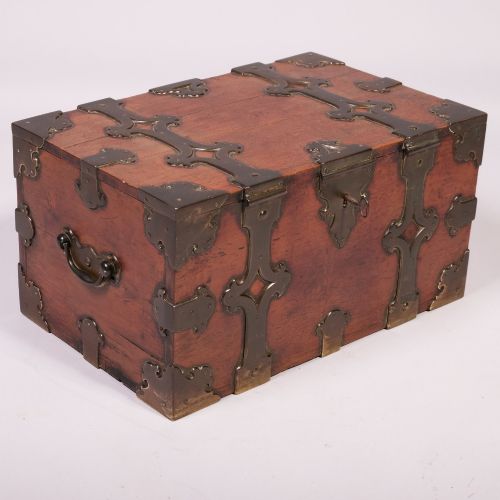
- A large reinforced chest or box used for valuable storage or travel. They often feature iron or brass mounts for structural strength.
Eighteenth Century Box: Frequently Asked Questions
What were eighteenth century boxes used for?
These containers served specific domestic purposes, from locking away expensive tea leaves and wine decanters to holding personal items like patches, pills, and snuff.
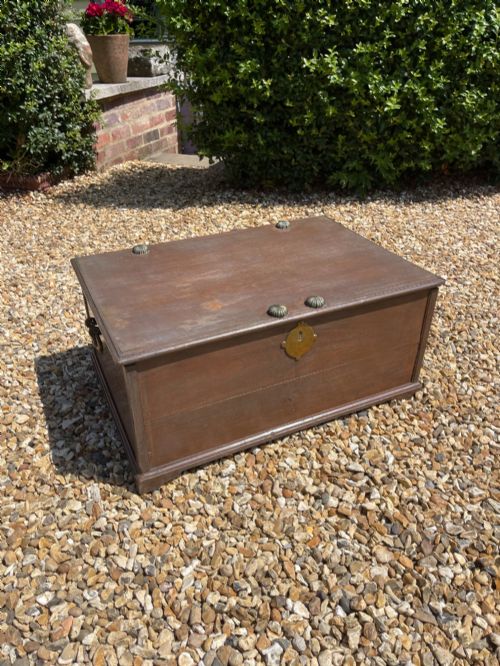
Larger trunk forms and coffers stored household valuables, linens, and documents in rooms across the home.
How do I identify a Georgian box?
Georgian boxes typically display classic proportions and use timbers like mahogany, walnut, and oak, often accented with brass handles or escutcheons.
Many incorporate period details such as secret drawers, fine dovetail joinery, and string inlay characteristic of eighteenth-century cabinet making.
Are all these boxes made of wood?
Wood is the most common material, seen in mahogany, oak, walnut, camphor, and satinwood pieces ranging from tea caddies to large trunks.
However, the category also includes sterling silver snuff boxes, gold pocket containers, Worcester porcelain sugar boxes, and Staffordshire enamel patch boxes.
How should I care for an antique box?
Keep wooden and leather-bound boxes away from direct sunlight and sudden temperature changes to protect the joinery and prevent timber splitting.
Maintain the surface by occasionally applying a neutral wax suitable for antique furniture, avoiding harsh modern chemical cleaners.