


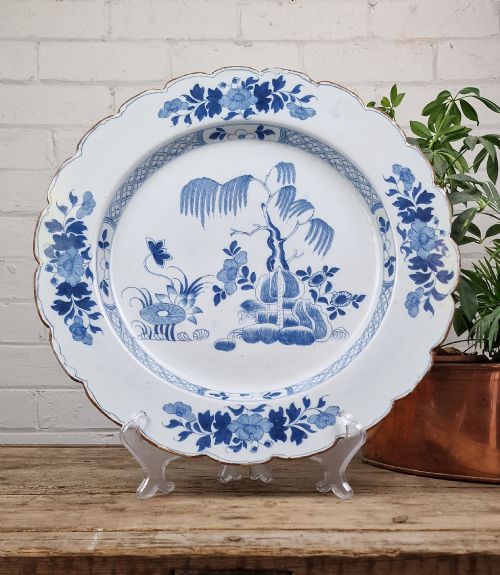
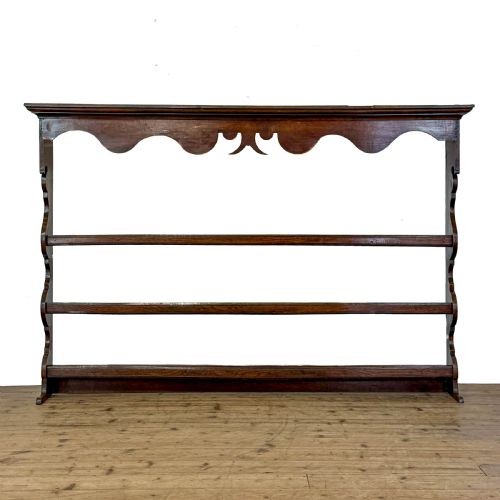


Georgian Delft Plate
A georgian delft plate brings hand-painted colour and tin-glazed earthenware to a room through eighteenth-century forms.

Georgian Delft Plate
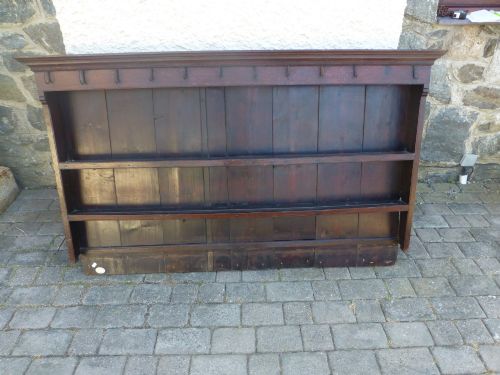
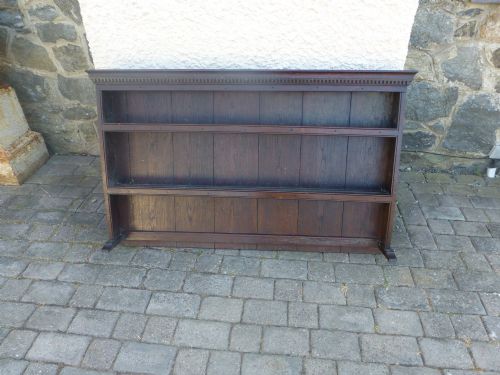
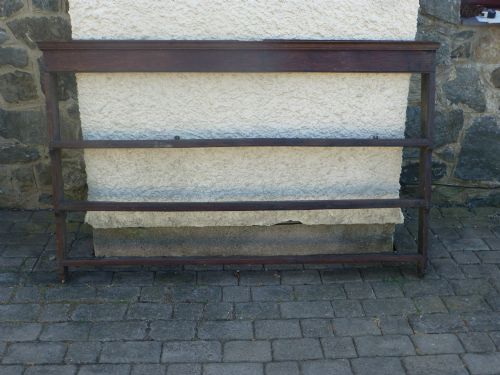
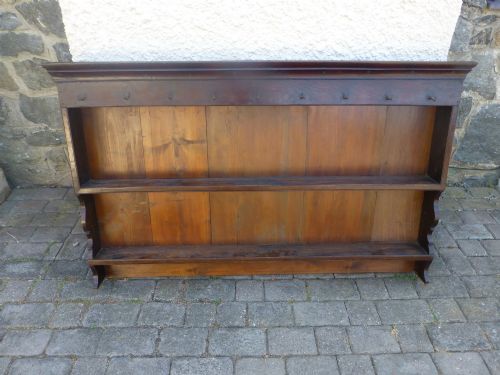
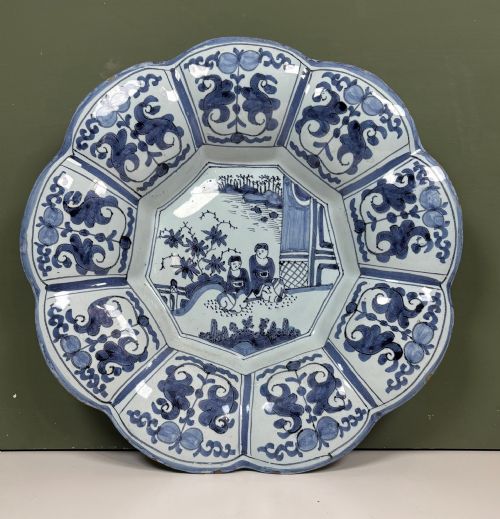
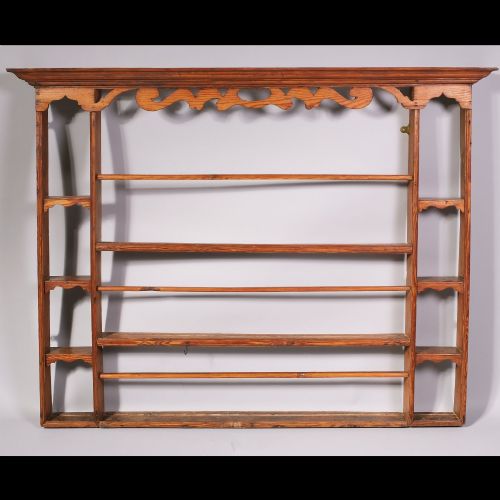
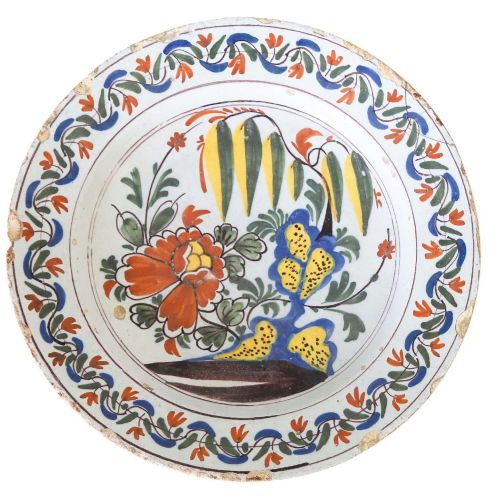
When searching for a georgian delft plate, collectors encounter eighteen-century earthenware dishes decorated with cobalt pigment or polychrome schemes. The items range from cabinet plates and large chargers to oak and pine plate racks designed to display them.
Most examples originate from English potteries in centres like Bristol and Lambeth, or follow Dutch traditions of the period. Forms span simple domestic dishes, marriage plates, and substantial wall-hanging dressers constructed in country oak.
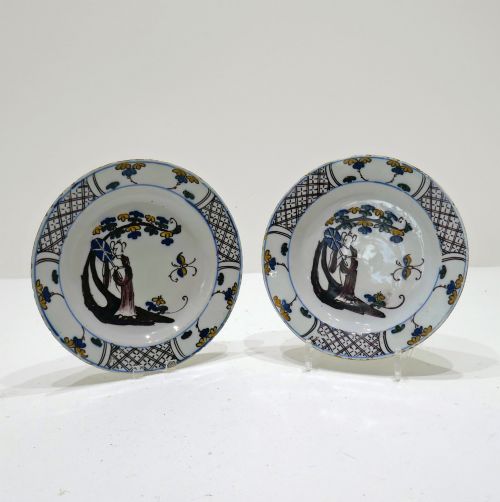
The aesthetic bridges formal Georgian chinoiserie and rustic English country interiors. Buyers find both individual plates and pairs alongside larger decorative chargers that served functional roles in period homes.
What varies in quality
The clarity and crispness of the hand-painted decoration distinguish superior examples from standard domestic wares. Purity in the cobalt pigment or richness in the polychrome palette elevates visual impact.
Condition of the tin glaze remains a primary consideration, alongside the structural integrity of timber plate racks. The subtlety of brushwork on individual plates reflects the skill of the original pottery hand.
Georgian Delft Plate Retail Price Guide 2026
Typical asking prices for georgian delft plate among the pieces listed under this phrase on Sellingantiques today, from the lower quarter to the upper quarter. They describe what is for sale here now, not the wider market.
Listings feature eighteenth-century earthenware plates alongside oak and pine wall racks spanning the Georgian era.
Bristol·Lambeth
The Georgian Delft Plate Glossary
- Tin glaze
- An opaque white glaze made by adding tin oxide to a lead glaze. This surface provided a smooth canvas for painted decoration.
- Charger
- A large ornamental or serving plate. These wide dishes hung on walls or sat on dressers for display.
- Polychrome
- Decoration employing multiple colours rather than a single pigment. Painters utilised this technique for floral and Chinoiserie motifs.
- Chinoiserie
- European artistic styles reflecting Chinese motifs. Artisans adapted these oriental designs onto earthenware plates.
- Delftware
- Tin-glazed earthenware produced in England and the Netherlands. The tradition flourished through the eighteenth century.
Georgian Delft Plate: Frequently Asked Questions
How were georgian delft plates displayed?
Plates and chargers sat on specialised oak and pine plate racks mounted to walls or integrated into larger country dressers. This allowed households to exhibit colourful tin-glazed ceramics safely.
Smaller domestic dishes also saw service on dining tables alongside serving boards and wooden furniture.
What colours appear on these plates?
Blue and white dominates through the use of cobalt pigment on a tin glaze. Polychrome examples introduce richer palettes of reds, greens, and yellows for floral and pictorial subjects.
Pigment application happened directly on the unfired glaze surface, creating soft borders around the brushstrokes.
How do I date a delft plate?
Dating relies on stylistic shifts in painting, potting thickness, and glaze characteristics across the eighteenth century. Earlier pieces often display heavier earthenware bodies and deep tin glazes.
Matching decorative motifs to known pottery production periods helps narrow down the decade of manufacture.
Are these plates safe for food?
Most eighteenth-century tin-glazed earthenware is intended for display rather than modern dining use. Historic glazes can be fragile and sensitive to frequent washing.
Collectors generally exhibit these ceramics on plate racks or wall shelves rather than using them for meals.