


Georgian Cut Glass Decanter
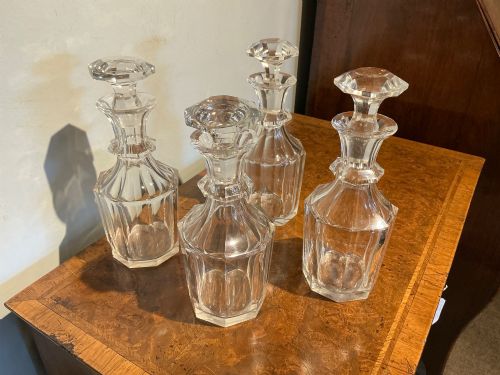
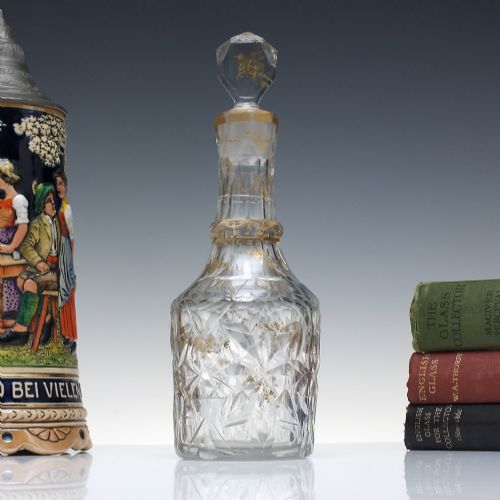
These heavy, faceted vessels bring a tactile brilliance to the table, and a georgian cut glass decanter remains a principal find for collectors of period barware.
Georgian Cut Glass Decanter
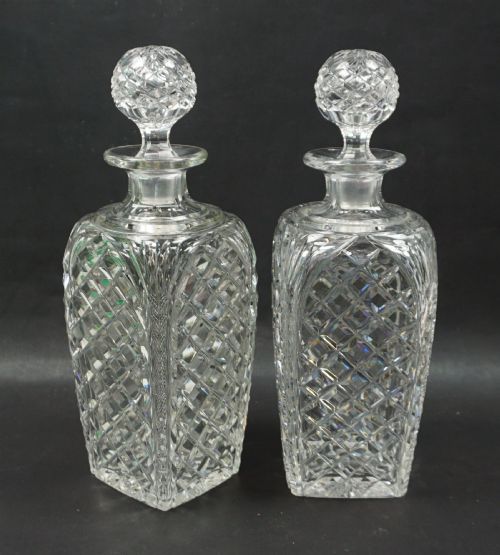
Most examples originate from the Georgian and Regency periods, stretching into the nineteenth century with characteristic lead crystal and cut glass construction. These pieces range from single serving bottles to matched pairs and larger suites including cruet sets and carafes.
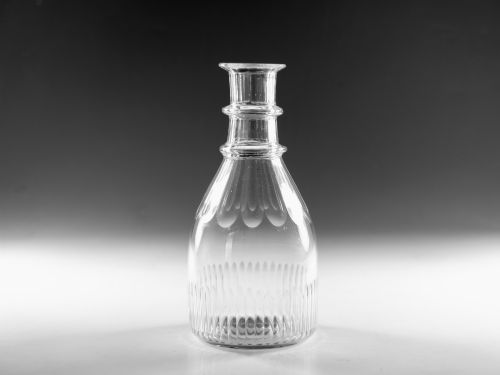
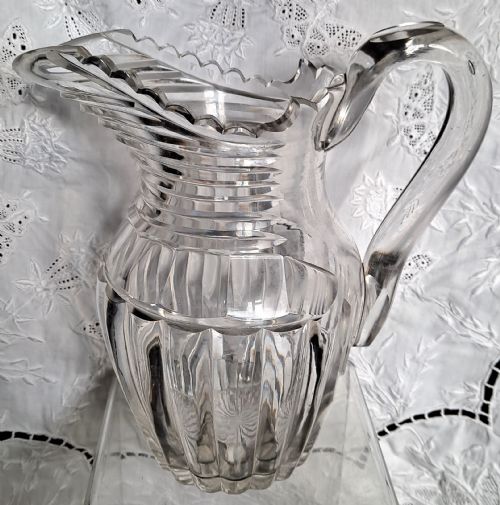
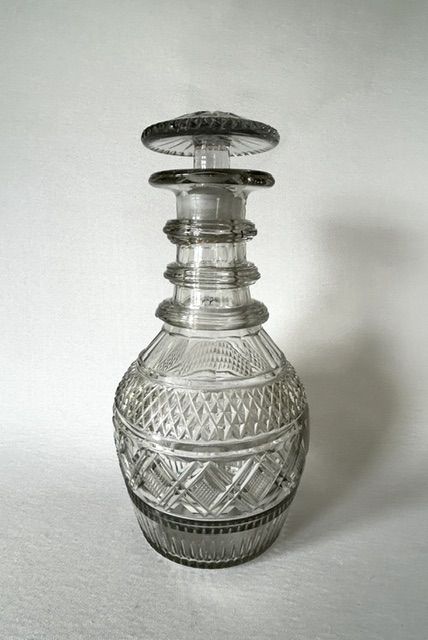
Makers utilised distinct neck formations, such as three-ring designs and pillar cuts, alongside facet cutting that catches ambient light. The inventory also includes related items like water jugs, toddy lifters, and spirit decanters that reflect period dining habits.
How they were made
Artisans formed these objects from lead crystal and heavy glass, blowing molten material into moulds or free-blowing before applying surface decoration. The weight of the lead content provides the substantial feel and clarity characteristic of the period.
Cutting wheels carved deep prisms, flutes, and geometric patterns into the cooled surface, a technique that required steady hands to avoid fracturing the thick glass walls. Guilds and glasshouses combined this labour-intensive wheel-cutting with hand-polishing to achieve a bright finish.
Listings feature lead crystal, sterling silver mounts, and mahogany frames alongside traditional glass vessels.
What varies in quality
The clarity and weight of the crystal establish the baseline, where high-lead compositions produce a resonant ring and deep refractive brilliance. Superior pieces display crisp, sharply defined facet cuts without smoothing at the edges.
Proportion and matching stoppers dictate the standing of a vessel, particularly in pairs or sets where uniform colour and identical cutting patterns matter. The depth of the wheel work and the complexity of the neck rings further distinguish standard domestic vessels from masterworks.
James Giles·Charles Thomas Fox·Hester Bateman·Wear Flint Company
The Georgian Cut Glass Decanter Glossary
- Prussian
- A bottle form with a wide body tapering sharply towards the shoulder, common in the Georgian era. This shape accommodated sediment and sat stably on dining tables.
- Ship's decanter
- A style featuring a very wide, flat base and a conical body designed to prevent tipping on rolling ships. It remains a practical form for modern dining.
- Toddy lifter
- A small glass tube used to transfer warm punch or spirits from a bowl to a glass. These portable accessories accompany period barware collections.
- Lead crystal
- Glass containing lead oxide, which increases weight, brilliance, and workability for deep cutting. It forms the primary material for high-end Georgian vessels.
- Pillar cut
- A linear cutting style creating vertical flutes or columns down the body of the decanter. This technique emphasises the thickness of the glass.
Georgian Cut Glass Decanter: Frequently Asked Questions
How do I clean an old decanter safely?
Resist using harsh abrasives or hot water on antique glass, as thermal shock can crack heavy lead crystal. Instead, use warm water with specialised cleaning beads and a gentle bottle brush.
Allow the vessel to air dry completely upside down on a lint-free cloth. This prevents moisture rings and preserves the interior surface without scratching the original material.
Are these decanters safe for modern wine?
Period lead glass can leach trace amounts of lead if liquids remain stored inside for extended periods. However, using them to serve wine or decant spirits for a meal presents negligible risk.
Avoid storing port, whisky, or wine in them for weeks at a time. Pour the contents into the vessel shortly before serving your guests.
How do I date a cut glass decanter?
Examine the base for a pontil mark, where the glassblower snapped the rod away, which usually indicates an earlier hand-blown origin. Neck rings, weight, and the sharpness of the facet cutting also provide clues to the decade of manufacture.
Regency and late Georgian pieces often feature distinct three-ring necks and heavy pillar cuts. Comparing the stopper to the neck opening helps verify if the pair is original to the piece.
Did these pieces come with stoppers originally?
Almost every serving bottle and spirit container was manufactured with a matching ground-glass stopper to seal the contents. Many surviving pieces retain their original stoppers, though replacements are common in the antique market.
A correct replacement stopper should fit snugly and share the same glass tint and cutting style as the body. Numbered markings on the base and stopper peg occasionally indicate they belong together.