




Vintage Port Decanter
A vintage port decanter brings Georgian or Victorian glass and silver to the table, holding fortified wine with timeless utility.
Vintage Port Decanter
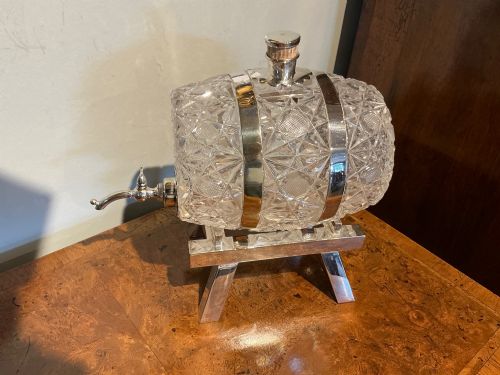
When you search for a vintage port decanter, you encounter vessels and serving accessories spanning the Georgian, Regency, Victorian, and Edwardian periods. The selection includes lead crystal bottles, silver-mounted glass spirit containers, and associated wine funnels and labels.
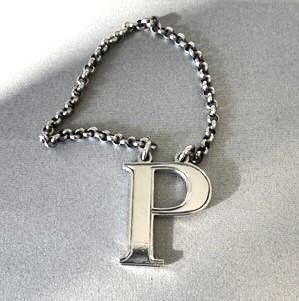
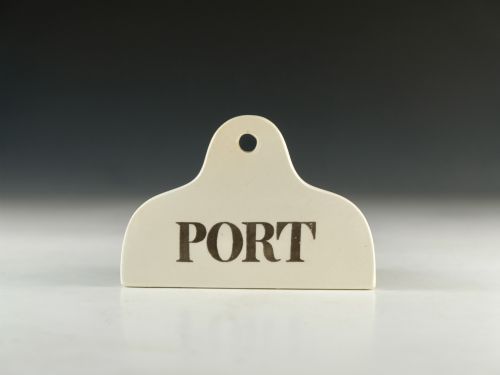
You are most likely to meet three-ring Prussian style glass decanters alongside matching silver-plated or solid silver labels marked for port. These items reflect centuries of dining traditions focused on serving fortified wine.
The objects encompass both the glassware itself and the small silver implements used to pour and identify the contents correctly at the table. Each piece maintains a direct link to historical dining rooms and cellar practices.
How they were made
Glass decanters rely on heavy lead crystal or cut glass formed into distinct shapes, often featuring three neck rings for a secure grip during pouring. Hand-cutting creates the geometric facets that catch candlelight on the dining table.
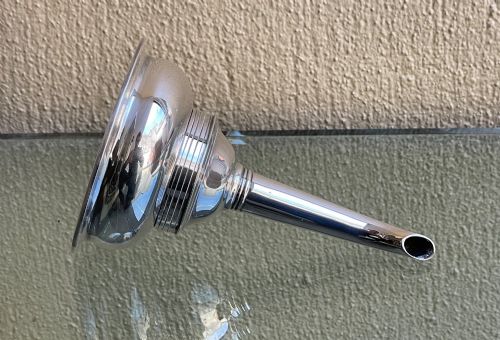
Mounts, funnels, and labels utilise sterling silver or silver plate, shaped by hand or cast in traditional metalworking moulds. Cork stoppers provide the necessary seal to preserve the fortified wine within.
The inventory combines drinking vessels with silver wine funnels, stoppers, and inscribed port labels.
What varies in quality
Quality rests on the depth and crispness of the glass cutting, where sharper facets and heavier lead crystal indicate superior manufacture. The clarity of the metal and the weight of the vessel separate standard production from finer examples.
For silver labels and funnels, the gauge of the metal and the legibility of hallmarks dictate the standing of the piece. Maker marks and crisp engraving elevate functional accessories into high-grade examples of silversmithing.
Lowe & Sone
The Vintage Port Decanter Glossary
- Prussian decanter
- A specific bottle shape featuring a broad base and tapered neck with horizontal rings. This form prevents slipping in wet cellars and aids pouring.
- Wine funnel
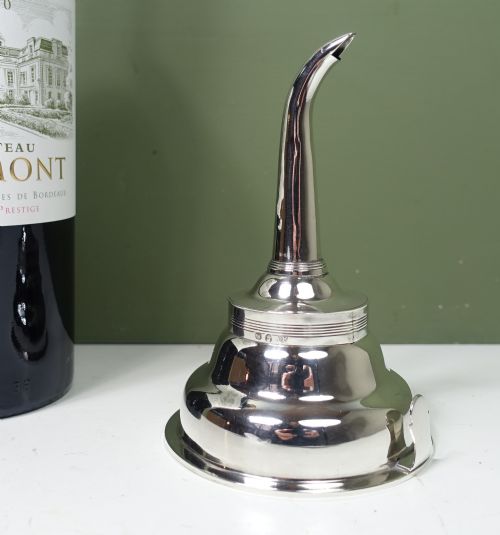
- A conical implement fitted with a mesh strainer. It aerates port and catches sediment as the wine moves from bottle to decanter.
- Decanter label
- A small tag hung from a chain around the neck of the bottle. It identifies the vintage or spirit contained within.
- Lead crystal
- Glass containing metallic oxide that increases weight, brilliance, and resonance. It allows deeper, sharper cutting than standard soda glass.
Vintage Port Decanter: Frequently Asked Questions
How do I clean an old decanter?
Fill the vessel with warm water and specialised cleaning beads, then swirl gently to remove sediment without scratching the interior glass.
Avoid using harsh detergents or putting antique glass into a dishwasher, as thermal shock can crack the material.
What is the purpose of neck rings?
The horizontal rings around the neck provide a secure grip for greasy or wet fingers when lifting heavy lead crystal from the cellar.
They also serve as a stylistic marker for Regency and Georgian production methods.
Why use a silver wine funnel?
Port produces natural sediment as it ages, and the funnel filters these solids through a built-in mesh strainer during decanting.
Silver provides a durable, non-reactive surface that maintains the flavour profile of the fortified wine.
How do I identify a port label?
Decanter labels are small silver tags suspended by chains that specifically name the contents to prevent confusion at the dinner table.
Georgian and Victorian examples often feature pierced decoration and legible maker marks or date letters.