

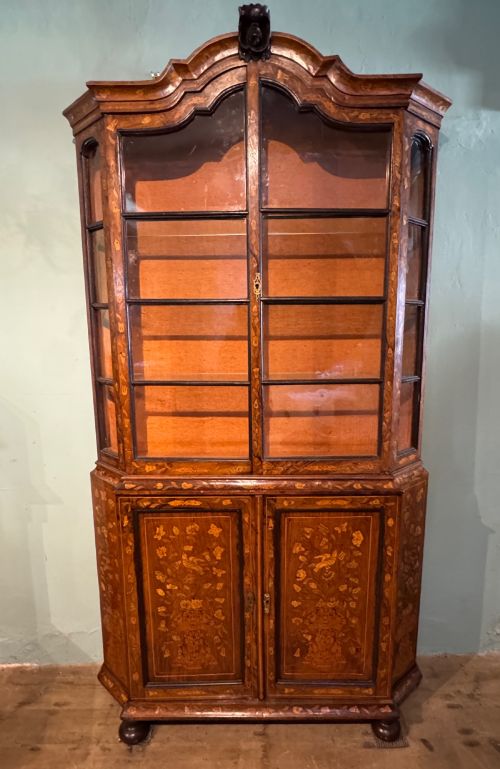
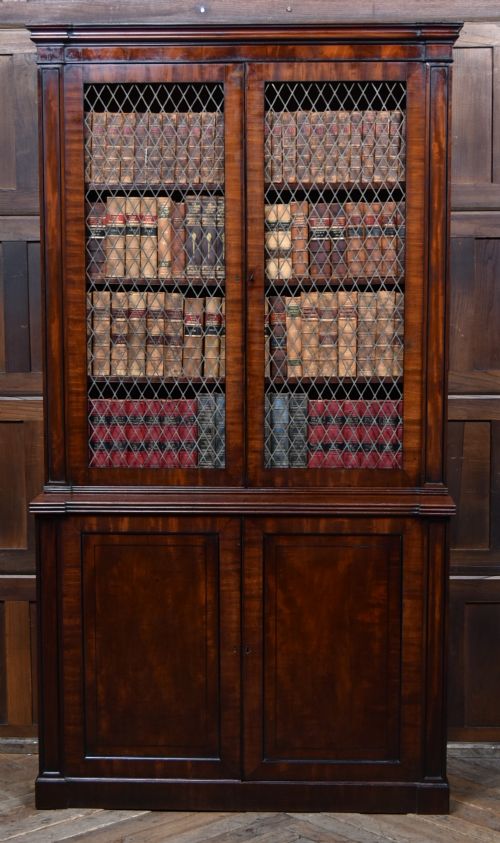
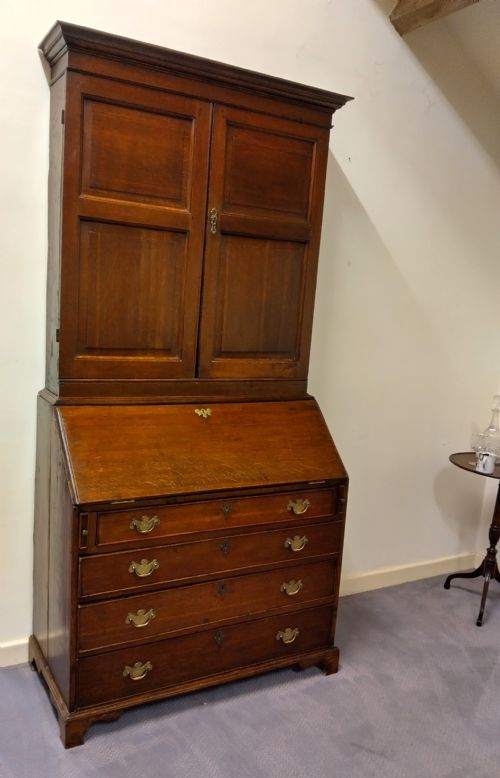
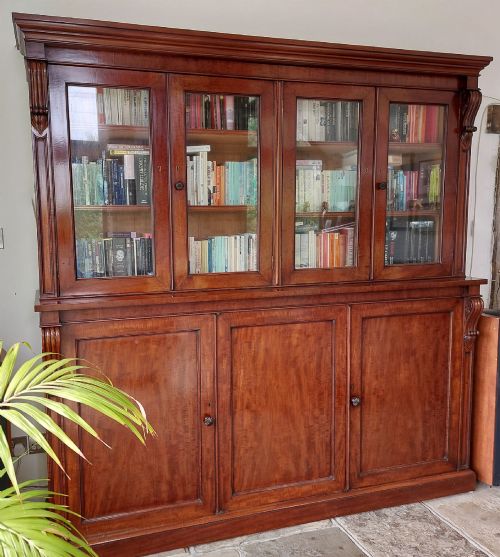
Georgian Cupboard Bookcase
A georgian cupboard bookcase combines upper shelving for display with lower cabinet storage, offering architectural presence and practical utility for modern interiors.
Georgian Cupboard Bookcase
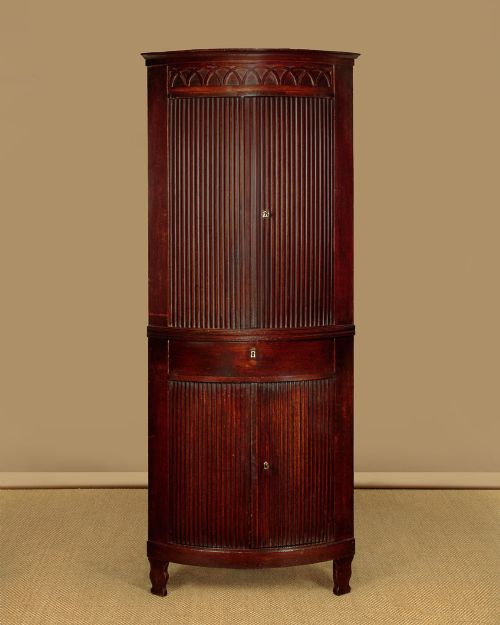
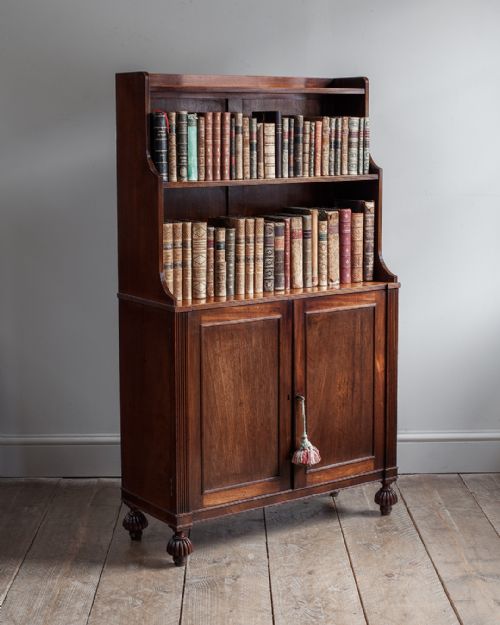
A georgian cupboard bookcase unites enclosed storage at the base with open or glazed shelving above, designed to hold books and display treasured objects in domestic settings. The pieces span periods from the eighteenth century through the nineteenth century, alongside later revival interpretations.
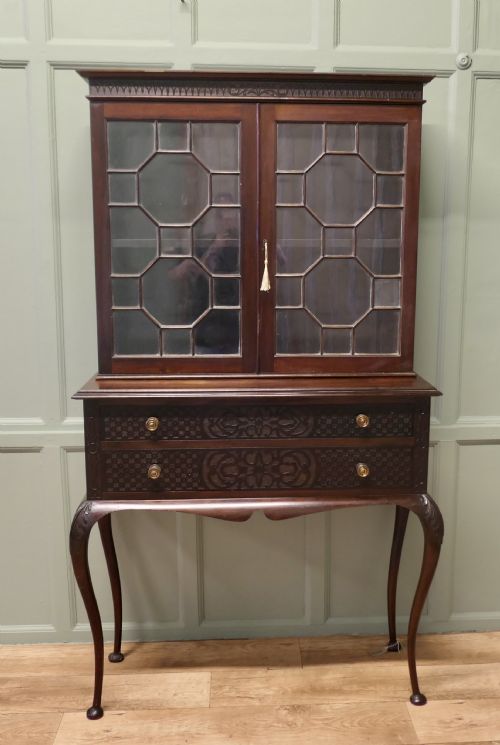
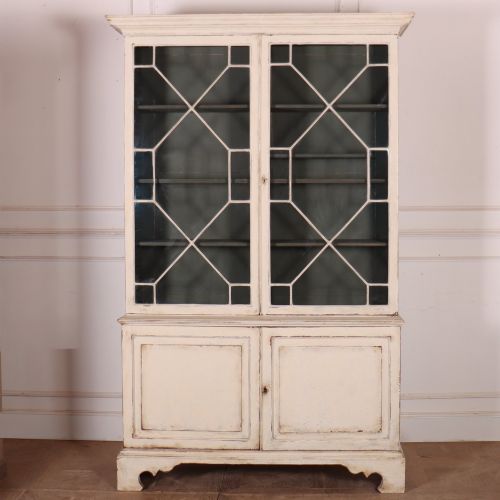
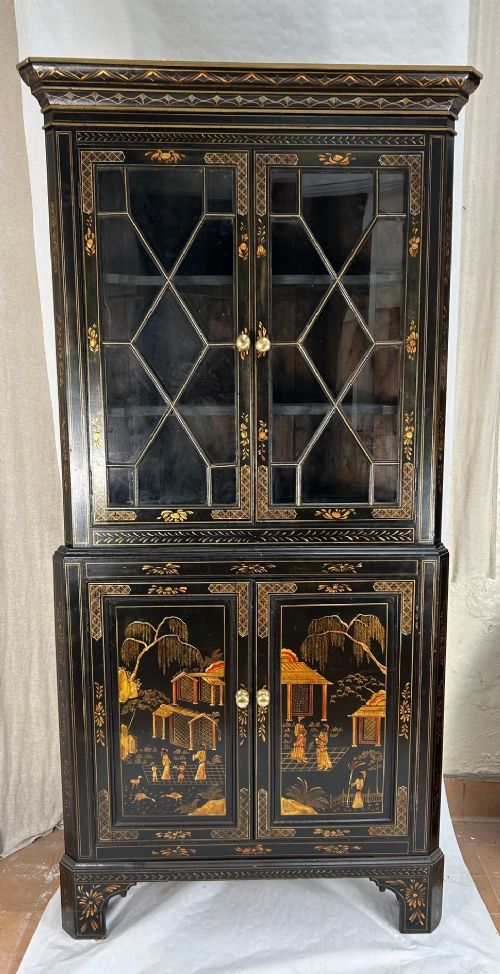
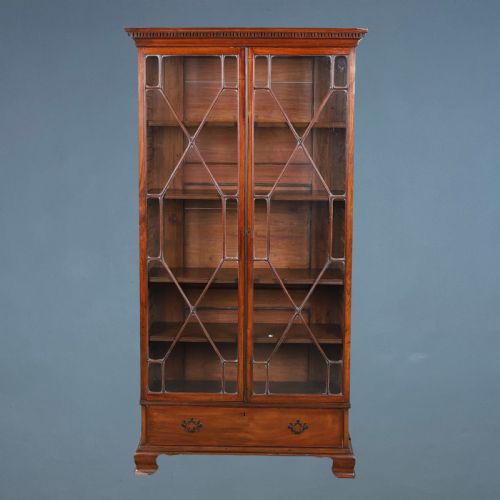
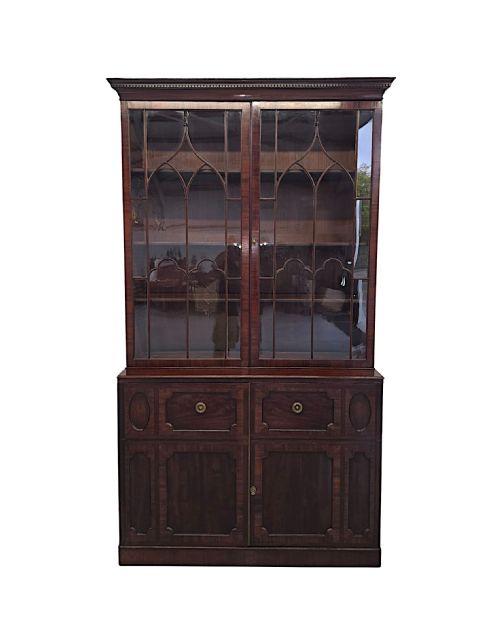
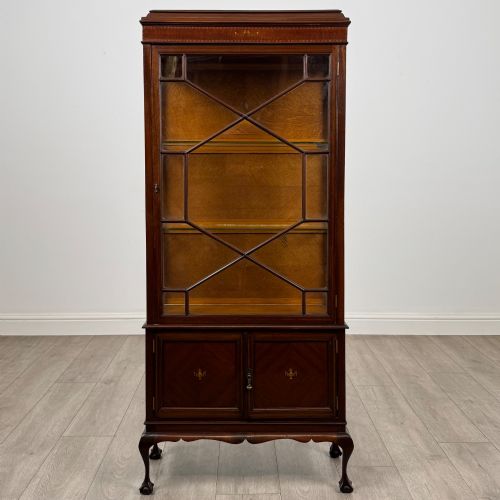
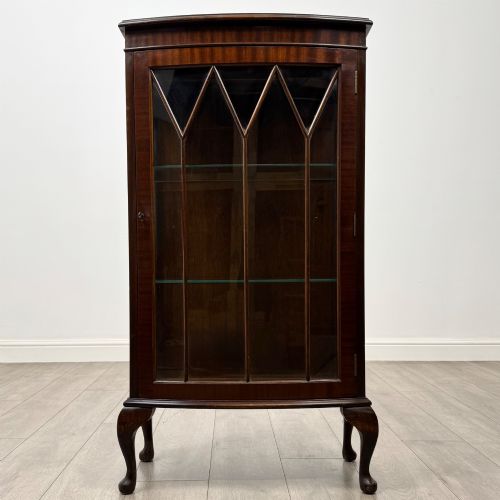
Buyers commonly encounter mahogany double-door formats and oak country variations, which range from compact corner cupboards to grand breakfront library cabinets. Many examples feature glazed upper doors, sometimes with astragal bars, sitting above panelled wooden cupboard bases.
How they were made
Cabinet makers built these pieces using solid timber carcasses faced with carefully selected veneers like flame mahogany, satinwood, and walnut, frequently supported by secondary woods such as oak and pine. Glazing utilised individual hand-blown panes held within wooden frames or delicate astragal bars.
Construction relied on traditional joinery methods, incorporating brass hardware, inlaid banding in ebony or lighter woods, and occasionally hand-painted finishes on pine or oak surfaces.
Listings feature oak, mahogany, rosewood, and satinwood, spanning the eighteenth to the twentieth centuries.
What varies in quality
The choice of timber grain dictates much of the visual merit, where deeply figured flame mahogany or finely matched walnut elevation separates standard production from superior cabinet work. The crispness of carved details, such as astragal bars and cornice mouldings, reflects the skill invested by the original maker.
Proportion and structural integrity define the higher tier of these pieces, ensuring that cornices align harmoniously with base cupboards and doors hang true without modern intervention.
Gillows·Wylie and Lochhead·S and H Jewell
The Georgian Cupboard Bookcase Glossary
- Astragal
- The wooden or metal moulding bars that divide individual panes of glass within a glazed cabinet door. They create geometric patterns across the bookcase front.
- Breakfront
- A large cabinet design where the central section projects forward from the flanking wings. This architectural form adds depth and presence to library bookcases.
- Chiffonier
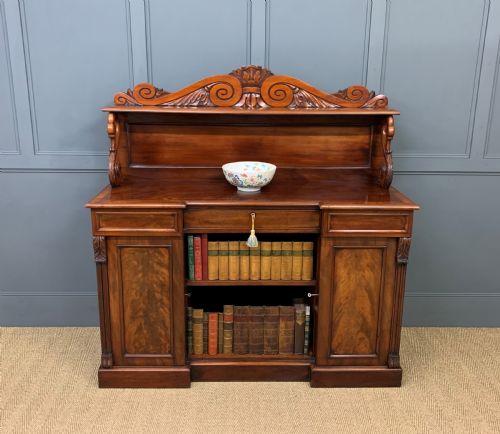
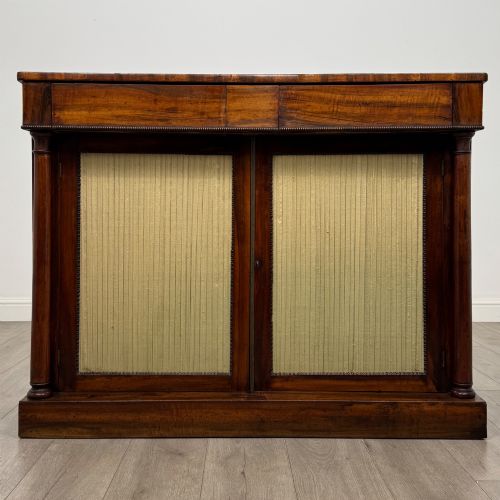
- A low cabinet featuring a cupboard base, frequently surmounted by a small bookshelf or tier of shelves on top. These pieces emerged strongly during the Regency period.
- Cwpwrdd Gwydr
- A traditional Welsh term denoting a glass-fronted cupboard or dresser. These regional oak pieces often incorporate local timber characteristics.
- Waterfall bookcase
- A graduating set of open shelves where each tier steps back sequentially from the one below. They occasionally feature a small enclosed cupboard section at the base.
Georgian Cupboard Bookcase: Frequently Asked Questions
How are upper and lower sections joined?
Most large examples separate into a heavy upper bookcase that rests directly upon the lower cupboard base, secured by gravity and simple locating pins.
Smaller variants and corner units are frequently constructed as single solid carcasses to ensure stability.
Can adjustable shelves be expected?
Period pieces usually employ fixed wooden shelving supported on fixed fillets or simple wooden glides cut into the interior carcase walls.
Modern metal racking is absent unless added during later restoration work by subsequent owners.
How do I accommodate deep books?
Lower cupboard sections provide much greater internal depth than the shallower upper shelving tiers, which were historically scaled for octavo and duodecimo volumes.
Oversized folios require careful measurement against the specific internal dimensions of the cabinet base.
Where should mahogany pieces be placed?
Mahogany and rosewood surfaces react sensitively to direct sunlight and fluctuating central heating, which can cause timber to fade or veneers to lift.
Positioning pieces away from radiators and windows preserves the rich natural colour and finish of the wood.