


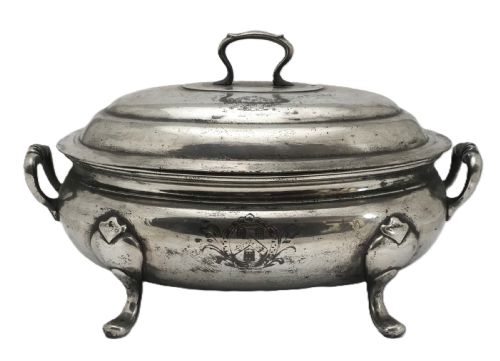


Georgian Covered Vegetable Dish
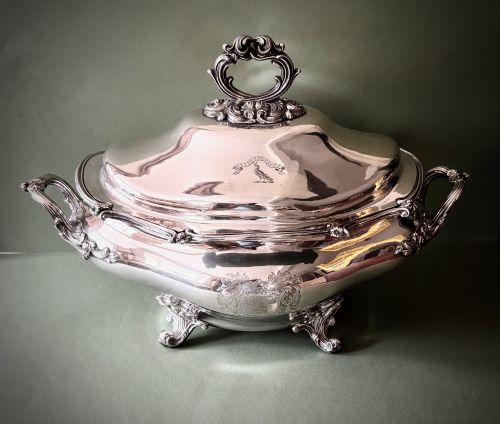
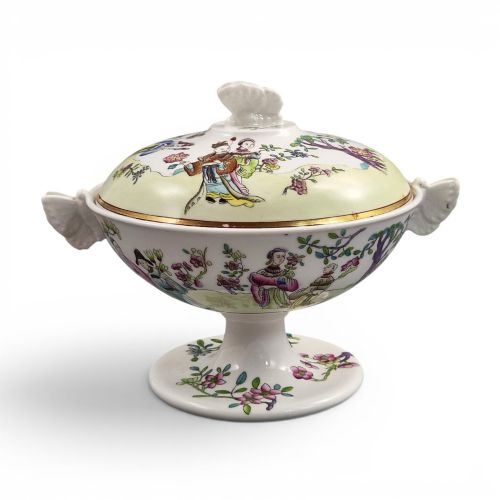
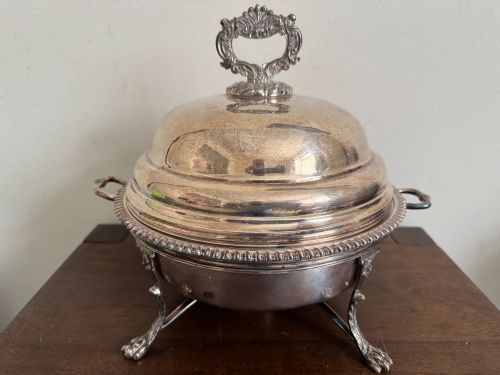
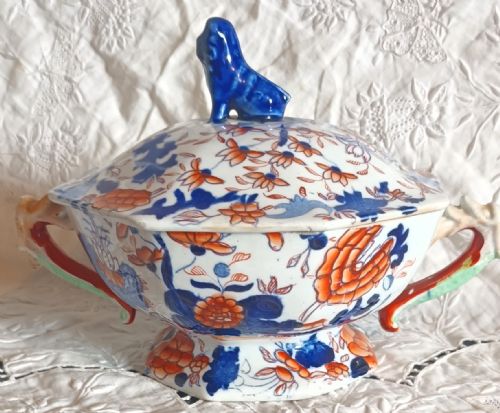
A georgian covered vegetable dish brings heavy silver plate, ironstone transferprint and fine porcelain to the dining table with genuine period presence.
Georgian Covered Vegetable Dish
A georgian covered vegetable dish is a lidded vessel designed to keep dining table sides warm during formal meals. These pieces emerge primarily from the Georgian, Regency and early nineteenth-century periods.
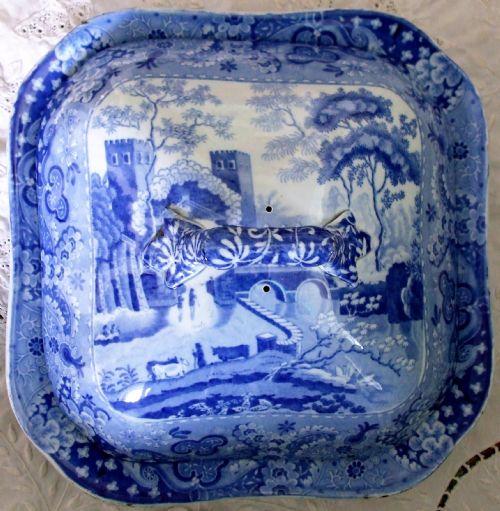
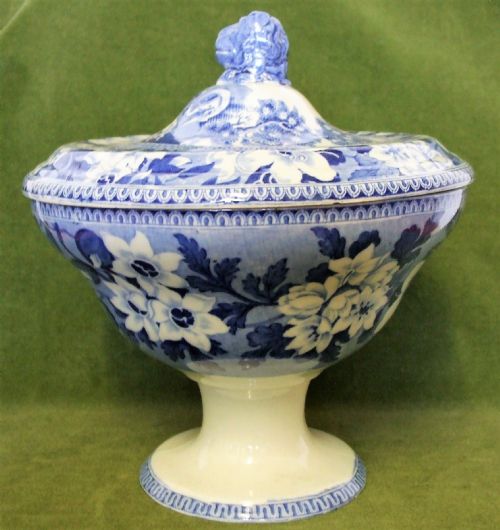
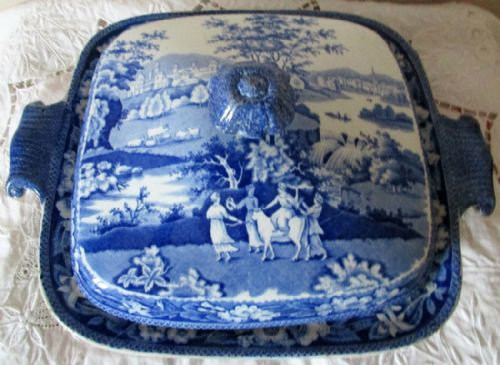
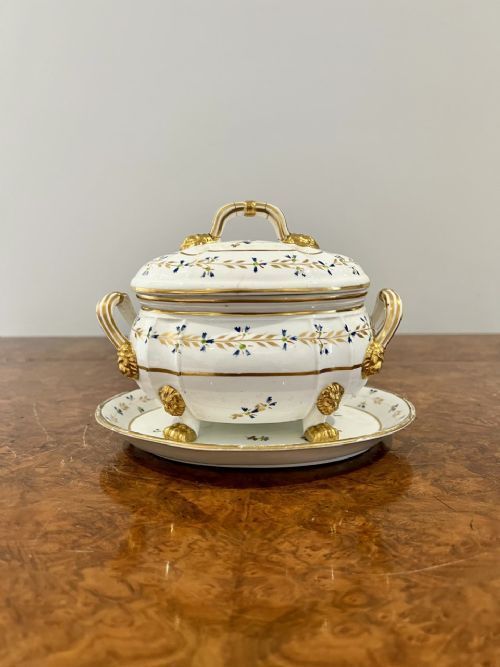
The forms on this page range from heavy silver-plated entree dishes and supper sets to earthenware pottery, ironstone tureens and porcelain sauce vessels. Many examples arrive decorated with transferprint patterns, gilt handles or hand-painted Chinoiserie motifs.
Materials and construction
Makers utilised durable ironstone, refined porcelain and heavy Old Sheffield Plate to construct these serving vessels. Silver and silver plate required skilled smiths to shape copper bases and solder decorative mounts, while ceramic pieces relied on moulded earthenware bodies finished with transfer-printed or hand-applied glazes.
Handles, finials and feet were cast separately and attached firmly to bodies and covers, ensuring structural balance during service.
The evidence records regional pottery transfer patterns depicting castles, exotic animals and classic European scenes.
Judging quality in domestic silver and ceramics
Quality rests upon the crispness of the modelled detail, the depth of the silver plating over copper, and the clarity of transfer-printed scenes. Pieces retaining original matching covers, clear maker marks and intact gilding represent the higher tier of surviving examples.
Wear patterns reveal genuine age, but heavier manufacturing precision distinguishes standard utilitarian vessels from exhibition-grade works produced by prominent porcelain manufactories and silversmiths.
J. & R. Clews·John Rogers & Son·John and Richard Riley·Crown Derby·Flight Barr & Barr·William Grundy·Matthew Linwood·Cresswick·Coalbrookdale
The Georgian Covered Vegetable Dish Glossary
- Ironstone
- A dense, heavy pottery patented to withstand robust daily use while accepting bright enamel and transfer-printed decoration. It bridges the gap between refined porcelain and porous earthenware.
- Old Sheffield Plate
- A composite material formed by fusing a thin sheet of sterling silver onto a thicker copper base. This technique creates durable tableware with the visual appeal of solid silver.
- Transferware
- Earthenware or porcelain decorated by applying a copperplate engraving design onto the ceramic body via tissue paper. This method allowed intricate blue and white patterns to be reproduced consistently.
- Tureen
- A deep covered bowl utilised for serving soups, sauces or vegetables at the dining table. It typically includes handles for lifting and a matching fitted lid.
- Supper Dish
- A multi-compartment serving vessel, often incorporating a lampstand or warming compartment beneath. These pieces kept entire meals warm during extended evening dining.
Georgian Covered Vegetable Dish: Frequently Asked Questions
How do I care for Old Sheffield Plate?
Old Sheffield Plate consists of a thin layer of silver fused over copper, meaning aggressive cleaning can expose the base metal underneath. Gentle washing with warm soapy water and soft cloths preserves the remaining silver surface.
Polishing should occur infrequently using non-abrasive silver creams to maintain the soft historic sheen without stripping the plate.
What does Chinoiserie mean on pottery?
Chinoiserie describes European interpretations of Chinese artistic styles, popular on ceramics during the Georgian era. These patterns feature imaginary landscapes, pagodas, exotic birds and figures in traditional costume.
Potters applied these designs using blue and white transfer printing or hand-painted enamel colours on ironstone and porcelain bodies.
How do I date a piece of transferware?
Dating transfer-printed pottery involves examining the ceramic body, the ceramic mark underneath, and the specific pattern style. Earlier Georgian examples often feature earthenware bodies with soft blue transfer prints and impressed factory marks.
Comparative study of maker registries and recorded pattern names helps narrow down the production decade.
Can these dishes still be used for serving food?
Many ceramic and silver-plated serving vessels remain structurally sound for modern table use. However, crazed pottery glazes or worn silver plate require careful hand washing rather than immersion or machine cleaning.
Evaluating the interior condition of each piece helps determine whether it suits active dining or display purposes.