
Georgian Country Oak Chest
A Georgian country oak chest offers robust domestic storage grounded in provincial craftsmanship and vernacular character.
Georgian Country Oak Chest
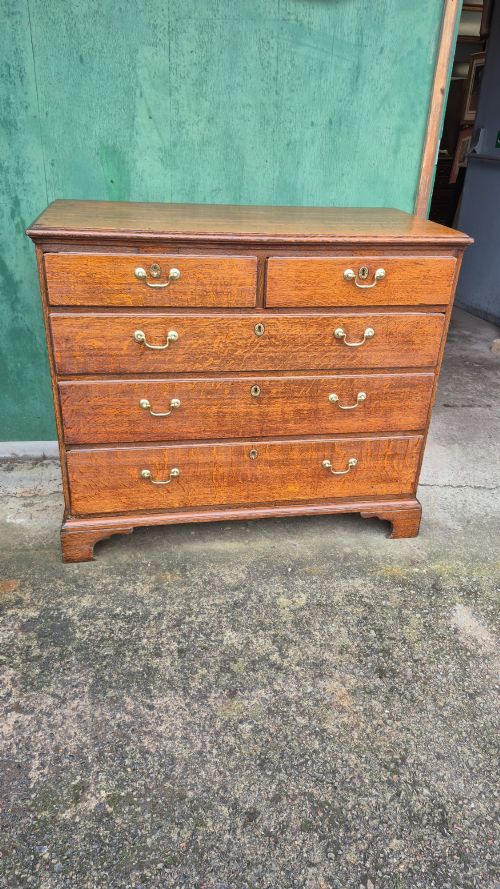
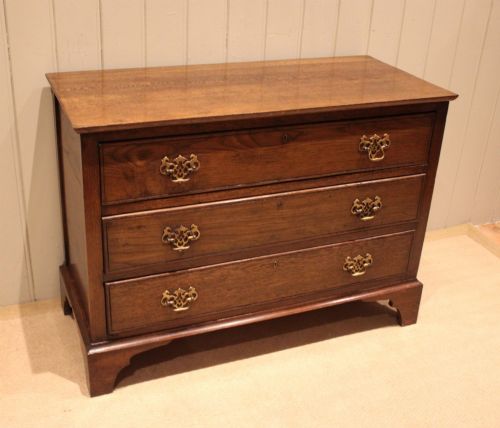
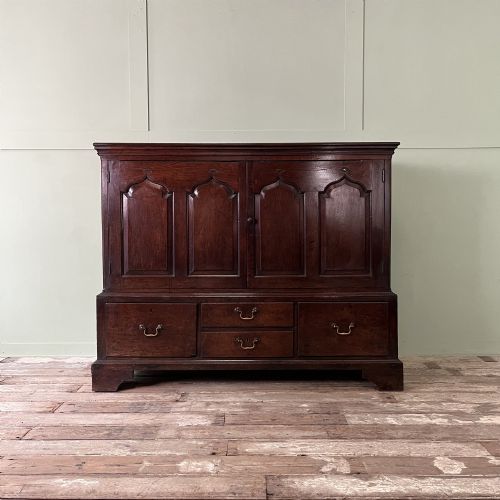
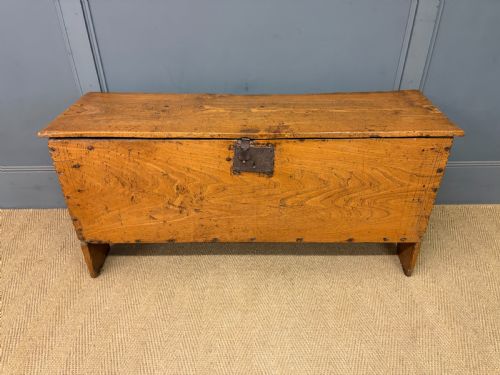
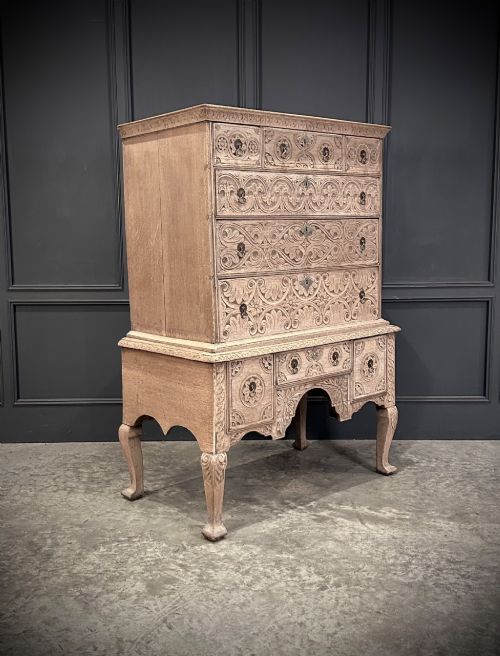
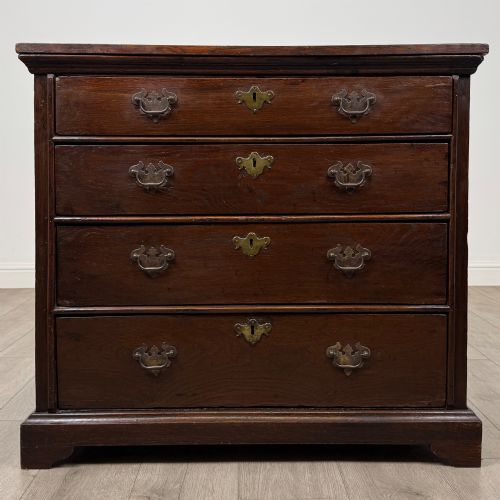
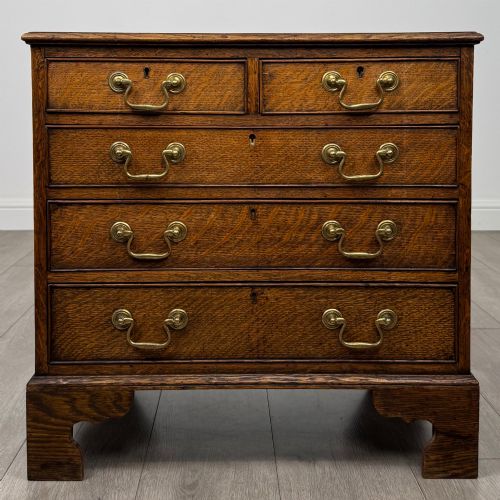
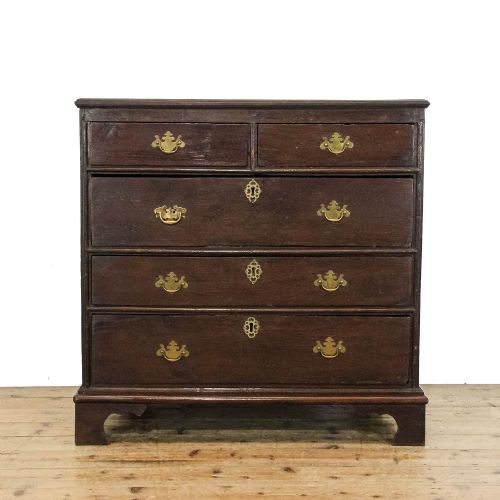
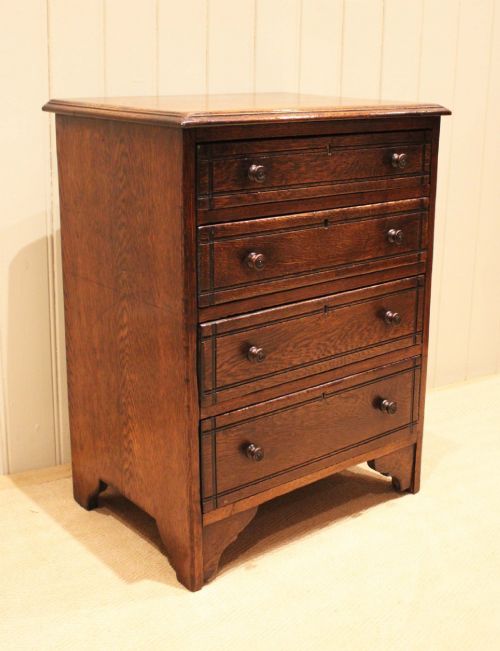
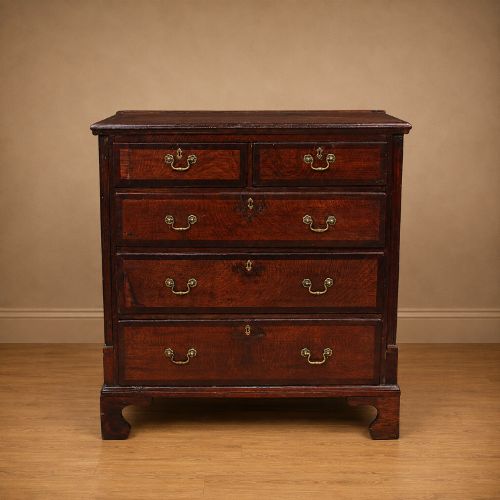
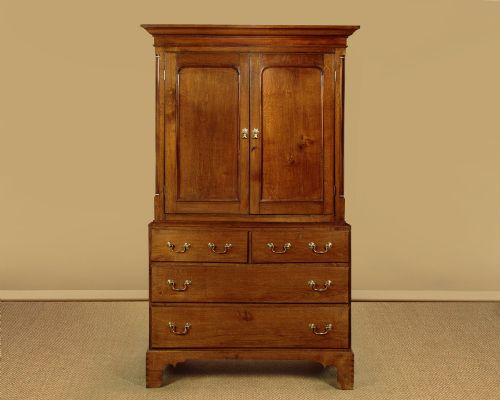
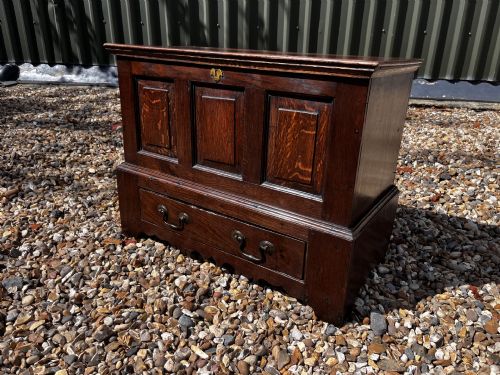
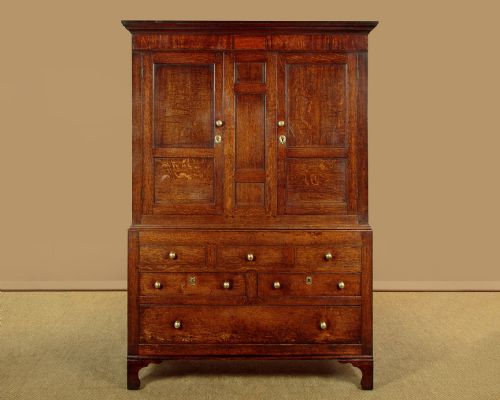
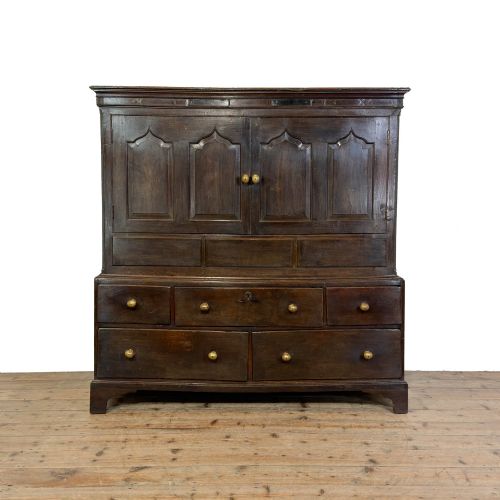
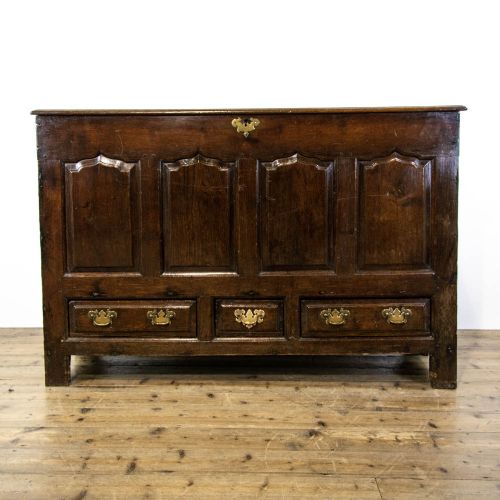
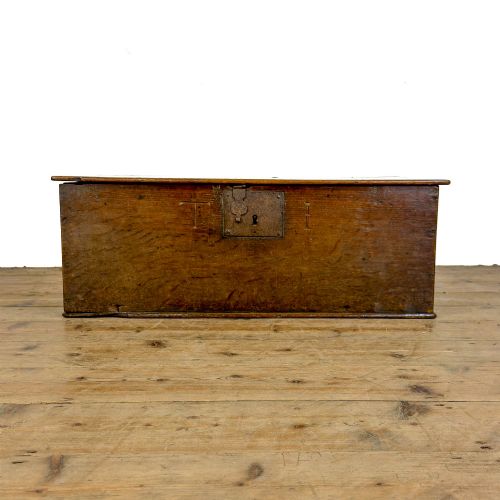
When you search for a georgian country oak chest, you encounter sturdy drawer units, mules, and coffers made in provincial workshops. These items served everyday domestic storage needs in rural households, country houses, and Welsh vernacular settings. The pieces range from straightforward small chests of drawers to tallboys, presses, and mule chests.
You are most likely to meet standard drawer chests dated to the eighteenth and early nineteenth centuries. Many examples display regional British characteristics, particularly from Welsh and English provincial makers who relied on local timber. Some pieces incorporate secondary woods such as elm, pine, and mahogany crossbanding.
The selection also encompasses related forms like coffers, chests on stand, and housekeepers cupboards. These functional items reflect the pragmatic requirements of period domestic life without metropolitan ornamentation.
What Varies in Quality
Timber selection dictates the visual appeal of a piece, with figured oak or well-matched grain setting finer examples apart from plain boards. The depth of colour and surface patina acquired over centuries strongly influence the desirability of a chest.
Proportion and construction integrity define the hierarchy among these pieces, separating straightforward utility items from exceptionally balanced provincial designs. Subtle details such as crossbanding, drawer arrangement, and original brass or iron hardware elevate certain examples.
Some small Welsh coffers were lovingly constructed as miniature training pieces by ambitious apprentices before tackling full-sized furniture.
The Georgian Country Oak Chest Glossary
- Crossbanding
- A decorative technique where a thin band of veneer, often mahogany, is applied across the grain direction around the drawer perimeters. This border adds subtle visual contrast to the primary oak surface.
- Mule chest
- A storage form combining a coffer box base with one or two functional drawers fitted beneath the main compartment. This hybrid design bridged the gap between traditional blanket boxes and modern drawer units.
- Coffer bach
- A small Welsh coffer traditionally constructed for domestic use or as a presentation piece. These diminutive boxes often feature fine panel detail and pegged joints.
- Chest on chest
- A tall storage unit comprising two separate sections, with a smaller chest stacked directly on top of a wider base. This configuration maximises vertical capacity without requiring a larger floor footprint.
- Peg joined
- A construction method utilising wooden dowels rather than metal fasteners to secure frame joints. This traditional technique accommodates seasonal wood movement.
Georgian Country Oak Chest: Frequently Asked Questions
How do I date a country oak chest?
Dating relies on examining construction methods, timber choices, and hardware styles. Peg joints and simple panel work typically indicate earlier eighteenth-century origins, while later pieces often incorporate machine-sawn elements.
Secondary woods and drawer lining materials also offer clues to the period of manufacture. Comparing proportions with documented regional pieces helps narrow down the decade.
How do I care for antique oak?
Antique oak benefits from stable environmental conditions away from direct heat sources and sudden humidity fluctuations. Maintaining consistent room temperature preserves the timber and prevents the panels from splitting.
Applying a traditional beeswax polish occasionally helps nourish the surface and maintain the historic patina. Avoid modern liquid cleaners that can strip the aged finish.
Where were these chests made?
These items were produced in provincial workshops across England and Wales by local joiners and cabinetmakers. Regional preferences often dictated construction traits, such as distinct panel carving or specific secondary timber combinations.
Rural makers relied on locally sourced oak and elm, giving each piece a distinct geographical character. This domestic production contrasted with urban workshop output.
What is a coffer bach?
A coffer bach is a small Welsh box featuring a hinged lid and frequently a single drawer below. These miniature pieces served as valuable household storage or presentation gifts in Welsh communities.
Their diminutive scale and pegged construction make them desirable examples of vernacular cabinetmaking. Surviving pieces demonstrate the fine woodworking skills applied to smaller domestic objects.