









Georgian Cordial Glasses
Georgian cordial glasses are small drinking vessels from the eighteenth and early nineteenth centuries designed for strong liqueurs.
Georgian Cordial Glasses
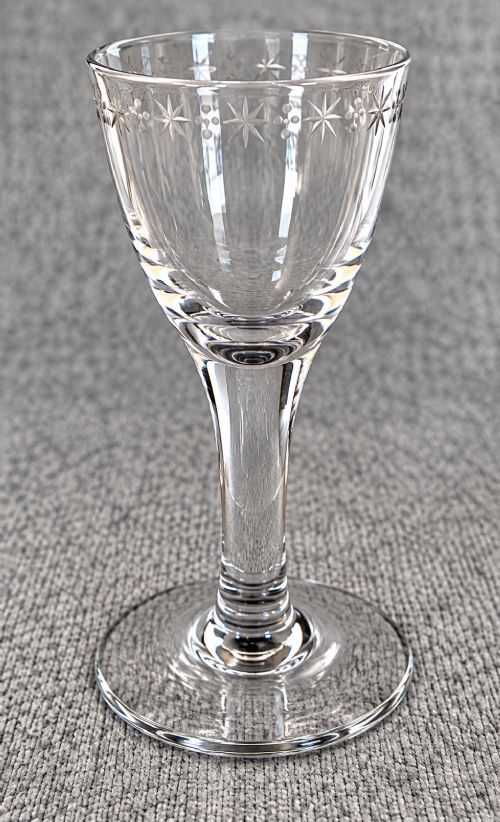
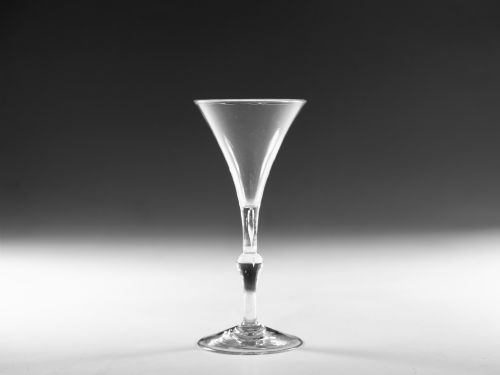
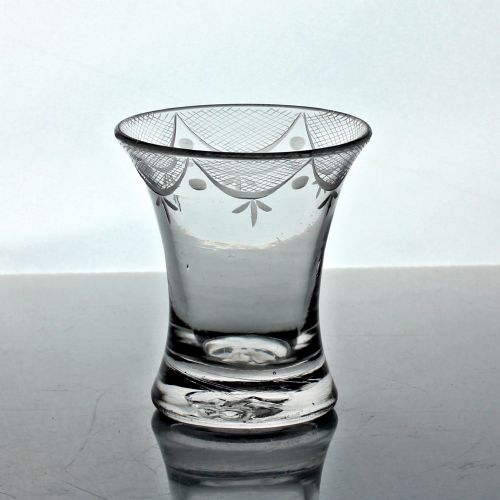
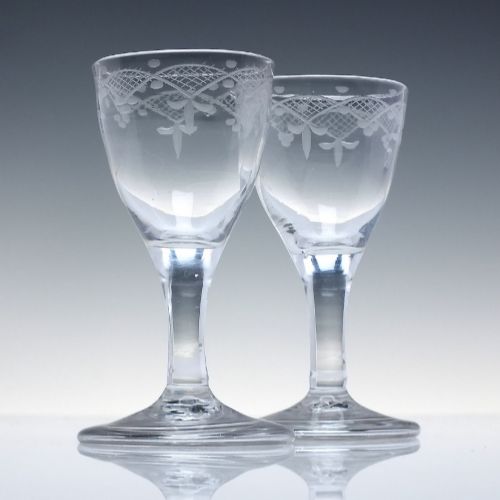
Georgian cordial glasses comprise small stemware items produced during the eighteenth and nineteenth centuries, including dram glasses, gin glasses, and ratafia glasses. These pieces served to hold potent spirits and liqueurs after dining.
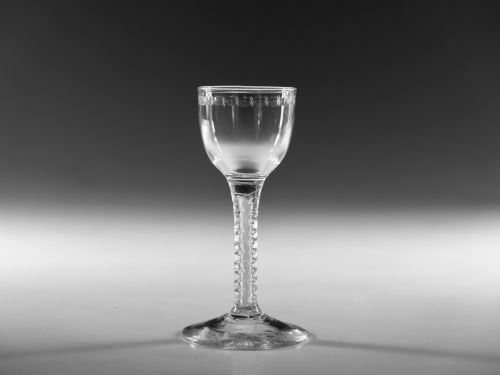
The items found here span the eighteenth century and the Regency period, showing forms such as baluster, balustroid, and facet-stemmed drinking glasses. Bowls feature engraving, rib moulding, or plain profiles above various stem formations.
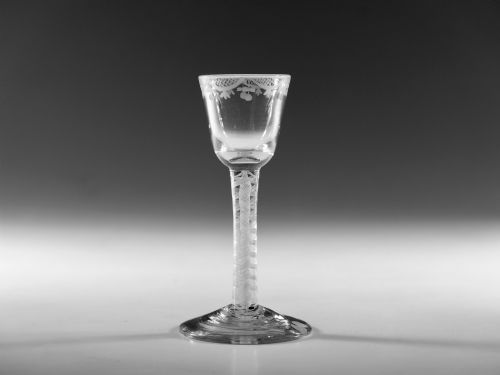
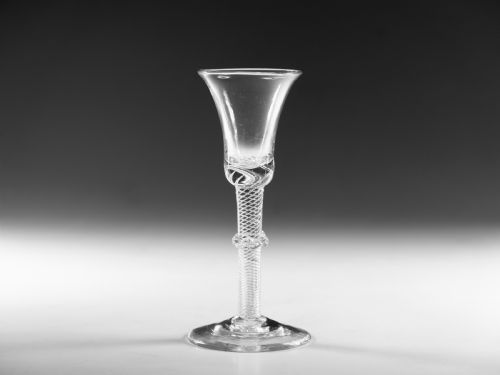
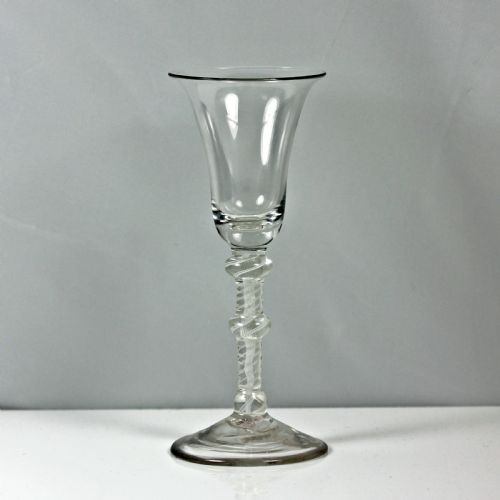
Buyers will encounter specific variations like air twists, opaque twists, and mercury twists alongside folded feet and basal bubbles. These historic vessels reflect the drinking customs of Georgian England through their distinct capacities and heights.
How they were made
These items rely upon lead glass, flint glass, and hand-blown glass formed while molten. Makers manipulated the metal to create air bubbles within twists or drew out the material to form slender stems.
Decoration involved wheel engraving and surface etching to apply swags, tails, and floral motifs to the bowls. Workers also utilised rib moulds to pattern the glass before final shaping and finishing.
Foot construction often incorporated a folded edge for added strength at the base, alongside facet cutting applied to stems and bowls during the later eighteenth century.
Georgian Cordial Glasses Retail Price Guide 2026
Typical asking prices for georgian cordial glasses among the pieces listed under this phrase on Sellingantiques today, from the lower quarter to the upper quarter. They describe what is for sale here now, not the wider market.
Listings span the eighteenth century and the Regency period, recording lead glass, flint glass, and enamel materials across various drinking glass forms.
What varies in quality
The refinement of the twist formations within the stem distinguishes standard examples from superior pieces, particularly in double series opaque twists and complex air twists. The clarity of the lead crystal and the sharpness of facet cutting also separate grades of manufacture.
Proportion and balance across the foot, stem, and bowl dictate the aesthetic success of each vessel. Early baluster forms demonstrate weight and substance, whereas later pieces rely on delicate engraving or intricate stem structures.
The Georgian Cordial Glasses Glossary
- Air twist
- A stem formation containing elongated spiral channels of trapped air inside the glass. This technique creates a delicate internal pattern within eighteenth-century stemware.
- Baluster
- A heavy, thick stem style featuring knops that recall architectural pillars. These sturdy supports typify early eighteenth-century drinking vessels.
- Opaque twist
- A stem enclosing fine white enamel threads twisted into spiral patterns. Makers produced single and double series variations during the Georgian era.
- Folded foot
- A base edge turned underneath during manufacture to create a rounded rim. This method added durability to fragile drinking glasses.
- Ratafia glass
- A tall, narrow drinking vessel designed for sweet fruit liqueurs. The bowl shape suited the small quantities consumed of these potent drinks.
Georgian Cordial Glasses: Frequently Asked Questions
What is a cordial glass?
A cordial glass is a small historic drinking vessel designed for holding concentrated liqueurs or spirits. Their restricted bowl capacities suited the strong drinks served at the end of meals.
These pieces feature various stem types, including plain stems, balusters, and intricate glass twists. Their compact size differentiates them from standard wine glasses of the same period.
How do air twists differ from opaque twists?
Air twists contain spiral threads of trapped air enclosed within the clear glass stem. They produce a subtle, transparent internal pattern.
Opaque twists incorporate white enamel threads running through the stem material. These offer a bolder, more visible contrast against the clear metal of the glass.
What is a dram glass?
A dram glass is a small drinking vessel intended for a single measure of spirits like whisky or gin. They appear frequently among eighteenth-century glassware.
Many examples feature heavy lead glass construction, rib moulding, or folded feet for stability. Their robust build suited frequent use in taverns and domestic settings.
Why do some glasses have folded feet?
Makers folded the bottom edge of the foot underneath during shaping to reinforce the outer rim. This technique protected vulnerable edges from chipping during daily handling.
Folded feet appear frequently on early eighteenth-century stemware and dram glasses. They provide a tactile indicator of early manufacturing methods.