
Georgian Console Table with Drawers
A georgian console table with drawers brings architectural balance and practical storage to an entrance hall or living space.
Georgian Console Table with Drawers
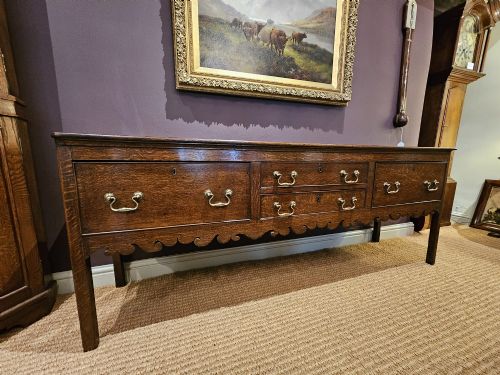
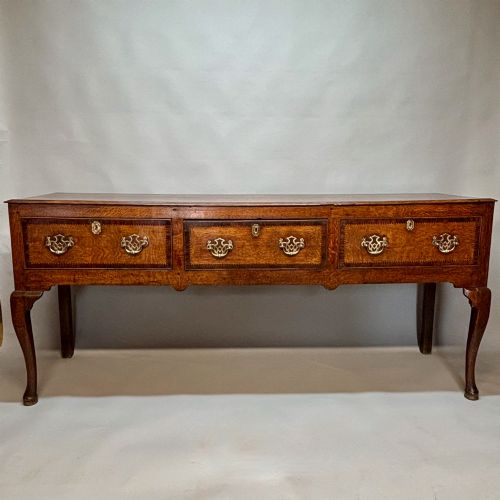
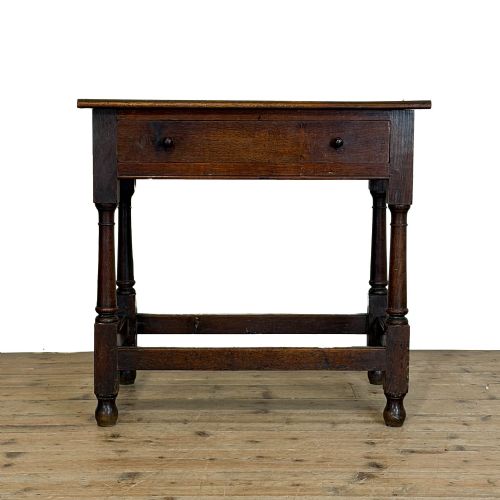
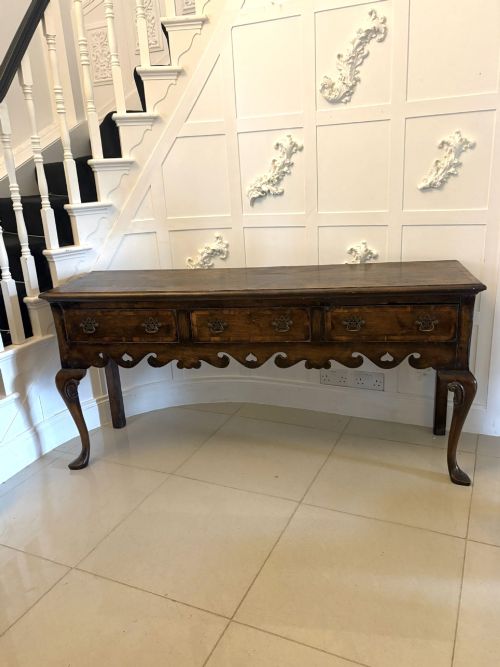
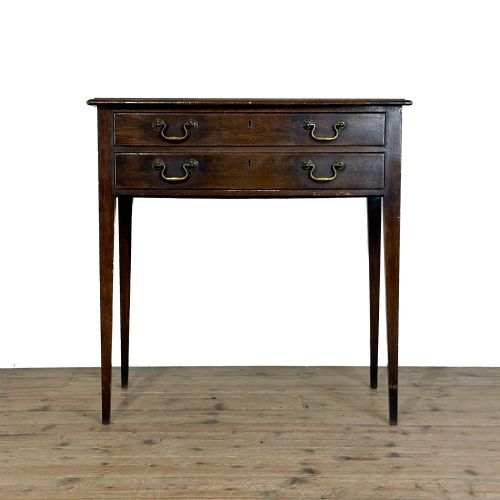
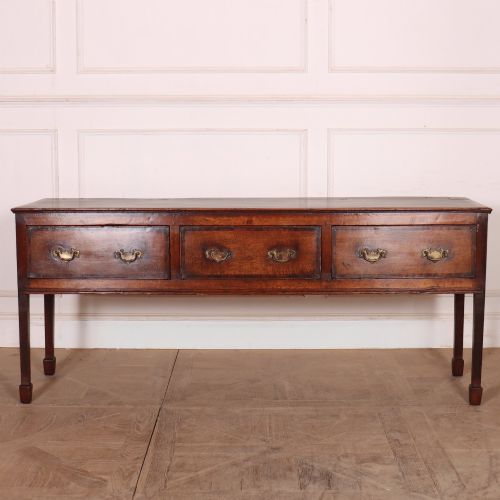
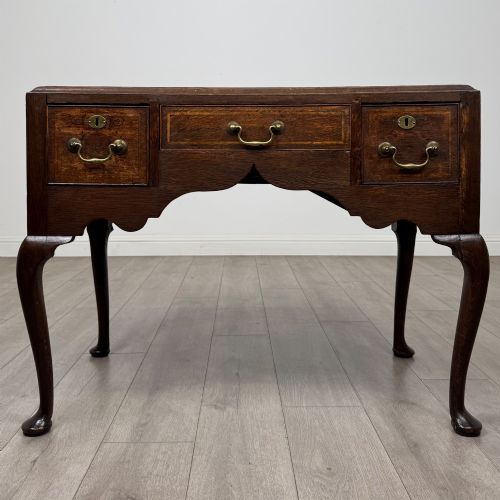
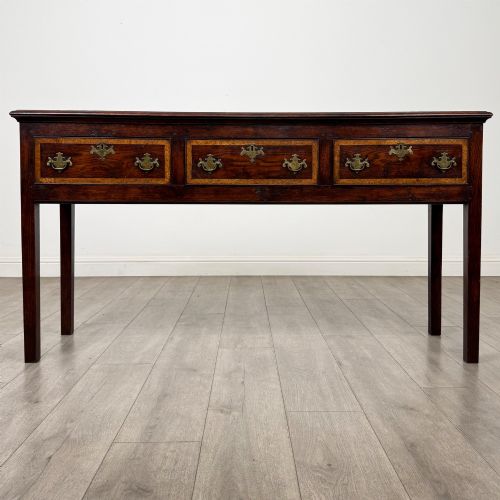
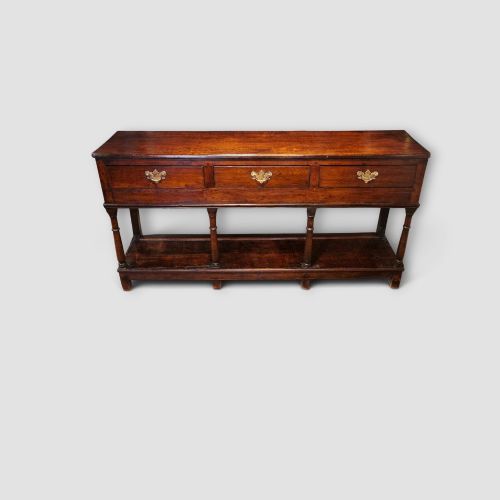
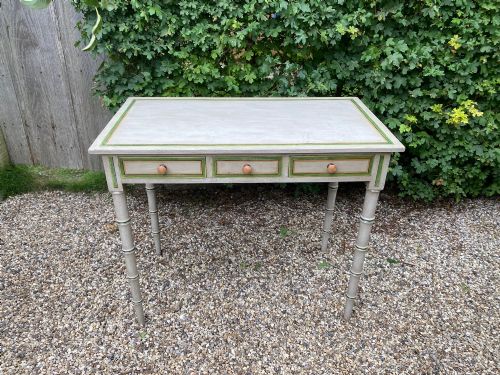
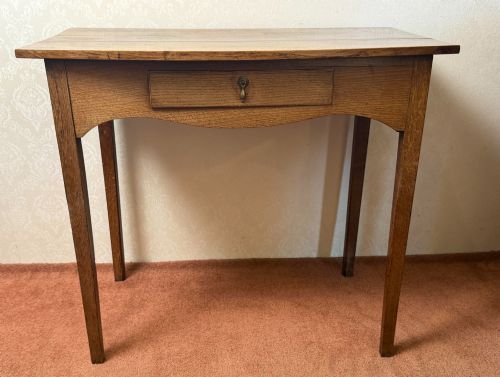
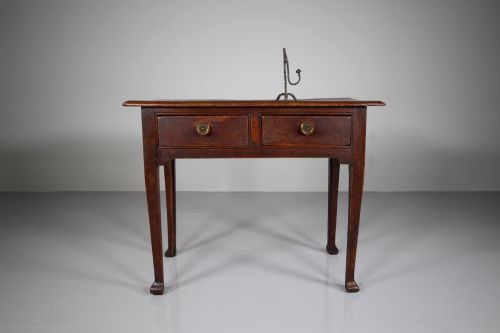
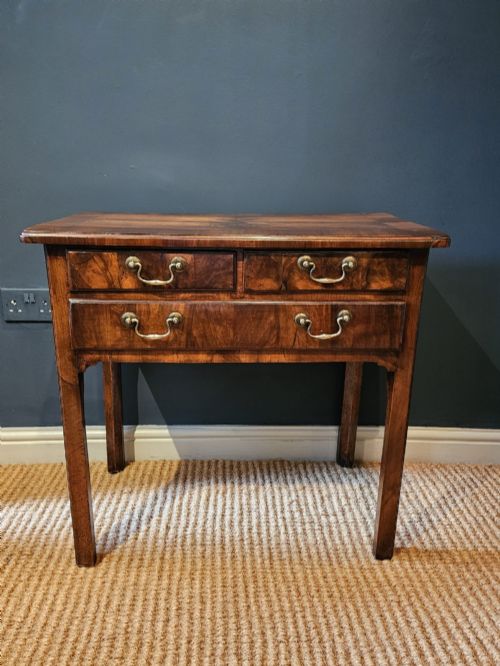
A georgian console table with drawers encompasses side tables, lowboys, and serving tables fitted with storage from the eighteenth and nineteenth centuries. These pieces combine flat top surfaces with fitted single or multiple drawers beneath, serving diverse domestic functions.
The versions most commonly met on this page span the Georgian and Regency periods, alongside later revival pieces. Oak and mahogany predominate as materials, often built with simple side table or dresser base forms.
Materials and construction
Cabinet makers utilised dense hardwoods like mahogany, oak, walnut, and rosewood for structural durability and polished surfaces. Secondary timbers appear within drawer linings, while brass handles, keyplates, and occasional inlay provide contrast.
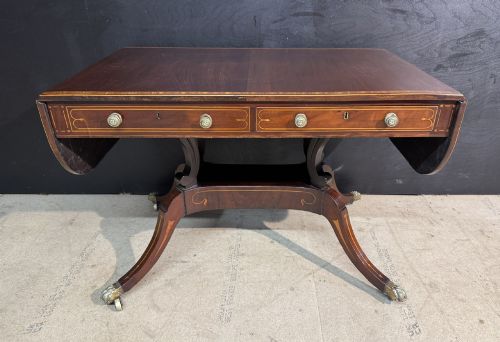
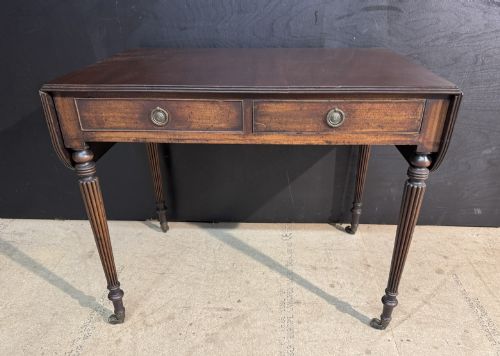
Joinery methods include framed drawer construction, sometimes supplemented by turned legs, barley twist supports, or bracket feet. Certain examples incorporate specialised actions like concertina frames or drop leaves.
Some tables hide keys in silver drawers, proving that even eighteenth-century furniture came with a locking mechanism for valuables.
Distinctions in quality
Quality rests upon the selection of timber figures, such as burr walnut or figured elm, and the crispness of carved details like Gothic pierced brackets. Superior examples show refined proportions and harmonious grain matching across the top and drawer fronts.
Construction integrity distinguishes workshop output, seen in tight joints, original brass hardware, and clean interior drawer construction without modern replacements. Finer pieces demonstrate considered design touches like feather banding or geometric hand-painting.
The Georgian Console Table with Drawers Glossary
- Console table
- A table designed to stand against a wall, traditionally supported by brackets or legs. These forms offer a narrow footprint suitable for hallways.
- Lowboy
- A small table with one or more drawers, originating in the early eighteenth century as a dressing or side table. They typically feature cabriole or straight legs.
- Sofa table
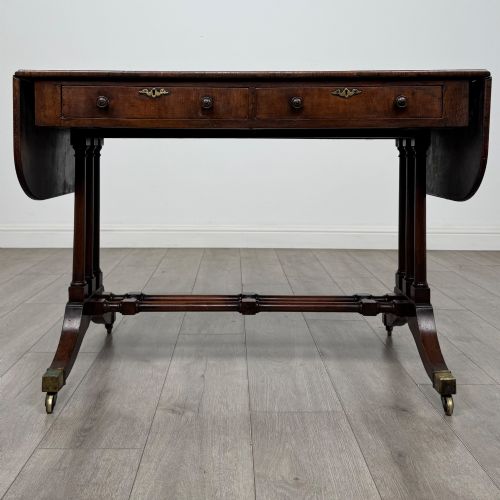
- A rectangular table designed to stand in front of a sofa, usually featuring drop leaves and twin drawers. Regency examples often incorporate stretcher bases and brass inlay.
- Dresser base
- A low wooden sideboard fitted with drawers, originating from country houses. They provide substantial surface space and deep storage drawers.
- Feather banding
- An inlay technique using veneer strips arranged in a herringbone pattern around drawer edges. This decorative border frames the wood grain.
Georgian Console Table with Drawers: Frequently Asked Questions
Where do I put a console table?
These tables suit narrow circulation spaces like hallways, entrance passages, or landings where floor space is limited. They also function well against living room walls beneath mirrors or artwork.
The shallow depth allows placement behind sofas or in dining rooms as a serving surface during meals.
How do I date a Georgian table?
Dating relies on timber selection, leg profiles, and construction methods visible in the drawer framing. Mahogany largely superseded oak as the preferred cabinet timber over the course of the eighteenth century.
Leg styles transition from early cabriole shapes to straight square supports and later turned or barley twist variations.
Can I use these tables for writing?
Many examples on this page double as writing or side desks due to comfortable working heights and knee clearances beneath the drawers. Tables listed as writing tables or lowboys specifically served this administrative purpose.
Fitted drawers provide storage for writing materials, paper, and small desk accessories.
What is the difference between a lowboy and a side table?
A lowboy specifically refers to a low table with one, two, or three drawers, frequently associated with early eighteenth-century craftsmanship and cabriole legs. Side tables cover a broader category of rectangular furniture.
Side tables can span varying heights, leg styles, and periods without the specific proportions of a traditional lowboy.