


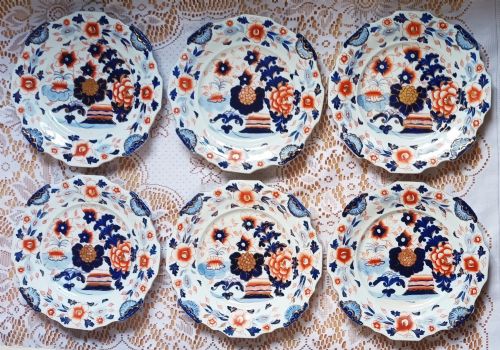


Georgian Cobalt Blue Plate
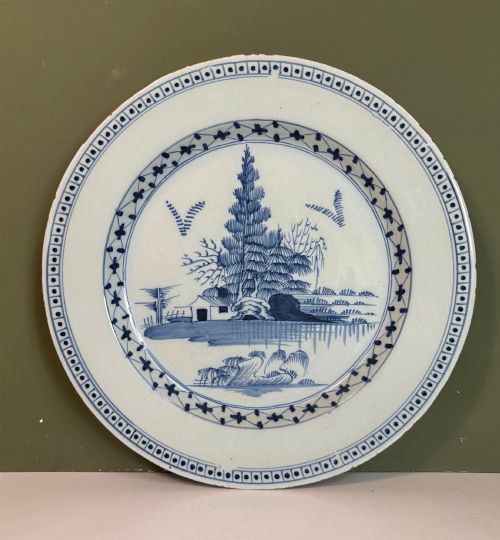
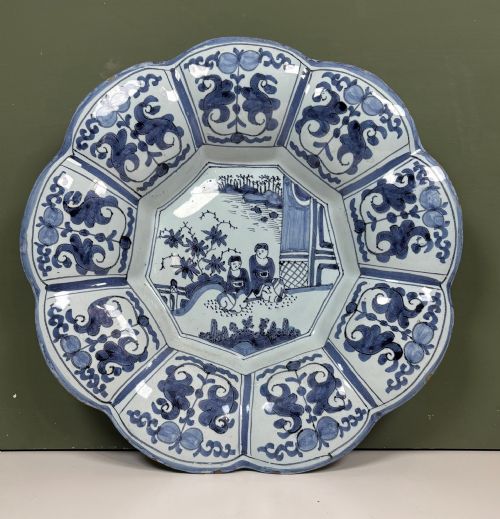
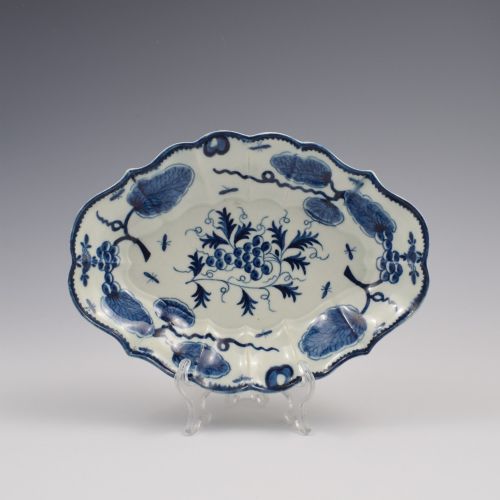
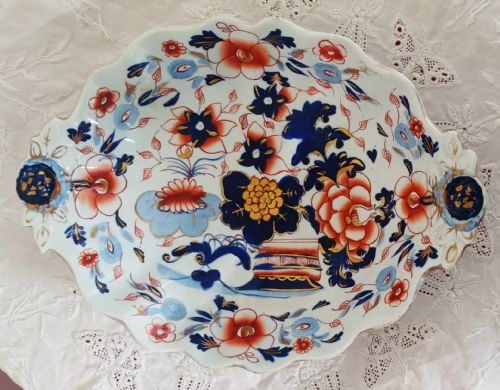
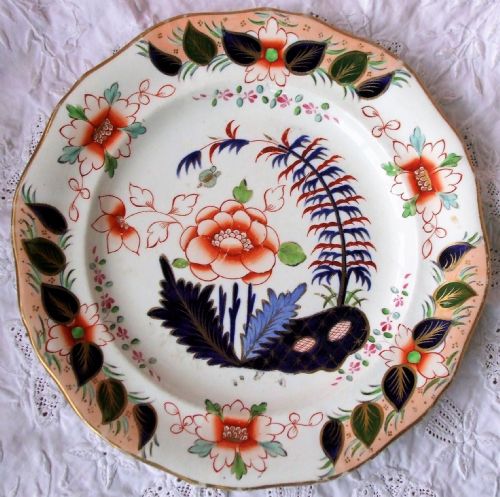
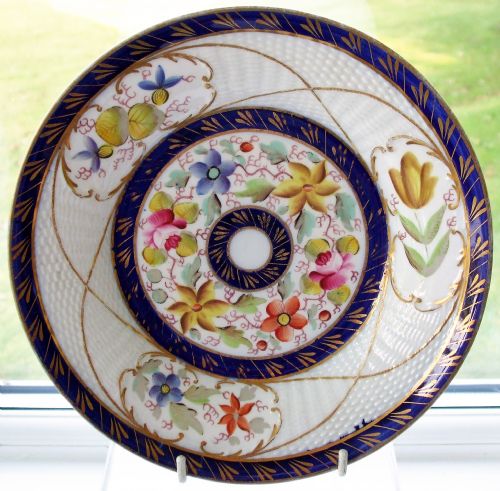
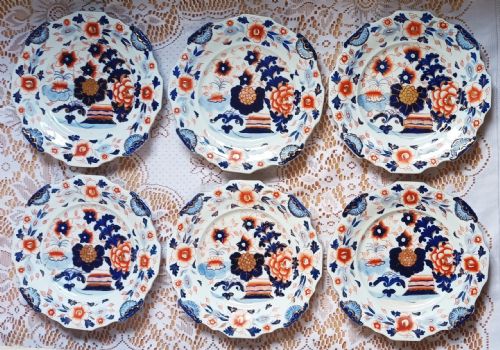
A georgian cobalt blue plate brings deep indigo pigment and hand-painted or transfer-printed decoration to the table.
Georgian Cobalt Blue Plate
A georgian cobalt blue plate encompasses earthenware, porcelain, and tin-glazed vessels designed for display and dining.
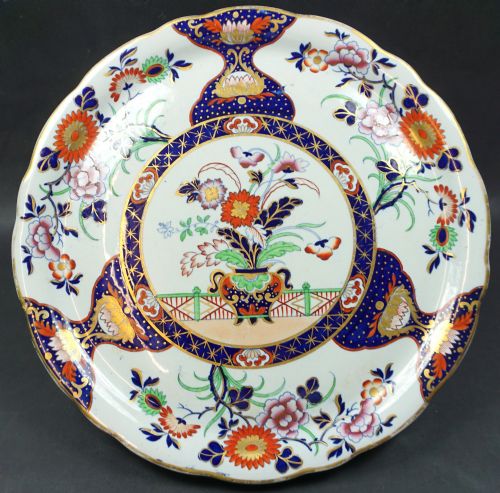
Makers utilised earthenware, ironstone, and delicate porcelain bodies decorated with cobalt pigment in patterns ranging from Chinoiserie to botanical studies.
How they were made
Potters applied cobalt pigment beneath or over the glaze before firing the ceramic body at high temperatures to achieve deep blue tones.
Tin glaze provided an opaque white surface for hand-painting on early earthenware chargers, whilst later factories adopted transfer printing for consistent detail.
Forms include cabinet plates, chargers, and botanical serving dishes decorated with cobalt pigment.
What varies in quality
Depth and clarity of the cobalt pigment separate standard earthenwares from finely painted porcelains.
Precision in the transfer-printed lines or brushwork dictates the overall refinement of each plate.
Hicks and Meigh·John Davenport of Longport·New Hall·Chamberlain Worcester·Coalport·Mason·Barr Flight Barr·Stubbs·Thomas Lakin·Brameld and Co·Don Pottery
The Georgian Cobalt Blue Plate Glossary
- Tin Glaze
- A lead glaze made white and opaque with tin oxide, used on early earthenware vessels.
- Transfer Printing
- A method of applying a printed design to pottery from a copperplate via tissue paper.
- Ironstone
- A heavy, durable type of earthenware patented in the nineteenth century to rival porcelain.
- Charger
- A large decorative plate utilised for serving food or as a base for other dishes.
Georgian Cobalt Blue Plate: Frequently Asked Questions
Can I use these plates for dining?
Most antique plates function best as decorative display pieces rather than for daily meals due to their age and delicate glazes.
Earthenware and soft-paste porcelains from the Georgian period can be fragile when subjected to modern cutlery and dishwashers.
How do I date a blue and white plate?
Dating relies on identifying the ceramic body type, maker's marks, and stylistic clues such as Chinoiserie motifs or transfer-printed borders.
Earlier eighteenth-century pieces typically feature tin glaze and hand-painting, whilst nineteenth-century examples often utilise ironstone and transfer printing.
What is the difference between a plate and a charger?
Chargers are significantly larger vessels, often measuring over twelve inches in diameter, and were historically used for ceremonial service or table display.
Standard plates are smaller and intended for individual portions or dessert service.
How should I display a cabinet plate?
Cabinets plates are best showcased using stable wall hangers lined with protective material or dedicated plate stands inside enclosed furniture.
Keep them away from direct sunlight to preserve the vibrancy of the cobalt pigment over time.