


Gilded Floral Porcelain Plate
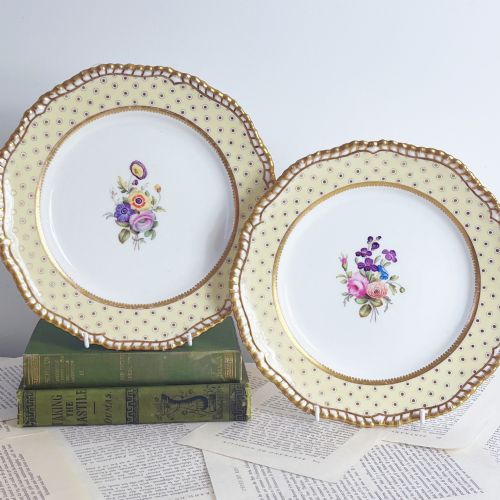
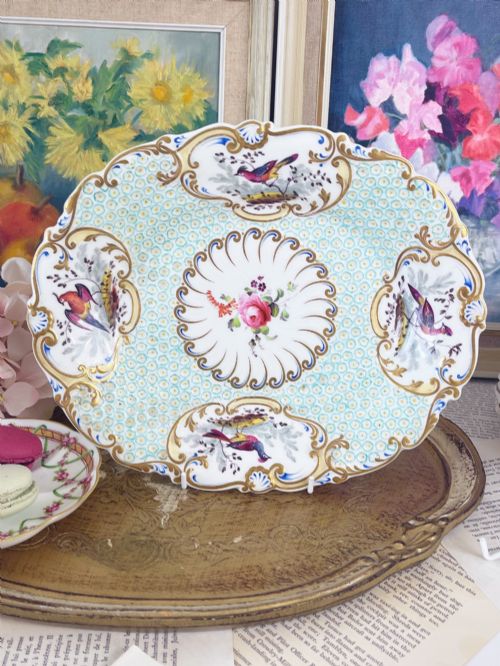
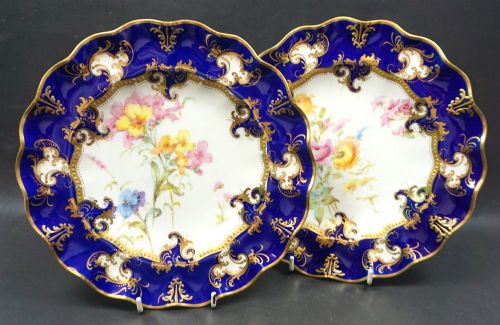
These gilded floral porcelain plate selections offer an array of hand-painted botanical designs and gleaming metallic borders spanning multiple centuries of ceramic artistry.
Gilded Floral Porcelain Plate
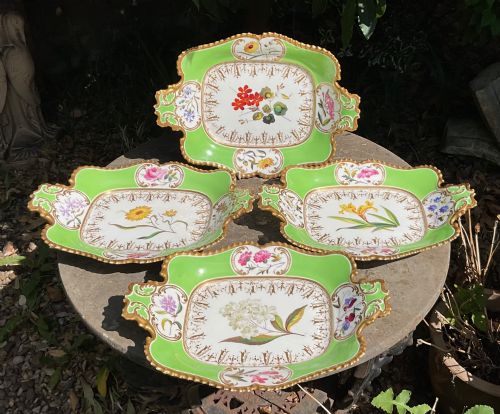
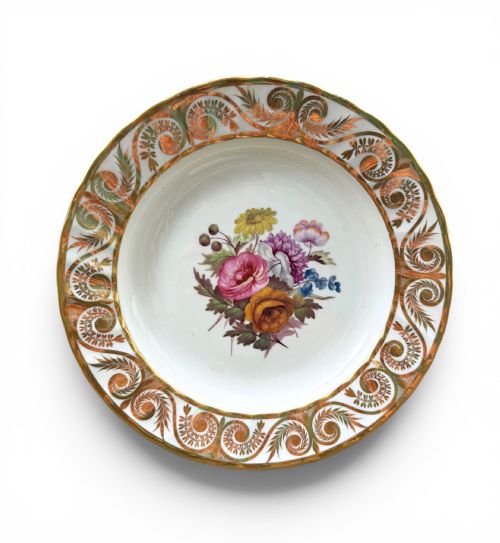
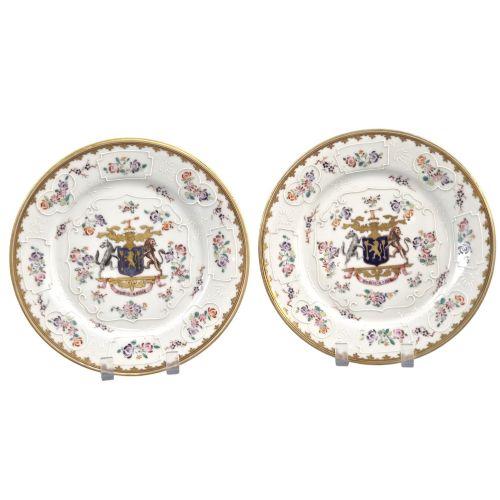
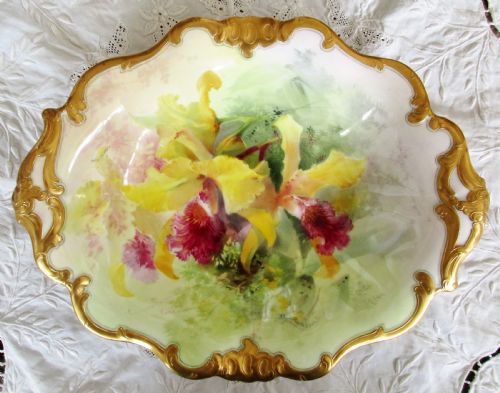
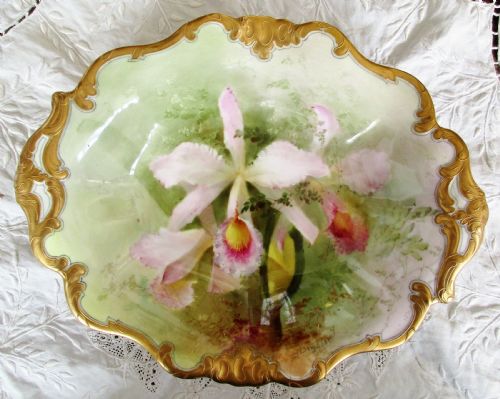
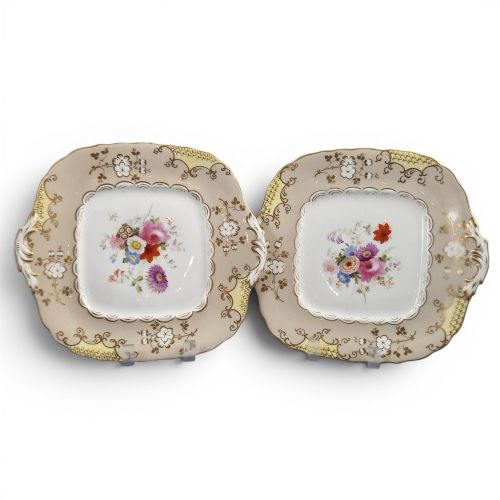
A gilded floral porcelain plate brings together painted botanical scenes and metallic decoration, appearing in forms such as cabinet plates, dessert dishes, and large chargers. These pieces emerge from periods spanning the Regency era, the Victorian epoch, and into the early twentieth century.
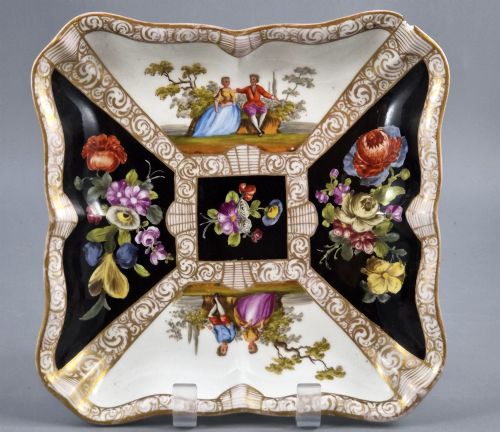
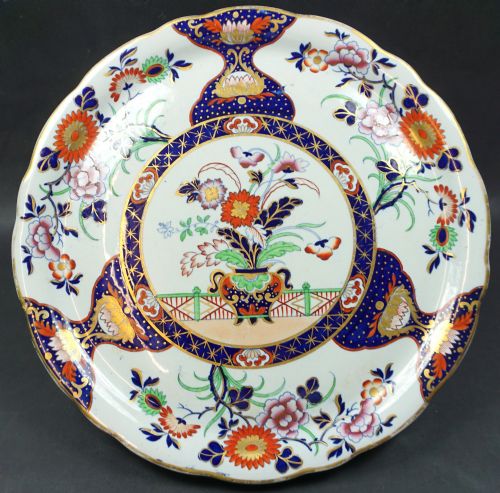
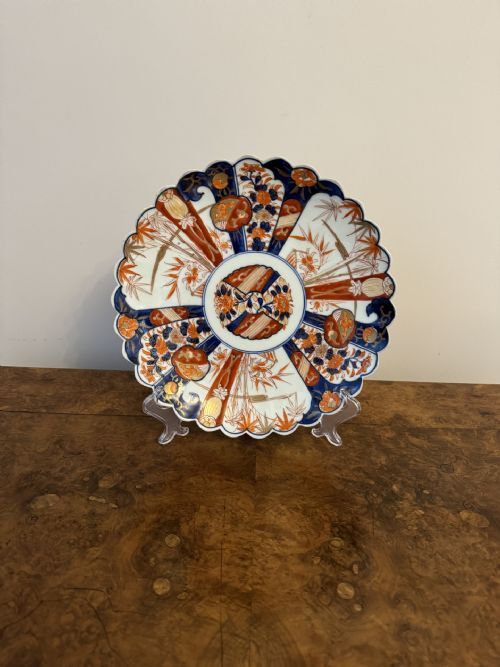
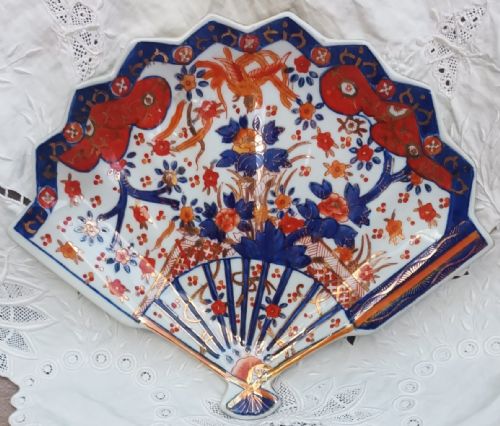
Makers across England, continental Europe, and Japan contributed to this tradition, producing items ranging from square serving dishes to scalloped edge plates. Buyers frequently encounter nineteenth-century English manufactories alongside Japanese Imari wares featuring floral and bird motifs.
How They Were Made
Potters shaped ceramic, porcelain, and bone china bodies before applying enamel paints and hand-painted details by brush. Artisans then integrated gold leaf, gilt, and gilding to accentuate rims, borders, and central floral compositions.
Firing techniques fixed the enamels and metallic layers onto the ceramic surface, allowing factories to achieve intricate polychrome designs alongside cobalt blues and bright iron reds.
Several botanical dishes carry historical collector attributions written neatly on the reverse in faded nineteenth-century ink.
What Varies in Quality
The precision and detail of the hand-painted brushwork dictate the visual standard of each piece, distinguishing simple factory output from master botanical illustration. Crispness in the application of the gilt or gold leaf further separates standard domestic wares from high-end cabinet pieces.
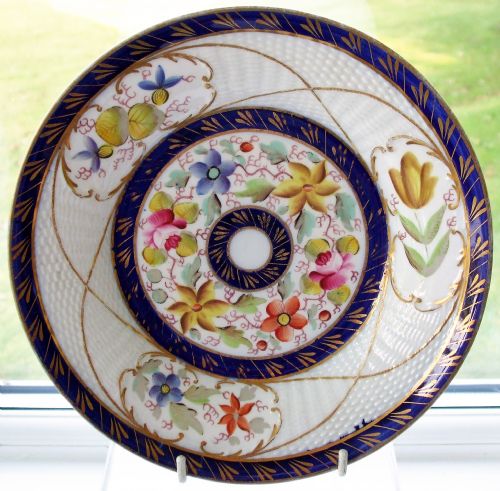
The clarity of the porcelain body and the complexity of moulded shapes, such as basketweave textures or scalloped edges, mark the distinction between everyday service items and prestigious commission work.
Spode Felspar·H & R Daniel·Meissen Porcelain·Royal Crown Derby·Chamberlains Worcester·Hicks & Meigh·Edmé Samson & Cie·Royal Doulton·Coalport·New Hall·Copeland·John Ridgway·Rockingham Pottery·Pucher Deroche·Carlton Ware·Paul Müller Selb·Minton·Royal Worcester
The Gilded Floral Porcelain Plate Glossary
- Cabinet plate
- A decorative ceramic piece made primarily for display in a cabinet or on a wall rather than for dining use. These items typically feature superior painted scenes and rich gilding.
- Charger
- A large decorative plate or dish used historically as a base for other courses or displayed centrally on a sideboard. They often measure significantly larger than standard dining plates.
- Gilding
- The application of gold leaf or powdered gold to the surface of porcelain to create metallic borders and highlights. This technique defines the bright rims seen on many decorative dishes.
- Imari
- A style of Japanese porcelain exported to the West, characterised by underglaze blue and iron red overglaze enamels, frequently enhanced with gold. Traditional motifs often include floral arrangements and birds.
- Bone china
- A type of soft-paste porcelain incorporating bone ash, yielding a strong, translucent white body suitable for intricate painting and gilding.
Gilded Floral Porcelain Plate: Frequently Asked Questions
What is a gilded floral porcelain plate?
A gilded floral porcelain plate is a ceramic dining or display piece adorned with painted flowers and metallic gold accents. These items range from simple dessert plates to elaborate cabinet pieces.
They reflect the artistic styles of their respective periods, combining fine ceramic manufacturing with meticulous hand-painted botanical artwork.
How were these decorative plates used historically?
Many of these items functioned as part of larger dessert services for wealthy households during formal dining occasions. Others served strictly as decorative cabinet plates meant to showcase fine artistry.
Larger chargers often acted as base dishes on sideboards or dining tables before evolving into pure display objects.
How do I care for antique porcelain?
Antique porcelain requires gentle hand washing in lukewarm water using mild detergent to protect delicate enamels and gilding. Avoid soaking pieces or placing them in modern dishwashers.
When displaying items on walls or in cabinets, ensure secure mountings that do not exert pressure on the edges of the ceramic.
How can I tell different periods apart?
Periods are identified through a combination of paste composition, ceramic body weight, painting style, and factory marks stamped or painted on the underside. Regency and early nineteenth-century pieces often display hand-pencilled pattern numbers and vibrant botanical studies.
Later Victorian and Edwardian examples frequently incorporate printed factory ciphers alongside heavier gilt borders and standardised shapes.