

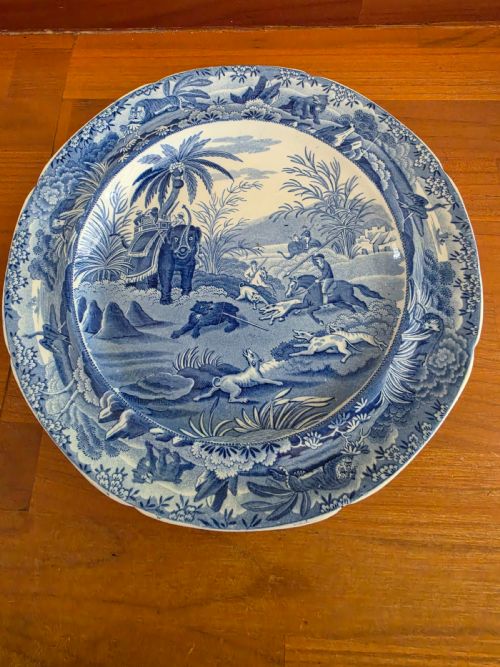


Regency Ceramic Display Dish
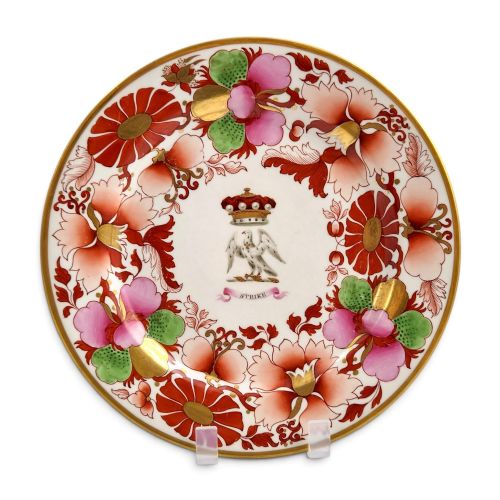
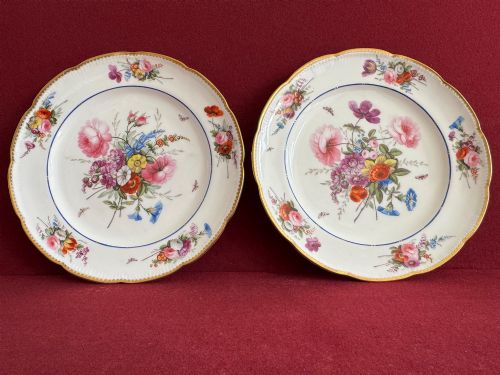
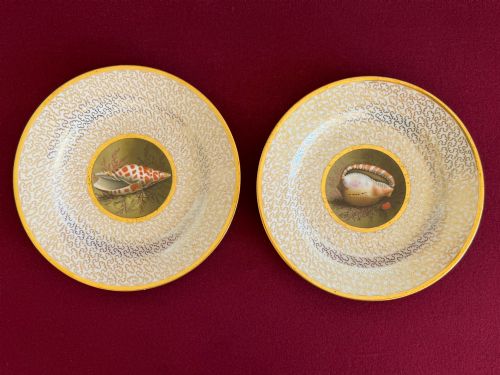
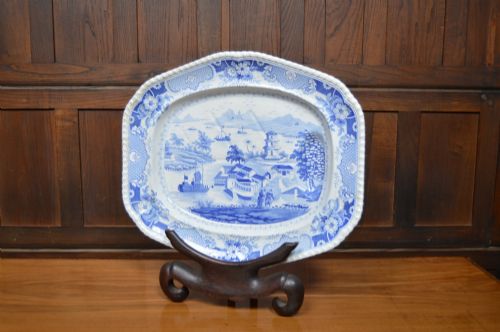
These regency ceramic display dish examples combine vibrant hand-painted motifs and Transferware designs, offering serious collectors a tangible piece of early nineteenth-century domestic artistry.
Regency Ceramic Display Dish
A regency ceramic display dish comprises decorative plates, cabinet plates, and serving dishes produced primarily during the Georgian, Regency, and Victorian periods. These items served both functional dining purposes and visual display within elite households.
The inventory on this page draws heavily from nineteenth-century English manufactories, showcasing forms ranging from botanical serving dishes to large chargers. Collectors encounter diverse object types, including oval serving platters and specialised dessert plates.
Makers represented in these listings span notable names from the era, capturing the transition from eighteenth-century aesthetic traditions into more ornate nineteenth-century styles. Each piece reflects the specific material choices and painting techniques characteristic of its origin.
Materials and manufacture
Potters utilised fine bone china, porcelain, and earthenware as the primary base materials for these items. Artisans shaped these bodies through traditional moulding and throwing techniques before applying preliminary glazes.
Decoration relied heavily on handpainted pigments and blue and white transferware printing. Workshops often enhanced these surfaces further by applying gold leaf and gilt detailing to borders and motifs.
Regency Ceramic Display Dish Retail Price Guide 2026
Typical asking prices for regency ceramic display dish among the pieces listed under this phrase on Sellingantiques today, from the lower quarter to the upper quarter. They describe what is for sale here now, not the wider market.
Listings feature 19th Century, Regency, Georgian, and Victorian periods, utilising materials like enamel, porcelain, gold leaf, gilt, earthenware, glaze, and bone china.
Distinctions in quality
Quality within these ceramic pieces rests largely on the precision and complexity of the painted or transferred decoration. Fine examples exhibit meticulous brushwork on botanical subjects, birds, or narrative scenes, executed by skilled studio hands rather than routine factory labour.
The integrity of the porcelain body and the crispness of the gilt or gold leaf application further separate standard production items from superior cabinet pieces. Preservation of the original glaze and the clarity of factory marks also heavily influence the standing of any given dish.
H and R Daniel·Wedgwood·Spode·Barr Flight and Barr·Flight Barr and Barr·Coalport·Ridgway·New Hall·Bloor Derby
The Regency Ceramic Display Dish Glossary
- Transferware
- A pottery decoration technique where a design is printed from a copper plate onto tissue paper and then transferred onto the unglazed or bisque ceramic surface. This method allowed for consistent, detailed blue and white patterns across large production runs.
- Bone China
- A type of soft-paste porcelain that incorporates animal bone ash into the ceramic paste. This composition yields a strong, milky-white body capable of holding delicate painted details.
- Cabinet Plate
- A decorative plate intended primarily for display in a cabinet or on a wall rather than for practical dining use. These pieces usually feature superior artistic decoration.
- Gilt
- A thin layer of gold applied to the surface of the ceramic, often highlighting the rim or framing central painted motifs. It adds a reflective, luxurious quality to the dish.
- Charger
- A large decorative or serving dish used either as a base setting for other courses or displayed centrally on a table or sideboard. In nineteenth-century contexts, these often carried elaborate transfer-printed scenery.
Regency Ceramic Display Dish: Frequently Asked Questions
How do I identify a Regency period dish?
Regency ceramics generally exhibit refined classical shapes influenced by contemporary neoclassical tastes, often featuring crisp botanical painting or heraldic motifs.
Examining the paste quality and consulting period-specific porcelain marks will help confirm the manufacturing era.
Were these dishes meant for dining?
While many started as functional tableware for desserts or serving, delicate cabinet plates were primarily produced for visual display.
Heavily gilt or intricately handpainted pieces were frequently kept in dining room display cabinets rather than used at the table.
What is transferware?
Transferware is pottery decorated by pulling an engraved copperplate print onto paper and pressing it onto the ceramic body.
This technique enabled factories to produce intricate scenes, such as oriental landscapes and narrative subjects, with remarkable consistency.
How should I display my display dish?
Displaying these items safely requires sturdy plate hangers or dedicated display stands that distribute weight evenly without stressing the rim.
Keep ceramics away from direct sunlight to protect handpainted enamel colours and gilt detailing from fading over time.