

Georgian Clear Glass Bottle
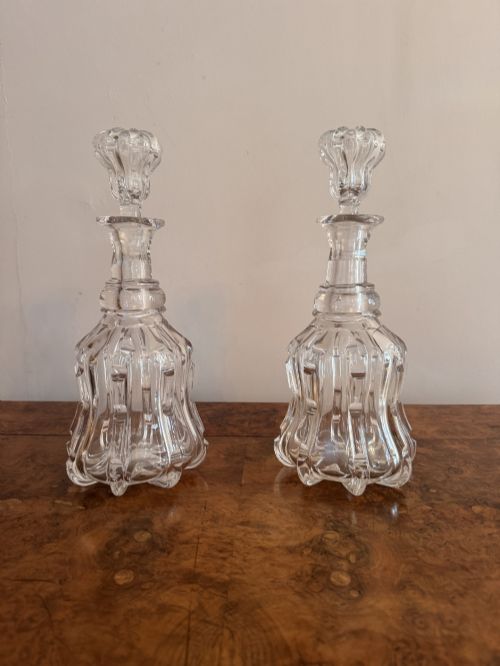
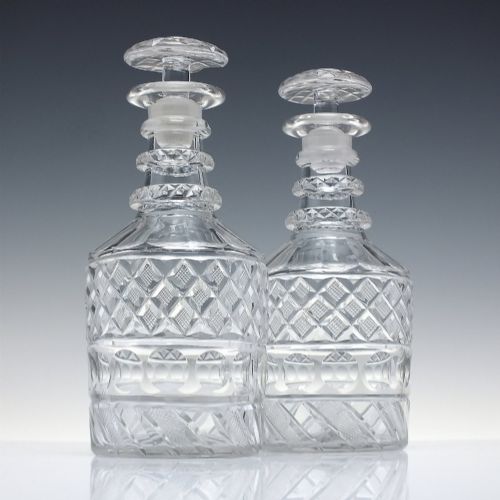
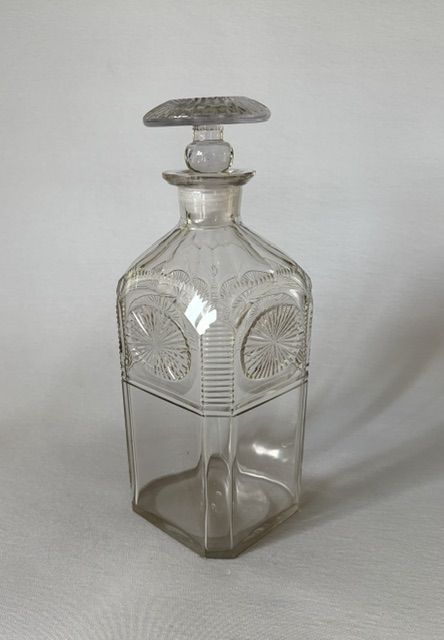
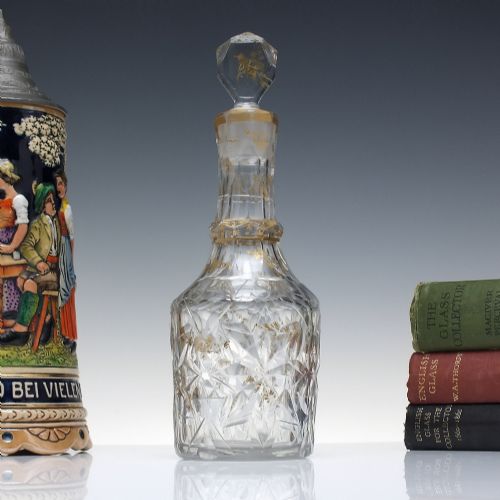
A georgian clear glass bottle brings brilliant weight and crisp hand-cut facets to the table.
Georgian Clear Glass Bottle
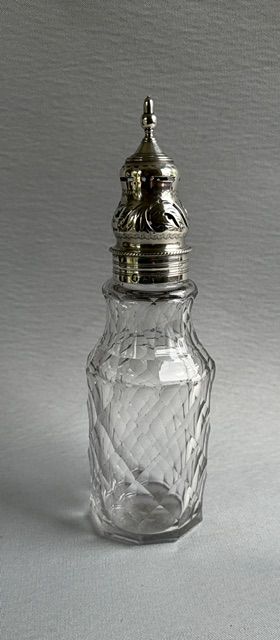
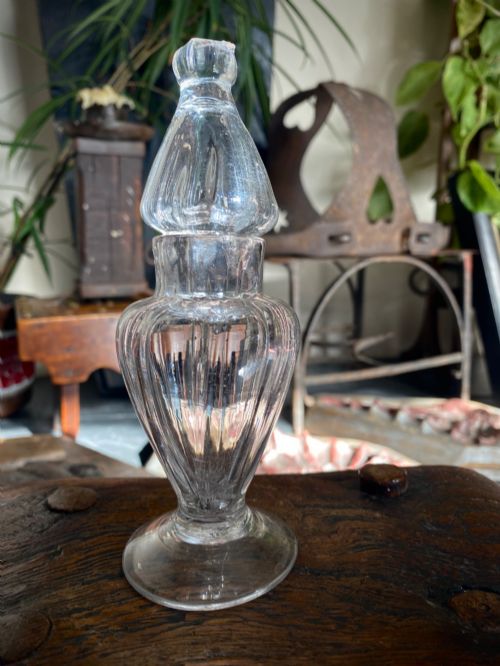
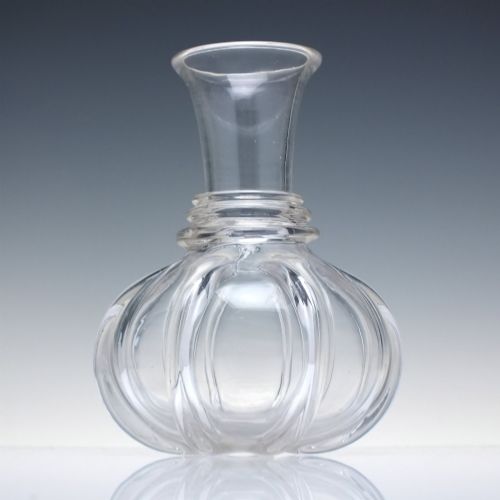
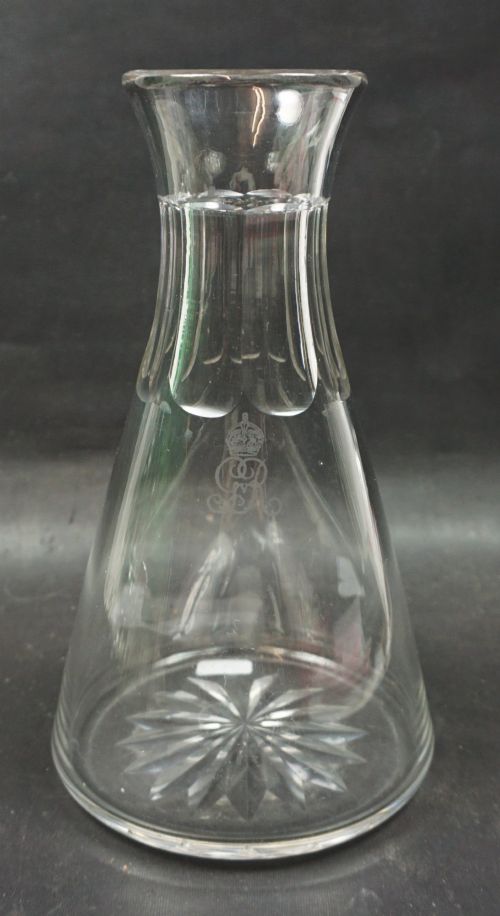
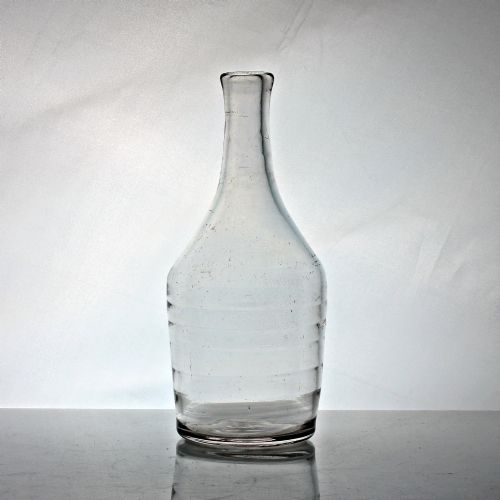
A georgian clear glass bottle encompasses heavy lead crystal decanters, carafes, scent flasks, and apothecary jars from the eighteenth and early nineteenth centuries. These vessels served practical duties for wine, spirits, and medicines while displaying the clarity of early British glassmaking.
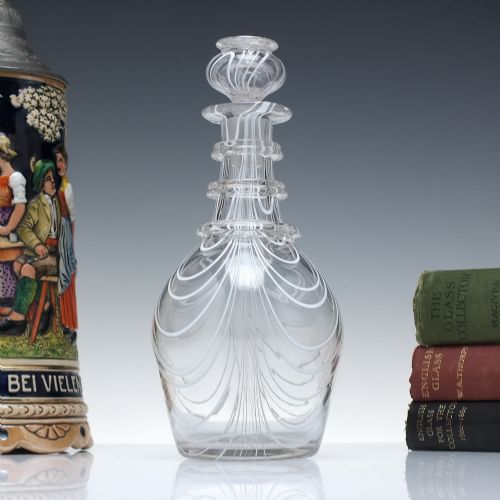
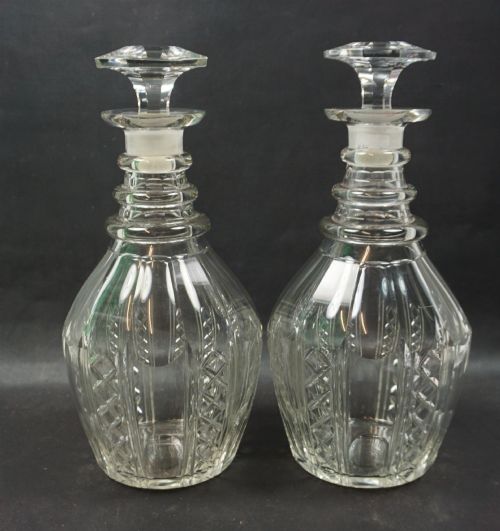
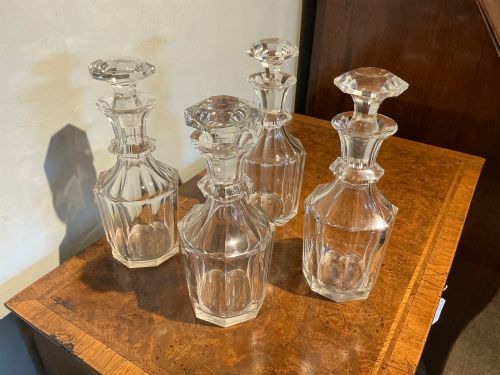
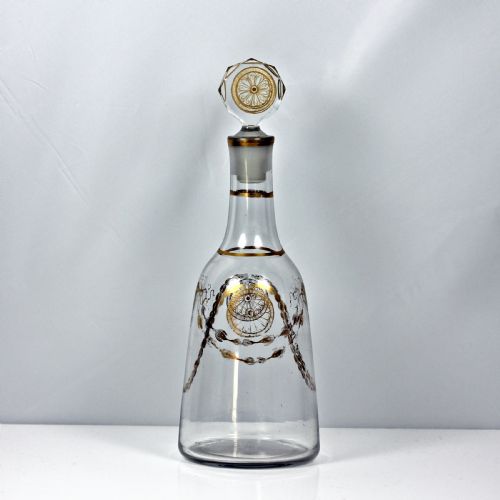
The versions most commonly met on this page are lead glass decanters featuring characteristic neck rings, ovoid bodies, or shoulder shapes designed for the dining table. Makers utilised clear glass, cut crystal, and occasionally gilding or enamel decoration.
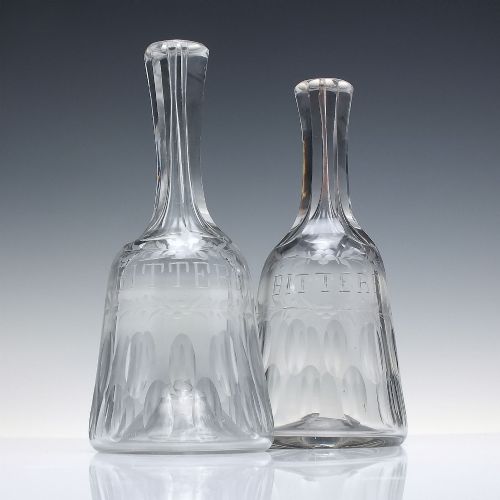
Originating predominantly from English workshops during the Georgian and Regency periods, these containers range from small half-sized decanters to large sugarloaf beer vessels and spirit bottles.
Assessing quality in early glass
Quality in a georgian clear glass bottle rests on the purity of the metal and the crispness of the cutting. Superior pieces display deep, sharp wheel-cut facets that catch the light cleanly, whereas lower tiers show softer edges and visible surface bubbles within the glass.
The weight and balance of the vessel indicate the amount of lead content and the skill of the glassblower. Finer examples maintain thick, stable bases and well-formed necks without distortion.
Georgian Clear Glass Bottle Retail Price Guide 2026
Typical asking prices for georgian clear glass bottle among the pieces listed under this phrase on Sellingantiques today, from the lower quarter to the upper quarter. They describe what is for sale here now, not the wider market.
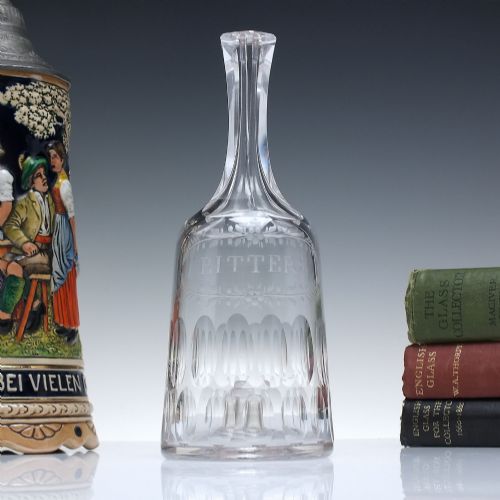
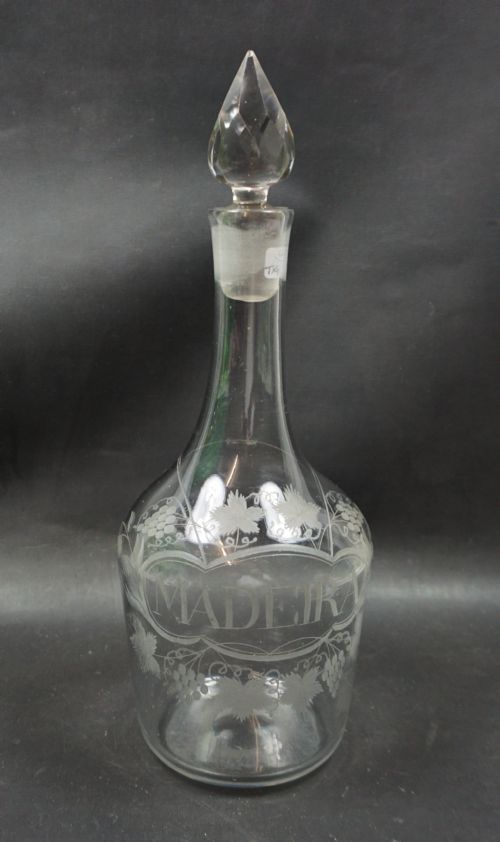
Several decanters arrive with historic labels engraved directly into the crystal for Madeira, proving our ancestors liked clear instructions.
James Giles
The Georgian Clear Glass Bottle Glossary
- Lead glass
- Glass containing lead oxide to increase weight, brilliance, and softness for cutting. This material forms the heavy body of standard Georgian decanters.
- Lynn ring
- A prominent horizontal band or collar encircling the neck of a decanter. These raised rings provided a secure grip for pouring.
- Wheel-cutting
- A decorative technique using rotating abrasive wheels to grind geometric patterns into the surface of the glass. It creates the sharp facets seen on quality decanters.
- Sugarloaf decanter
- A heavy vessel shaped like a traditional cone of refined sugar. This distinct form characterises certain Georgian beer and spirit bottles.
- Atelier
- An artist's workshop or studio. Pieces associated with specialist decorators like James Giles emerged from such specialised painting and gilding studios.
Georgian Clear Glass Bottle: Frequently Asked Questions
What were georgian clear glass bottles used for?
These vessels held table wines, spirits like rum and gin, beer, and household medicines or perfumes. Their robust lead crystal construction kept contents secure during daily dining and social use.
Larger decanters sat on the sideboard for pouring drinks, while smaller pocket or scent bottles served personal and medicinal needs.
How do you date an antique glass decanter?
Dating relies on observing the vessel form, neck ring configuration, and the style of glass cutting. Earlier eighteenth-century pieces often feature shoulder shapes and fewer, broader neck rings.
Nineteenth-century Regency and later examples commonly introduce heavier pillar cutting and distinct ovoid profiles that reflect changing manufacturing fashions.
Are these glass bottles safe to use today?
Most antique decanters remain structurally sound for holding liquids, provided they are handled with care. The heavy lead crystal is durable, though old glass is susceptible to thermal shock if exposed to sudden temperature changes.
Hand washing in lukewarm water is essential to preserve the historic surface and any delicate gilding or engraving.