





Clear Glass Apothecary Bottle
These clear glass apothecary bottle pieces bring functional historical utility to a room, offering genuine pharmacy vessels for display.
Clear Glass Apothecary Bottle
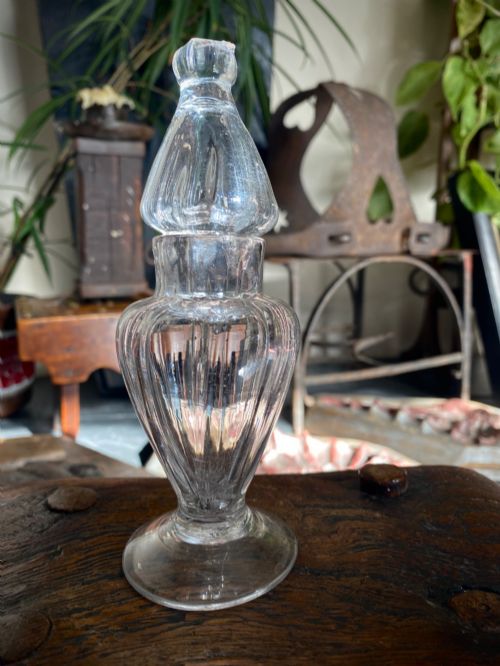
When searching for a clear glass apothecary bottle, a buyer encounters practical storage vessels originating from the Georgian, Victorian, Edwardian, and early twentieth-century periods. These items encompass individual pharmacy bottles, apothecary jars, vanity flasks, and larger display carboys.
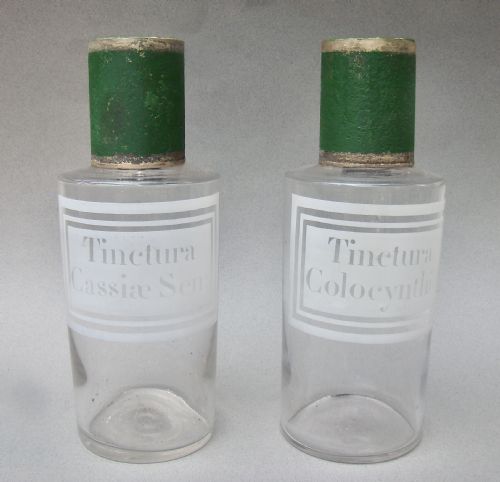
The most frequent examples on this page are nineteenth-century chemist jars and tincture bottles, often found in matched pairs or larger sets. They originate from British and French workshops, utilising transparent glass bodies designed to hold medical compounds.
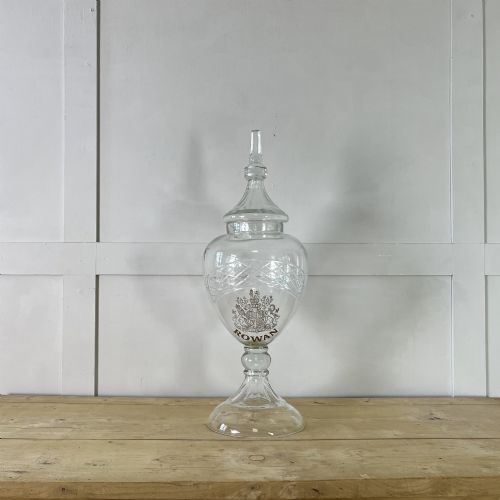
Forms range from small medicine flasks with fitted lids to substantial carboys intended for shop windows. Each piece reflects the utilitarian medical practices of past centuries.
How clear glass apothecary bottle pieces were made
Makers produced these items primarily through hand blowing and glass cutting techniques, creating thick walls suitable for storing chemical substances. Clear glass forms the core material, occasionally accented with gold leaf, paper labels, and painted details.
Some French and English pieces incorporate metal mountings, sterling silver collars, or etched decoration upon the glass surface. Covers and stoppers were shaped to fit individual necks, sealing contents securely.
Clear Glass Apothecary Bottle Retail Price Guide 2026
Typical asking prices for clear glass apothecary bottle among the pieces listed under this phrase on Sellingantiques today, from the lower quarter to the upper quarter. They describe what is for sale here now, not the wider market.
Listings span the Georgian, Victorian, and Edwardian eras, incorporating materials such as sterling silver, gold leaf, and cut glass.
What varies in quality
Quality rests upon the clarity and weight of the glass, alongside the presence of original stoppers and intact labels. Hand-blown examples display individual bubbles and surface irregularities that distinguish them from later production.
Elaborate cutting, etched ornamentation, and precious metal additions elevate certain pharmacy vessels above standard utilitarian storage jars. Sets and matched pairs retain greater visual impact than isolated single bottles.
Tonnel Paris
The Clear Glass Apothecary Bottle Glossary
- Carboy
- A large globular glass bottle or jar, often enclosed in protective wicker or resting on a base, used in pharmacies for holding liquids.
- Tincture bottle
- A small glass vessel designed to contain alcoholic solutions of medicinal substances, typically fitted with a ground glass stopper.
- Chemist jar
- A cylindrical or panelled glass container utilised in dispensing pharmacies to store dry or liquid medicaments.
- Etched glass
- Glass decorated by applying acid to eat into the surface design, creating a frosted pattern against the clear body.
Clear Glass Apothecary Bottle: Frequently Asked Questions
What were clear glass apothecary bottle items used for?
These vessels served chemists and apothecaries for storing dry drugs, chemical powders, liquid medicines, and tinctures safely.
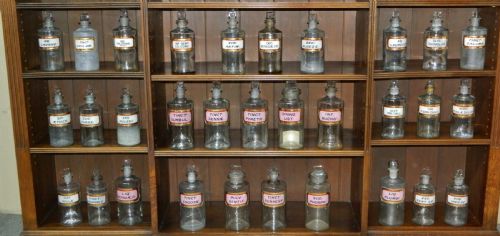
Larger carboys sat in shop windows to advertise the chemist's trade, while smaller bottles lined wooden dispensary shelves.
How do I date a clear glass apothecary bottle?
Dating relies upon observing manufacturing marks, pontil scars on the base, glass thickness, and overall stylistic form.
Georgian and Victorian pieces display characteristic hand-blown traits, whereas twentieth-century examples show more uniform industrial production methods.
Are original stoppers common on these bottles?
Original ground glass stoppers survive on select pieces, though many older bottles lost their matching covers over decades of use.
Finding a complete set with original lids and intact paper labels remains a notable advantage for collectors.
How should I display apothecary bottles at home?
These vessels suit placement on open shelving, windowsills where natural light passes through the clear glass, or within cabinet displays.
Grouping pairs or sets creates a stronger visual display that highlights their historical pharmacy origins.