
Georgian Classical Print
When you search for a georgian classical print, you are looking at engraved portraits and mythological scenes that defined elite eighteenth-century interiors.
Georgian Classical Print
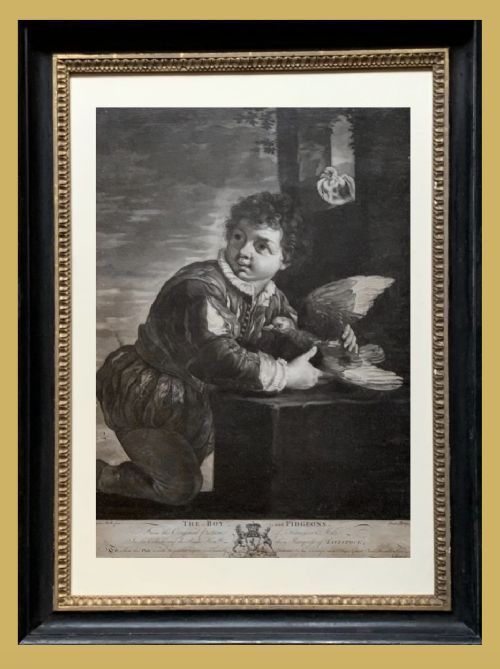
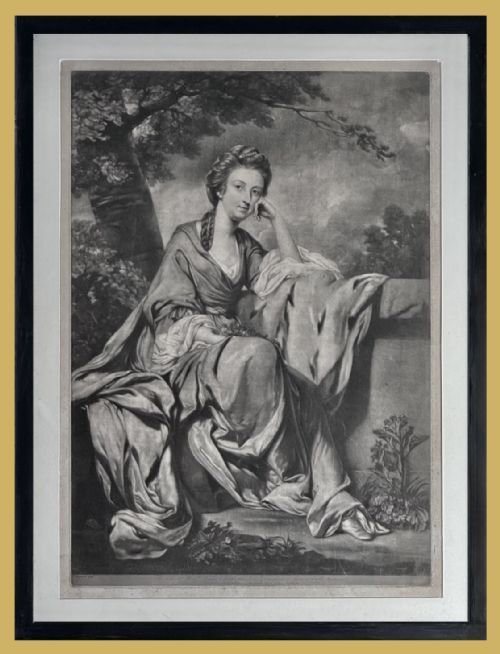
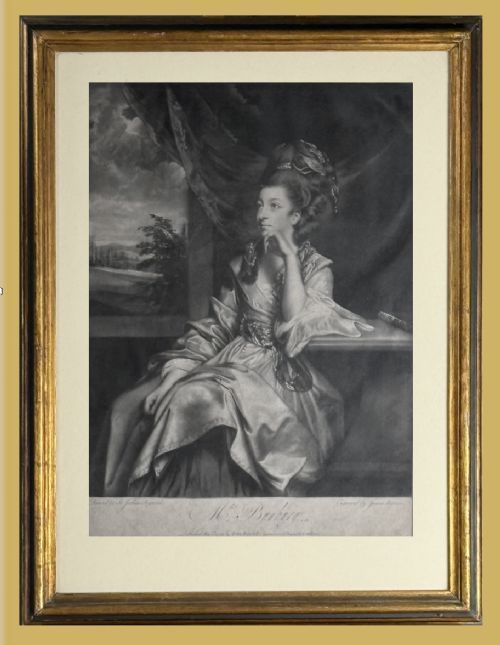
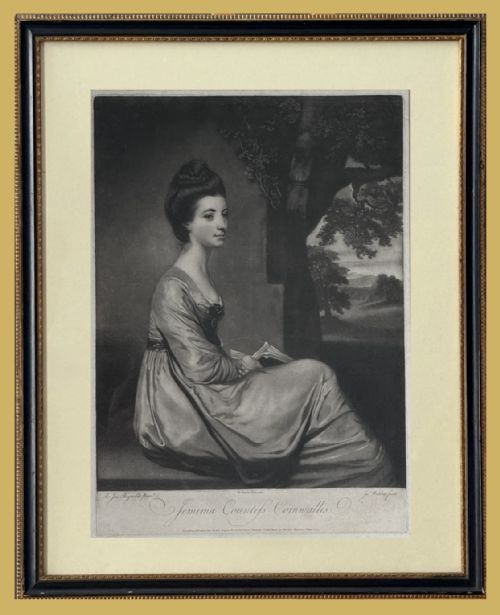
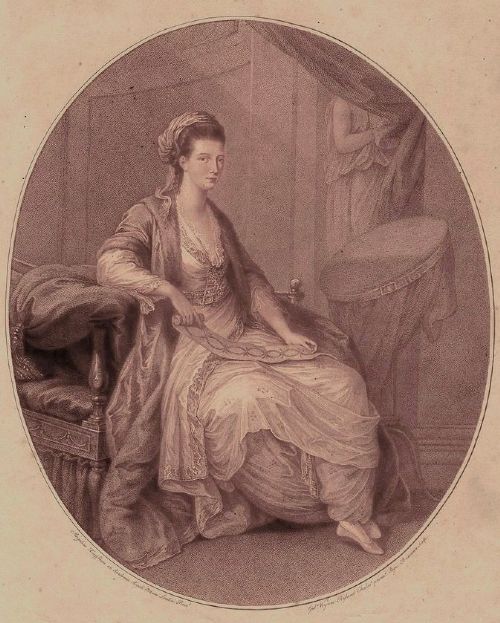
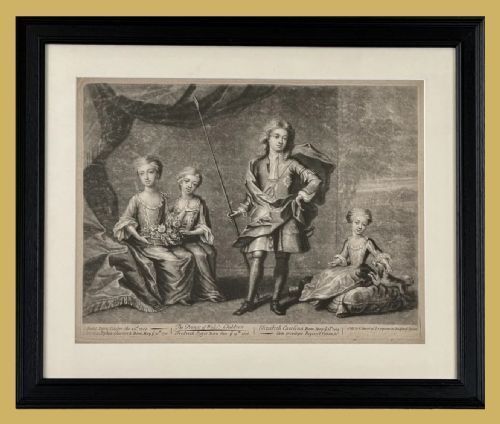
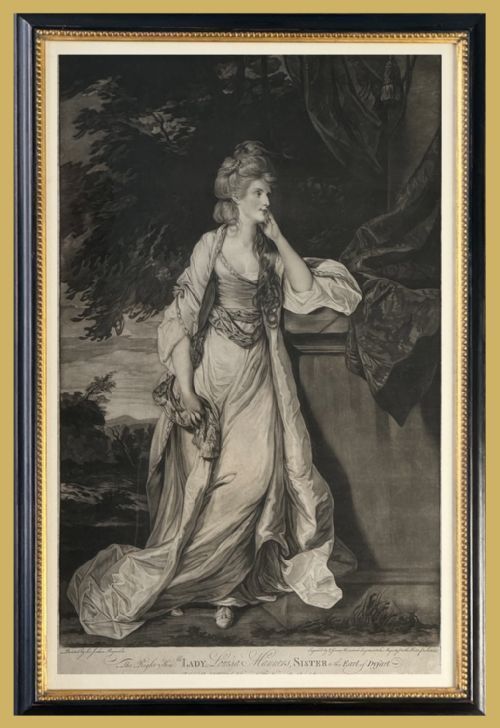
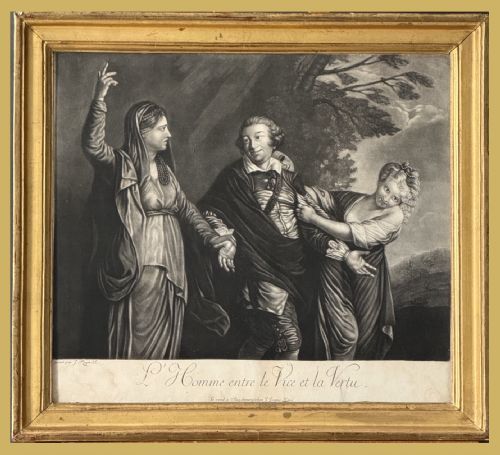
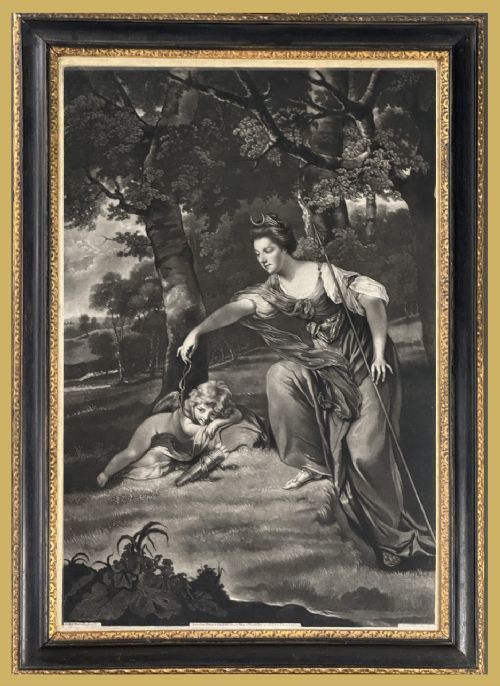
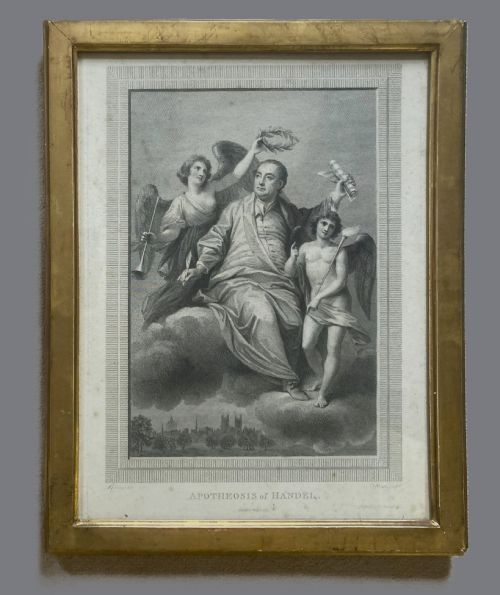
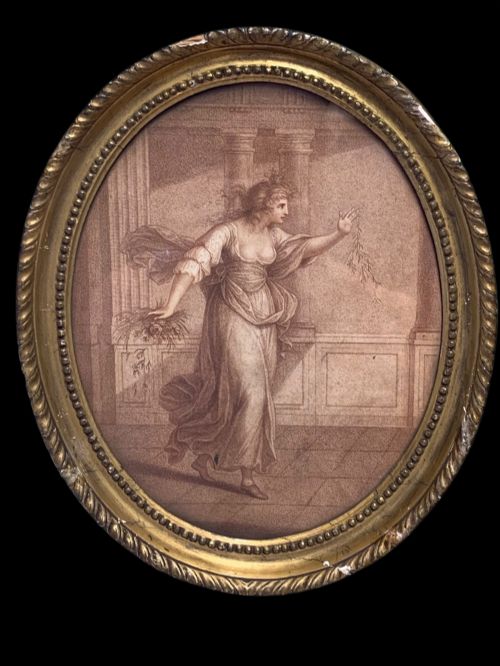
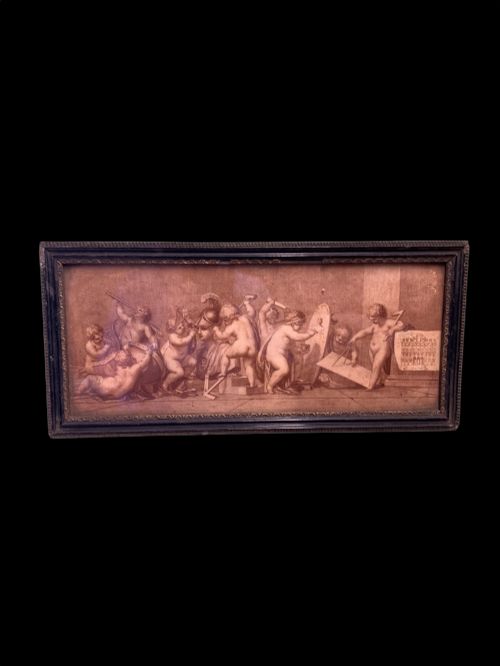
A georgian classical print encompasses finely worked copperplate engravings and mezzotints produced during the eighteenth and early nineteenth centuries. These works frequently depict mythological narratives, classical architecture, and aristocratic portraiture drawn from antique statuary and grand tour subjects.
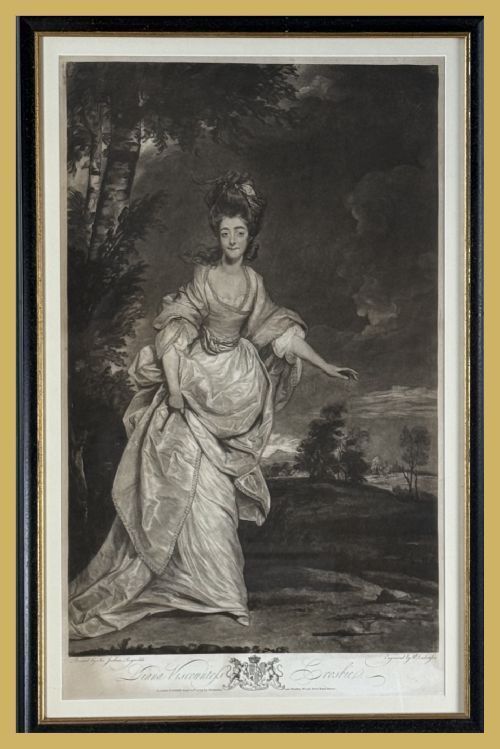
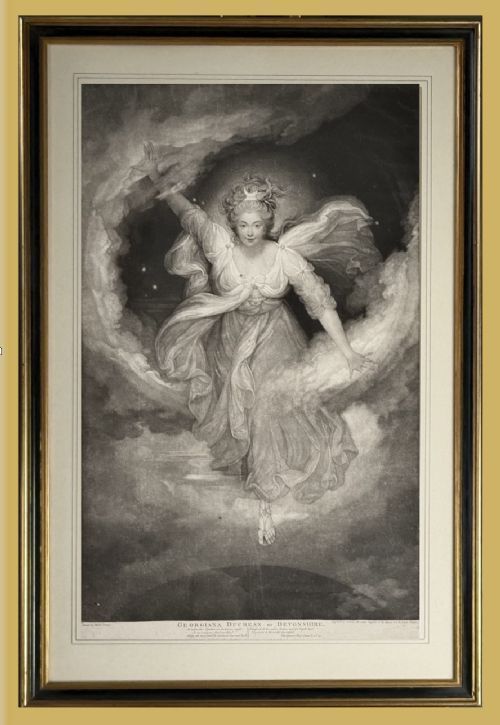
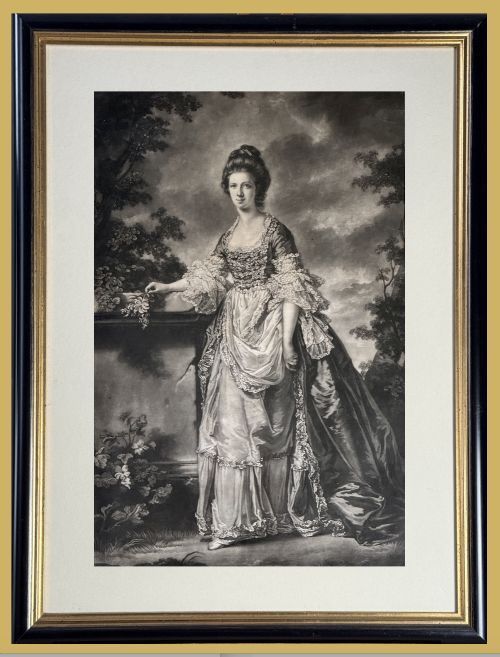
The most common examples on this page are mezzotint portraits after celebrated painters such as Sir Joshua Reynolds, alongside architectural views and allegorical compositions. Collectors encounter these works framed in period timber moulding, often retaining original glazing and gilt leaf accents.
Materials and Techniques
Printmakers utilised heavy laid paper to receive black and coloured ink impressions from copper plates engraved with burins or roughened for mezzotint tones. Skilled hands occasionally applied watercolours directly to the printed surface to enhance drapery and foliage.
The resulting sheets were housed in wooden frames finished with gold leaf or giltwood mouldings that protected the delicate paper from atmospheric moisture and handling.
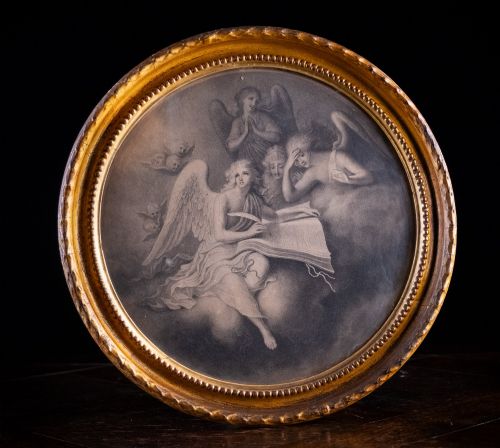
The listings feature works spanning the eighteenth and nineteenth centuries, executed primarily in ink on paper and housed in giltwood frames.
Factors of Quality
Quality rests primarily in the crispness of the impression pulled from the copper plate, as worn plates yield blurred lines and muddy tonal gradations in dark areas. Early impressions retain sharp contrasts between the highlights and shadows of classical drapery.
The survival of original framing materials and the integrity of the paper margins substantially influence the standing of an individual sheet. Untrimmed margins and clean, unbleached paper indicate careful preservation over centuries.
John Boydell·Edward Fisher·James Watson·Valentine Green·Simon Francois Ravenet
The Georgian Classical Print Glossary
- Mezzotint
- A printmaking process where the copper plate is roughened evenly to hold ink for rich dark areas, while portions are scraped down to create lighter tones. This technique allows for subtle gradations of shadow in portraiture.
- Stipple engraving
- A method of building an image through a dense pattern of dots applied with needles and stippling punches. It creates soft flesh tones and gentle facial expressions.
- Giltwood
- Timber carved and coated with gold leaf or gold paint to provide a reflective decorative border. It is frequently found on eighteenth-century picture frames.
- Grand Tour
- The traditional journey of Europe undertaken by upper-class young men to absorb classical art and architecture. Prints recorded these antiquities for domestic display.
- Copperplate
- A flat sheet of copper inscribed with lines or texture by an artist to transfer ink onto paper under the pressure of a printing press.
Georgian Classical Print: Frequently Asked Questions
How should I hang these prints?
Keep these works away from direct sunlight to prevent the ink and any applied watercolour from fading over time. Stable indoor humidity protects both the paper substrate and the historical wooden frame.
Group matched pairs or themed architectural subjects together at eye level using sturdy picture hooks secured directly into wall studs.
Were these always framed?
Many sheets circulated unbound within portfolios or collections before owners commissioned custom frames to suit their drawing rooms. Surviving historical frames often display hand-carved mouldings finished with gold leaf.
Subsequent reframing occurred frequently as interior decoration tastes shifted across the nineteenth and twentieth centuries.
What subjects are most common?
Portraits after prominent painters dominate the selection, alongside classical ruins, mythological figures, and equestrian scenes. These motifs reflected the classical education and aesthetic interests of Georgian collectors.
Allegorical compositions depicting virtues or theatrical performers also appear regularly among surviving prints.
How do I identify the period?
Examine the paper characteristics, plate marks, and typography beneath the image area where publisher details and dates often appear. Hand-laid paper containing visible chain lines typically points to eighteenth-century production.
Stylistic cues within the clothing and hairstyle of portrayed sitters help narrow down the decade of publication.