
Georgian Classical Engraving
Georgian classical engraving captures the refined taste of the eighteenth and early nineteenth centuries through intricate works on paper and carved hardstone.
Georgian Classical Engraving
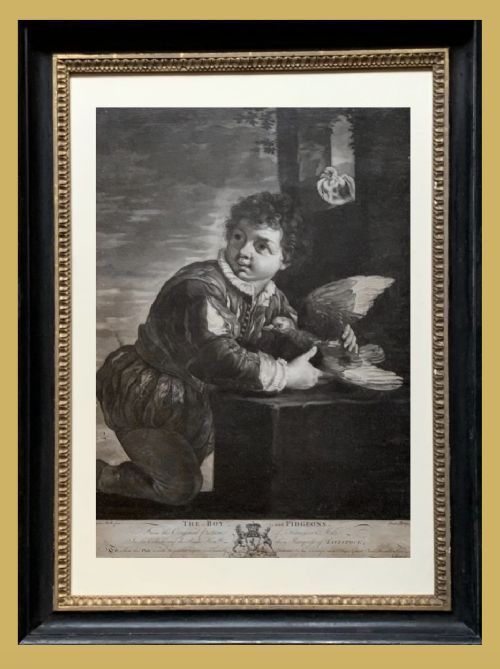
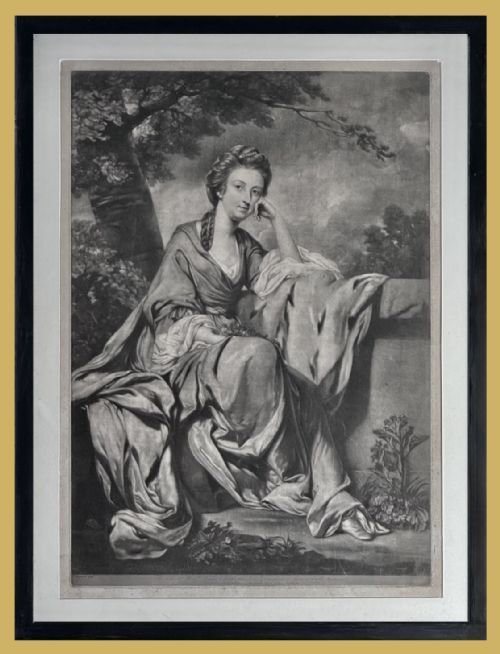
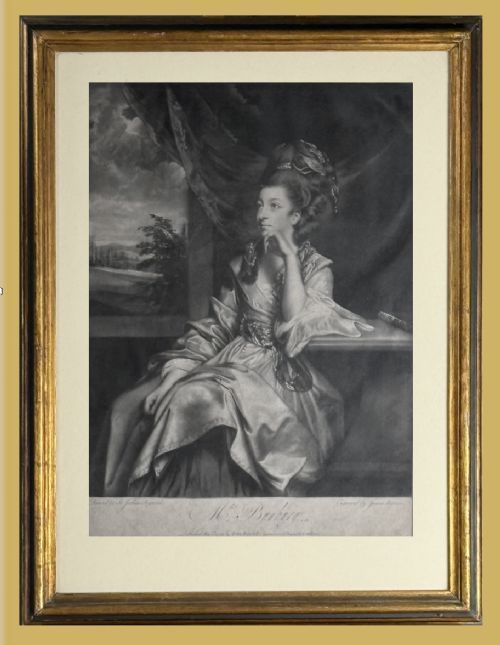
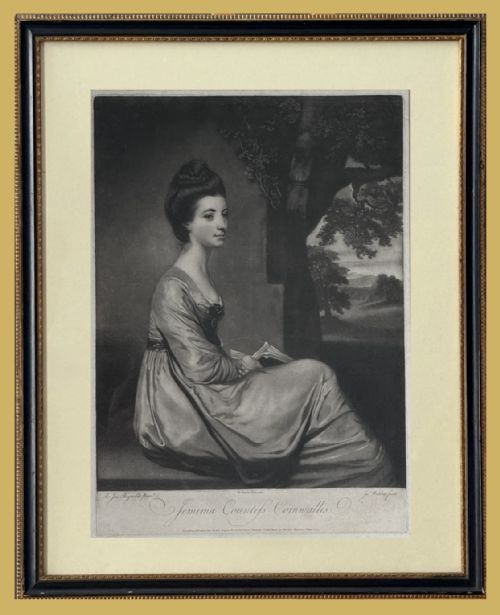
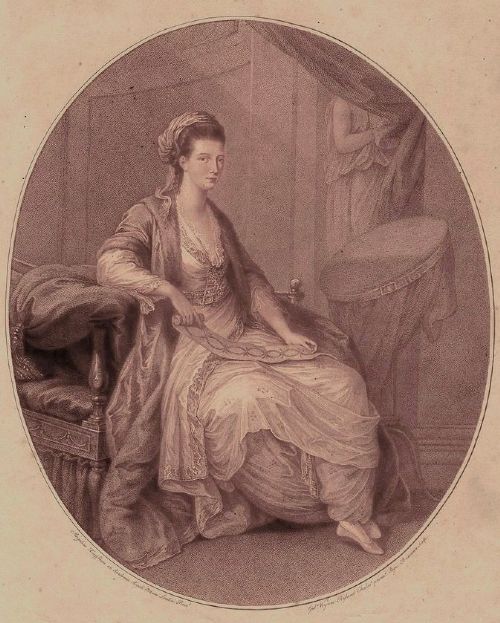
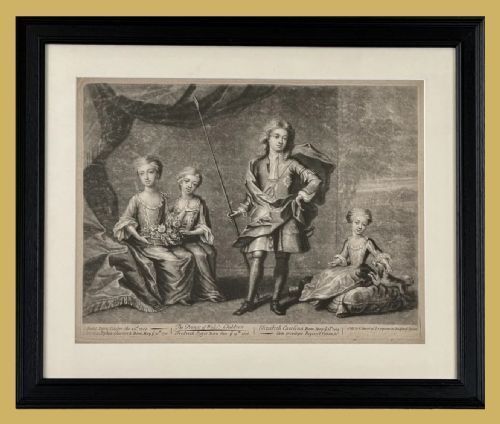
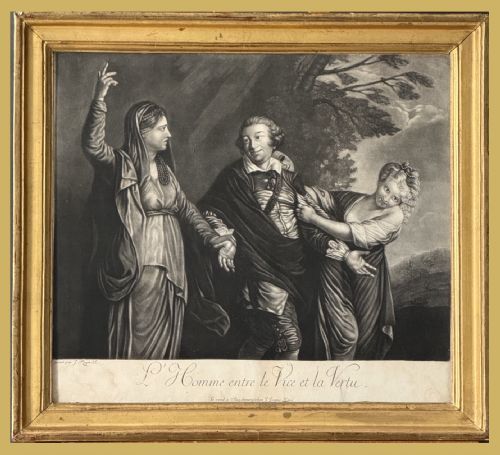
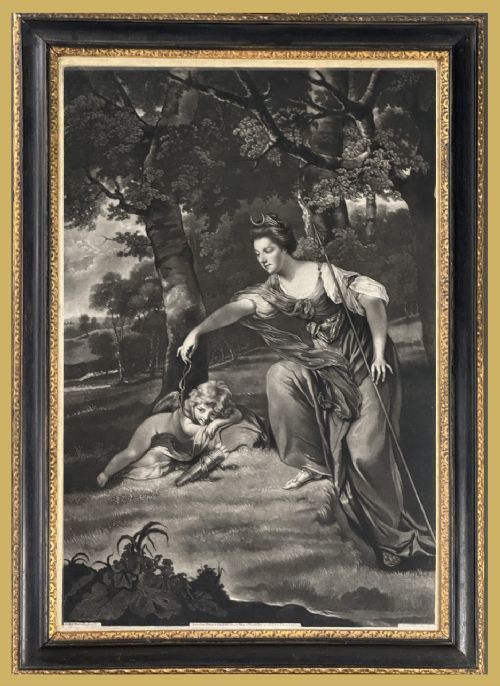
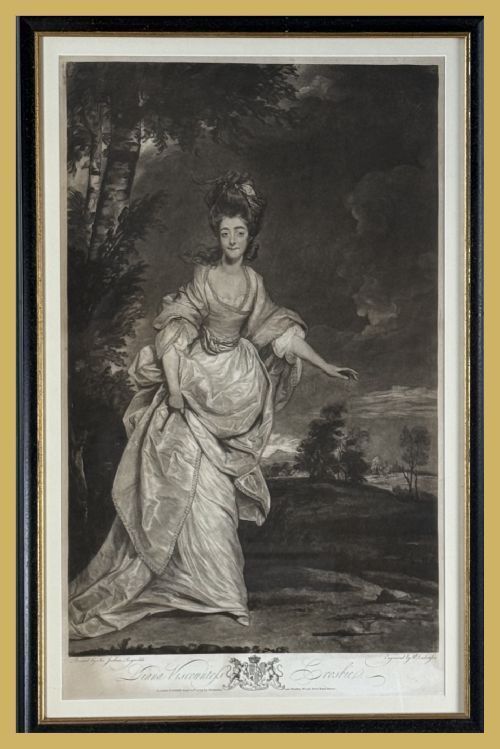
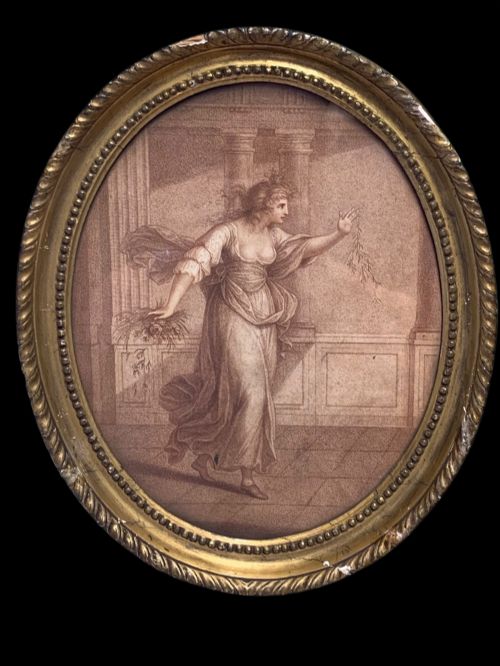
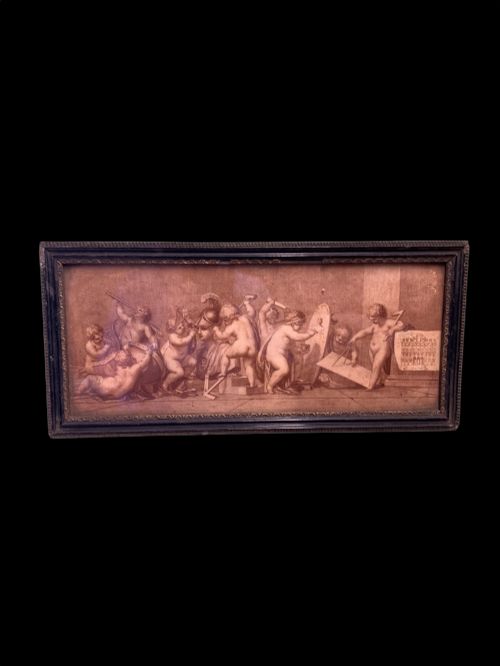
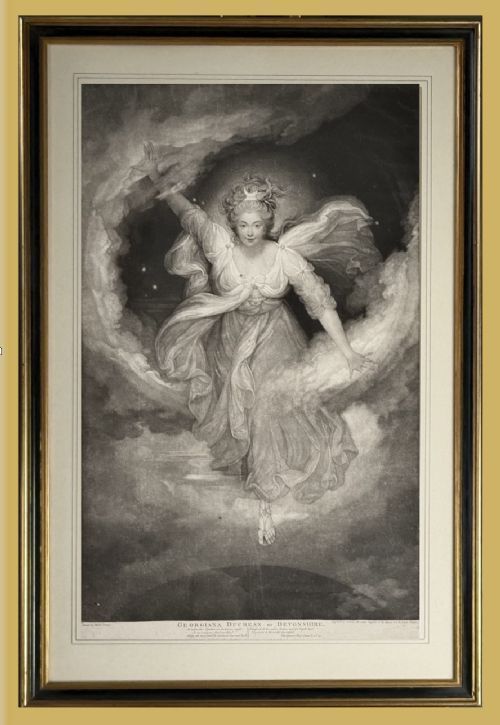
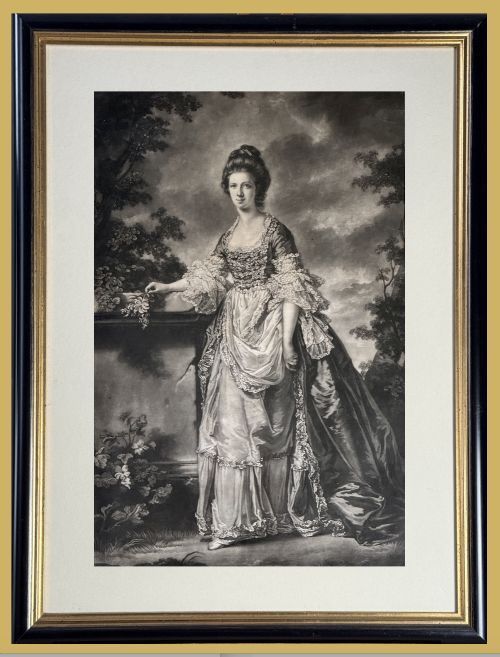
Georgian classical engraving encompasses printed works and intaglio carvings that reflect the neoclassical fascination with antiquity, mythology, and portraiture. These pieces range from detailed mezzotints after prominent painters to delicate hardstone intaglios set in gold.
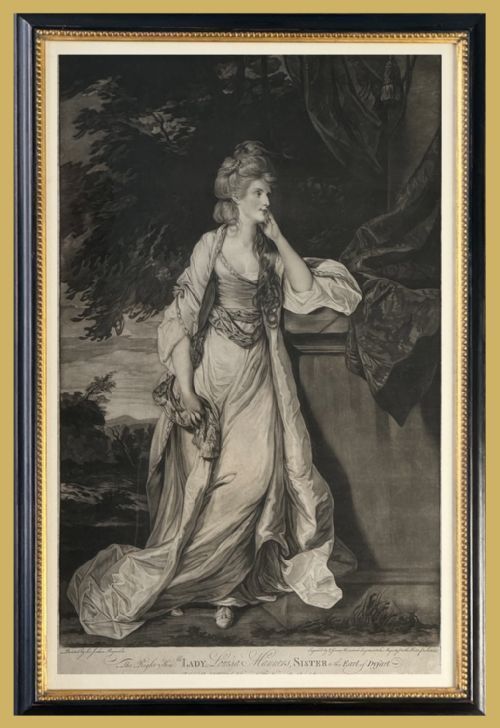
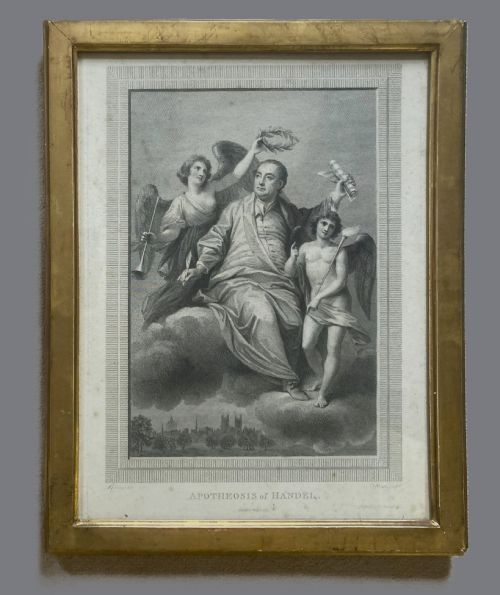
Buyers most frequently encounter eighteenth-century and Regency period prints, often framed in wood or gilt, depicting mythological scenes, classical statues, and aristocratic portraits. Alongside paper works, jewellery items such as carnelian and agate rings carry miniature classical engravings of deities and historical figures.
Materials and Methods
Makers utilised copper plates for intaglio printing techniques such as engraving, etching, and mezzotint, applying ink to paper to achieve subtle tonal gradations and sharp linear detail. Hand colouring occasionally added vibrancy to equestrian and figural prints.
Carvers worked directly into hardstones including carnelian and agate, mounting these intaglios into gold rings, silver gilt snuff boxes, and fob pendants. Wooden frames, frequently enhanced with gold leaf, gilt, or giltwood, housed the paper works to preserve them for display.
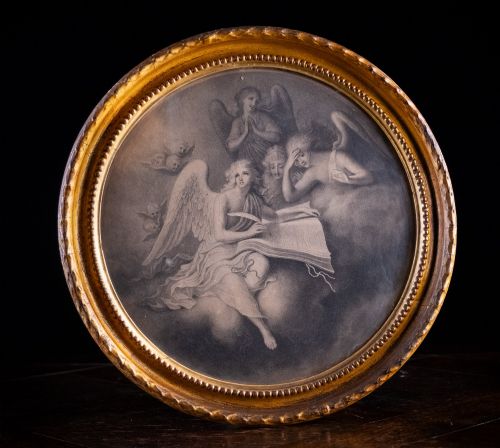
Even weeping angels and flying cupids need a proper Georgian frame to keep their celestial mischief contained.
Distinctions in Quality
The clarity of the impression on paper dictates the visual fidelity of a print, where earlier strikes from a copper plate yield crisper lines and richer darks than worn later editions. Skill in the scraping and burnishing of mezzotints determines the depth of tone and shadow.
In hardstone pieces, the precision and relief depth of the carved intaglio separate master glyptic work from simpler production. The integration of the stone with high karat gold mounts or original frames further elevates the standing of an artefact.
John Boydell·Edward Fisher·James Watson·Valentine Green·Francesco Piranesi
The Georgian Classical Engraving Glossary
- Mezzotint
- A printmaking process where the copper plate is roughened to produce dark areas, then scraped and burnished to create highlights and midtones. This technique produces velvety darks and smooth tonal transitions.
- Intaglio
- A design carved into the surface of a hardstone, gemstone, or metal matrix so that the impression sits in relief when stamped or viewed as a gem. These were frequently worn as signet rings or carried as fobs.
- Stipple engraving
- A method of creating prints by building up images with a multitude of small dots rather than continuous lines. It allows for delicate flesh tones and soft shadows.
- Giltwood
- Wood that has been coated with a thin layer of gold leaf or gesso and gold paint. It frequently frames eighteenth-century prints and mirrors.
- Neoclassical
- A Western cultural movement drawing inspiration from the art and culture of classical antiquity. It dominated architecture, visual arts, and decorative objects throughout the Georgian period.
Georgian Classical Engraving: Frequently Asked Questions
What is a mezzotint portrait?
A mezzotint portrait is a print created by roughening a copper plate to hold ink and then smoothing areas to create light. This process produces rich, painterly tones ideal for reproducing oil paintings.
Printers often published these after works by prominent artists like Sir Joshua Reynolds, allowing collectors to own affordable versions of famous portraits.
How were intaglio rings used?
Intaglio rings served as both decorative jewellery and functional signets for pressing seals into hot wax to authenticate documents. The carved gemstone displayed classical figures, mythological deities, or armorial bearings.
Carvers typically used hardstones like carnelian or agate, setting them securely into gold rings or fob pendants.
Are these prints from the eighteenth century?
Many prints date directly from the eighteenth century and the Regency era, produced during the height of the neoclassical movement. Publishers issued them as individual sheets or bound collections for domestic display.
Collectors examine the paper type, plate marks, and publisher inscriptions to determine the age and authenticity of each sheet.
How should I display antique prints?
Antique paper works require protection from direct sunlight to prevent the ink and paper from fading over time. Framing them with acid-free mounts helps preserve the condition of the sheet.
Keeping them away from high humidity environments ensures the paper and any original wooden or gilt frames remain stable.