

Georgian Chest Table
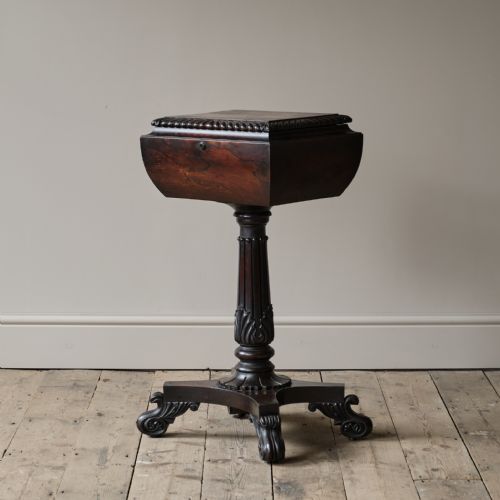
When you search for georgian chest table, you step into a world of compact timber forms that double as writing surfaces, bedside storage, and low serving pieces.
Georgian Chest Table
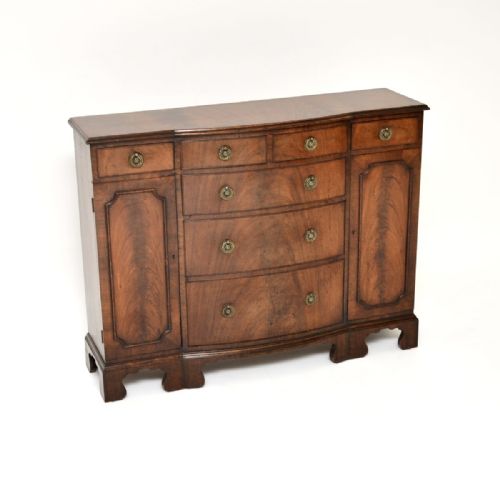
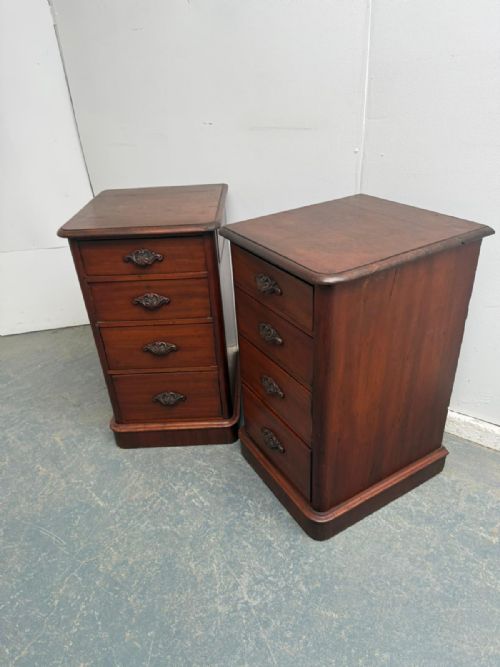
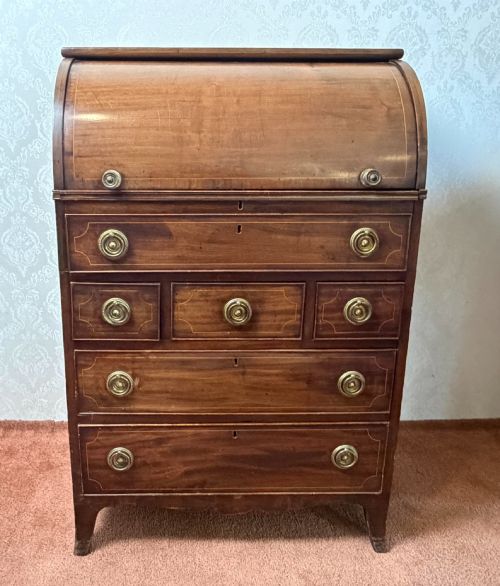
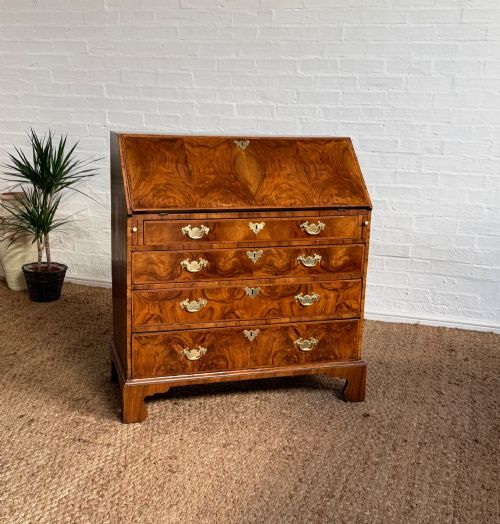
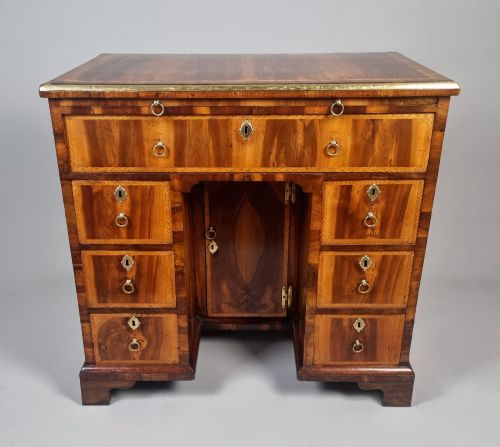
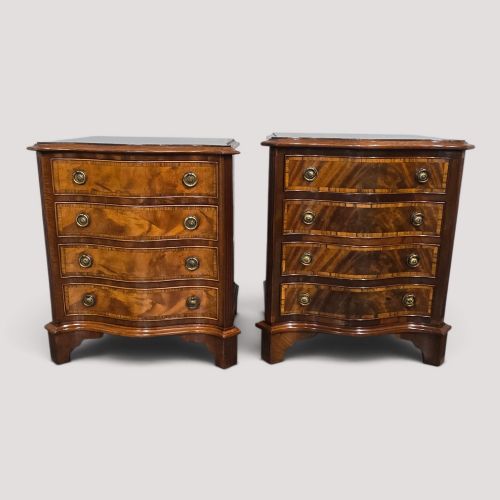
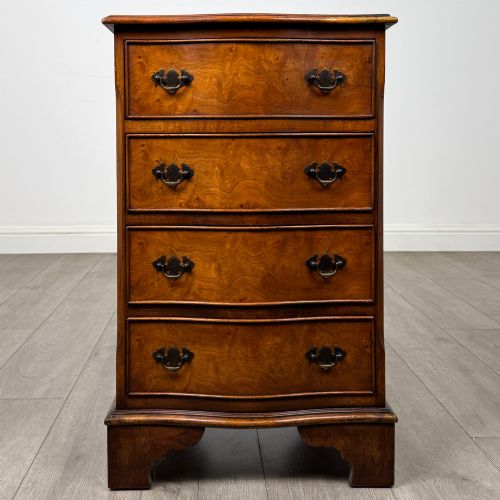
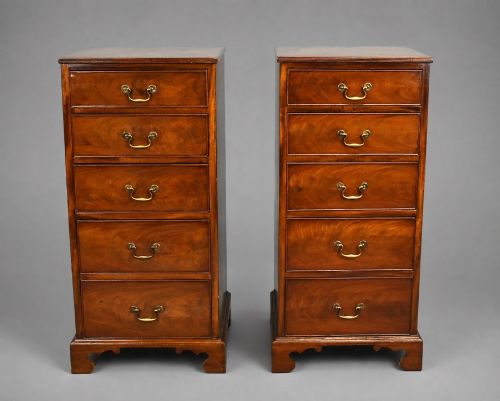
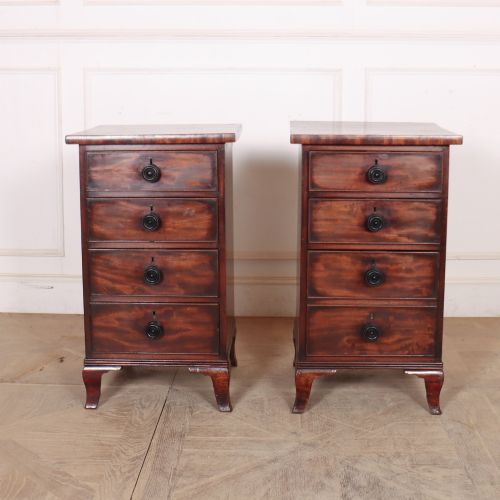
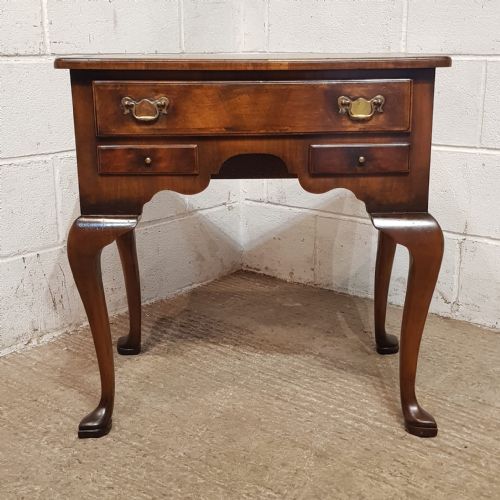
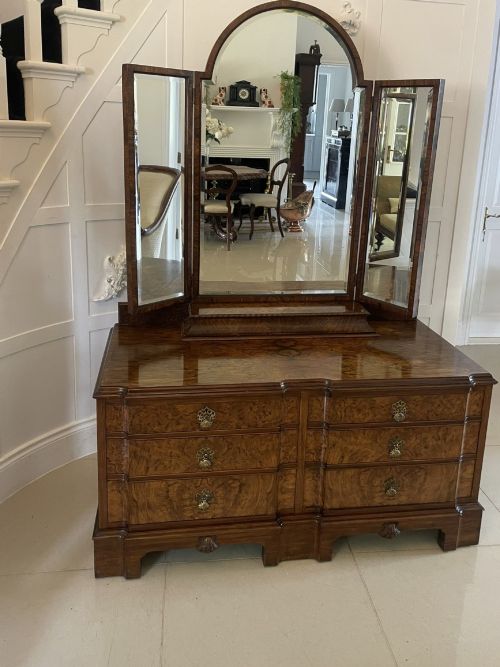
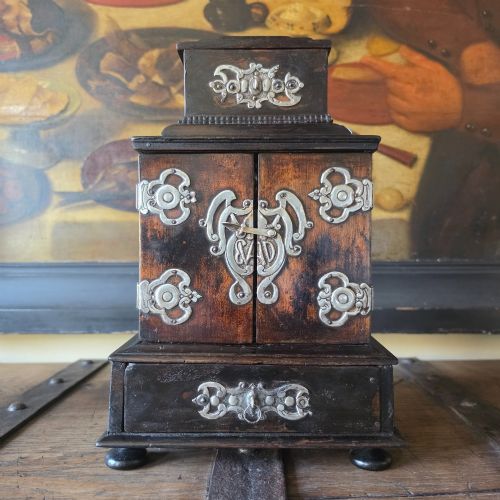
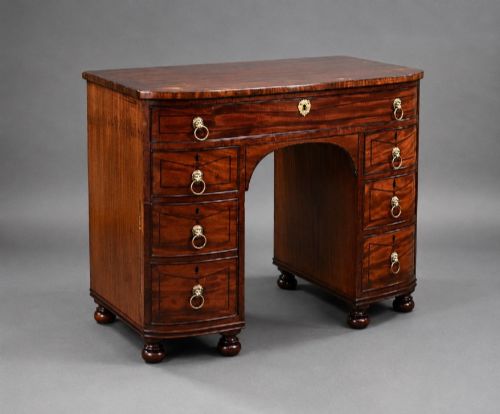
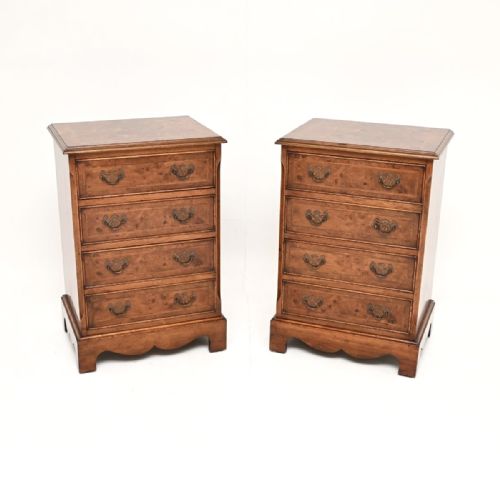
A georgian chest table combines the storage capacity of a set of drawers with the surface utility of a table, often appearing as a lowboy, a bedside chest, a kneehole desk, or a dressing table.
The selections span authentic 18th-century pieces from the Georgian, George II, and George III periods alongside later revivals from the Edwardian era, 1920, and 1930.
Compact forms like bedside cabinets, commodes, and writing desks dominate the selection, bringing utilitarian timber design into domestic sleeping and living spaces.
Materials and Construction
Cabinetmakers relied heavily on figured mahogany, walnut, burr walnut, and oak, often applying rich wood veneer to emphasise natural grain patterns on drawer fronts and tabletops.
Hardware played an integral role in construction, with original brasses, pulls, and escutcheons secured to dovetailed drawer boxes and solid timber frames.
Secondary timbers like elm and pine appear in structural components and internal linings, while specialised finishes include waxed surfaces and leather writing inserts.
Several close stools disguised as small bedside chests reveal a fondness for domestic deception.
Evaluating Construction and Material Quality
The integrity of the timber veneer and the crispness of the carving distinguish standard pieces from exceptional examples, particularly on walnut and mahogany surfaces.
Survival of original elements, such as brass handles, leather inserts, and internal fittings, dictates the historical standing of a bedside chest or writing desk.
Refined joinery, including precise dovetailing on drawers and balanced proportions in serpentine or breakfront forms, marks the work of skilled cabinetmakers.
The Georgian Chest Table Glossary
- Lowboy
- A small table with drawers, typically standing on four tall legs and functioning as a dressing table or side table.
- Kneehole Desk
- A compact writing desk featuring a central recessed space flanked by pedestals of small drawers.
- Mule Chest
- A storage chest with one or more drawers built into the base beneath the main compartment.
- Tambour
- A sliding door or shutter constructed from narrow vertical strips of wood glued to a canvas backing.
- Commode
- A decorative chest of drawers or a small cabinet, often used informally as a bedside table in period settings.
Georgian Chest Table: Frequently Asked Questions
What is a georgian chest table used for?
These pieces served multiple domestic functions, acting as bedside storage, writing surfaces, and compact dressing tables within the home.
Their hybrid form allowed households to store linen, documents, and personal items while maintaining a usable top surface.
How do I identify a genuine period piece?
Examination of internal secondary timbers, hand-cut dovetails, and timber shrinkage patterns helps determine the age of a piece.
Construction methods changed over time, separating 18th-century examples from later 20th-century revivals and reproductions.
Where should I place a bedside chest?
Their compact dimensions make them suited for placement beside a bed as functional storage with a surface for lamps and small items.
They also fit into hallways and smaller reception rooms where floor space is limited.
What woods were commonly used?
Cabinetmakers favored dense hardwoods like mahogany, oak, and walnut, frequently selecting figured grains or burr walnut for decorative impact.
Secondary woods such as pine and elm appear in internal partitions and drawer linings.