

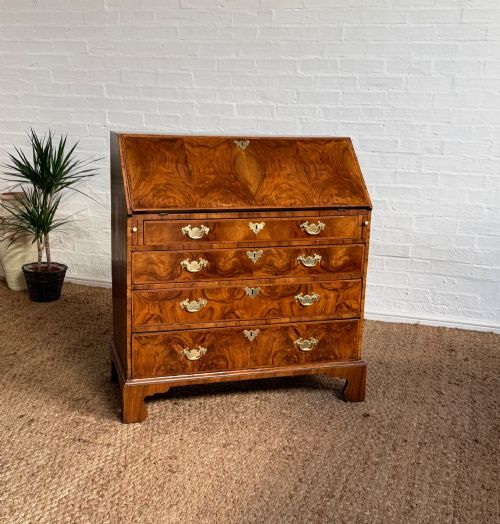
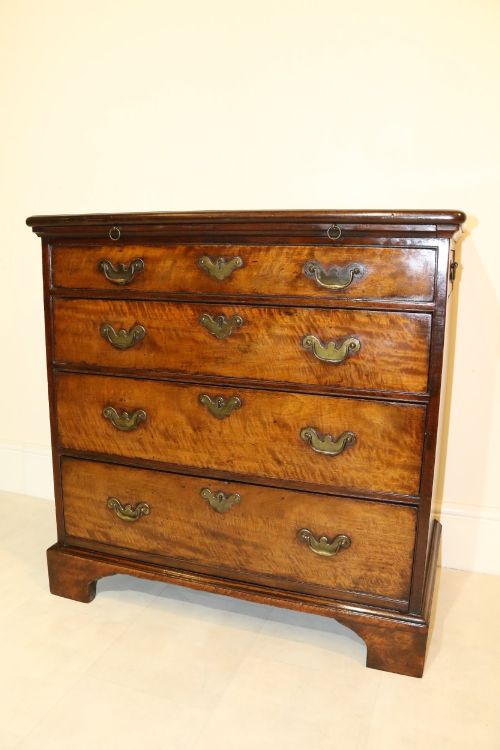
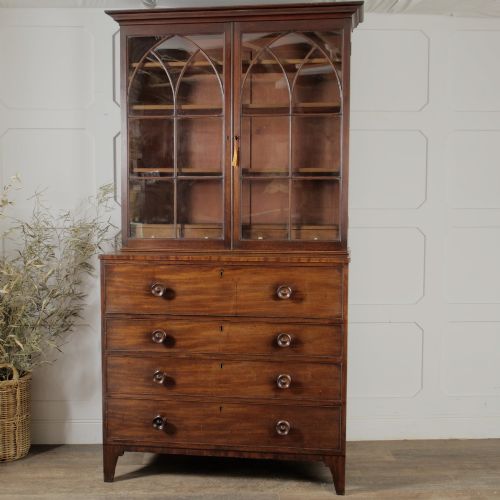
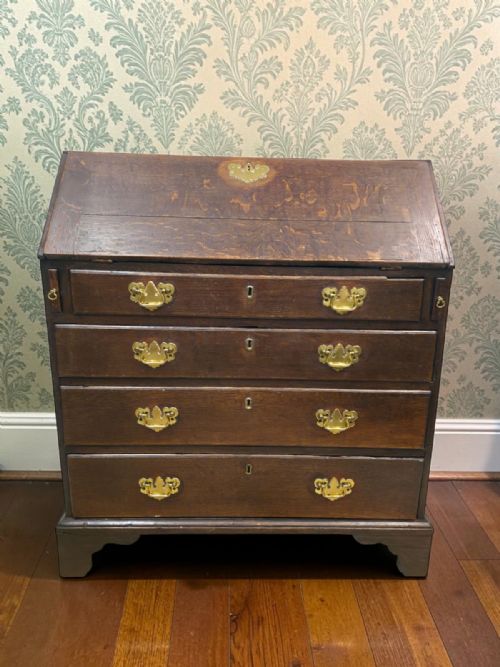
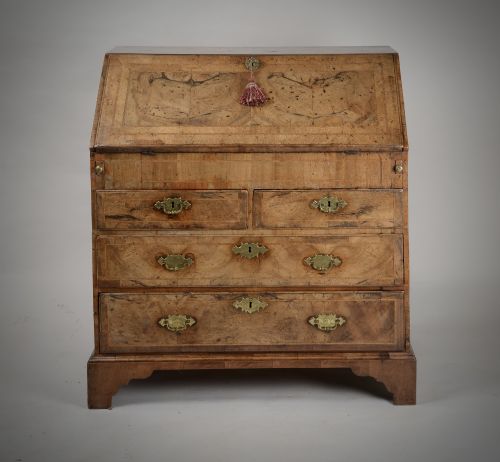
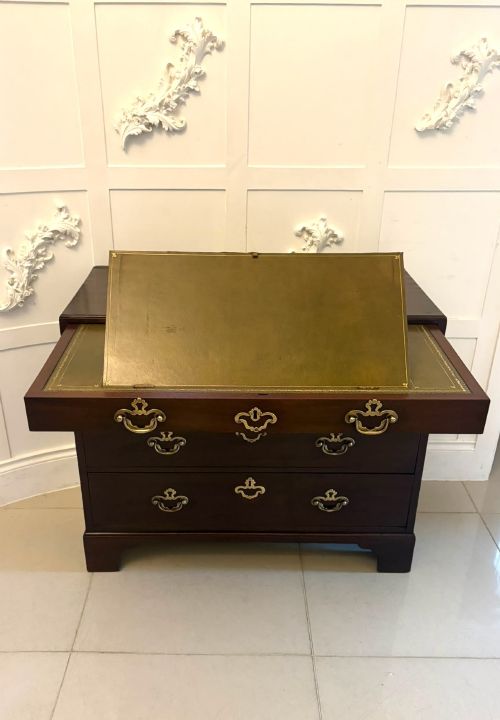
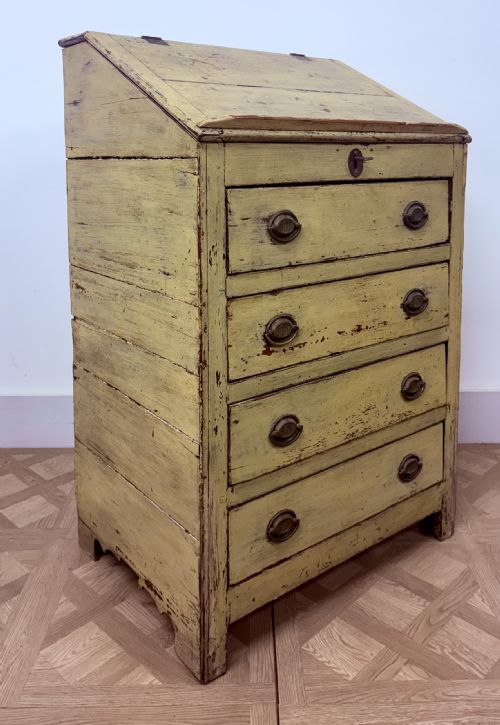
Georgian Chest of Drawers Desk
These pieces combine domestic storage and writing surfaces, bringing together a georgian chest of drawers desk for daily practicality and formal presence.
Georgian Chest of Drawers Desk
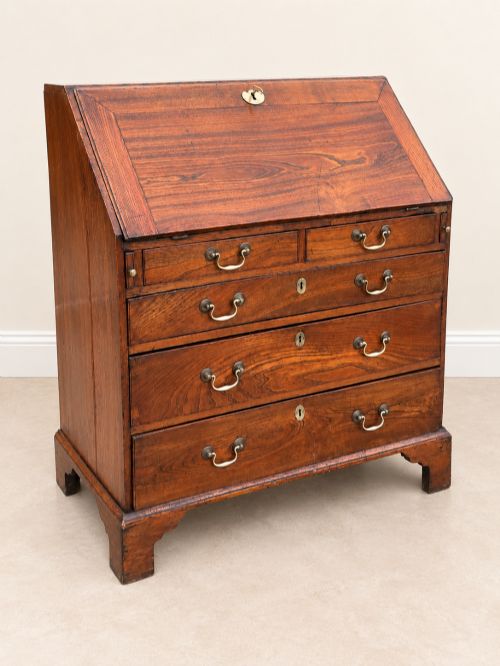
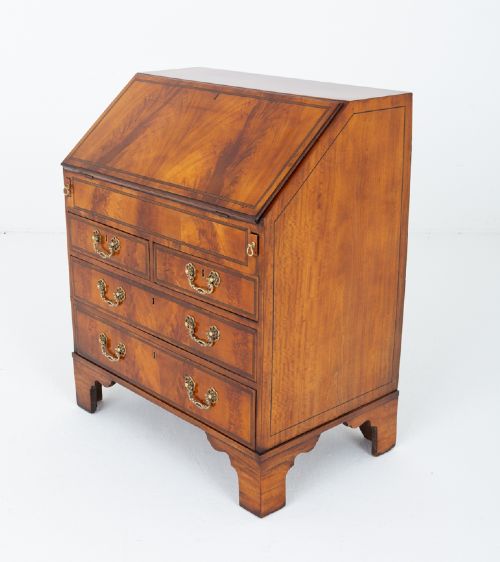
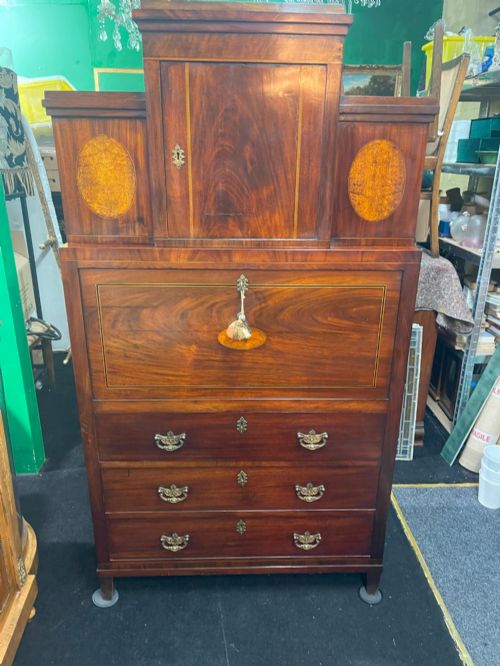
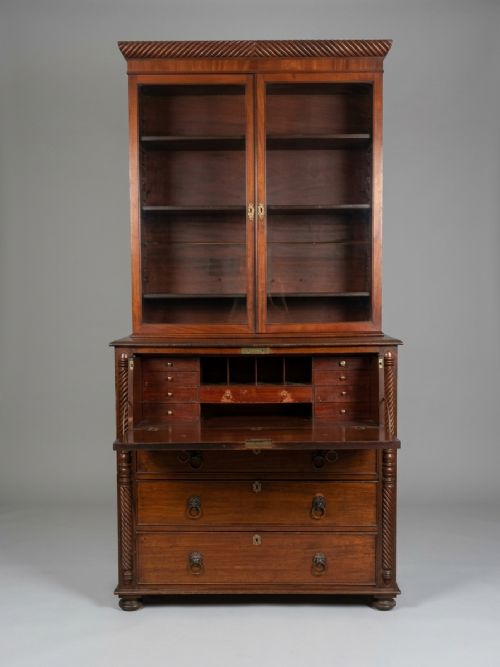
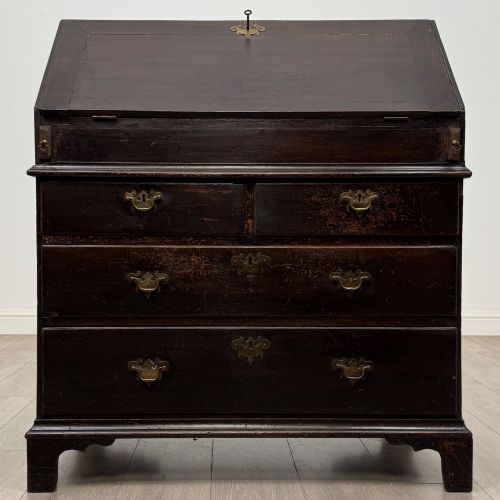
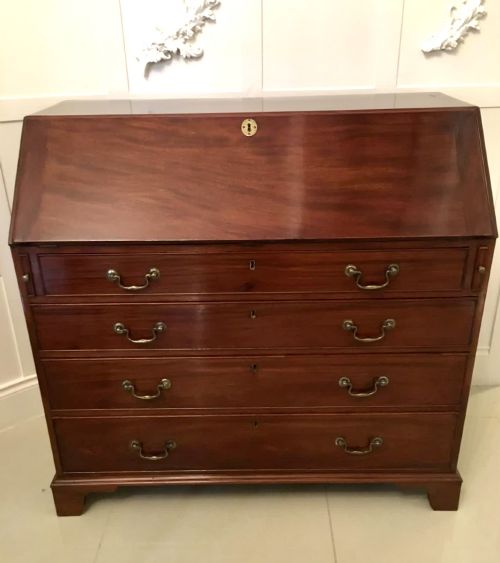
A georgian chest of drawers desk unites the drawer storage of a standard case piece with a dedicated writing surface, often taking the form of a bureau with a fall front or a secretaire chest containing a fitted writing drawer.
The pieces appearing here span the eighteenth and nineteenth centuries, alongside revival interpretations, with mahogany, walnut and oak predominating as the primary structural timbers.
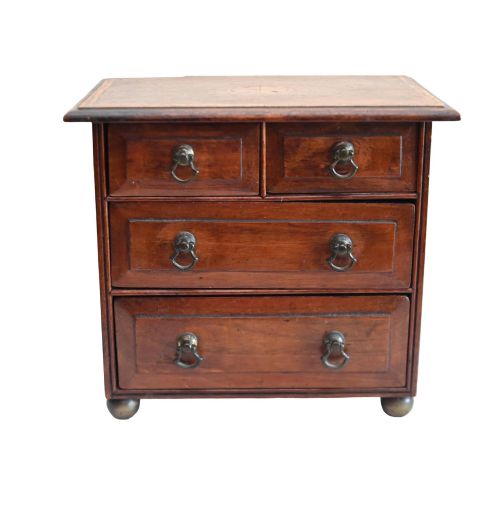
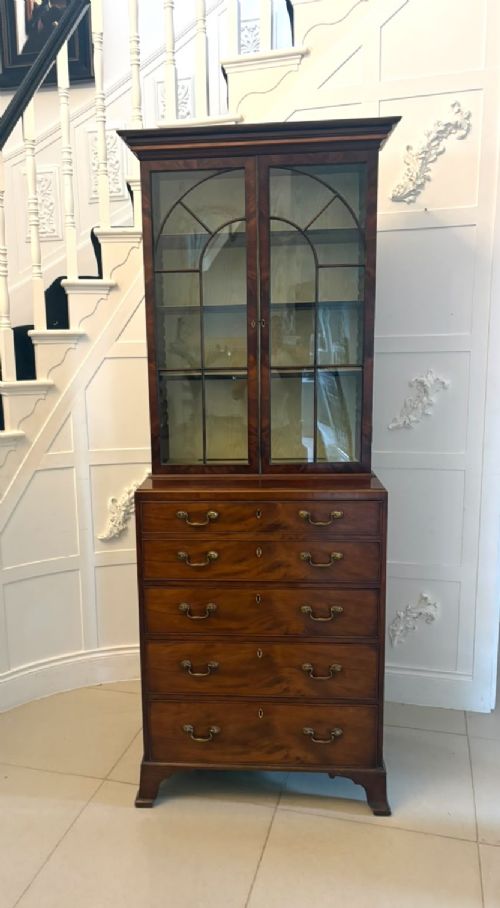
Buyers encounter everything from compact bachelor chests to tall secretaire bookcases and kneehole desks, reflecting the varied domestic requirements of past centuries.
Materials and construction
Cabinetmakers utilised solid timbers alongside fine veneers of walnut, mahogany and burr walnut, laid over secondary woods to create figured surfaces on drawer fronts and fall flaps.
Internal fittings incorporated pigeonholes, small drawers and occasionally leather or baize writing inserts, constructed with traditional dovetail joints and secured with brass hardware, locks and ironwork.
Listings feature oak, mahogany and walnut timbers alongside secondary woods such as elm, complemented by leather and baize writing surfaces.
Assessment of quality
The standard of a georgian chest of drawers desk rests upon the choice of timber figure, the crispness of internal joinery within the fitted interior and the preservation of original surfaces and handles.
Proportion and structural harmony separate simpler provincial items from pieces designed with sophisticated crossbanding, inlay and well-balanced drawer graduations.
The Georgian Chest of Drawers Desk Glossary
- Bureau
- A writing cabinet featuring a sloping fall front that opens to reveal a fitted interior of small drawers and pigeonholes.
- Secretaire
- A desk or chest of drawers containing a fitted writing drawer with a drop-down front or internal mechanism.
- Fall front
- A hinged writing flap that closes vertically against the bureau interior and rests horizontally when lowered for use.
- Kneehole desk
- A compact desk or dressing chest featuring a central recess for the user's legs, flanked by pedestals of small drawers.
- Crossbanding
- A border of veneer laid around the edges of a panel or drawer front with the grain running perpendicular to the surrounding wood.
Georgian Chest of Drawers Desk: Frequently Asked Questions
How do I use a bureau daily?
Lower the fall-front flap to reveal the internal compartments and utilise the flat surface for writing or laptop placement.
Close the flap when finished to conceal correspondence and maintain a tidy room appearance.
What is a secretaire drawer?
A secretaire drawer appears as a standard drawer on the exterior but pulls out to drop its front, revealing a fitted writing compartment inside.
This clever design conceals the workspace while preserving the formal facade of a chest of drawers.
How do I distinguish walnut from mahogany?
Walnut displays a rich brown tone with intricate figuring and contrasting dark grain lines, prominent in earlier eighteenth-century pieces.
Mahogany offers a denser, reddish-brown hue that deepens with age, becoming the dominant timber later in the Georgian period.
Where should I place a chest of drawers desk?
Position the piece against a sturdy wall with adequate clearance in front for lowering a fall flap or pulling out a writing drawer.
Keep wooden items away from direct heat sources and strong sunlight to protect the polish and veneer.