

Wooden Bureau Writing Table
A wooden bureau writing table brings purposeful workspace and rich timber grain together, offering fitted compartments and writing surfaces suited for daily correspondence.
Wooden Bureau Writing Table
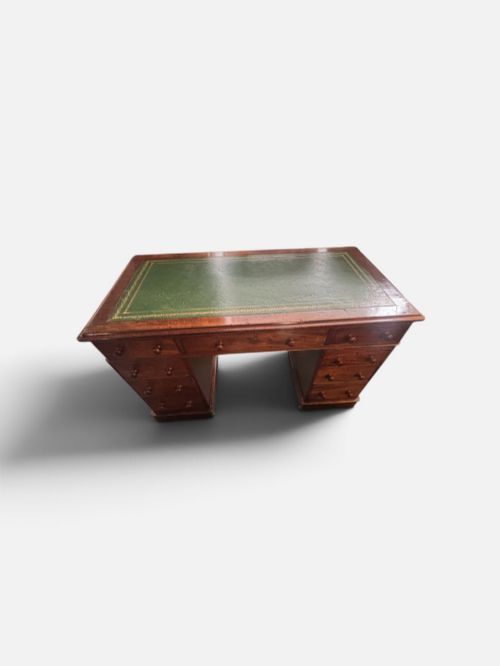
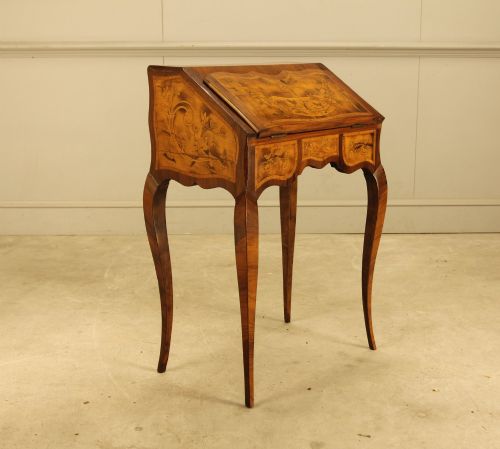
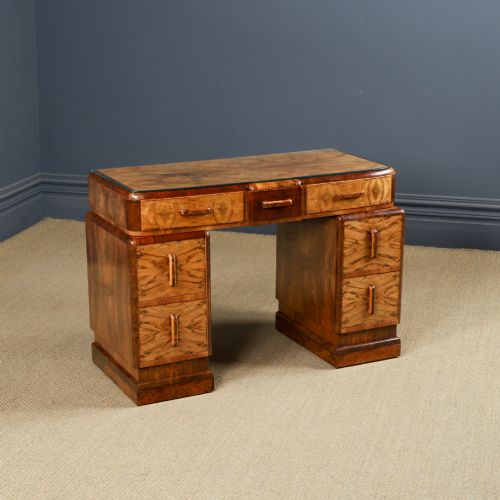
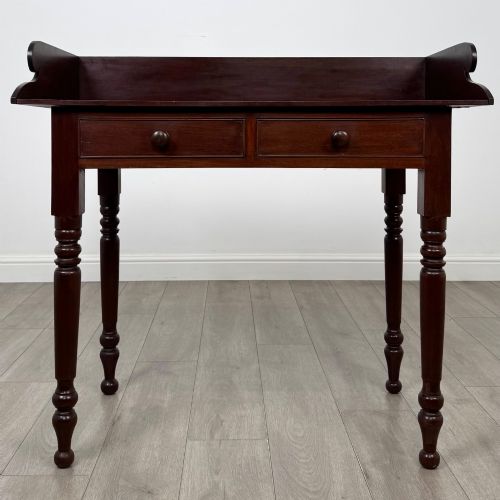
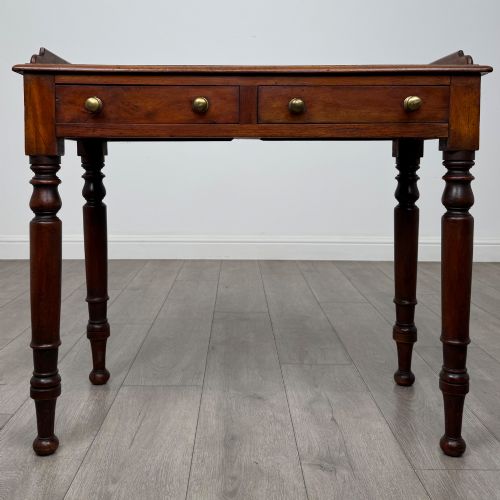
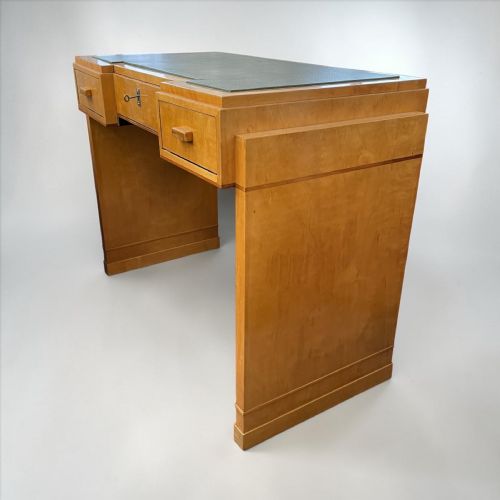
When you search for a wooden bureau writing table, you encounter forms ranging from compact fall-front examples to expansive pedestal desks and Carlton house designs. The pieces on this page span Georgian, Victorian, Edwardian, and Art Deco periods, utilising timber construction designed for practical storage and writing.
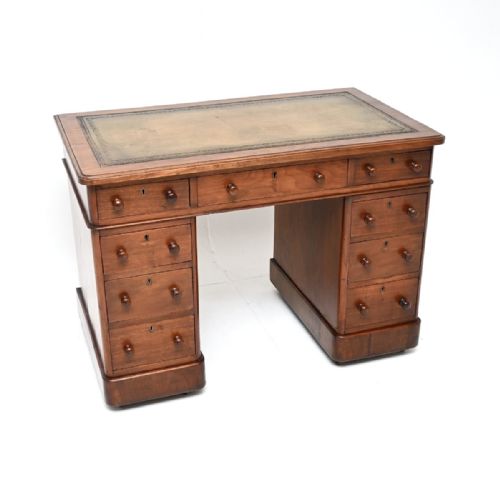
The most common formats include pedestal desks with banks of drawers, fall-front bureaux concealing fitted stationery compartments, and writing tables featuring leather inset tops. These items originate across the 18th, 19th, and 20th centuries, reflecting changing domestic and office requirements over generations of furniture making.
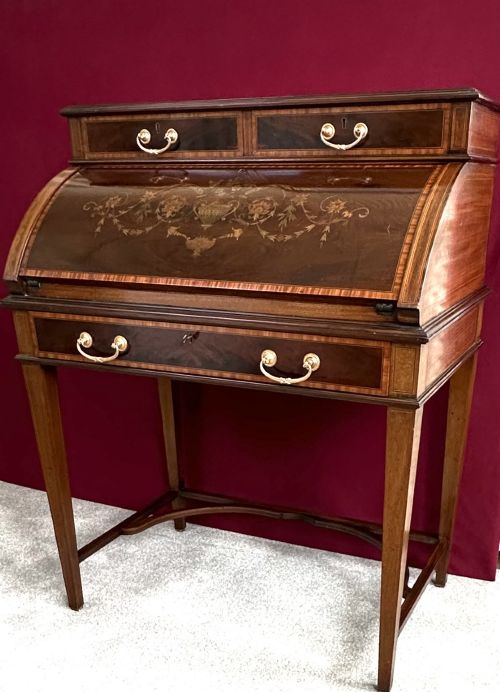
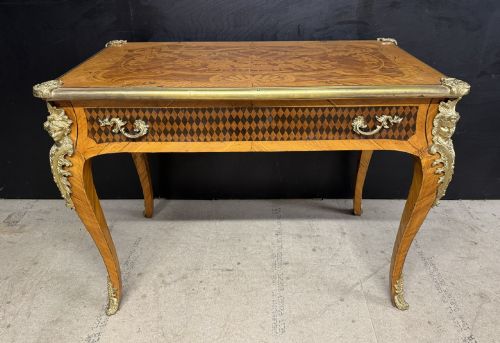
Makers and workshops of different eras applied various regional styles, from Chippendale Revival and Grand Regency to French Marquetry and sleek Art Deco lines. Each piece provides a designated surface for writing alongside integrated storage for papers and implements.
How they were made
Craftsmen built these pieces using solid timbers and decorative veneers such as mahogany, walnut, burr walnut, satinwood, and oak, often mounting brass handles and key escutcheons. Writing surfaces frequently incorporated inset leather panels bordered by blind tooling, providing a durable plane for daily use.
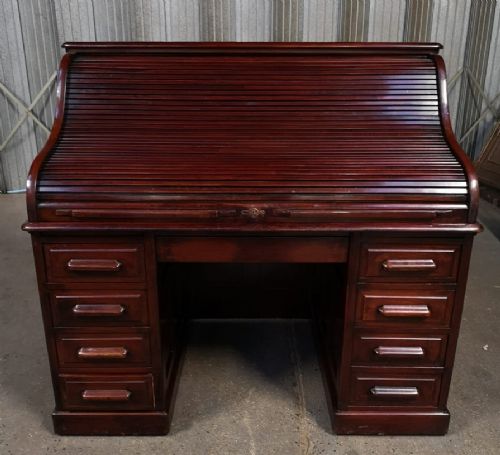
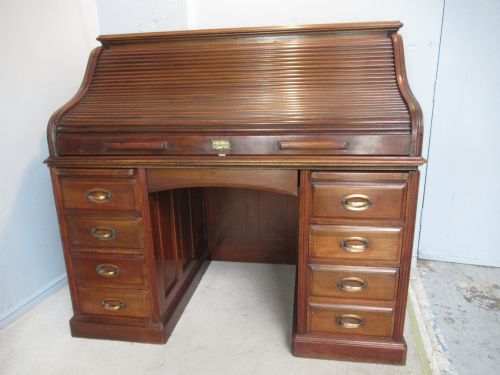
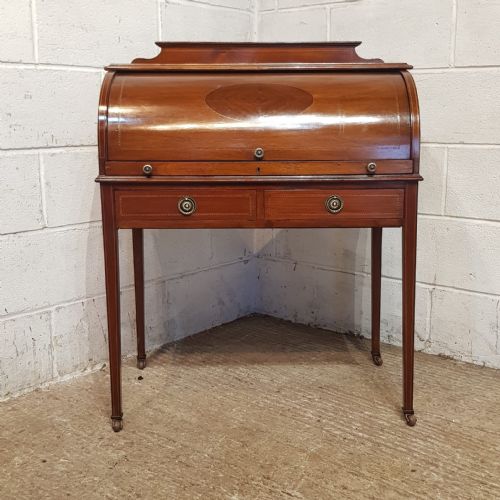
Internal compartments of bureaux and Davenport desks utilised fine secondary woods, secret drawers, and satinwood stringing to conceal small valuables and stationery. Tambour and roll-top mechanisms relied on precision-fitted wooden slats sliding smoothly within tracks to secure the desk surface.
Several compact desks hide secret compartments designed for stashing love letters away from inquisitive household staff.
What varies in quality
The distinction between standard utility furniture and exceptional examples lies in the selection of figured wood veneers, such as burr walnut or matched satinwood, and the precision of cabinetmaking joints like dovetails on drawer construction. Finer pieces demonstrate meticulous hand-carving, inlaid marquetry, and original brass hardware that complement the overall proportions.
Internal complexity also separates grades of production, where secondary drawer linings, functioning tambour mechanisms, and well-designed stationery interiors indicate superior workshop standards. The integrity of the timber movement and the crispness of applied mouldings reveal the original maker's skill level.
James Mein of Kelso·Heal's·Maple and Co·Étienne Kohlmann·George Faulkner Armitage
The Wooden Bureau Writing Table Glossary
- Fall-front
- A hinged desk panel that drops down to form a horizontal writing surface while concealing internal pigeonholes and small drawers. This format keeps writing materials enclosed when not in use.
- Pedestal desk
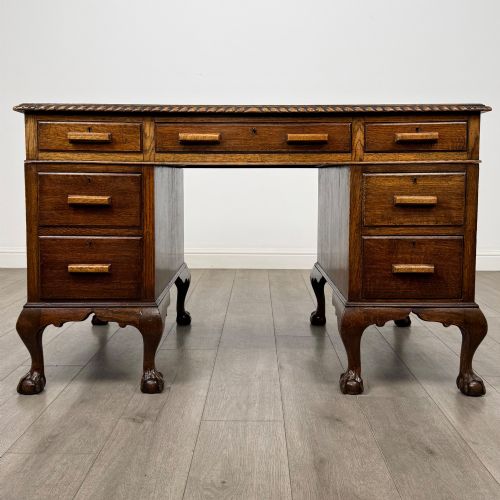
- A heavy freestanding desk comprising two supporting pedestals of drawers with a central recess for the user. These units provide substantial storage capacity.
- Davenport desk
- A compact writing desk featuring a sloping, hinged writing bed above a set of side drawers. It typically incorporates a stationery compartment on the upper rear section.
- Tambour
- A flexible shutter made of narrow wooden strips glued to canvas or leather backing, sliding in grooves to cover a desk interior. It allows secure closure of curved or flat writing areas.
- Carlton house desk
- A Davenport-style or horseshoe-shaped writing desk fitted with a raised superstructure of small drawers and compartments curving around the back and sides. It originated in the late 18th century for refined correspondence.
Wooden Bureau Writing Table: Frequently Asked Questions
How do I identify an Edwardian desk?
Edwardian desks often display lighter satinwood inlays, Sheraton Revival influences, and polished mahogany or walnut surfaces dating around nineteen hundred.
They combine traditional cabinet proportions with domestic convenience for late Victorian and early twentieth-century homes.
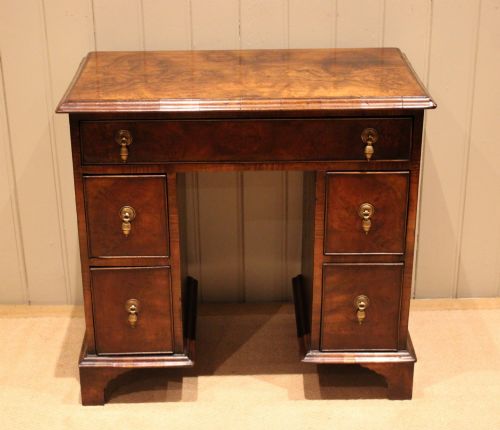
Where were kneehole desks used?
Kneehole desks served as domestic writing stations and study tables, offering central leg room flanked by vertical stacks of drawers.
Their compact footprints suited smaller chambers and private libraries.
What is a bonheur du jour?
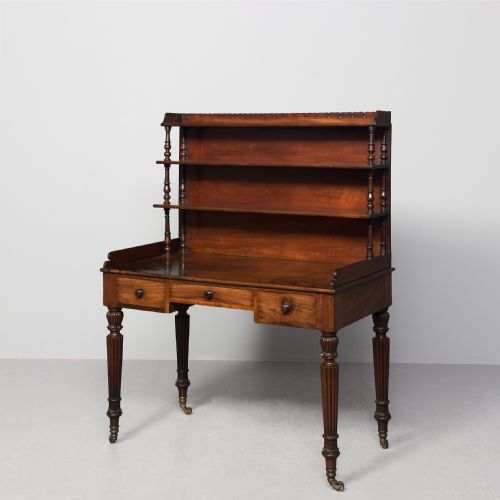
A bonheur du jour is a light lady's writing desk featuring an upper tier of small drawers and shelves above the main writing surface.
Originating in France, these decorative pieces served for correspondence and light reading.