


Georgian Ceramic Cream Jug
A georgian ceramic cream jug sits ready to pour cream at tea, bringing period table manners straight to the modern kitchen.
Georgian Ceramic Cream Jug
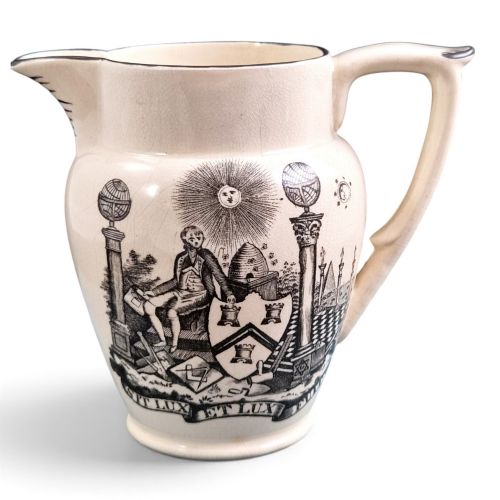
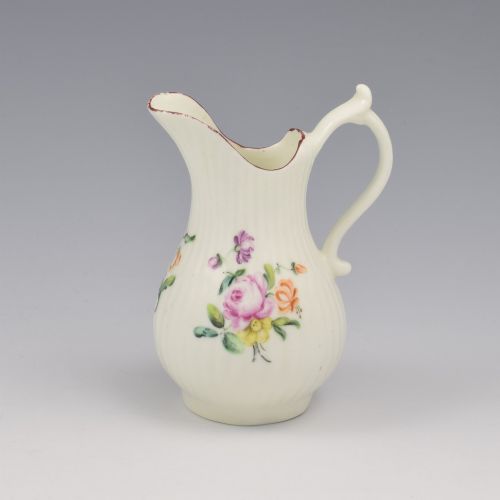
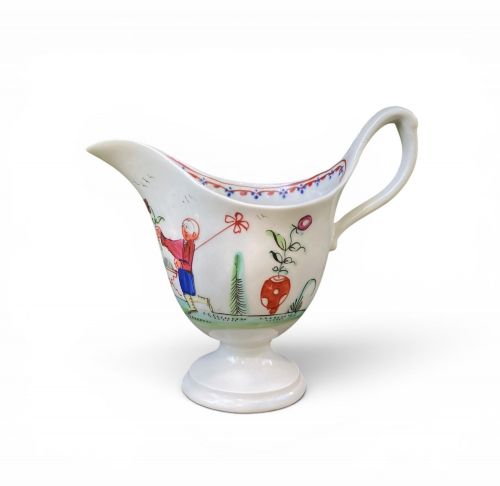
A georgian ceramic cream jug represents the small vessels made for serving milk or cream during tea service across the eighteenth and early nineteenth centuries. Buyers examine pieces spanning the Georgian, Regency, and early Victorian periods, encompassing everything from utilitarian earthenware to refined porcelain tableware.
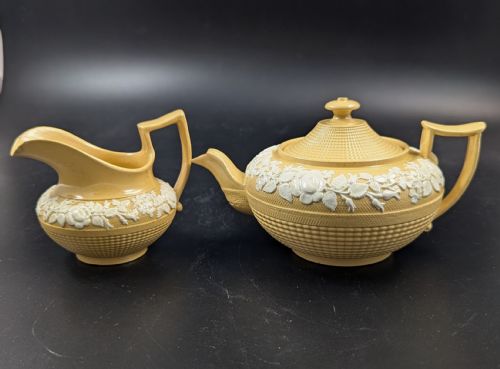
The selections on this page appear in various distinct forms, including classic cream jugs, cream boats, spouted pitchers, and figural cow creamers. Most examples date from the mid-eighteenth century through to the Regency era, displaying the domestic habits of the period.
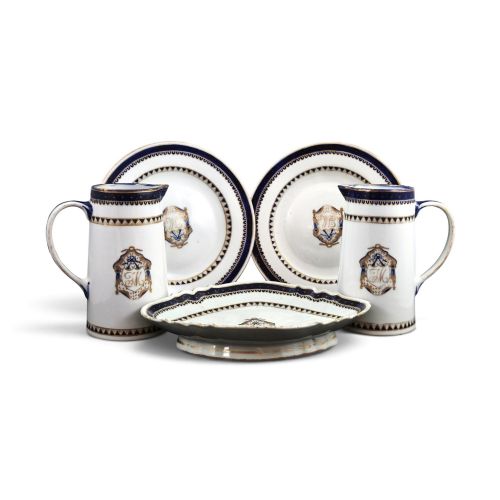
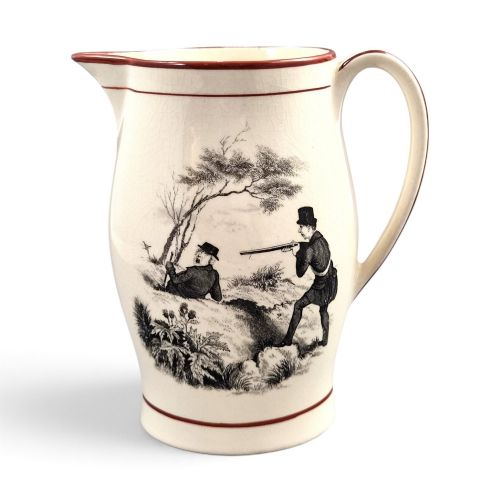
Makers and potteries from Staffordshire, Derby, Worcester, and Liverpool dominate the offerings, alongside Leeds pottery creamware and Chinese export porcelain made for the British market. Buyers meet both transfer-printed earthenware and hand-painted soft-paste porcelain within these listings.
How they were made
Potters shaped these vessels using creamware, pearlware, earthenware, and soft-paste porcelain, often employing cabbage leaf moulding or fluted baluster designs to add texture. Early pieces rely on skilled throwing and slip casting before application of lead or tin glazes.
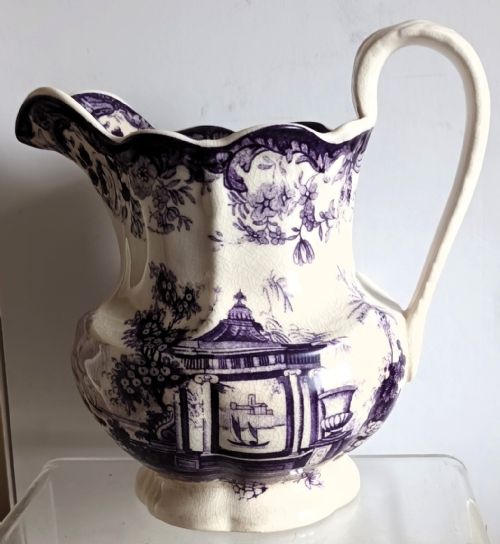
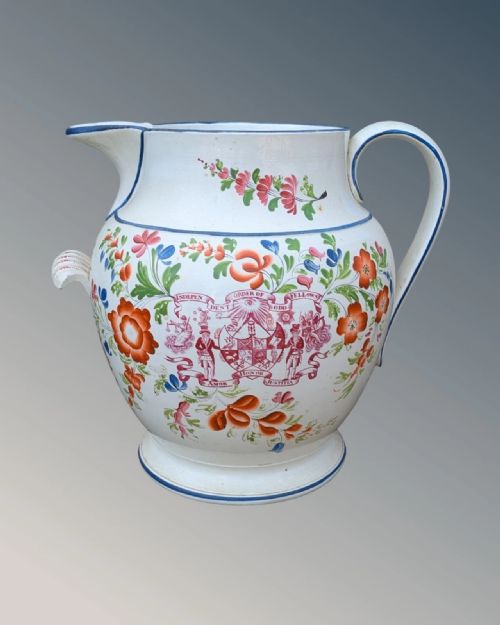
Decoration involved hand-painting, transfer printing in black, magenta, or purple, and occasional additions of gold leaf or enamel highlights. Manufacturers like New Hall and Coalport fired these wares in kilns to fix intricate polychrome patterns and monogrammed details.
A cow creamer lets you pour milk directly from a beast's mouth.
What varies in quality
Quality separates mass commercial output from ambitious factory productions through the crispness of the moulding and the clarity of transfer-printed or hand-painted details. Superior pieces display precise handle attachment, balanced spouts, and smooth, even glaze application without heavy pooling.
The artistic ambition of the decoration dictates the standing of the vessel, moving from simple utilitarian slipware to finely detailed landscape views or complex armorial and monogrammed commissions. Factory attribution and scarce body types like soft-paste porcelain or early pearlware elevate individual examples.
New Hall·John Rose Coalport·Leeds Pottery·Wedgwood·Crown Derby
The Georgian Ceramic Cream Jug Glossary
- Creamware
- A fine-grained earthenware with a pale yellowish straw-coloured glaze, perfected by Josiah Wedgwood and widely produced in Staffordshire and Yorkshire.
- Pearlware
- An improved earthenware developed in the late eighteenth century featuring a bluish glaze that pooled slightly in recesses to mimic Chinese porcelain.
- Soft-paste porcelain
- An artificial porcelain composition fired at lower temperatures than true hard-paste porcelain, common in eighteenth-century English factories like Derby and Worcester.
- Transfer printing
- A decoration technique where an engraved copper plate transfers a printed design onto paper and then onto the ceramic surface before glazing.
- Baluster
- An architectural shape featuring a curved, swelling lower section that tapers toward a narrower neck, frequently seen in eighteenth-century jug profiles.
- Ewer
- A pitcher with a wide spout and a large loop handle, often taking inspiration from classical silver forms for use at the tea table.
Georgian Ceramic Cream Jug: Frequently Asked Questions
How do I spot a pearlware jug?
Examine the glaze pooling around handles and bases for a distinct bluish tint. This specific characteristic separates pearlware from earlier creamware bodies.
Pearlware also tends to present a whiter overall ceramic body than the warm, buttery tones found on standard creamware pieces from the same era.
What is a cow creamer?
A cow creamer is a novelty ceramic vessel shaped like a cow with an opening on the back for filling and a mouth functioning as the pouring spout. They gained popularity in eighteenth-century Welsh and English pottery.
Owners filled these figural pieces from a lid on the back, making them a whimsical centrepiece for formal tea services.
Were these jugs used daily?
Most pieces served domestic tea tables within middle and upper-class households across the Georgian period. Their daily handling explains why many surviving examples show minor signs of household use.
Finer porcelain versions likely remained in cupboards for special guests, while sturdier creamware and earthenware jugs handled routine family meals.
How do I tell Derby from Worcester?
Derby porcelain often exhibits distinct soft-paste bodies with early fluted designs and specific paste translucency under strong light. Worcester pieces frequently utilise different handle formations and distinct painterly palettes.
Factory marks, where present, help confirm attribution, though many eighteenth-century bodies rely entirely on paste characteristics and stylistic traits.