

Georgian Ceramic Bowl
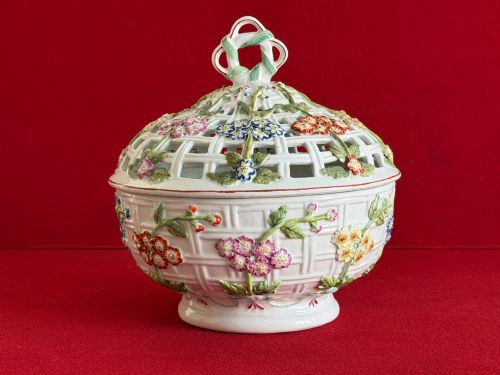
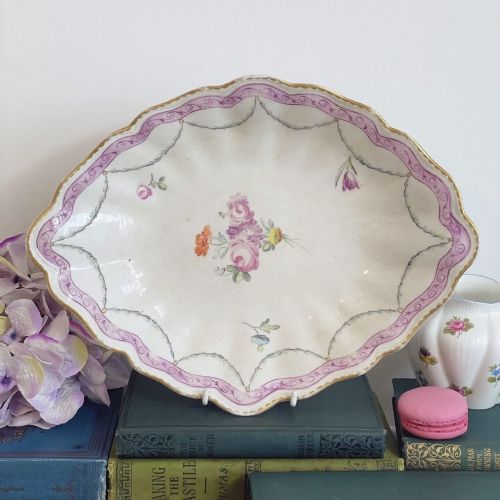
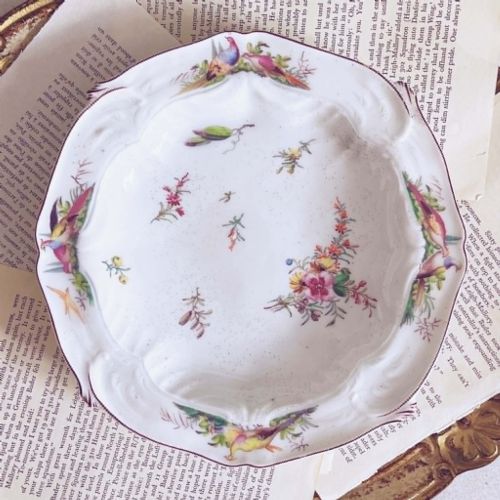
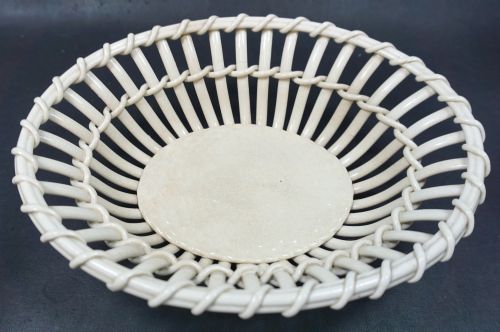
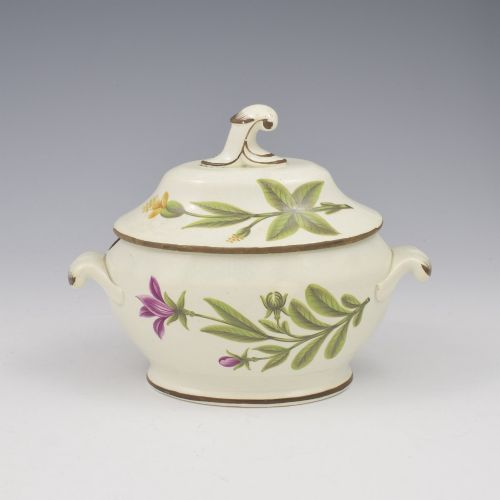
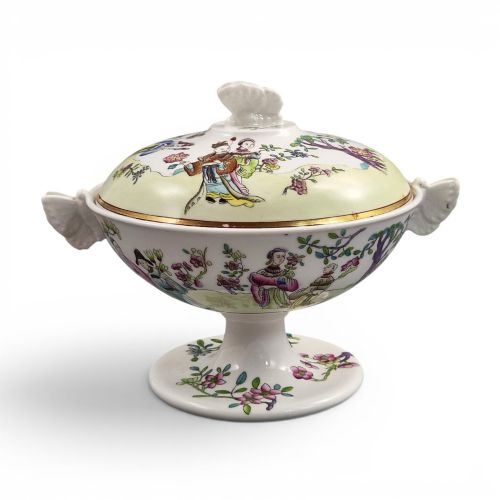
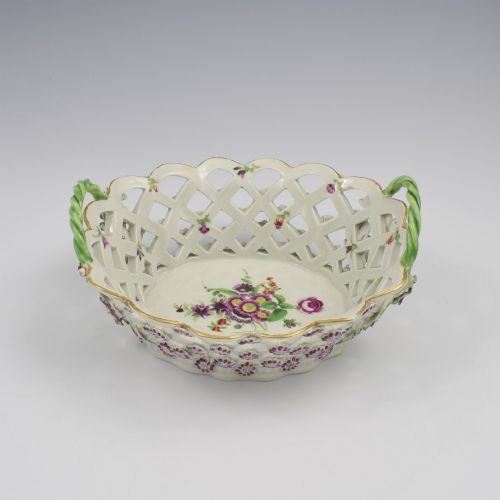
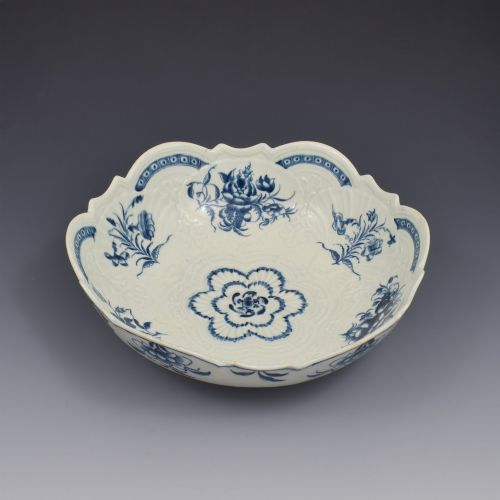
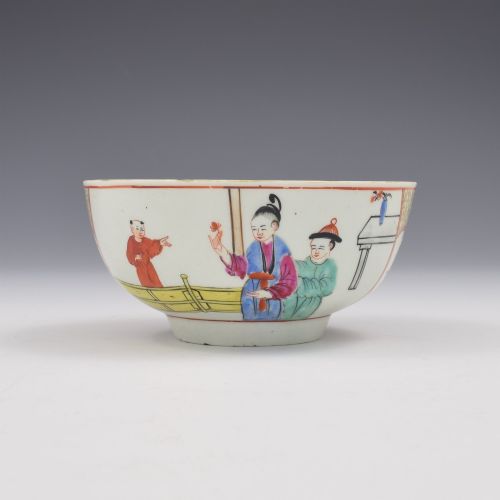
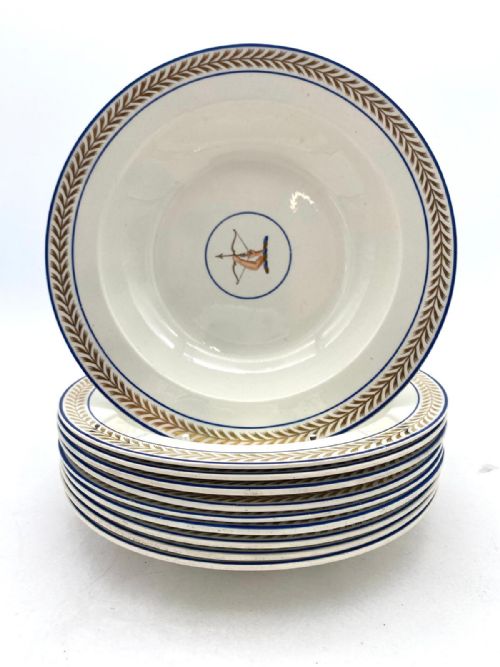
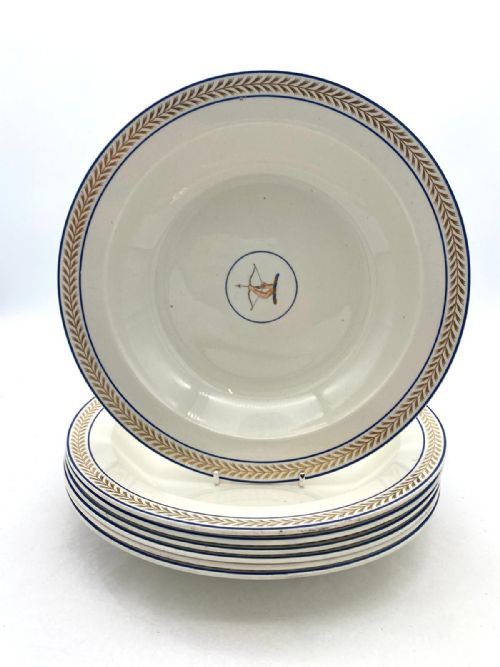
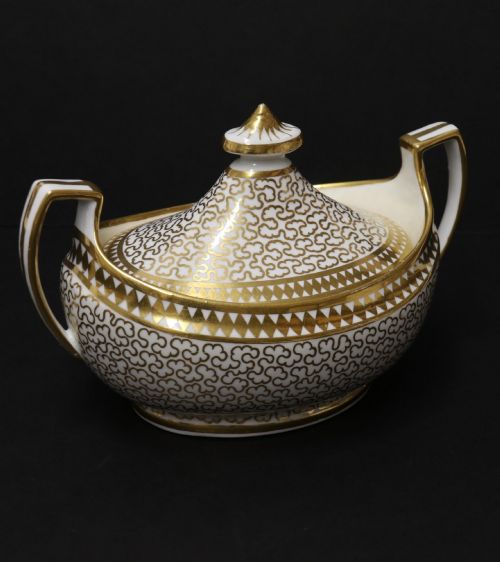
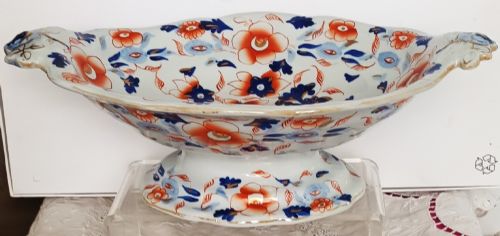
These pieces of a georgian ceramic bowl offer a glimpse into domestic life centuries ago, formed from porcelain, creamware, and earthenware.
Georgian Ceramic Bowl
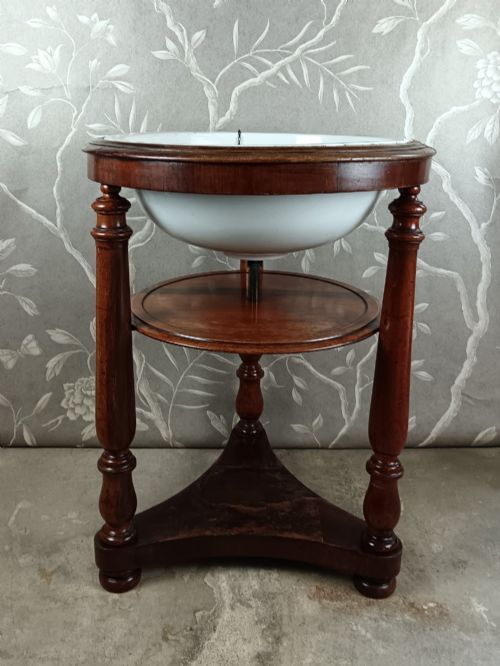
When someone searches for a georgian ceramic bowl, they encounter items shaped for serving, sugar, and washing from the eighteenth and nineteenth centuries. The selection spans sugar bowls, slop bowls, punch bowls, and footed bowls.
Most entries belong to the Georgian and Regency periods, stretching from the mid-eighteenth century into the early decades of the nineteenth century. Makers applied styles such as Rococo, Neoclassical, and Georgian Chinoiserie to these ceramic forms.
Origins trace directly to English factories and potteries working in porcelain, creamware, pearlware, and ironstone. These items served functional roles at the dining table and in the drawing room before entering the antique market.
How they were made
Potters shaped soft-paste porcelain, earthenware, and creamware by hand or mould, applying glazes before firing the ceramic body in kilns. Some factories utilised ironstone or felspar porcelain for increased durability.
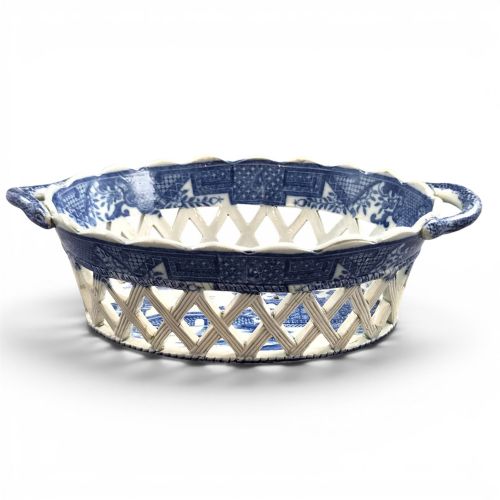
Decorations involved handpainted polychrome pigments, blue and white transfer printing, and enamel highlights. Artisans also incorporated gold leaf and moulded relief details into the damp clay or onto the fired glaze.
Gentlemen of the eighteenth century kept their own dedicated slop bowls near the tea tray to receive discarded leaves.
What varies in quality
Skill in handpainting separates ordinary vessels from superior examples, particularly where polychrome birds, flowers, or figures appear. The precision of transfer printing and the crispness of moulded basketwork or reticulation also dictate execution standards.
Factory origin influences standing, with pieces from established works like First Period Worcester, Chelsea, and Derby commanding distinct attention. The preservation of original covers, handles, and painted enamel colours maintains the integrity of each vessel.
Derby Porcelain·Chelsea·Wedgwood·Swansea·Spode·Dr Wall Worcester·Chamberlains Worcester·J. & R. Clews·J. & R. Riley·John Rogers and Son·Crown Derby·Mason·Ridgway
The Georgian Ceramic Bowl Glossary
- Creamware
- A fine earthenware developed in England during the eighteenth century, characterised by a pale yellowish cream glaze. Wedgwood notably produced armorial services in this refined body.
- Pearlware
- An earthenware body introduced in the late eighteenth century featuring a subtle bluish glaze that pooled in recesses to mimic Chinese export porcelain. It often carried botanical transfer prints.
- Ironstone China
- A heavy, durable ceramic patented in the early nineteenth century that resisted chipping. Factories utilised it for robust tureens and footed comports.
- Sucrier
- A covered vessel designed specifically for holding loose sugar at the tea table. These often matched teacups and saucers in porcelain sets.
- Transfer printing
- A technique where an engraved copper plate transferred a design onto tissue paper and then onto the ceramic surface before glazing and firing. This method allowed intricate patterns like river scenes and castles to be replicated consistently.
Georgian Ceramic Bowl: Frequently Asked Questions
What is a slop bowl?
A slop bowl was utilised at the tea table for emptying tea dregs and spent tea leaves from cups before pouring a fresh brew.
These vessels match the tea bowls and saucers from the same period in pattern and ceramic body.
How do I date a transfer printed bowl?
Dating relies on the factory mark, the style of the blue and white transfer pattern, and the ceramic composition such as ironstone or earthenware.
Archival records of the partnerships, such as J. & R. Clews, narrow the production window to specific decades.
Can I use these bowls for serving food?
Most buyers display these ceramic pieces as decorative items rather than utilising them for modern dining.
Age, historic glazes, and potential hairline fractures mean they receive care as cabinet or table ornaments.
What is felspar porcelain?
Felspar porcelain is an innovative ceramic body introduced in the nineteenth century containing feldspar minerals.
Factories like Spode utilised this composition to create durable pedestal bowls and covered dishes with improved whiteness.