
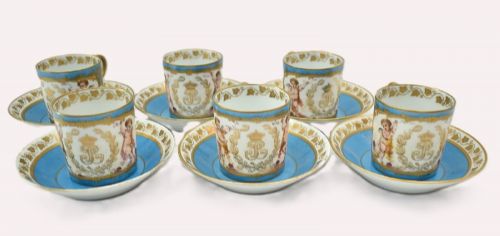


Antique Ceramic Tea Cup
An antique ceramic tea cup carries the weight of eighteenth and nineteenth-century parlours, offering tactile pleasure and historical craft.
Antique Ceramic Tea Cup
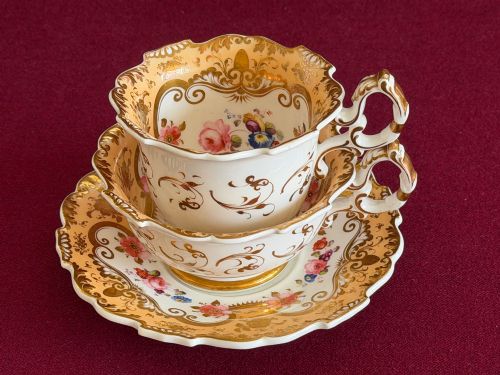
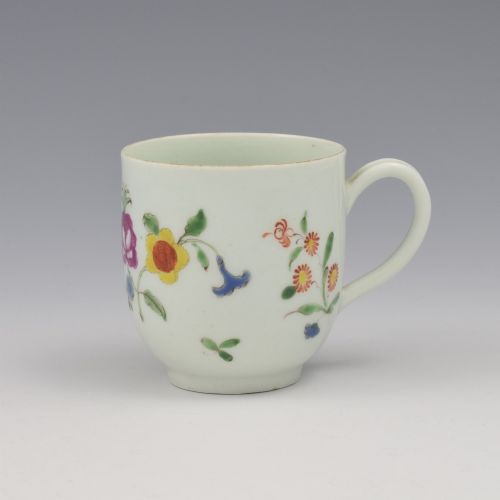
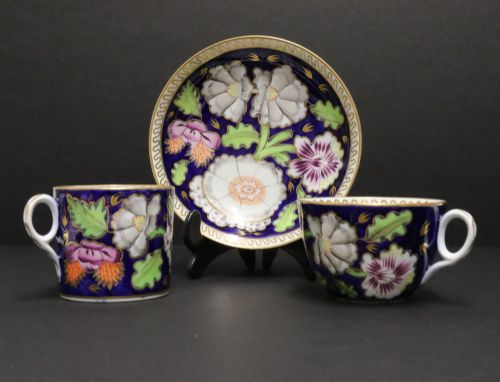
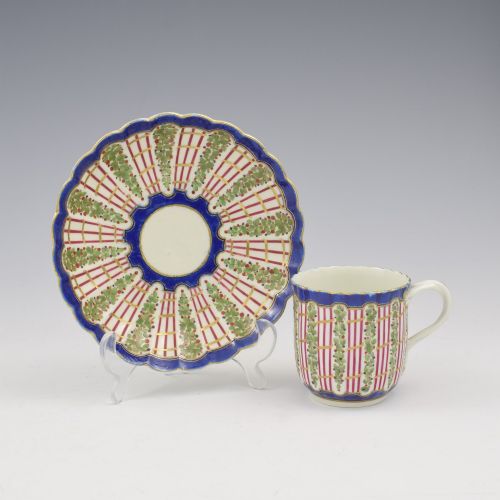
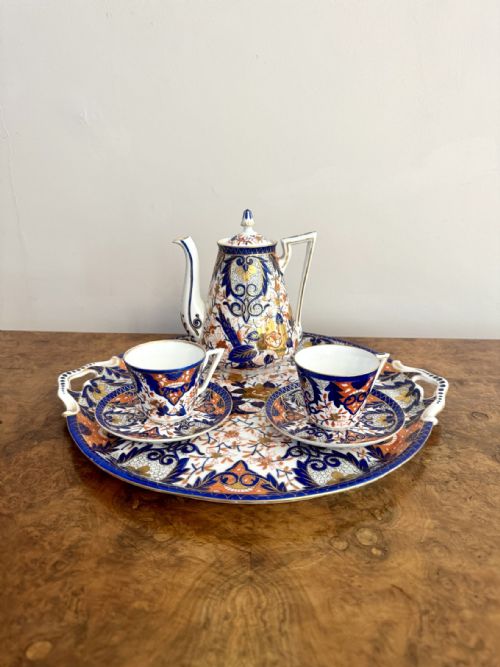
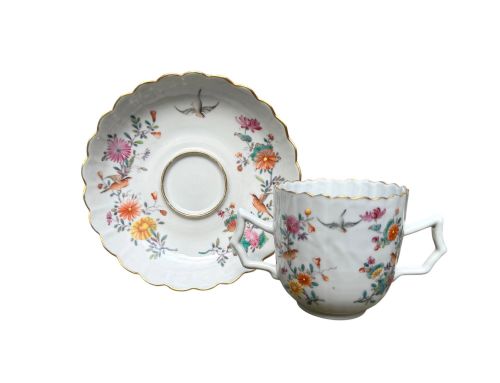
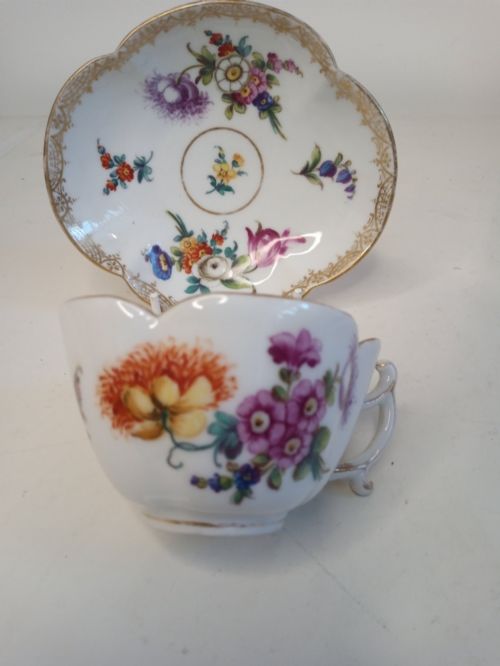
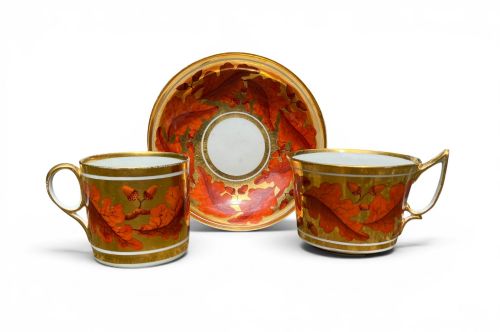
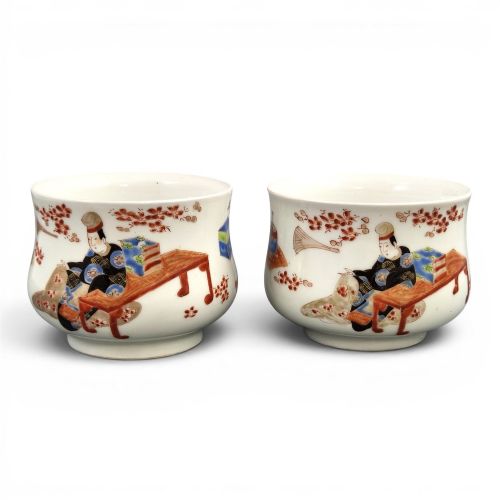
When searching for an antique ceramic tea cup, collectors examine domestic vessels produced across the eighteenth and nineteenth centuries, including Regency, Georgian, and Victorian periods. These pieces range from solitary tea bowls and coffee cups to extensive cabinet trios and afternoon tea services.
The selections encountered here originate from English factories like Worcester and Coalport, continental European makers, and Asian export markets. Forms shift from simple bowls to handled cups accompanied by matching saucers and stands.
How they were made
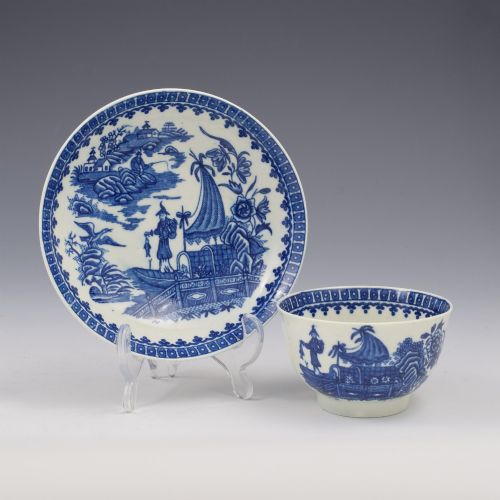
Potters utilised porcelain, bone china, creamware earthenware, and soft-paste porcelain, shaping the body before applying intricate hand-painted designs or transfer printing. Glaze seals the porous clay body, providing a smooth surface for subsequent enamel decoration.
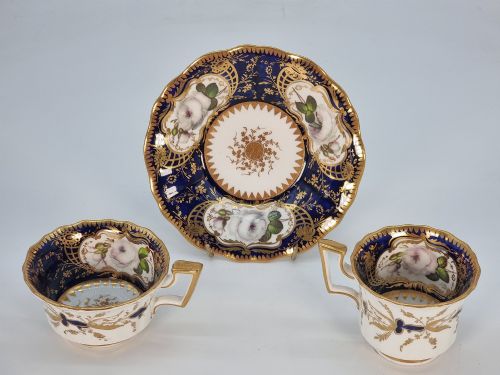
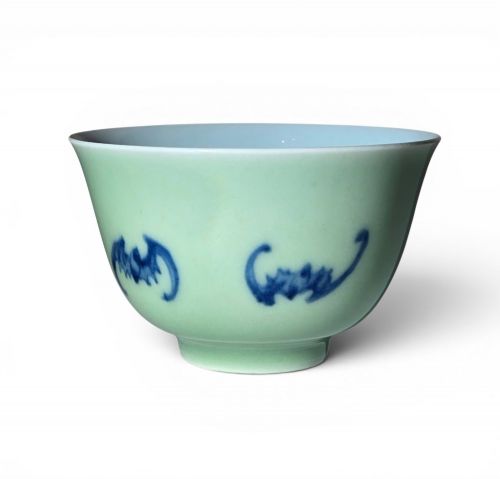
Many items incorporate gold leaf and gilding alongside underglaze blue painting or polychrome enamels. Firing techniques determined the ultimate vitrification and translucency of the ceramic material.
Listings feature porcelain, bone china, and earthenware across eighteenth-century, nineteenth-century, Regency, and Victorian periods.
What varies in quality
Quality rests upon the crispness of the painted or printed pattern and the refinement of the ceramic body itself. Early soft-paste porcelain often shows subtle warping from the kiln, whereas later bone china displays greater uniformity.
The precision of hand-pencilled gilding and the delicacy of the potting separate standard domestic wares from cabinet pieces intended for display. Rarity of specific factory patterns and decorators further elevates the standing of an individual piece.
Richard Chaffers·John Rose·Hicks, Meigh And Johnson·Flight, Barr And Barr·Moscow Factory
The Antique Ceramic Tea Cup Glossary
- Trio
- A matched set comprising a tea cup, coffee cup, and saucer.
- Soft-Paste Porcelain
- An artificial porcelain composition fired at lower temperatures than hard paste, developed by early European potteries.
- Creamware
- A refined earthenware with a pale yellowish-white glaze, perfected in England during the eighteenth century.
- Tea Bowl
- A small, handleless drinking vessel derived from Chinese traditions, used before standard cups became common.
- Enamel
- Opaque vitreous colours fused to the ceramic surface during a secondary low-temperature firing.
Antique Ceramic Tea Cup: Frequently Asked Questions
What is a tea bowl?
A tea bowl is a handleless drinking vessel designed for early tea-drinking customs, mirroring forms imported from East Asia during the eighteenth century.
Collectors prize these unhandled pieces for their intimacy and direct connection to early ceramic manufacturing methods in Europe and China.
How do I date an old cup?
Dating relies upon factory marks stamped or painted on the base, combined with stylistic clues such as handle shapes and floral motifs.
Changes in ceramic bodies, from soft-paste porcelain to refined bone china, also provide clear chronological boundaries for these items.
Can I use them today?
Many antique cups remain structurally sound for careful use, though hand washing is essential to protect delicate gilding and enamels.
Collector pieces with fragile soft-paste bodies or historical significance are generally reserved for display in cabinets rather than daily service.
What makes a trio different?
A trio consists of a tea cup, a matching coffee cup, and a shared saucer, forming a versatile nineteenth-century set.
This configuration accommodated different hot beverages served during formal morning or afternoon gatherings in period homes.