


Regency Period Porcelain Cup
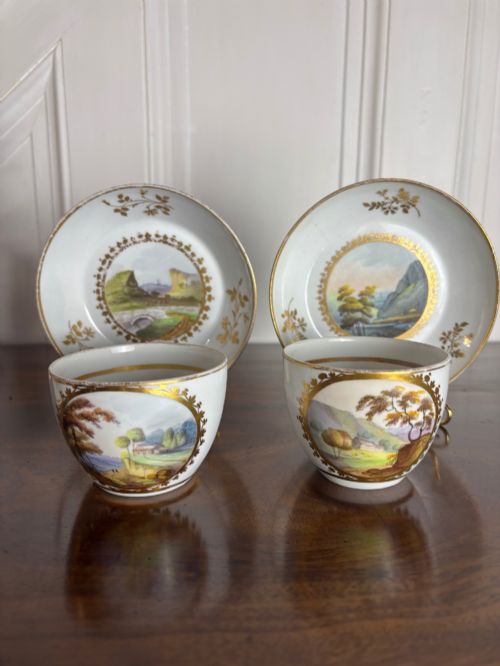
These regency period porcelain cup examples bring neoclassical elegance and fine handpainted detail to the table.
Regency Period Porcelain Cup
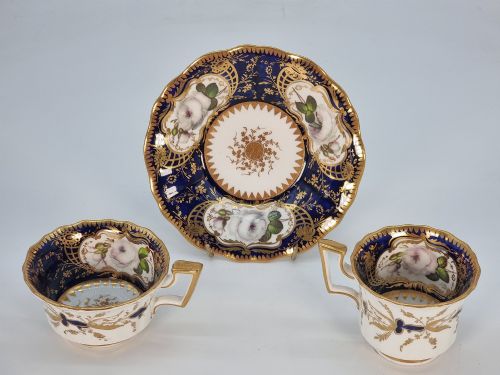
The regency period porcelain cup encompasses teacups and saucers, cabinet cups, coffee cans, and chocolate cups dating from the early nineteenth century. Collectors searching for a regency period porcelain cup will frequently encounter pieces produced during the Georgian and Regency eras, spanning manufacturers from Worcester, Minton, and Spode.
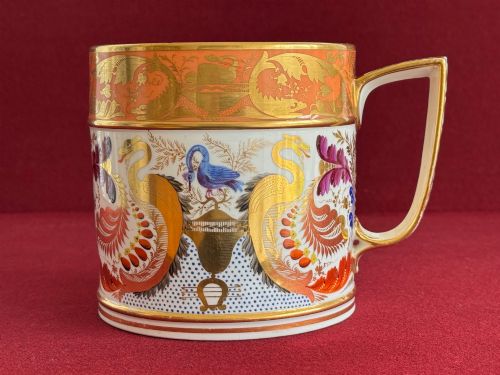
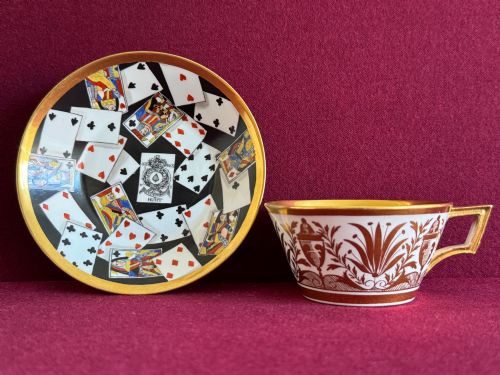
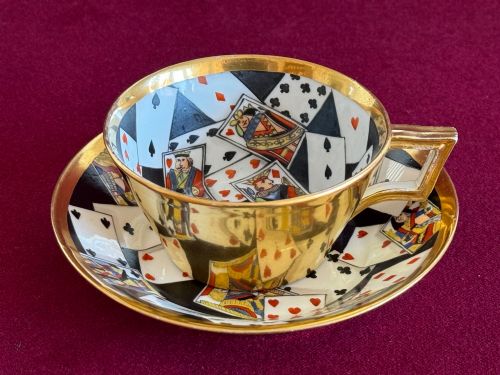
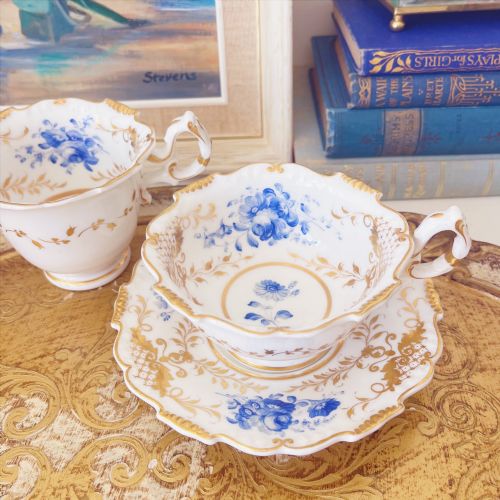
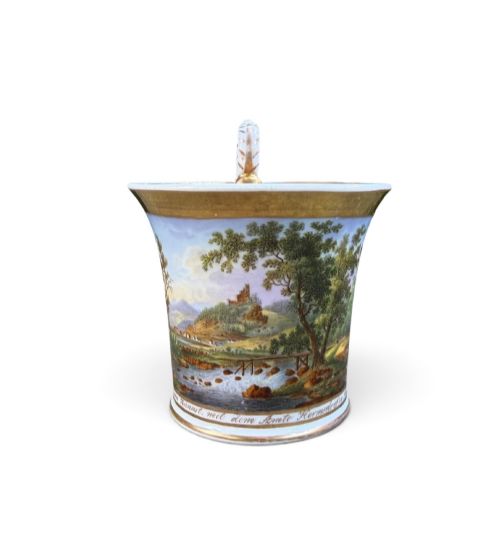
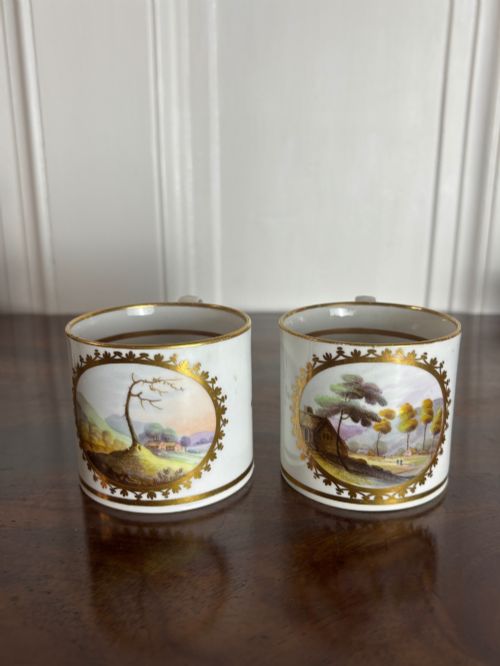
Forms vary from practical tea and coffee trios to decorative cabinet cups designed for display rather than daily use. Pieces reflect neoclassical and Georgian styles, often decorated with landscape paintings, topographical scenes, or intricate handpainted motifs.
Most examples originate from renowned English potteries alongside select continental works such as Berlin porcelain. The assortment ranges from matched cups and saucers to single cabinet vessels and multi-piece trios.
Materials and Techniques
Potteries utilised porcelain, bone china, and hard-paste porcelain as the primary body materials for these vessels. Artisans shaped the ceramic forms by hand or mould before applying glazes and specialised foundational coats.
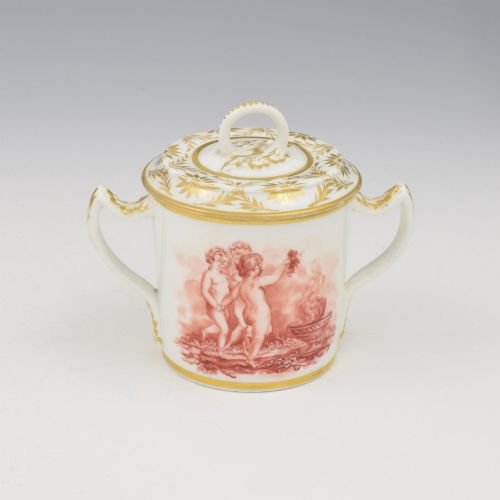
Decoration relied heavily on meticulous handpainted enamel work combined with gold leaf and gilding to accentuate handles, rims, and pictorial panels. Skilled artists painted miniature landscapes, botanical themes, and figural scenes directly onto the ceramic surface.
Sepia putti peer from chocolate cups while dragons guard compartments on Worcester saucers.
Quality and Craftsmanship
The distinction between standard production and top-tier pieces rests on the precision of the handpainted details and the execution of the gilding. Master painters created intricate topographical landscapes and figural subjects that elevate a standard vessel into an exceptional cabinet cup.
The sophistication of the porcelain body and the crispness of neoclassical moulding further differentiate the range. Well-preserved gilding and intact enamel colours without rubbing indicate superior preservation and finer original manufacture.
H and R Daniel·Coalport John Rose·Berlin Porcelain·Bloor Derby·Minton·Flight Barr and Barr·Yates·Duesbury and Kean·Spode
The Regency Period Porcelain Cup Glossary
- Cabinet cup
- A decorative vessel made primarily for display in a cabinet rather than for serving tea or coffee. These pieces often feature elaborate topographical or figural paintings.
- Coffee can
- A straight-sided cylindrical cup designed specifically for drinking strong coffee during the early nineteenth century. They frequently accompany matching saucers in a trio.
- Trio
- A matched set consisting of a teacup, a coffee cup, and a saucer. They represent typical tea service configurations of the Georgian and Regency periods.
- Hard-paste porcelain
- A durable ceramic composition fired at very high temperatures, composed of kaolin and petuntse. It provides a bright white and vitrified body favoured by continental and select English factories.
- Gilding
- The application of gold leaf or gold powder to ceramic surfaces for ornamentation. High-quality pieces feature burnished gold accents along the rims and handles.
Regency Period Porcelain Cup: Frequently Asked Questions
What is a regency period porcelain cup?
A regency period porcelain cup is a ceramic drinking vessel or cabinet piece produced during the early nineteenth century. These items reflect neoclassical and Georgian aesthetics through painted landscapes and gilded details.
They include teacups, coffee cans, and chocolate cups created by notable factories such as Worcester, Spode, and Minton.
How were these cups used?
Many of these pieces served practical functions during formal tea and coffee drinking rituals in the home. Trios and matched sets accommodated hot beverages for guests and family members.
Cabinet cups, conversely, served a purely decorative purpose and were displayed in glass-fronted furniture to demonstrate taste and wealth.
How can I tell different periods apart?
Distinguishing periods involves examining the paste, the ceramic body, and the painting style. Earlier pieces often exhibit softer glazes and distinct porcelain formulations characteristic of specific potteries.
Stylistic cues such as neoclassical motifs, floral patterns, and factory marks on the base help narrow down the date of production.