


Antique Worcester Tea Cup
An antique worcester tea cup holds the warmth of eighteenth-century porcelain manufacture in a form designed for delicate handling.
Antique Worcester Tea Cup
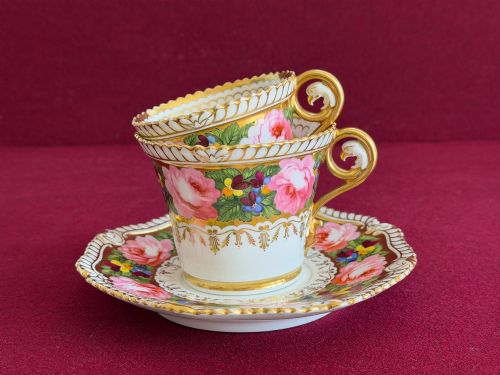
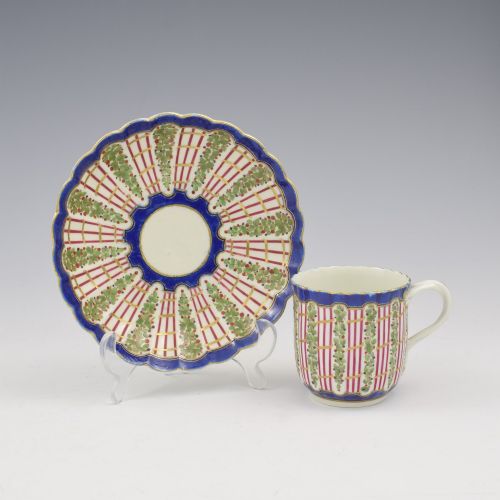
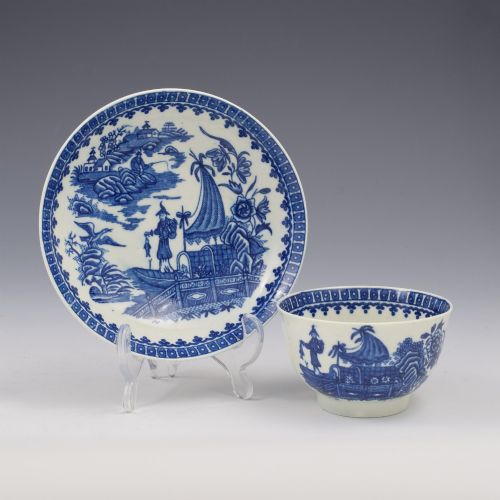
An antique worcester tea cup brings together centuries of British ceramic history, spanning from eighteenth-century tea bowls to later Victorian and twentieth-century services. When searching for this phrase, collectors encounter various forms including tea bowls and saucers, coffee cups, and complete trios.
The pieces on this page originate predominantly from the eighteenth and nineteenth centuries, taking in the First Period, Georgian, Regency, and Victorian eras. Tea bowls without handles appear alongside handled teacups, reflecting the evolution of tea drinking habits over generations.
How they were made
Potters utilised porcelain, soft-paste porcelain, bone china, and soapstone to form the body of each vessel, often incorporating moulded elements such as the chrysanthemum pattern. These ceramic bodies required careful firing in kilns before receiving hand-painted or transfer-printed decoration.
Finishing touches involved the application of enamel, gold leaf, and extensive gilding to enhance the visual appeal of motifs like hop trellis, fancy birds, and blue scale grounds.
Listings feature porcelain bodies ranging from eighteenth-century soft-paste and soapstone to later bone china.
What varies in quality
The finesse of the hand-painted decoration distinguishes standard production from finer cabinet pieces, particularly in detailed motifs such as birds, flowers, and armorial designs. Cobalt blue underglaze printing and vibrant enamel application show varying degrees of precision from one workshop period to another.
The purity of the porcelain paste and the crispness of moulded relief work also indicate the standard of manufacture, alongside the richness and preservation of the gold leaf and gilding applied to the rims and handles.
Flight Barr and Barr·Samuel Astles·Royal Worcester·Chamberlain Worcester
The Antique Worcester Tea Cup Glossary
- Tea bowl
- A handleless cup used for drinking tea before the widespread adoption of handled teacups in European dining. These small vessels require two hands to lift safely.
- Soft-paste porcelain
- An artificial ceramic composition fired at lower temperatures than hard paste, popular in early English factories. It yields a warm, creamy texture beneath the glaze.
- Wet blue
- A rich, deep underglaze cobalt blue applied by painting or soaking the surface before firing. This technique creates a distinctive mottled background colour on porcelain.
- Blush ivory
- A tinted ceramic finish developed by Victorian potteries to mimic the warm tone of natural ivory. It typically serves as a ground for delicate painted floral decoration.
- Trio
- A matching set comprising a tea cup, a saucer, and a matching side plate for small cakes. These combinations became common in later nineteenth-century tea services.
Antique Worcester Tea Cup: Frequently Asked Questions
How do I date an antique Worcester tea cup?
Dating relies on identifying factory marks on the base, stylistic periods, and the composition of the ceramic body itself. Early pieces from the eighteenth century often feature crescent or square fretted marks, while nineteenth-century items bear various script and impressed marks specific to periods like the Regency or Victorian eras.
Changes in porcelain recipes, from early soft-paste and soapstone mixtures to later bone china, also provide clues to the decade of manufacture. Comparing painted patterns against documented factory archives helps narrow down the exact production window.
What is the difference between a tea bowl and a tea cup?
A tea bowl is a small, handleless vessel designed in the Chinese export style for sipping hot tea. Tea cups include an applied handle for a single-finger or pinch grip, reflecting changing European dining habits.
Tea bowls dominate the earliest eighteenth-century listings, while handled cups become standard by the Regency period. Both forms were typically paired with a matching saucer to catch drips and cool the beverage.
Can I use these cups for drinking tea today?
While these pieces are structurally intact porcelain, most owners choose to display them rather than use them for daily dining. Historic soft-paste porcelain and delicate gilding are sensitive to thermal shock and modern detergents.
Hand washing in lukewarm water with mild soap is necessary if occasional use is desired. Dishwashers and microwaves must be avoided entirely to preserve the enamel and gold leaf.
What does First Period Worcester mean?
First Period Worcester refers to the foundational era of the Worcester porcelain factory, lasting roughly from its establishment in 1751 until 1783. Items from this time are prized for their soft-paste bodies and distinctive blue and white or polychrome painted designs.
Pieces carrying this attribution often show characteristic variations in the glaze and paste due to the experimental nature of early English porcelain manufacture. Collectors look for specific factory marks associated with Dr Wall's management during these decades.