

Antique Creamware Pottery
Antique creamware pottery brings the subtle warmth of refined earthenware to the table, offering a pale, buttery body that collectors prize for its understated elegance.
Antique Creamware Pottery
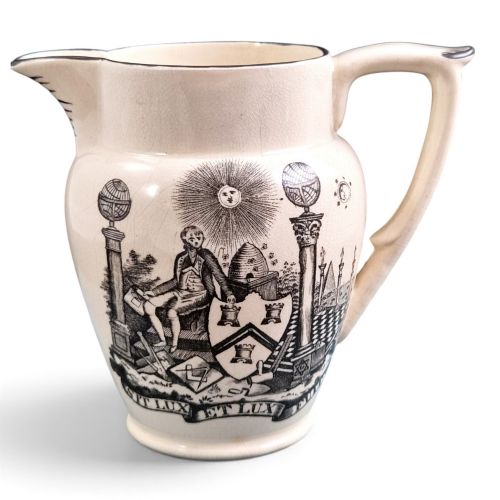
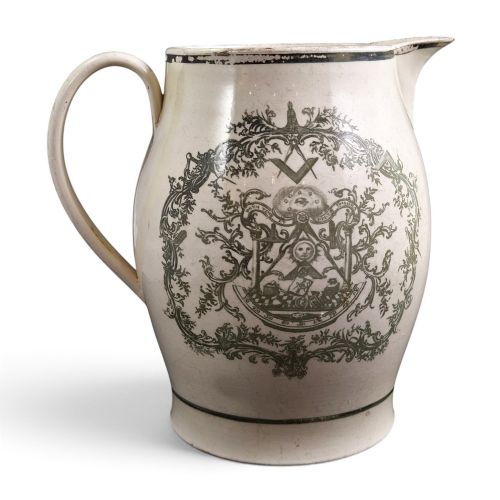
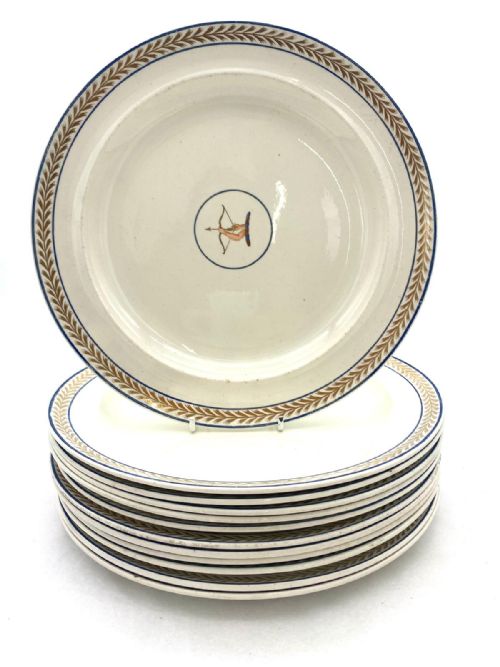
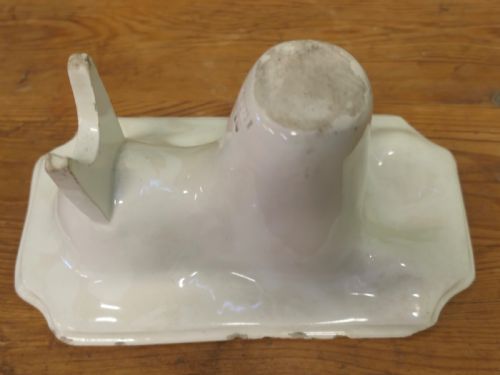
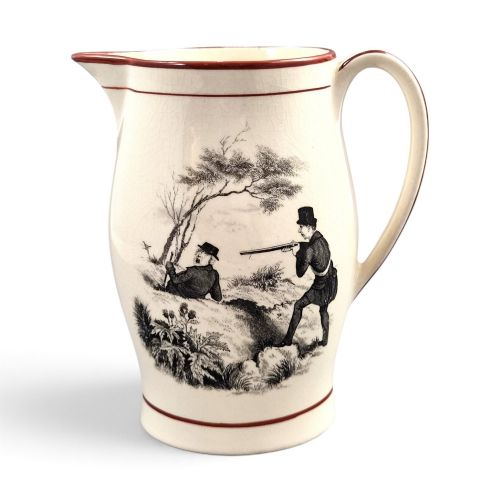
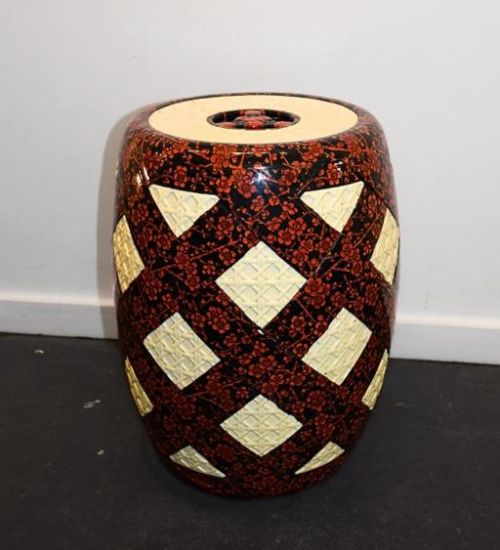
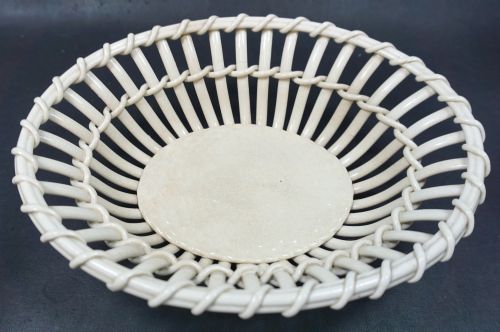
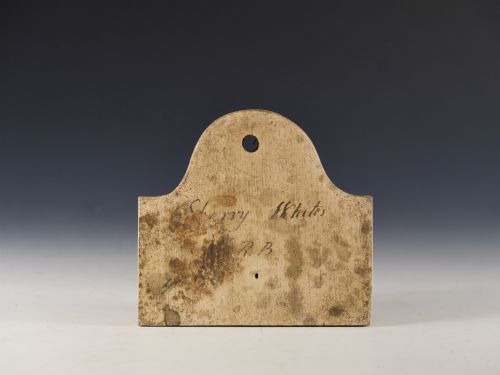
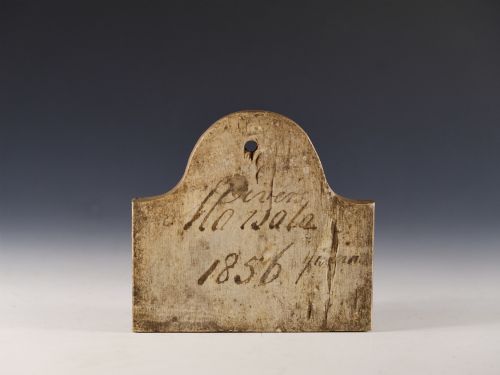
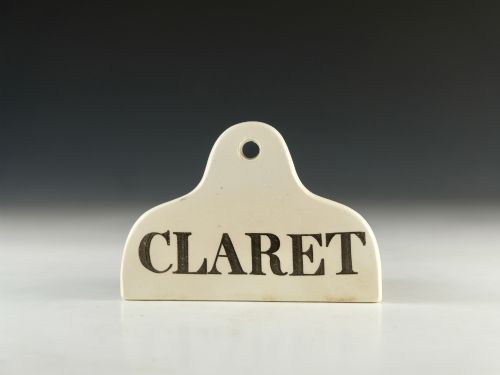
Antique creamware pottery encompasses a versatile range of utilitarian and decorative domestic objects originating largely from English kilns during the eighteenth and nineteenth centuries. The pieces available here span robust jugs and pitchers, elegant dinner plates, dessert services, jelly moulds, and garden seats.
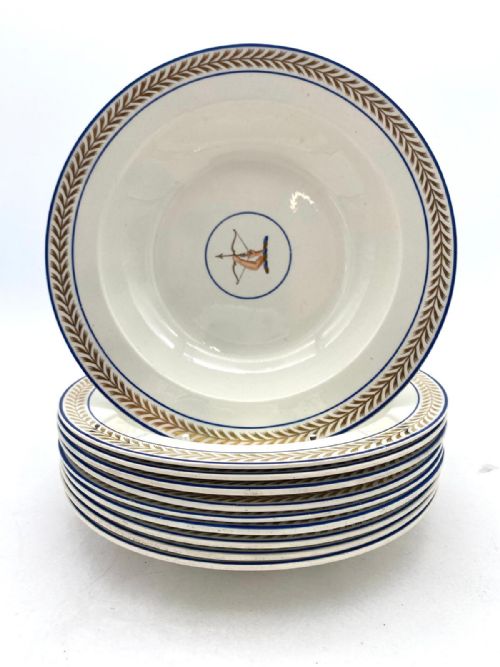
Buyers will most frequently encounter Georgian and Regency examples, particularly transfer-printed jugs, armorial plates, and cream-glazed tableware. These items reflect both the everyday domestic dining habits and the more ambitious display requirements of households from the period.
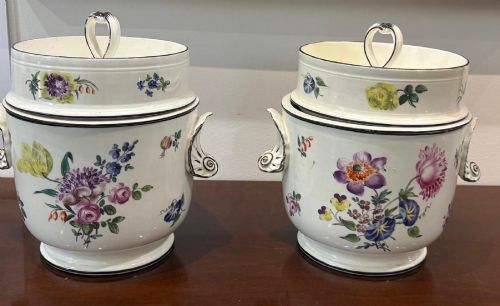
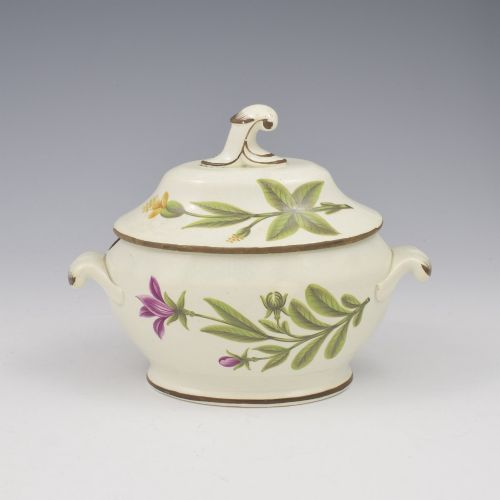
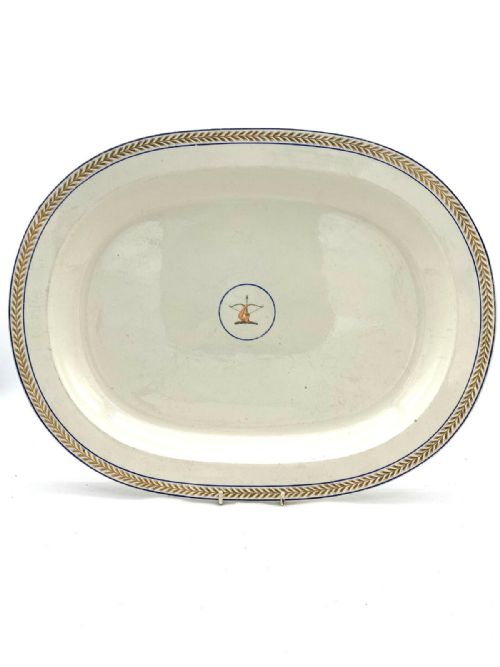
The selection ranges from simple, unadorned cream-glazed vessels to elaborately decorated armorial chargers and botanical tureens. Each object demonstrates the shift from early earthenware bodies towards the highly refined, lighter ceramic bodies perfected by Staffordshire and northern potteries.
How they were made
Potters achieved the distinctive pale body of creamware by refining local earthenware clays and coating them with a transparent lead glaze. This glaze settled thickly in carved details, imparting a warm, yellowish pooling effect characteristic of the period.
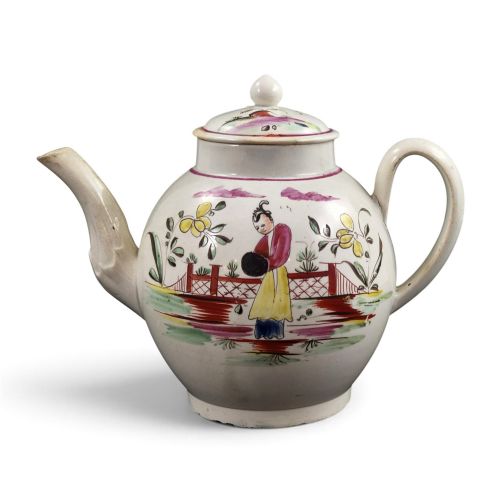
Decoration often involved black or coloured transfer printing, hand-painting in enamels, or moulded relief work. Artisans utilised techniques such as block printing and hand-brushing to apply botanical motifs, armorial crests, and narrative scenes directly onto the fired ceramic surface.
Current listings feature earthenware forms spanning the eighteenth and nineteenth centuries, including moulded jelly moulds, garden seats, and armorial dinner plates.
What varies in quality
Quality in these ceramics rests primarily upon the crispness of the moulding and the delicacy of the potting. Finer items exhibit thin, even walls and cleanly struck relief details, whereas simpler utilitarian pieces tend to be heavier and thicker in the hand.
The precision of the transfer printing and the smoothness of the glaze application also distinguish finer productions. Well-controlled firing temperatures prevent the glaze from pooling unevenly or bubbling, leaving a clear, lustrous finish across the surface.
Wedgwood·Minton·Leeds Pottery·Enoch Wood & Sons·Davenport·Herculaneum·Ralph Wood
The Antique Creamware Pottery Glossary
- Creamware
- A refined earthenware with a pale yellow or cream-coloured glaze, developed in England during the eighteenth century to compete with porcelain.
- Pearlware
- An improved earthenware body containing a small amount of cobalt in the glaze, which neutralised the natural yellow tint to produce a bluish-white appearance.
- Transfer printing
- A decoration technique where an engraved metal plate transfers a design onto paper, which is then pressed onto the unglazed or bisque ceramic body.
- Armorial
- A term describing ceramics decorated with painted or printed family crests, coats of arms, or heraldic insignia commissioned by landed families.
- Prattware
- A type of earthenware decorated under the glaze with cobalt blue, ochre, manganese, and other mineral colours, often taking the form of figures or jugs.
Antique Creamware Pottery: Frequently Asked Questions
How do I date antique creamware?
Dating relies heavily on evaluating the hue of the glaze, the weight of the ceramic body, and any incorporated maker's marks or stylistic clues. Earlier eighteenth-century pieces often feature a deeper cream tone and lighter potting, while nineteenth-century items introduce heavier forms and brighter transfer printing.
Comparing the decorative motifs, such as Georgian neoclassical borders or later Victorian patterns, helps narrow the production window. Examining the base for impressed factory ciphers provides further chronological certainty.
Is creamware safe for daily use?
While these ceramics were originally created for dining and domestic service, age introduces microscopic crazing in the lead glaze. Modern usage with acidic foods can stain or compromise the porous earthenware body beneath.
For this reason, collectors generally restrict antique creamware to decorative display or gentle service rather than everyday dining. Hand washing in warm water without harsh detergents preserves the fragile glaze.
What is the difference between creamware and pearlware?
Creamware utilises a transparent lead glaze over a pale buff earthenware body, resulting in a warm, buttery cream colour. Pearlware was developed slightly later by adding small quantities of cobalt to the glaze to create a whiter, cooler surface that imitated Chinese porcelain.
Examining the pooling in recessed areas reveals this difference, as pearlware glazes tend to gather with a faint bluish tint. Both materials ran concurrently during the late eighteenth and early nineteenth centuries.