


Earthenware Display Bowl
An earthenware display bowl brings centuries of varied ceramic tradition to a room, offering rich glaze work and decorative narrative.
Earthenware Display Bowl
When searching for an earthenware display bowl, collectors encounter a diverse group spanning several distinct periods and origins. The selection ranges from early tin-glazed wares and creamware to intricate Meiji period Japanese Satsuma pottery.
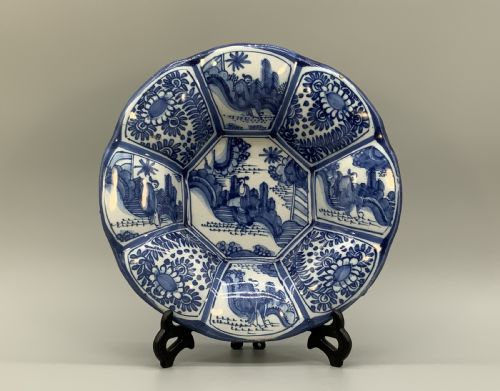
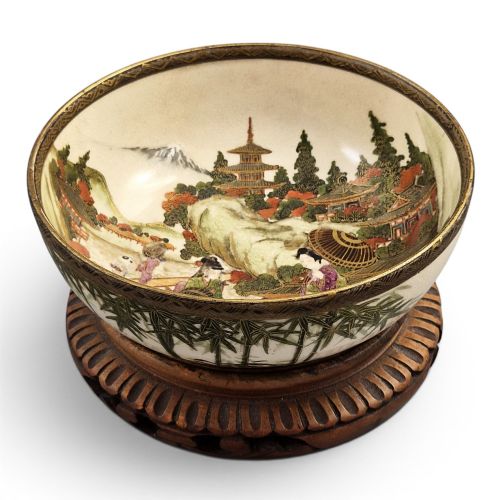
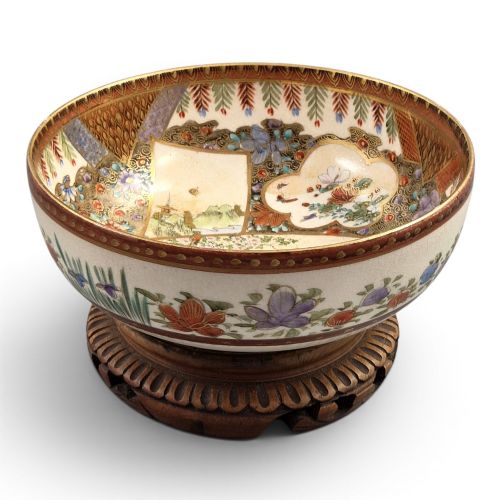
The most common forms on this page include decorative dishes and bowls adorned with painted scenes, blue and white chinoiserie, or heavy gilding. Examples stretch from pre-sixteenth century Nishapur buffware to Dutch Delft and Edwardian pieces.
Each earthenware display bowl serves primarily as an ornamental object rather than utilitarian tableware. Their surfaces often feature detailed figural work, floral motifs, or battle scenes created by regional makers.
How they were made
The construction of these pieces relies on earthenware clay bodies finished with various surface treatments such as tin-glaze, enamel, and gold leaf. Potters shaped these ceramic forms on the wheel or moulded them before applying pigments like cobalt.
Decoration techniques vary by region and period, encompassing hand-painted blue and white motifs, delicate enamel work, and rich gilding. Firing methods allowed for the fixation of intricate details, from Dutch Baroque styles to Japanese Satsuma ware.
Listings feature earthenware pieces spanning the tenth century to the Edwardian era, incorporating materials such as gold leaf and cobalt pigment.
What varies in quality
Quality in these ceramics rests upon the precision of the painting and the preservation of delicate surface details like enamel and gold leaf. Pieces featuring finely executed figures or complex historical scenes demand greater skill from the decorator.
The sophistication of the glaze and the clarity of the underlying earthenware body set superior examples apart. Finer pieces demonstrate better control during the firing process, maintaining crisp lines and vibrant colour applications.
Kozan·Kinkozan
The Earthenware Display Bowl Glossary
- Creamware
- A type of fine earthenware with a pale yellowish lead glaze, developed in the eighteenth century.
- Tin-glazed earthenware
- Pottery covered with a white tin-oxide glaze that provides an opaque surface for painted decoration.
- Satsuma ware
- Japanese pottery originating from Satsuma Province, typically characterised by a crackle-glaze ivory earthenware body decorated with elaborate enamels and gilding.
- Chinoiserie
- European decorative style reflecting Chinese artistic influences, frequently seen in blue and white Delft designs.
- Buffware
- Pottery produced from a light yellowish-brown clay body, common in early Islamic ceramic traditions.
Earthenware Display Bowl: Frequently Asked Questions
What is an earthenware display bowl?
An earthenware display bowl is an ornamental ceramic vessel made from porous clay and finished with decorative glazes or enamels. These pieces were created primarily for visual presentation rather than daily household use.
Surviving examples showcase regional artistic traditions ranging from European Delftware to Japanese Satsuma and early Islamic pottery.
How are different periods identified?
Dating relies on stylistic markers, glaze composition, and specific decorative motifs associated with particular eras or workshops. Characteristics like tin-glazing point to European traditions, while specific mon symbols help date Japanese Satsuma pieces.
Signatures or artist marks found on the base provide further clues for attribution.
Where were these bowls made?
The pieces originate from diverse geographic locations including Japan, the Netherlands, England, and the Middle East. Each region utilised local clay bodies and distinct firing techniques.
Trade and cultural exchange heavily influenced the decorative styles found across these various historical periods.