


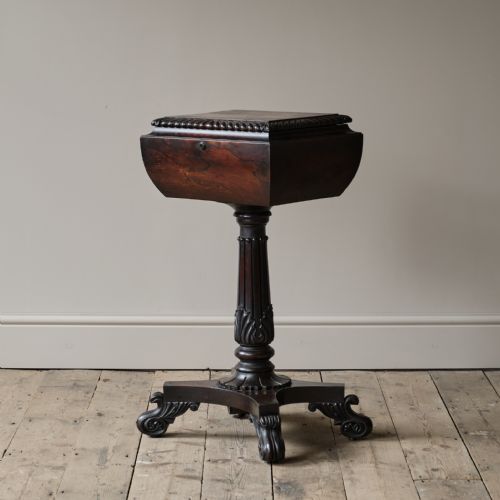
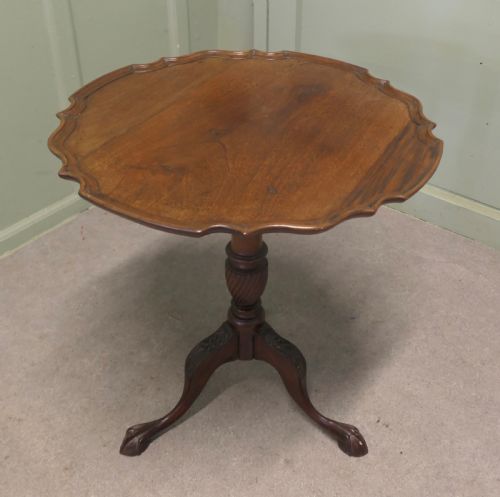
Georgian Carved Pedestal Table
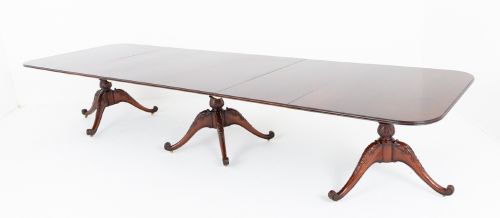
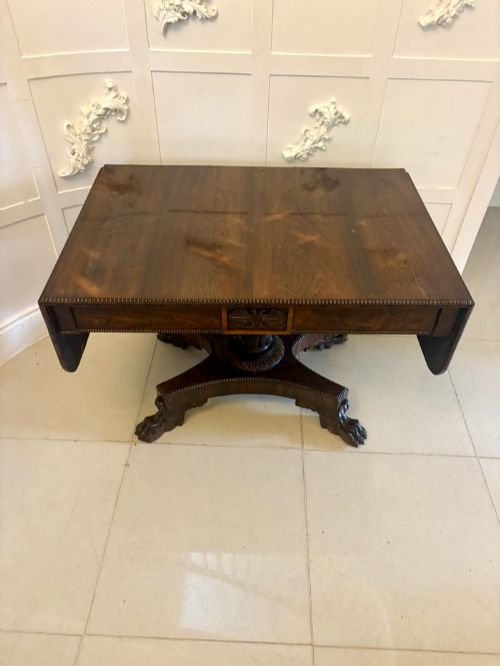
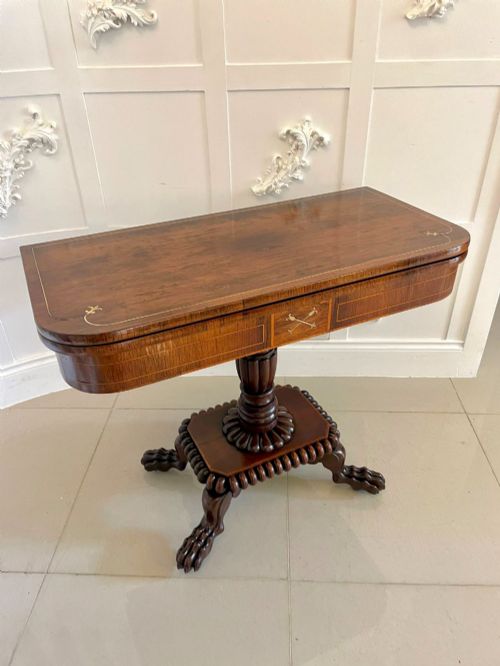
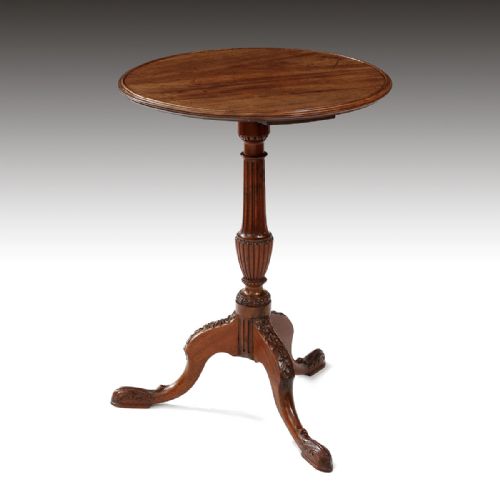
A georgian carved pedestal table brings solid mahogany and walnut timber together on a single central column, offering a sturdy yet compact surface for dining or display.
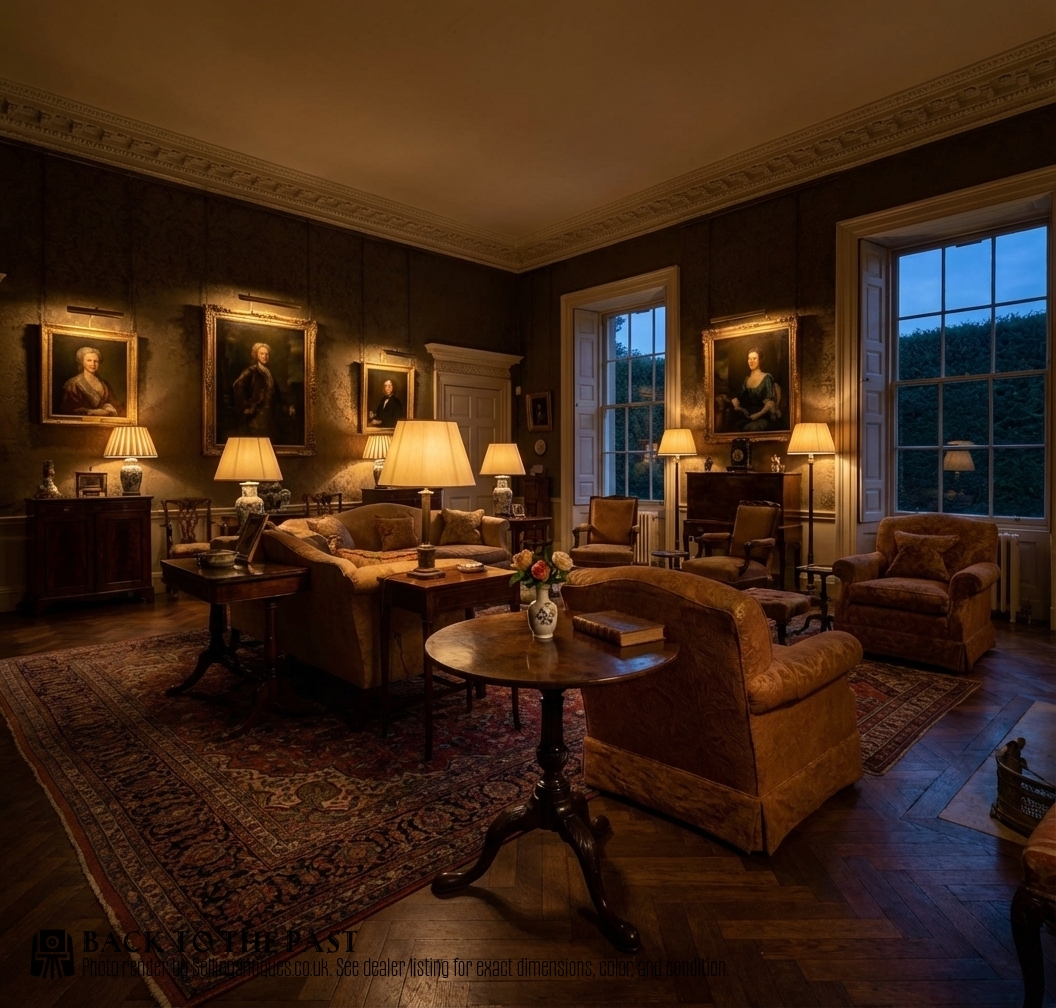
Georgian Carved Pedestal Table
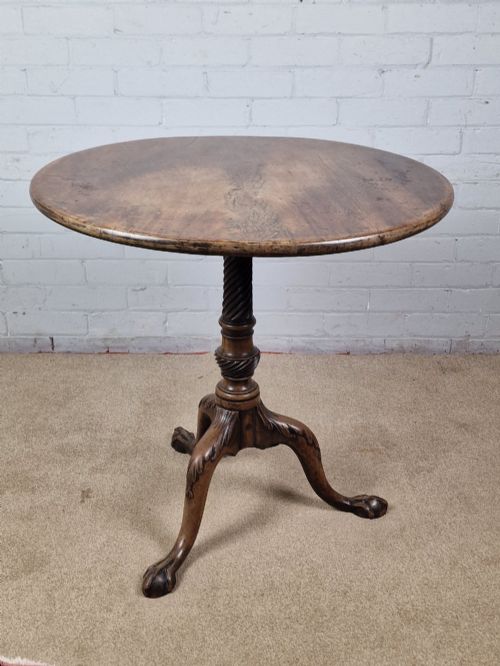
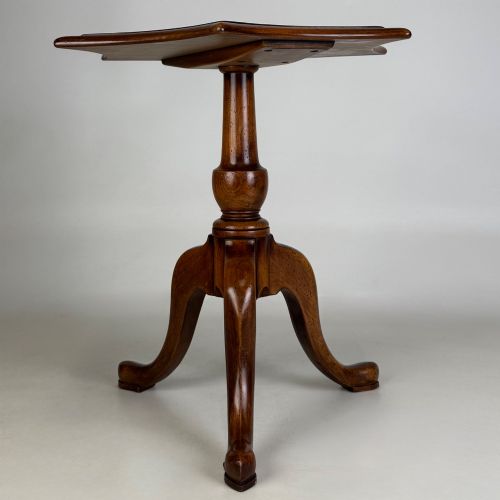
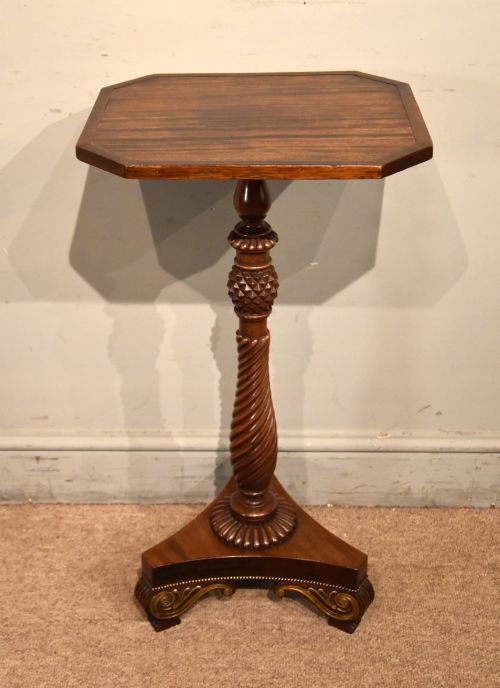
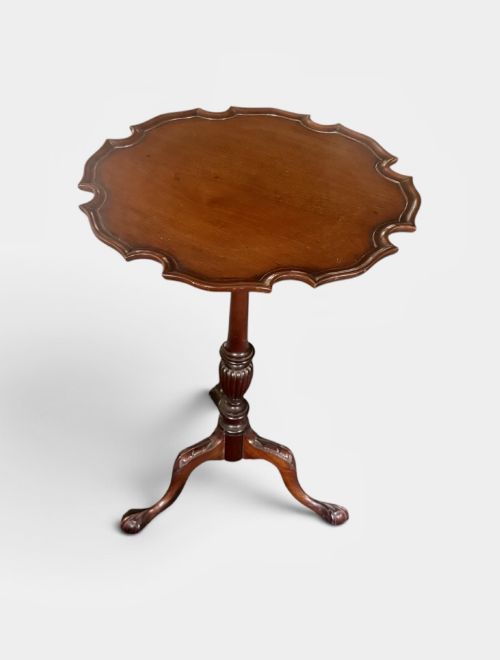
When you search for a georgian carved pedestal table, you encounter tripod wine tables, tilt-top breakfast pieces and sturdy dining formats resting on central pillars. These items emerged across the eighteenth and nineteenth centuries, spanning George III, Regency and William IV periods alongside later revival interpretations.
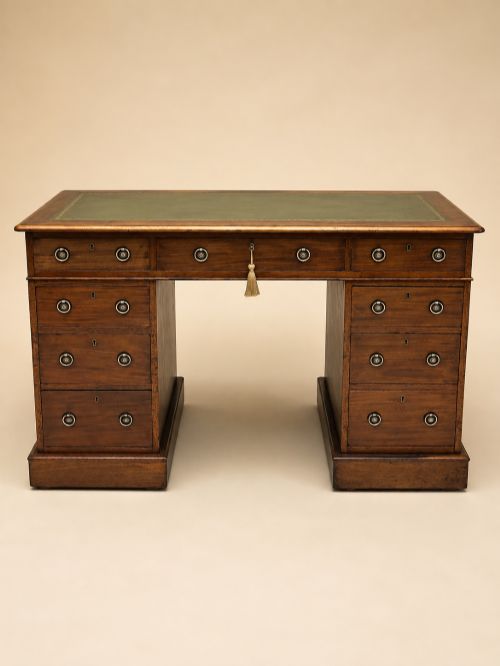
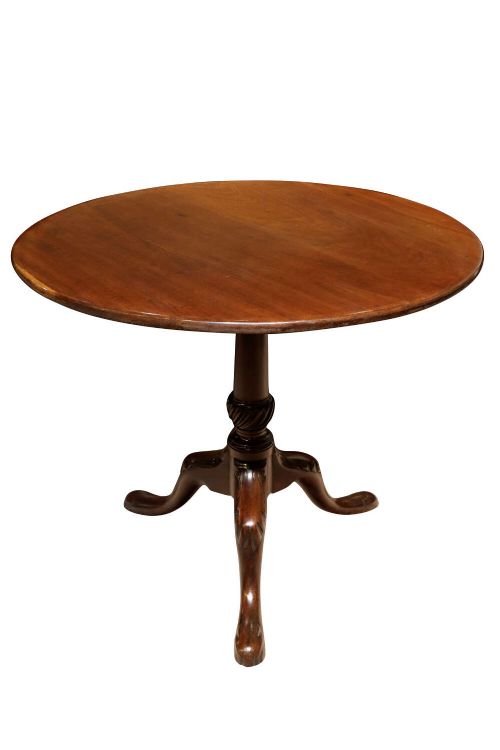
The version you are most likely to meet on this page is the mahogany or rosewood tripod table with a circular top, often tilting on a birdcage or block mechanism. Alongside these smaller occasional pieces, larger dining tables and pedestals desks appear in walnut, oak and burr walnut.
How they were made
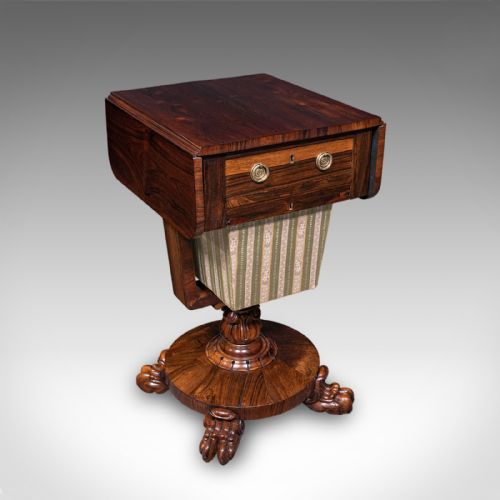
Cabinet makers utilised dense hardwoods like mahogany, walnut and rosewood, turning central pedestals on lathes and carving tripod legs with pad, claw or paw feet. Tops were frequently fashioned from solid timber or veneered onto stable secondary woods, sometimes incorporating brass inlay or tooled leather inserts.
Tilt-top mechanisms relied on precision-fitted wooden catches and brass hinges to allow the surface to fold vertically when not in use. Joinery techniques included dovetailing for drawers and tenon joints for frames, ensuring structural longevity without modern adhesives.
Listings feature timbers including mahogany, walnut, rosewood and burr walnut across eighteenth, nineteenth and twentieth century periods.
What varies in quality
The distinction between ordinary and exceptional examples rests upon the crispness of the carving on the pedestal knees and feet, as well as the depth of grain in the timber. Superior pieces display harmonious proportions between the top, column and base, while lesser examples may feel top-heavy or stiffly turned.
Original surfaces and patination elevate a piece significantly, showing deep colour acquired through decades of polishing. Altered pedestals, replaced top boards or mismatched components reduce the integrity of the antique.
Gillow·Chippendale
The Georgian Carved Pedestal Table Glossary
- Tripod table
- A small freestanding table supported by a single pillar resting on three legs. These versatile pieces were easily moved around eighteenth-century drawing rooms.
- Tilt-top
- A tabletop hinged to the top of the pedestal column so it can be folded flat when stored against a wall. This mechanism saved precious floor space in period homes.
- Teapoy
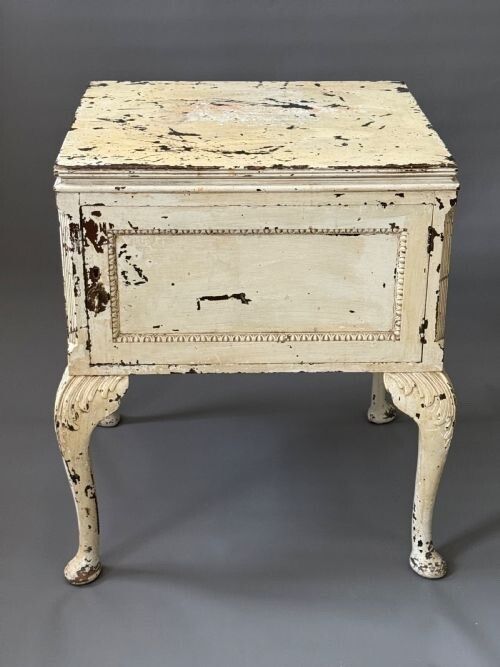
- A small box or chest mounted on a central pillar used for storing tea leaves. They became popular during the Regency period when tea was an expensive commodity.
- Birdcage
- A rotating wooden framework beneath a tilt-top table that allows the surface to spin as well as pivot. It provides extra stability and smooth movement.
Georgian Carved Pedestal Table: Frequently Asked Questions
What is a tilt-top table used for?
A tilt-top table served as an adaptable surface for serving wine, reading or playing games during the evening. When not in use, the top tilted vertically so the furniture could be tucked away against the parlour wall.
This clever space-saving design made tripod tables exceptionally popular in smaller drawing rooms and libraries throughout the Georgian and Regency eras.
Where should I place a pedestal table at home?
A pedestal table fits comfortably beside a sofa or armchair as a lamp or drink surface, where its central column allows easy legroom. Smaller tripod tables also sit well in empty hallway corners or as display surfaces for plants and ceramics.
Larger pedestal dining tables anchor the centre of a dining room, providing unobstructed seating around the perimeter due to the single central support.
What woods were used for these tables?
Makers predominantly relied on imported mahogany for its strength and rich dark grain, especially during the Georgian period. Walnut and figured burr walnut gained favour during the early eighteenth century and later revival phases.
Exotic rosewood appeared frequently during the Regency and William IV eras, often selected for circular breakfast tables and sewing furniture due to its heavy density and dramatic figuring.