



Gallery Top Accent Table
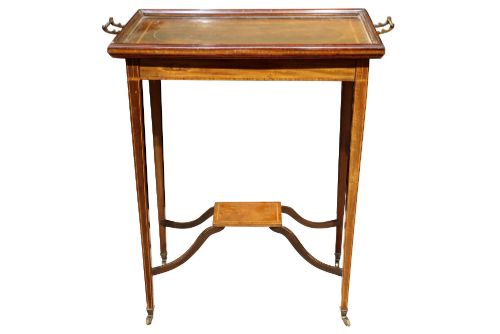
A gallery top accent table brings refined edges and a practical raised rim to your sitting room.
Gallery Top Accent Table
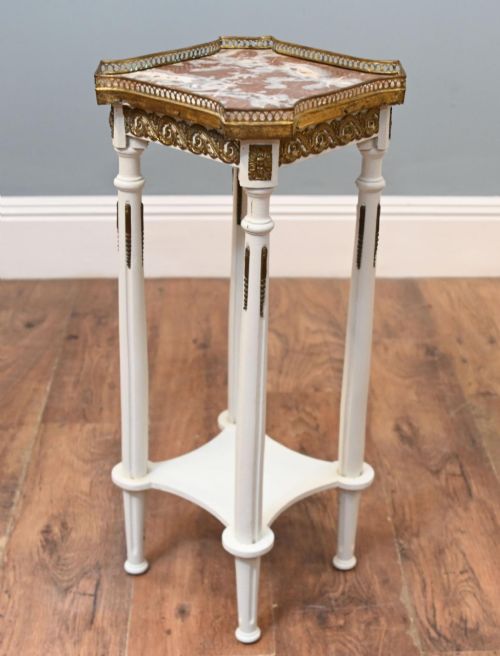
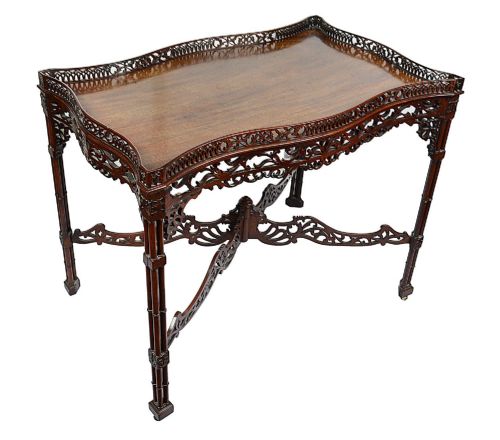
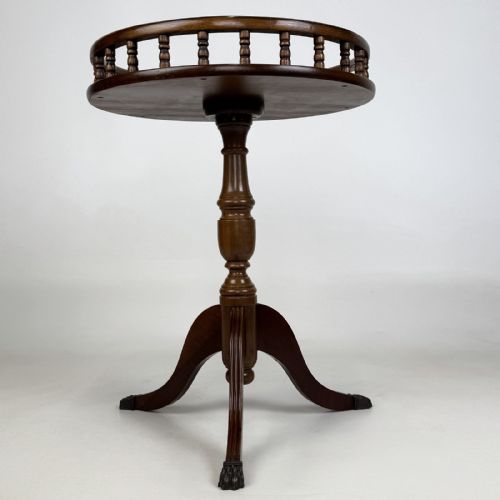
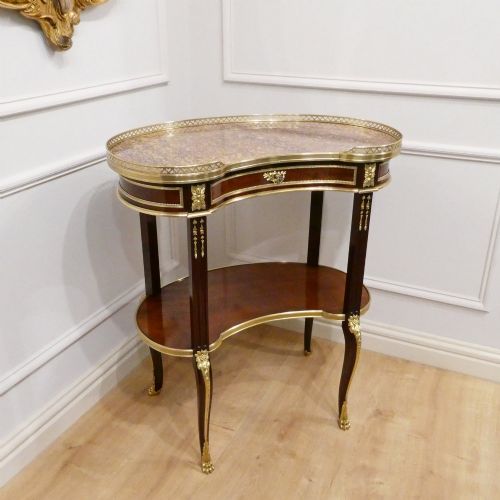
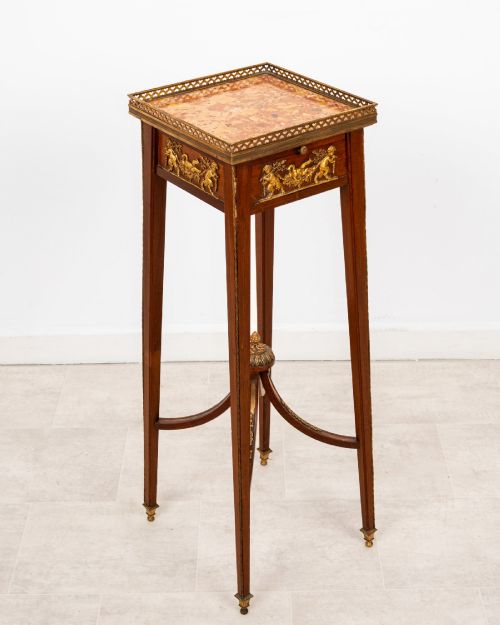
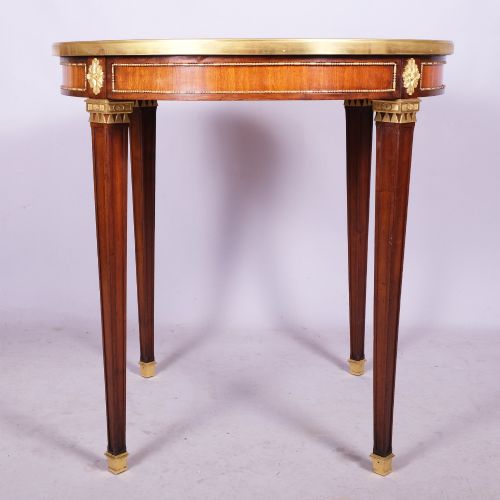
A gallery top accent table is a compact surface defined by a raised wooden or metal rim designed to keep items secure. These pieces appear in forms such as side tables, occasional tables, bedside tables, coffee tables, and dumb waiters across this selection.
The materials and styles span centuries of craftsmanship, ranging from eighteenth-century George III mahogany to nineteenth-century French Louis XVI style and twentieth-century Edwardian designs. Most examples encountered here utilise rich hardwoods paired with stone or metal details.
Originating as functional furniture for tea service, bedside use, or display, these tables function just as well today beside a modern sofa. Their compact footprints make them versatile additions to various rooms.
Materials and construction methods
The construction relies heavily on primary timbers such as mahogany, walnut, satinwood, and rosewood, often enhanced with intricate marquetry and inlay. Cabinetmakers shaped these woods into circular, square, and kidney-shaped tops supported by tripod bases or slender legs.
Many tables incorporate contrasting elements like white marble, rouge marble, or onyx set directly into the wooden frame. Ormolu mounts and brass galleries add metallic definition to the edges, securing the stone or wood top within a structured rim.
Gallery Top Accent Table Retail Price Guide 2026
Typical asking prices for gallery top accent table among the pieces listed under this phrase on Sellingantiques today, from the lower quarter to the upper quarter. They describe what is for sale here now, not the wider market.
Listings feature pieces spanning the eighteenth century through the early twentieth century, including George III, Edwardian, and French Louis XVI styles.
Assessing quality and execution
Quality rests in the crispness of the woodwork, the precision of the joinery, and the weight of the materials employed. Superior pieces display finely cast ormolu mounts and tightly fitted marble or onyx inserts that sit flush within the gallery.
The refinement of the carving along the legs and the subtlety of the wood grain selection separate standard production from exceptional examples. A well-balanced frame and harmonious proportions indicate a maker of high skill.
Maison Millet·François Linke
The Gallery Top Accent Table Glossary
- Gallery
- A raised wooden, brass, or ormolu border running along the edge of a tabletop. This feature prevents items from sliding off the surface.
- Guéridon
- A small French table supported by a central pillar or a set of legs. These pieces frequently feature circular marble tops.
- Ormolu
- Gilded bronze used for decorative mounts and trims on furniture. This technique flourished in French cabinetmaking.
- Bouillotte table
- A small French neoclassical table with a raised gallery, typically featuring a marble top and small pull-out candleshelves.
- Kettle stand
- A small eighteenth-century table designed to hold a hot water kettle during tea service. They often feature elevated rims to secure heavy vessels.
Gallery Top Accent Table: Frequently Asked Questions
Where should I place an accent table?
These compact tables fit easily beside a sofa, armchair, or bed where surface space is limited. Their detailed rims and decorative stone tops make them ideal focal points for displaying small lamps or decorative objects.
Because many feature finished backs and central pedestals, they also work well floating near the centre of a room rather than pushed strictly against a wall.
How do I care for marble and wood?
Marble tops require gentle cleaning with a damp cloth and mild soap to avoid staining from acidic liquids. Wood surfaces benefit from occasional polishing with a quality wax to maintain the grain and lustre.
Keep these tables away from direct heat sources and strong sunlight to protect the polished timber and delicate ormolu or brass mounts.
How can I tell French styles apart?
French Louis style tables often incorporate curved cabriole legs, delicate floral marquetry, and rich ormolu mounts. Neoclassical pieces lean towards straight tapered legs, symmetrical geometry, and classical proportions.
Examining the underlying wood and the style of the bronze mounts helps clarify the specific period and regional influence of each piece.