
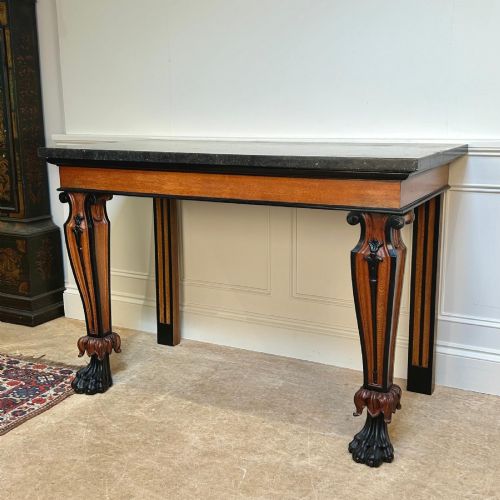
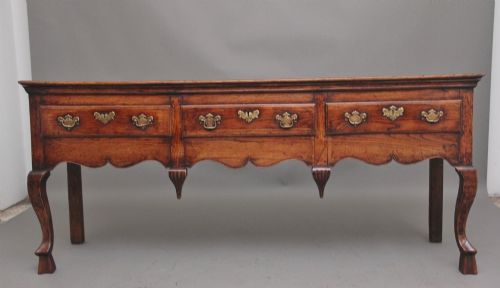
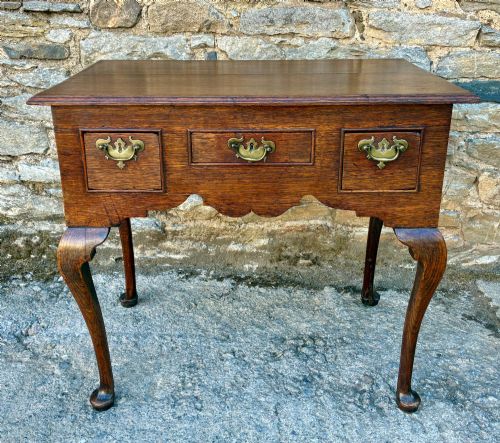
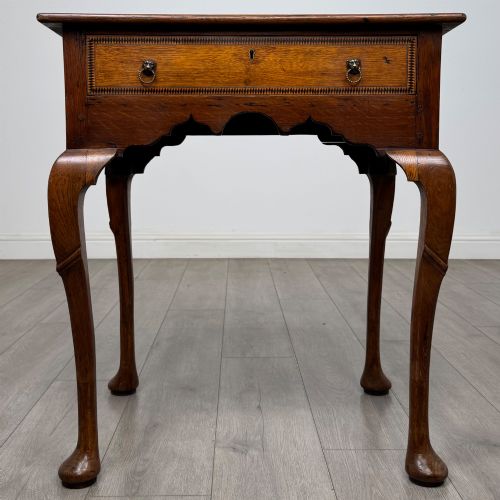
Georgian Carved Oak Side Table
A georgian carved oak side table brings sturdy domestic heritage into a room, offering honest craftsmanship and rich timber grain.

Georgian Carved Oak Side Table
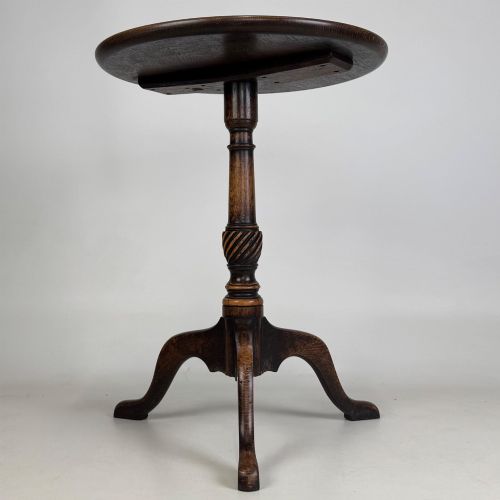
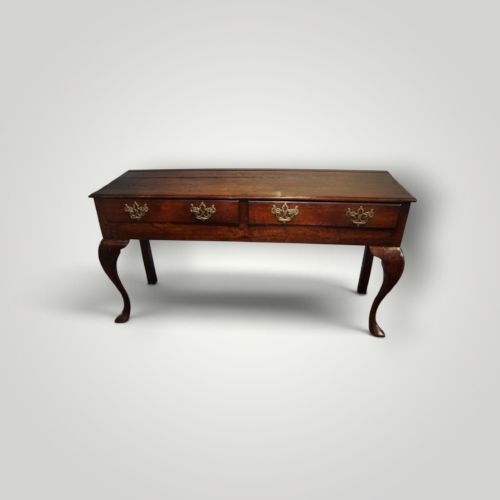
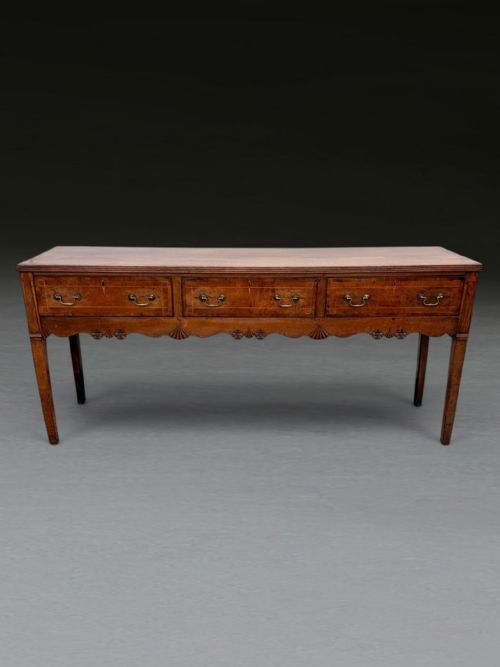
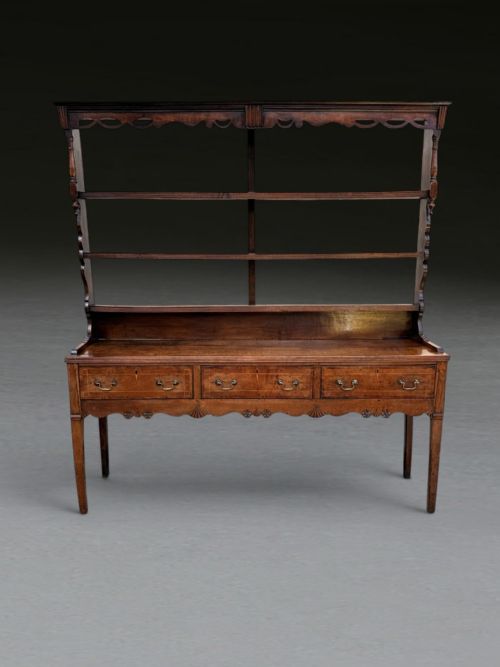
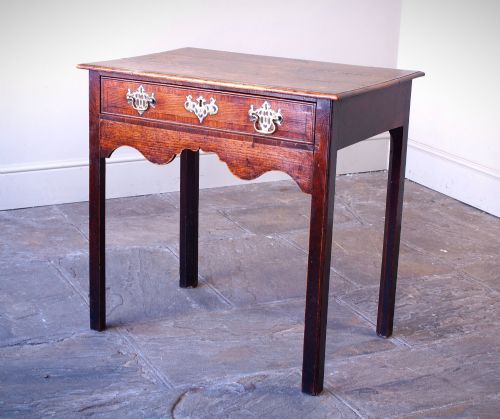
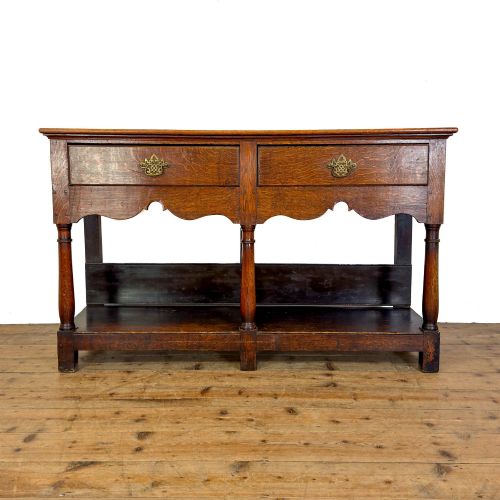
A georgian carved oak side table represents the practical domestic furniture of the eighteenth century, frequently taking the form of a lowboy, dresser base, or compact serving table. These pieces combine utilitarian function with ornamental carving, reflecting the regional workshops and country houses of the period.
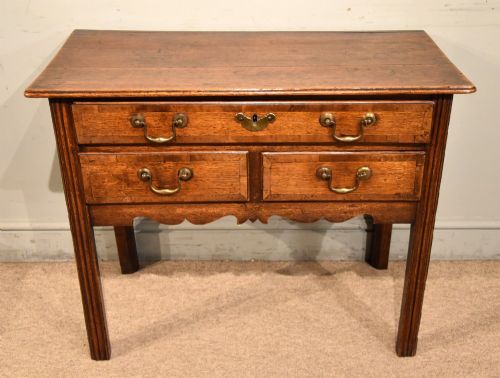
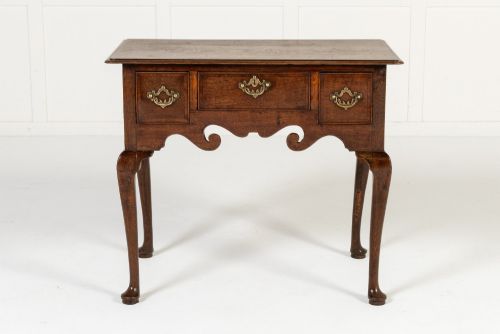
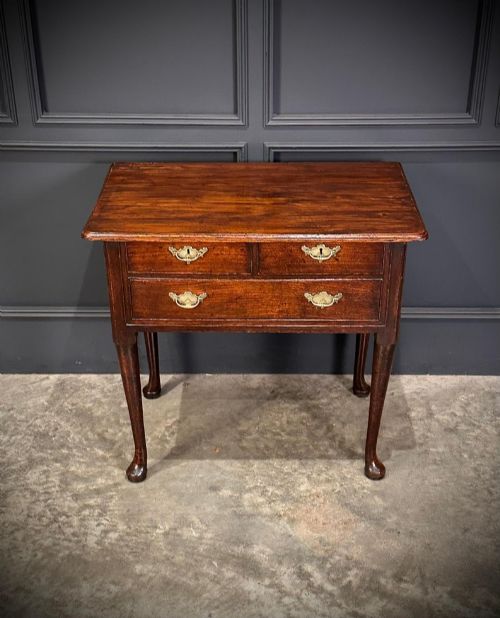
The most common version encountered among these listings is the lowboy, typically featuring a compact rectangular top above one to three drawers and slender legs. Alongside these, buyers find related forms such as console tables and occasional tables spanning the eighteenth, nineteenth, and early twentieth centuries.
Materials and construction
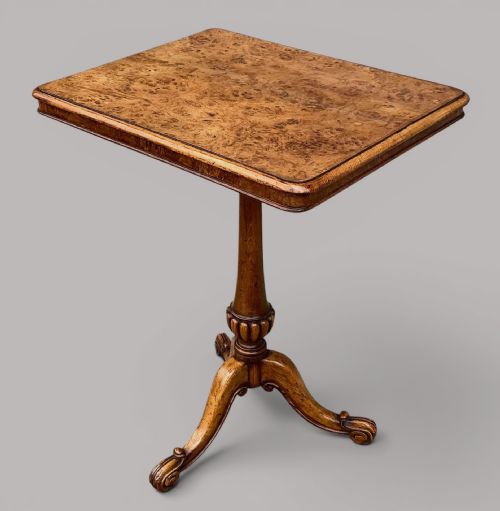
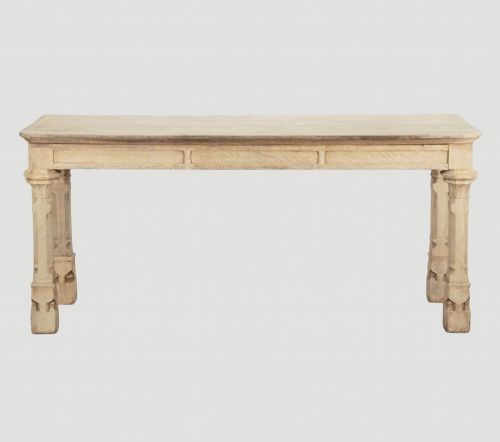
Construction relies heavily on solid oak, occasionally augmented by burr oak, bleached oak, pollard oak, walnut, or fruitwood, reflecting local timber availability and evolving tastes. Carpenters utilised traditional joinery techniques, combining panelled backs, pegged joints, and hand-cut dovetails for drawer construction.
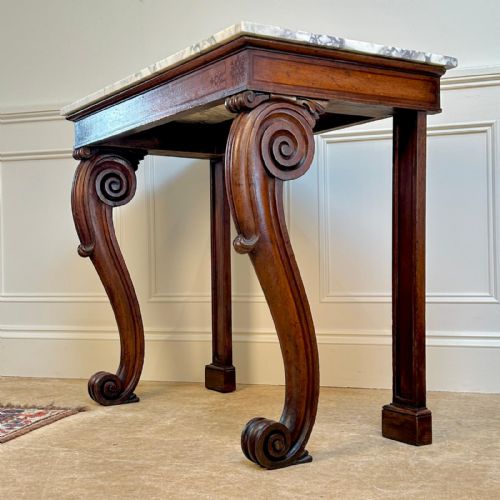
Carving is executed directly into the solid timber, ranging from geometric strapwork to scrolling foliage and distinct cabriole legs. Additional materials such as brass for drawer pulls and marble for console tops appear on select pieces from later periods.
Listings span multiple stylistic revivals, incorporating Georgian, Regency, Queen Anne, and Victorian interpretations alongside eighteenth-century originals.
Judging quality and character
The distinction between ordinary and exceptional pieces rests upon the crispness of the hand-carving and the integrity of the timber. Tables retaining their original surface patination, unblemished drawer linings, and structurally sound joinery command greater appreciation.
Proportion and regional vernacular also influence standing, as pieces displaying balanced drawer arrangements and well-turned or cabriole legs exhibit the deliberate skill of the period cabinetmaker.
Gillows
The Georgian Carved Oak Side Table Glossary
- Lowboy
- A small dressing or side table with one or more drawers, typically raised on four tall legs. They originated in the late seventeenth century and remained popular throughout the Georgian era.
- Dresser base
- The lower section of a Welsh or country dresser, functioning as a sturdy side table or serving surface with multiple drawers. These pieces often anchor a room with their substantial proportions.
- Cabriole leg
- A furniture leg that curves outward at the knee and tapers inward toward the ankle, finishing in a pad or foot. This stylistic element draws inspiration from classical forms.
- Joint stool
- A solid wooden stool constructed with pegged mortise and tenon joints rather than turned components. They frequently appear alongside early side tables in country house settings.
- Drop leaf side table
- A table featuring a fixed central section and hinged flaps on either side that fold down. This mechanism allows the surface area to expand when needed.
Georgian Carved Oak Side Table: Frequently Asked Questions
What is a lowboy?
A lowboy is a small, low table equipped with drawers, commonly used as a dressing table or side table in eighteenth-century homes. Their compact size made them versatile additions to bedrooms and parlours alike.
They typically stand on four legs, ranging from straight supports to graceful cabriole designs, and often feature brass hardware on the drawer fronts.
How were these tables used?
These tables served various practical functions in the home, acting as serving surfaces in dining areas, writing desks in studies, or storage points for personal items in bedrooms. Their sturdy construction suited daily domestic labour.
Over time, many transitioned into decorative hallway pieces or lamp tables as household layouts evolved.
Where should I place one?
A compact oak table fits well in entryways, narrow hallways, or living rooms behind a sofa, where surface space is needed without blocking traffic. Their neutral timber tones complement both traditional and modern interiors.
Placing them away from direct heat sources helps protect the historic timber and maintains the natural wax finish.
How do I spot a reproduction?
Examining the timber inside the drawers and beneath the top reveals tool marks and wear patterns consistent with hand-tool working methods of the period. Machine-cut joints and uniform modern fixings often indicate later revival pieces.
Genuine pieces show natural shrinkage, oxidisation, and patination accumulated over centuries of use and cleaning.