
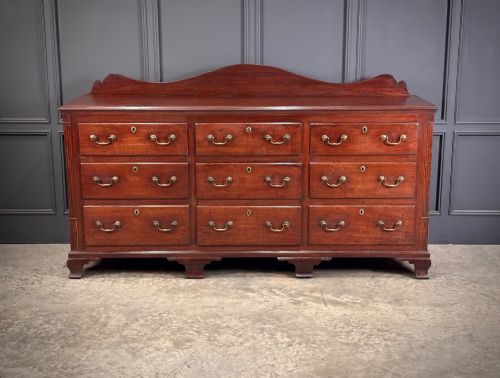
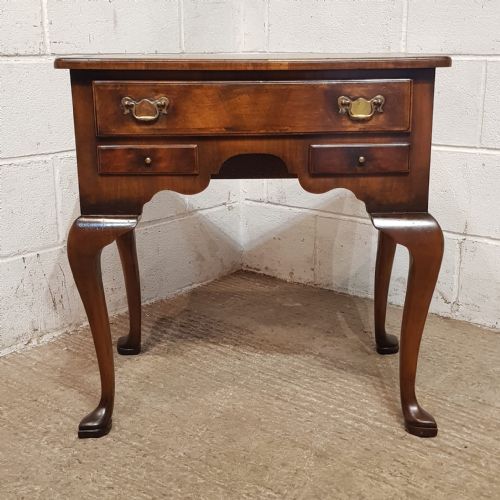
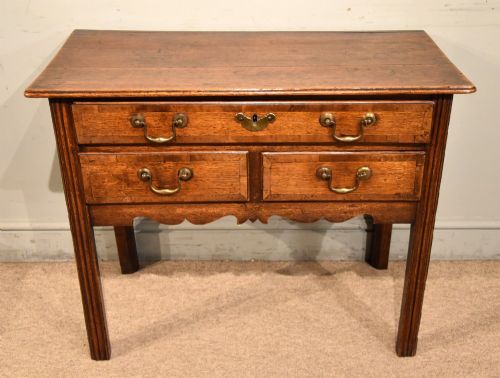
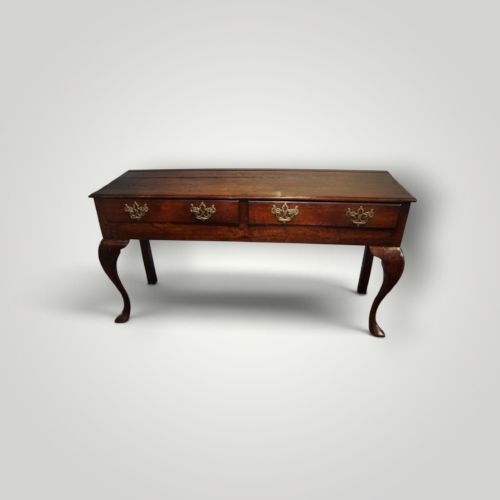
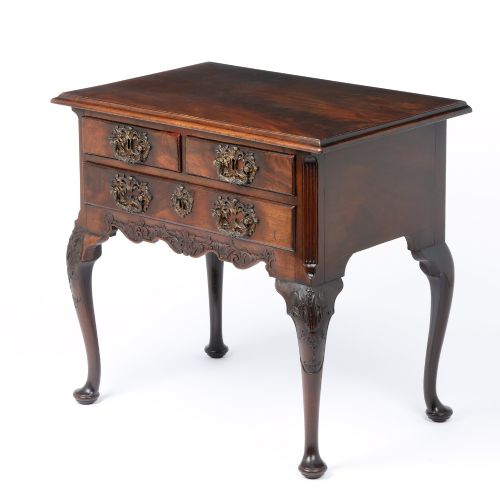
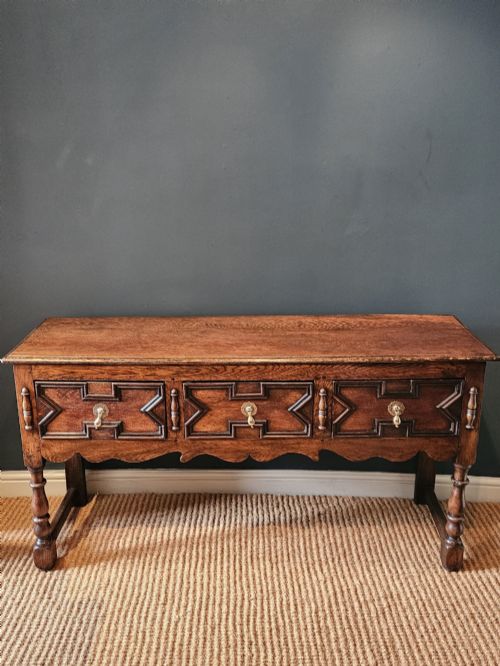
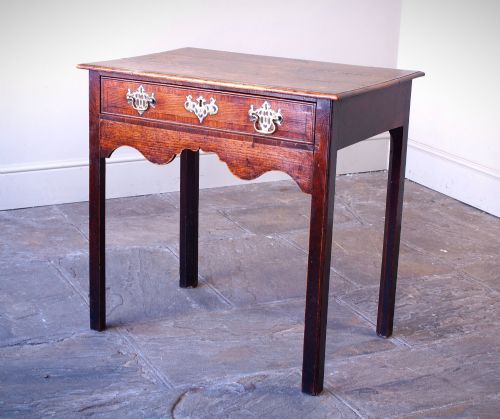
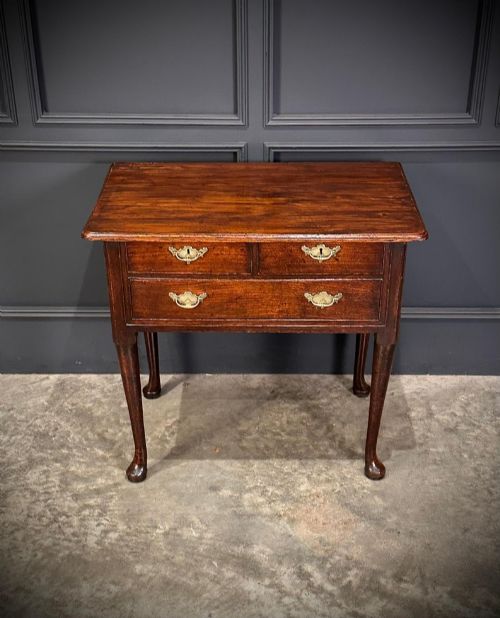
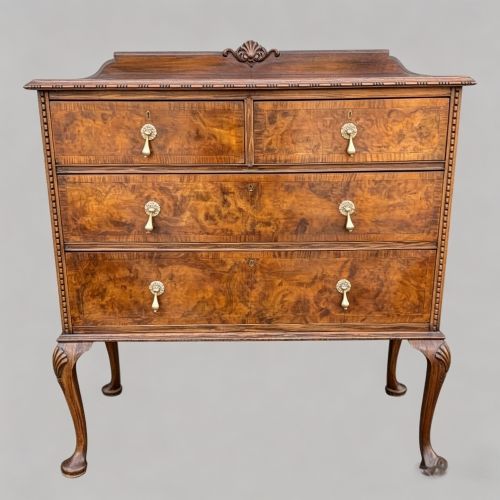
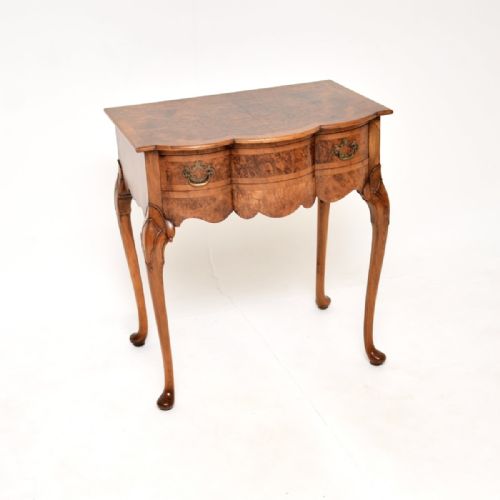
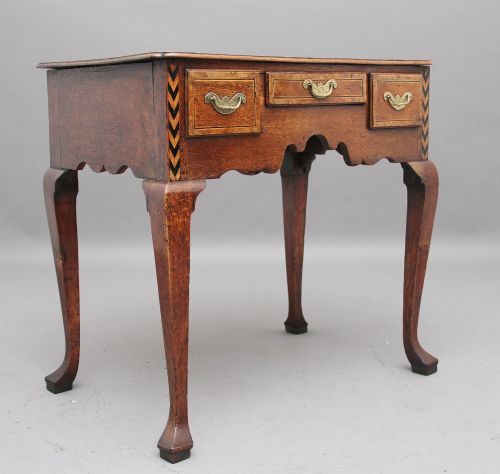
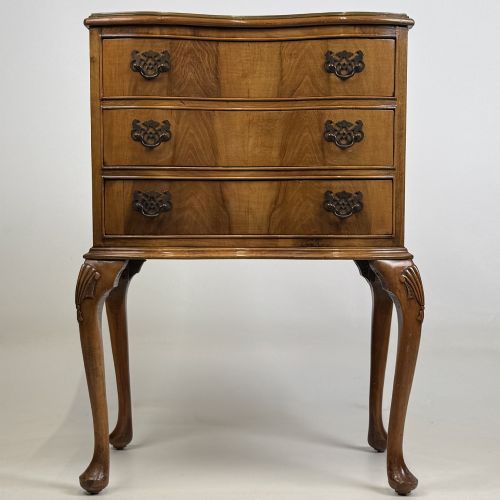
Georgian Carved Lowboy
A georgian carved lowboy is a compact period table offering drawers and kneehole space, prized for its honest craft and timber.
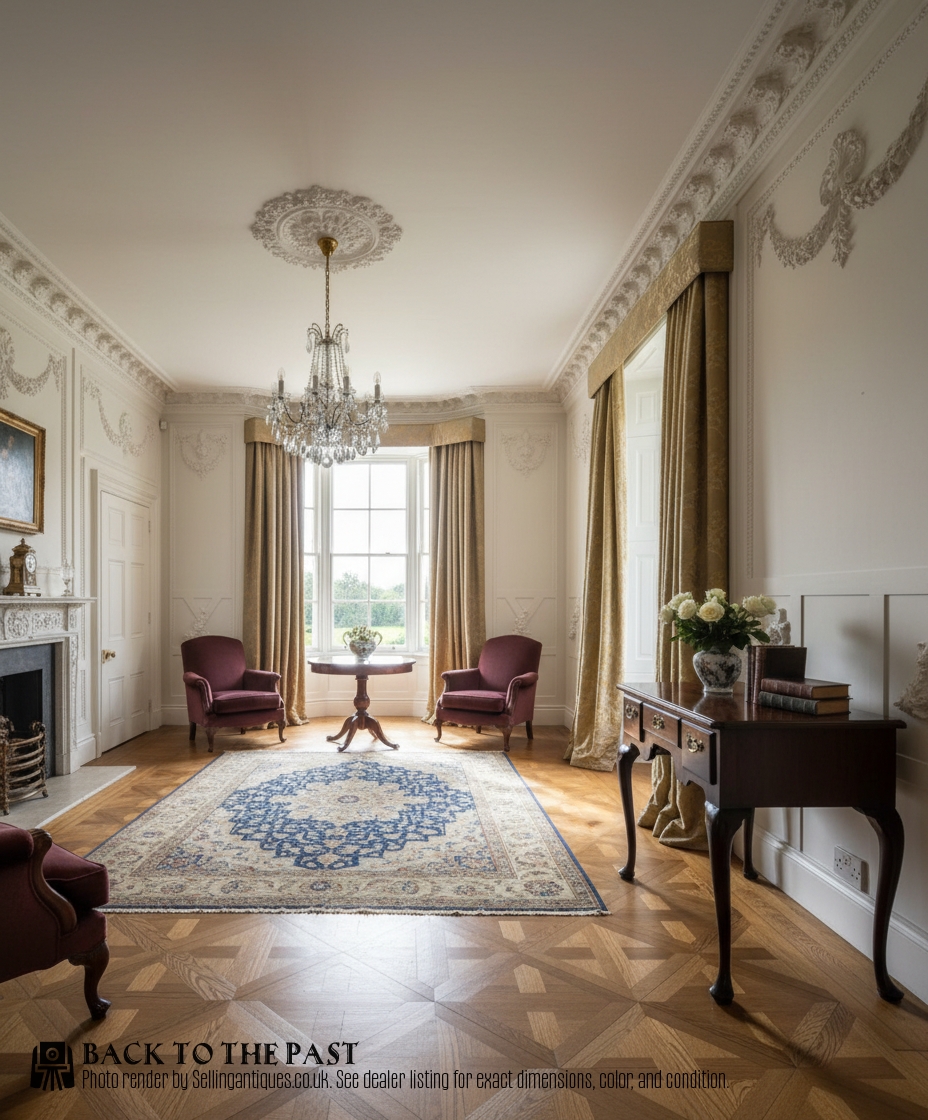
Georgian Carved Lowboy
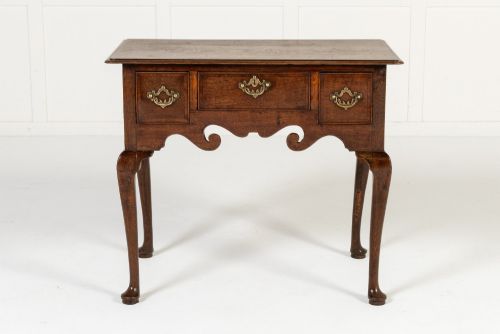
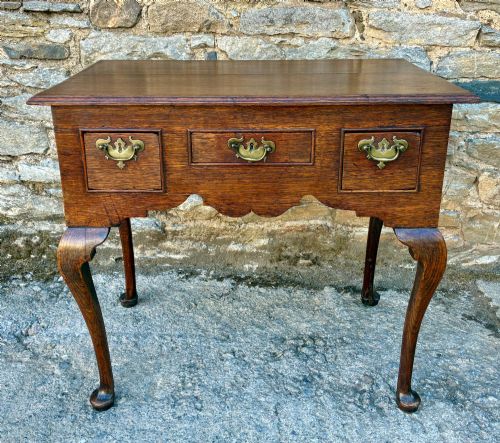
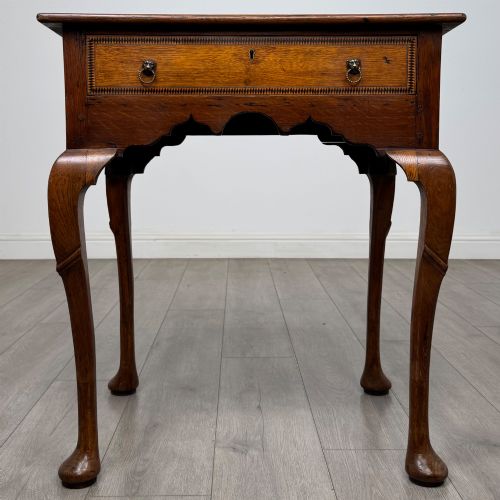
A georgian carved lowboy is a small side table or dressing table, usually fitted with drawers beneath the top surface. The pieces on this page span the eighteenth century as well as later revival periods, bringing distinct proportions and timber choices to light.
Most examples you encounter here are constructed from oak or mahogany, often standing on cabriole legs. These tables served domestic functions in bedrooms and parlours, holding personal items or serving as compact writing surfaces.
Materials and construction
Cabinet makers utilised solid timber such as oak, walnut, mahogany, and elm for these tables, employing traditional joinery methods for the frames and drawers. Brass handles and drawer pulls completed the functional design of the piece.
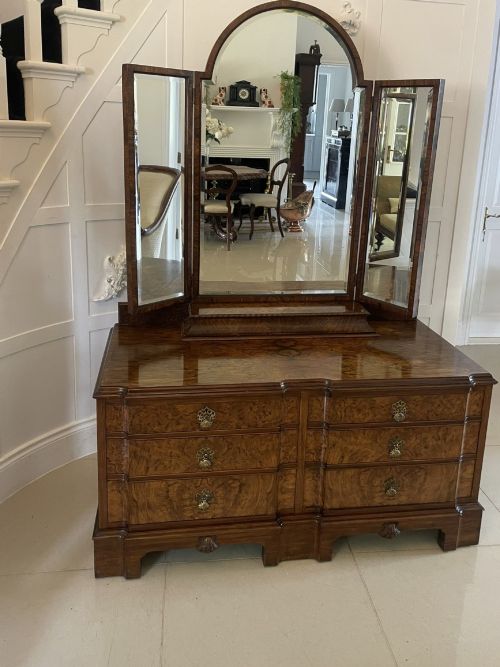
Carving appears on the friezes and legs of certain examples, adding texture and decorative detail to the structural woodwork. Walnut veneer and burr walnut also surface on pieces originating from later revival periods.
One unexpected cutlery canteen shares shelf space with the tables, proving that antique makers stored silver in surprising ways.
Distinctions in quality
Quality rests upon the crispness of the carved details and the selection of timber grain, particularly where burr walnut or figured mahogany is concerned. The harmony of the proportions between the top, the drawer arrangement, and the legs dictates the visual balance.
Original brass hardware and the integrity of the structural joints separate work executed by skilled hands from standard utility pieces. Finer examples retain their original surface patination, reflecting decades of careful use.
Elkington and Co·Muirhead Moffat and Co
The Georgian Carved Lowboy Glossary
- Lowboy
- A small side table with one or more rows of drawers, commonly supported on four legs.
- Cabriole leg
- A furniture leg that curves out at the knee and tapers inward to an ankle, often ending in a pad foot.
- Frieze
- The horizontal band running directly beneath the top surface of the table, sometimes ornamented with carving.
- Dresser base
- A low cabinetry piece featuring drawers and surface space, structurally similar to larger lowboys.
Georgian Carved Lowboy: Frequently Asked Questions
What is a georgian carved lowboy used for today?
These tables function well as hallway console surfaces, bedside tables, or compact desks in smaller rooms.
Their shallow depth allows them to fit into narrow spaces while providing practical drawer storage.
How do I identify an eighteenth century piece?
Look for hand-cut dovetails on the drawer construction, timber shrinkage, and surface patination built up over generations.
Revival pieces from later periods often show different machining marks and timber preparation methods.
Are all lowboys made from oak?
While oak is common among eighteenth century examples, walnut and mahogany appear frequently across the listings.
Elm and fruitwood are also found on country pieces from the same era.
What distinguishes a lowboy from a side table?
A lowboy specifically incorporates one or more rows of drawers beneath the working surface, designed for seated use.
Standard side tables may lack drawers entirely or feature a different structural arrangement.