
Georgian Carved Carver Chair
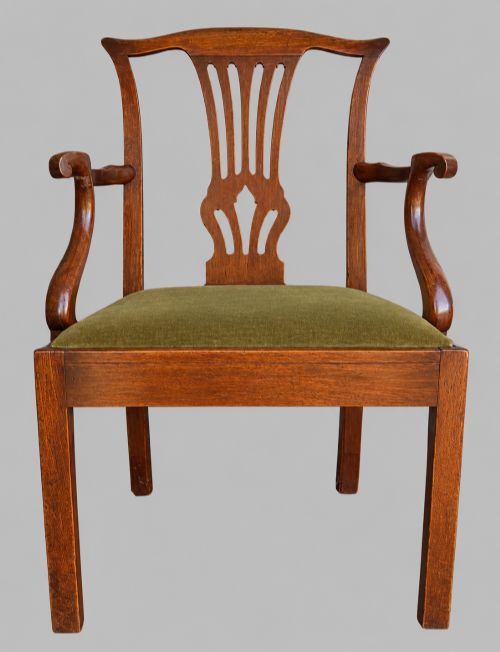
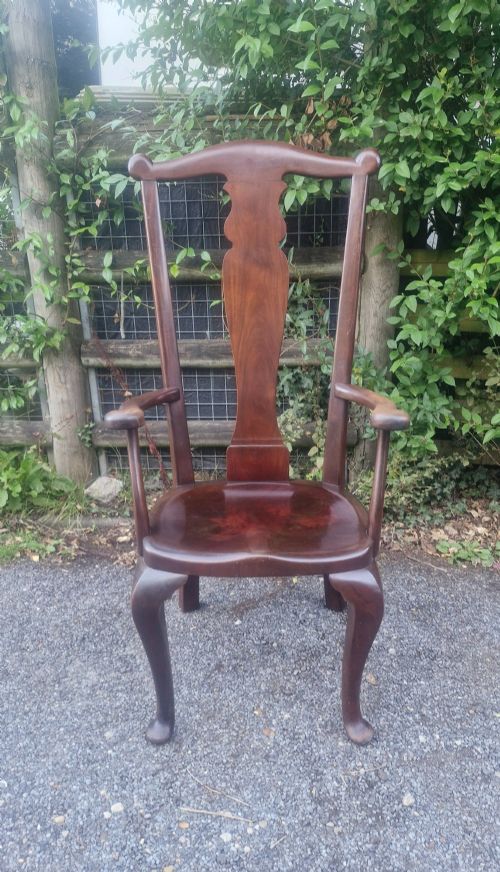
A georgian carved carver chair brings architectural timber and generous arm support to a desk or the head of a dining table.
Georgian Carved Carver Chair
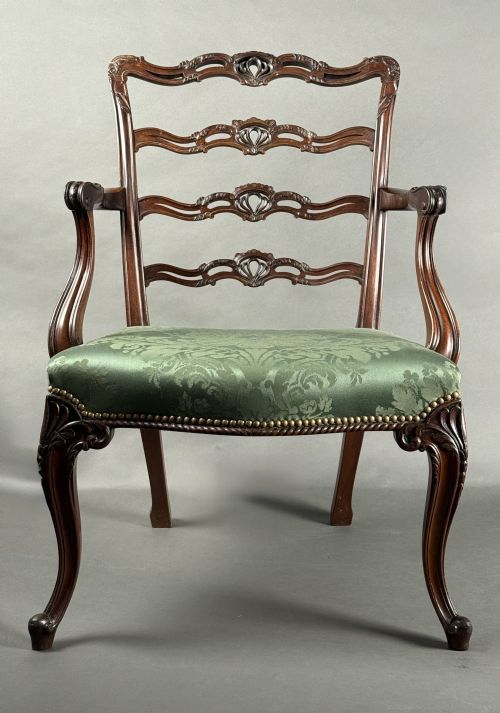
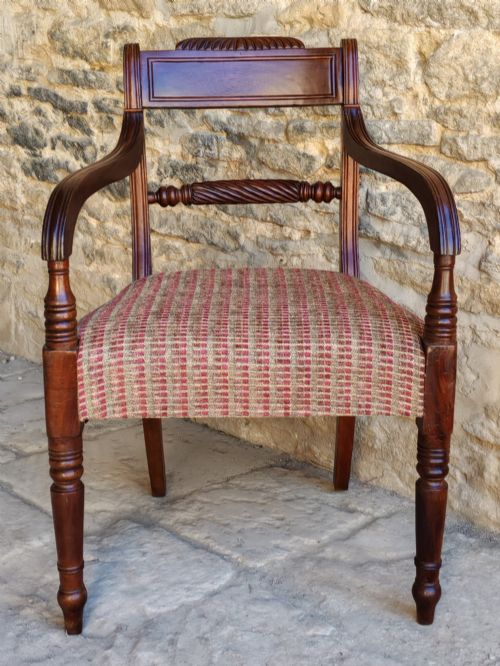
A georgian carved carver chair stands as an elbow chair, desk chair, or open armchair designed for the head of a table or a library setting. The form develops through the eighteenth century and recurs in revival periods up to the twentieth century.
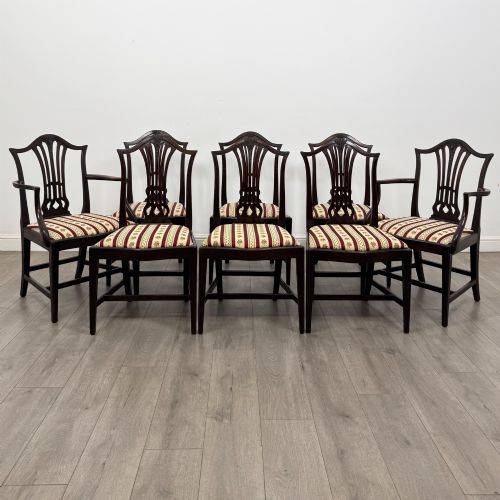
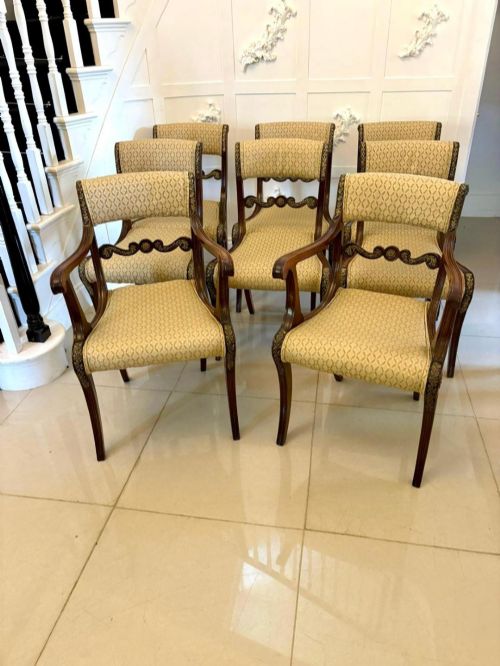
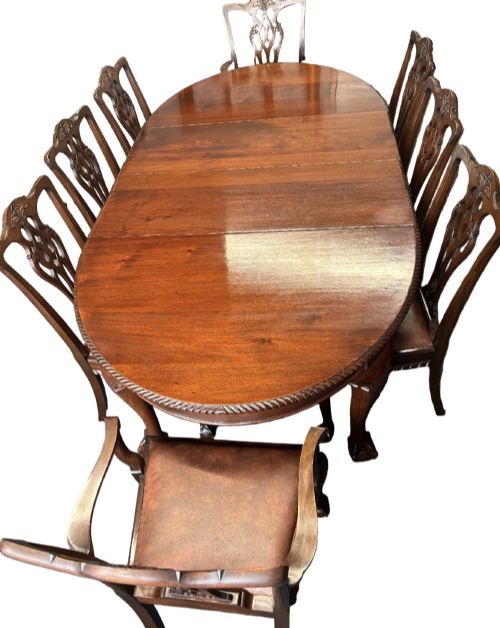
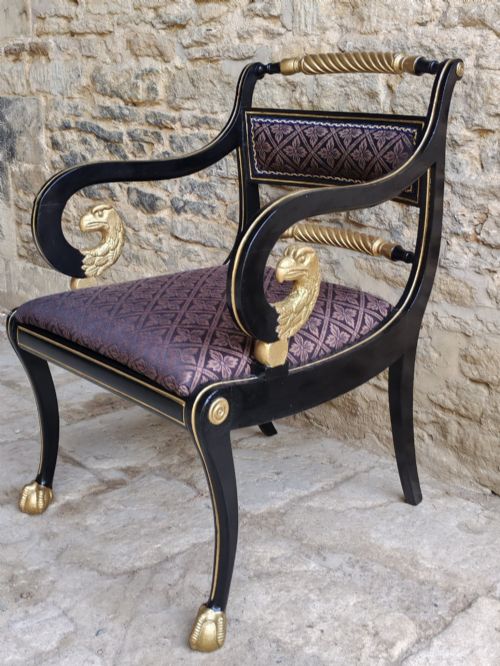
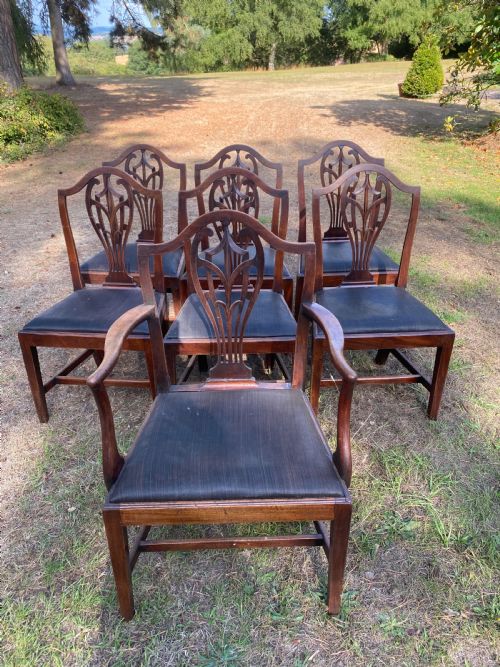
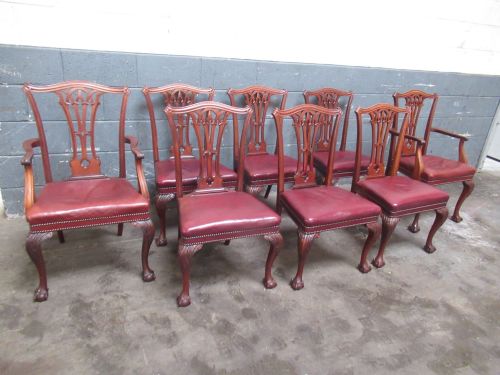
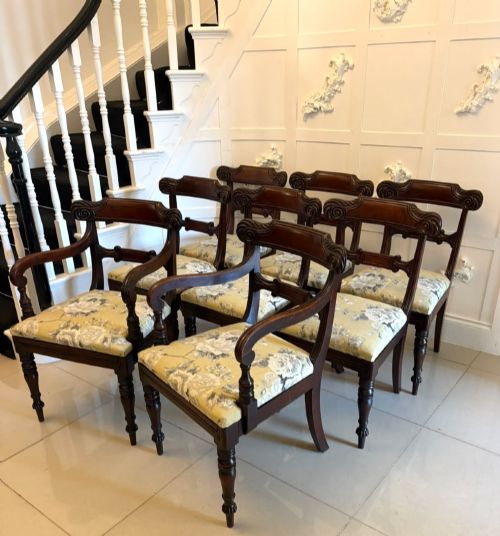
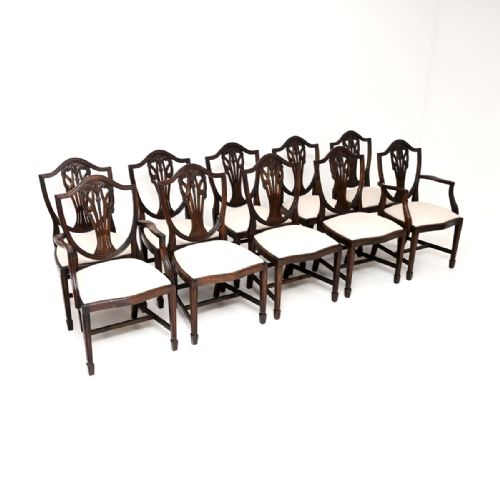
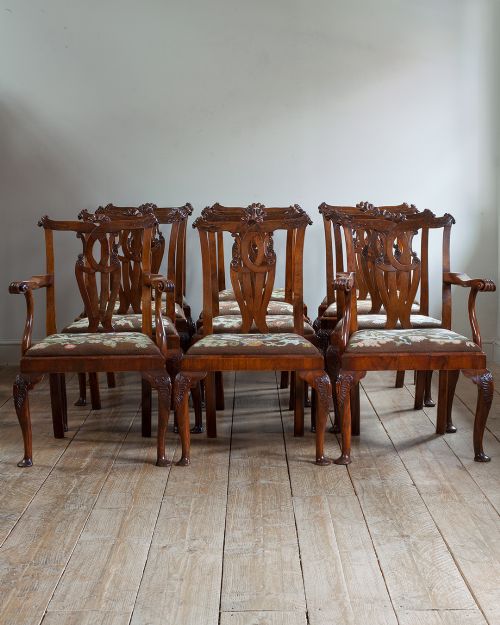
The selection ranges from eighteenth-century George III pieces to nineteenth-century Regency examples and later revivals. Dining sets often incorporate these armchairs alongside single dining chairs.
Makers construct these seats in mahogany and walnut, frequently incorporating upholstered drop-in pads or fixed seats in leather, velvet, and various upholstery fabrics.
Materials and construction methods
Cabinetmakers select dense tropical hardwoods like mahogany and temperate timbers such as walnut to handle the structural demands of open arms and high backs. Carpenters join frame components using traditional mortise and tenon joints.
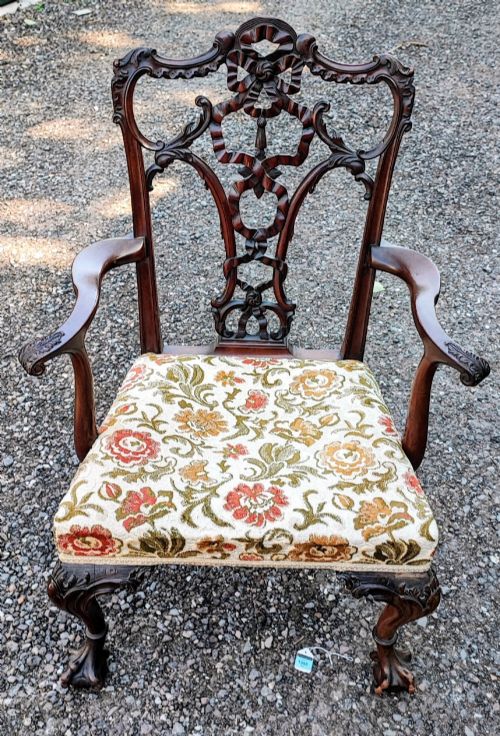
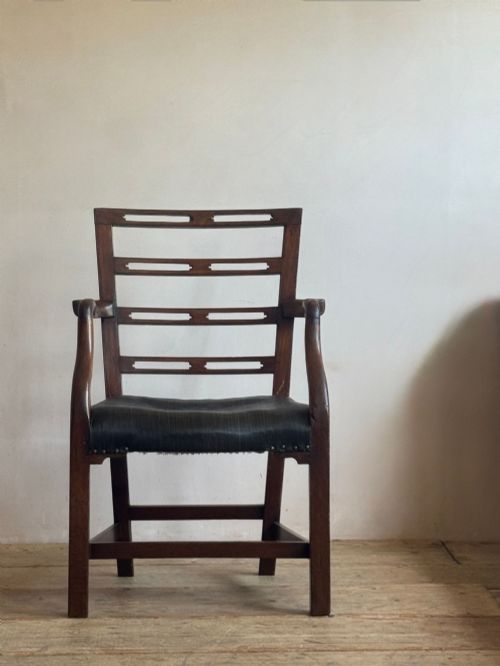
Carvers work directly into the solid timber of the top rail, splat, or arms, shaping ribbon backs, ladder backs, shield backs, and ropebacks. Upholsterers secure drop-in seat frames or webbed bases using brass tacks and textiles including velvet and leather.
Some dining sets quietly admit defeat to modern waistlines by offering twelve dining chairs but only two carvers to share.
Distinctions in execution and timber
Quality rests upon the crispness of the timber carving and the depth of relief in details such as interlaced ribbon splats or acanthus foliage. Superior examples display fluent hand-chiselling rather than shallow mechanical shaping.
Timber selection dictates the visual weight of the frame, with dense-grained mahogany and figured walnut showing rich natural colour. Original joinery integrity and unthinned timber sections separate enduring examples from compromised pieces.
Waring & Gillow
The Georgian Carved Carver Chair Glossary
- Carver chair
- An armchair designed with elbow rests, traditionally placed at the ends of a dining table or used at a desk.
- Shield back
- A chair back shaped in the outline of a heraldic shield, popularised in dining chair design during the late eighteenth century.
- Drop-in seat
- A removable wooden frame padded and covered in fabric or leather that drops into the rebated seat rails of the chair.
- Ropeback
- A chair back featuring carved rope twist decoration along the horizontal rails or vertical members.
- Cockpen chair
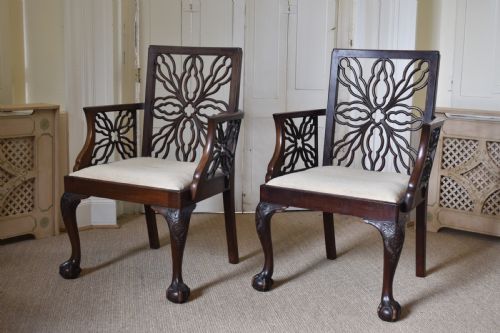
- An open armchair featuring an open lattice or Chinese fretwork pattern derived from eighteenth-century design books.
Georgian Carved Carver Chair: Frequently Asked Questions
What is a carver chair?
A carver chair is an armchair intended for use with a dining table or desk. These pieces feature structural armrests to accommodate the principal sitter.
Cabinetmakers historically built these chairs in matching sets with side chairs to designate hierarchy at the dining table.
How do I date a chair?
Dating relies on timber characteristics, construction methods, and stylistic motifs present in the back splat and legs. Eighteenth-century pieces display hand-cut joinery and period-specific proportions.
Revival pieces from the nineteenth and twentieth centuries often emulate these earlier styles using different secondary woods and machine-assisted joinery.
Where should I place an armchair?
These armchairs suit placement at a partner desk, in a library, or flanking a sideboard when not in active use at a table. Their robust timber frames provide a strong focal point in a room.
Pairs of armchairs work effectively by a fireplace or as occasional seating in reception spaces.
How are seats upholstered?
Many examples use a drop-in seat frame wrapped in leather, velvet, or woven fabric over webbing. This removable design allows for straightforward reupholstery without dismantling the main timber frame.
Fixed upholstery is also common, secured directly to the seat rails with traditional tacks.