
18th Century Walnut Seats
These 18th century walnut seats combine rich timber figures with period upholstery, offering enduring architectural presence for traditional interiors.
18th Century Walnut Seats
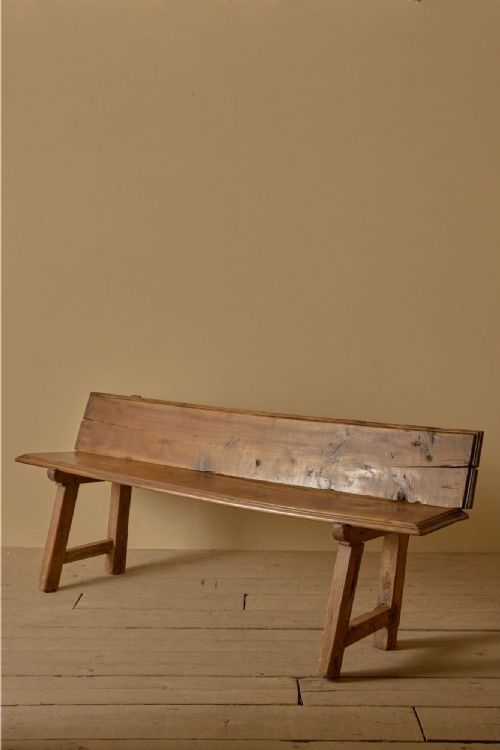
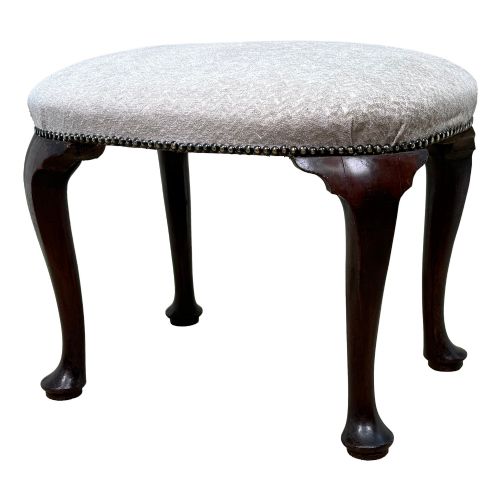
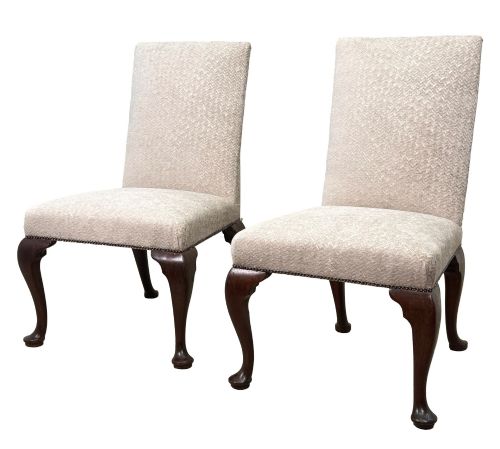
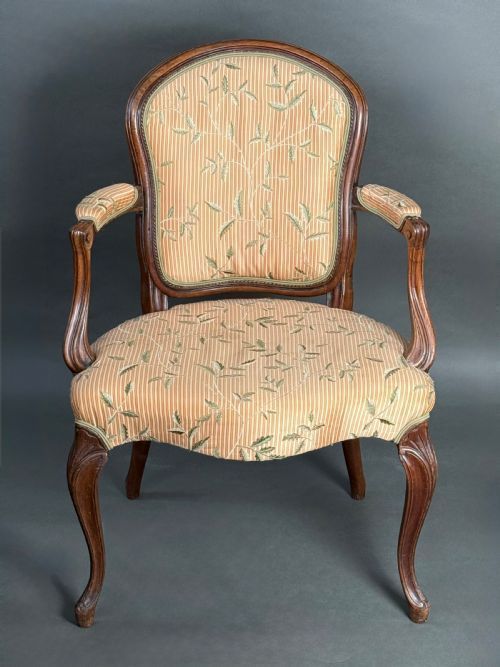
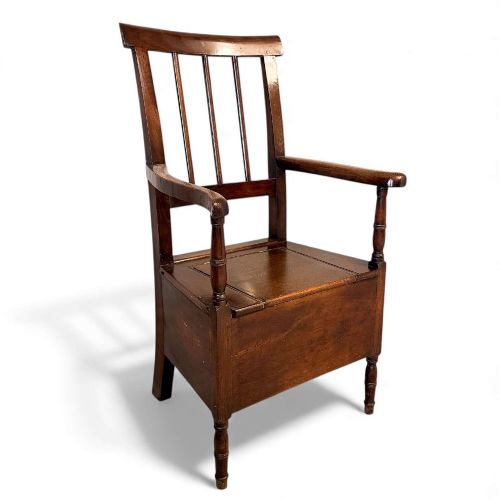
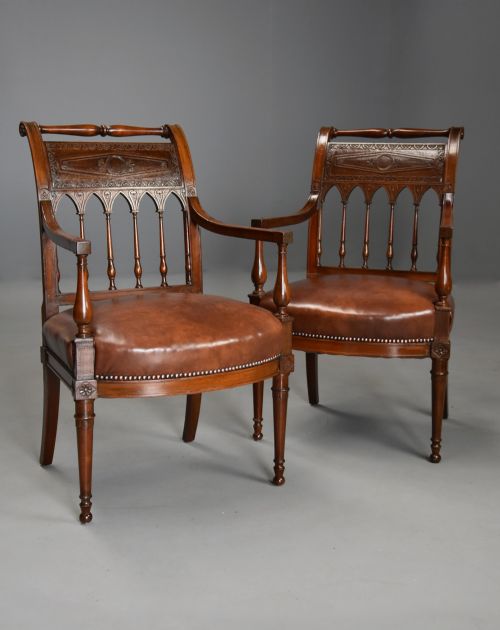
When searching for 18th century walnut seats, collectors encounter an array of seating forms originating from English, Irish, Scottish, Dutch, and Italian workshops. The inventory spans straightforward side chairs and dining sets to more elaborate armchairs, corner chairs, commode chairs, and settees.
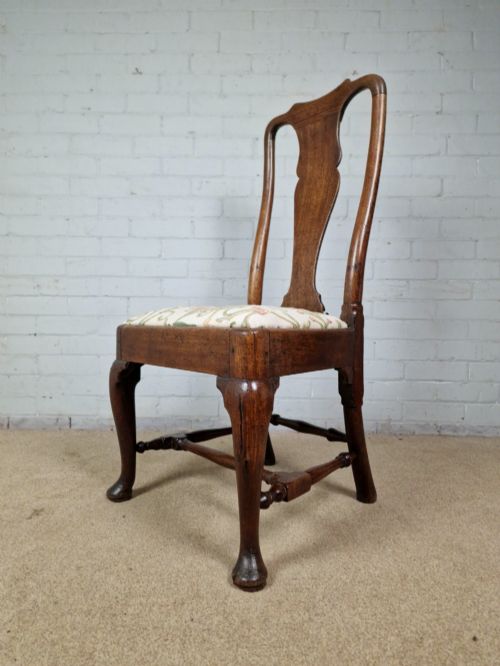
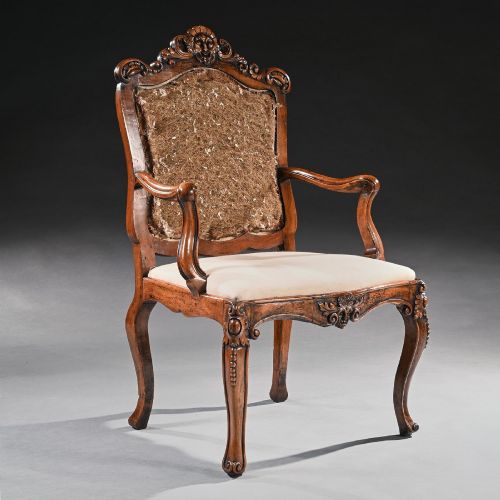
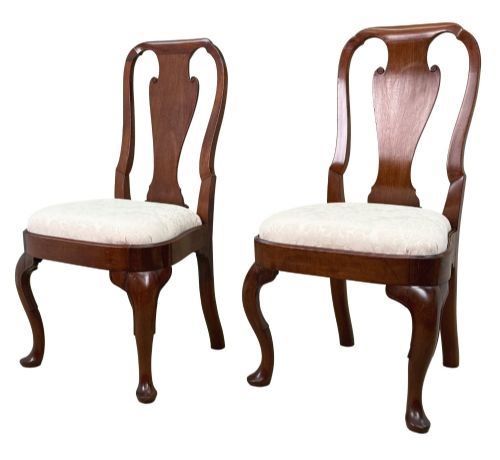
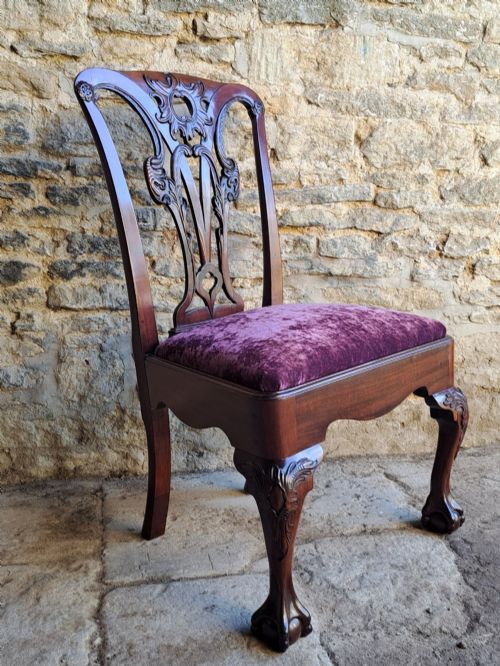
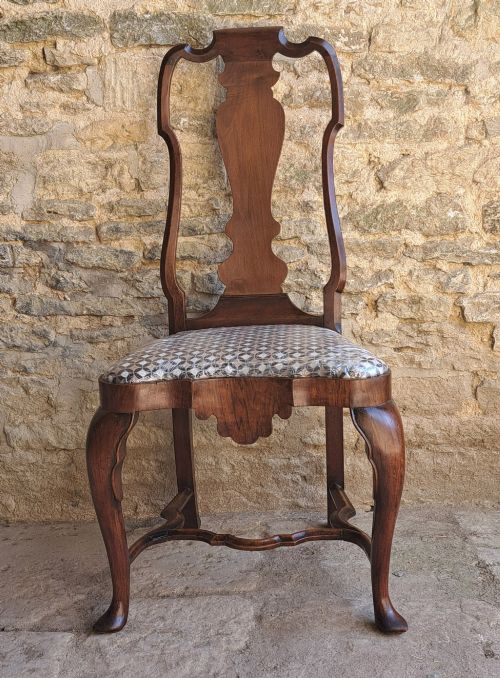
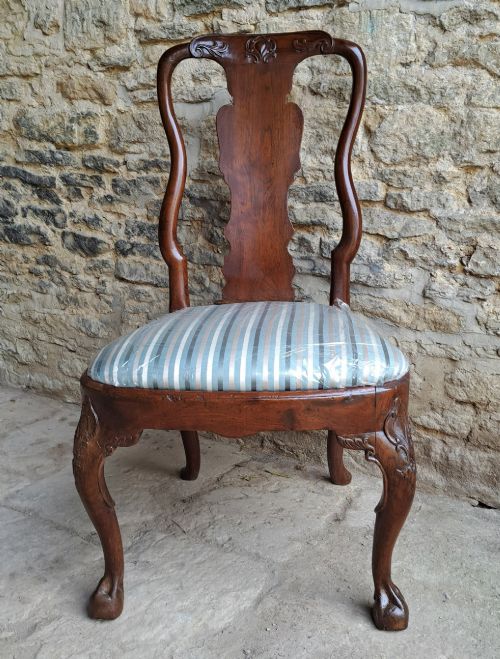
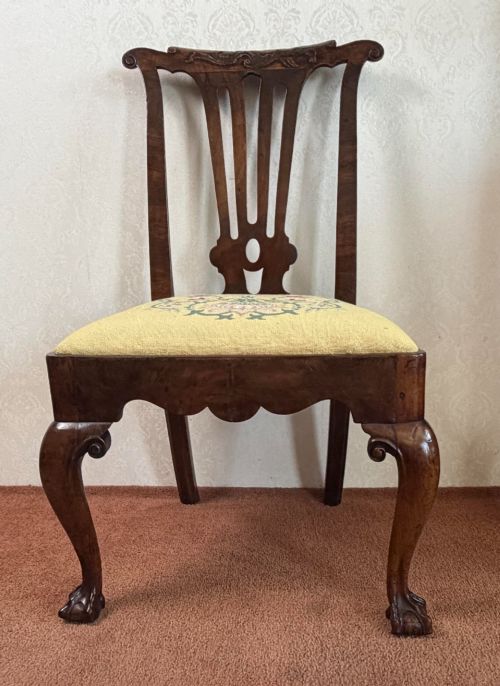
The dominant aesthetic centres on Queen Anne and Georgian designs, alongside continental expressions such as Louis XV and Italian Rococo styles. Walnut remained the primary timber of choice before mahogany gained ascendancy, yielding characteristic warm tones and deep grain patterns across the back splats and cabriole legs.
Materials and construction methods
Cabinetmakers utilised solid walnut and red walnut for structural frames, frequently incorporating carved details like shell motifs, scroll terminals, and ribbon backs. Joinery relied heavily on traditional mortise and tenon construction to support the load-bearing demands of daily use.
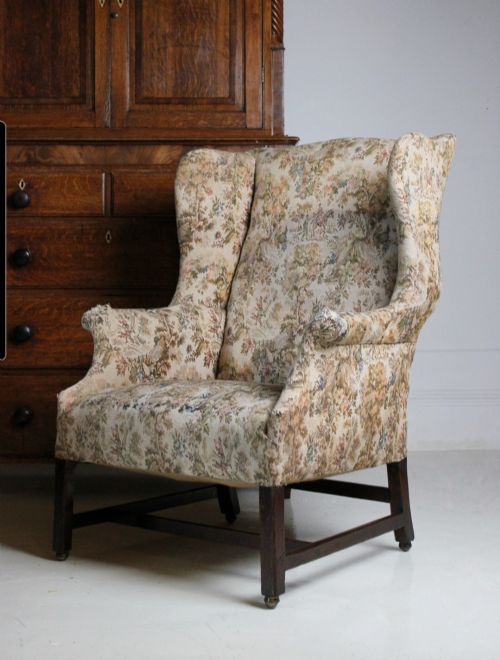
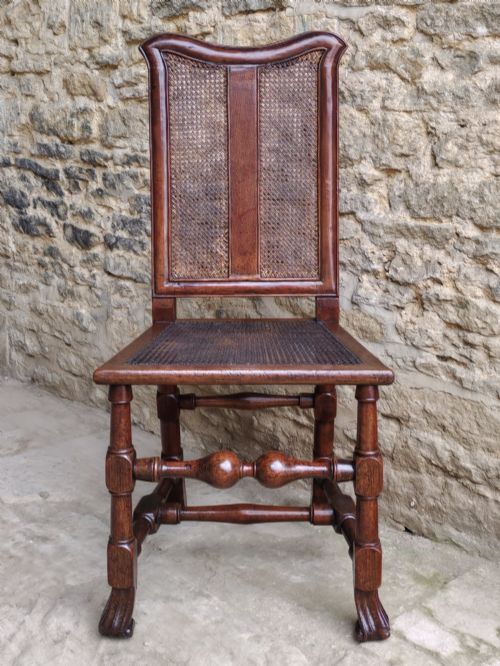
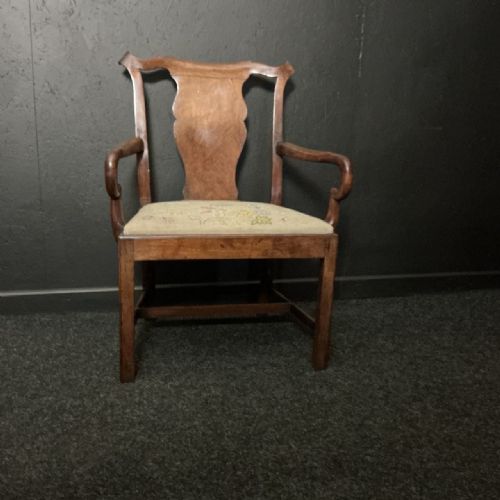
Original upholstery methods involved stuffing pads with natural fibres over webbing, secured with brass tacks beneath coverings of silk, velvet, tapestry, needlepoint, or cane. Drop-in seats appeared frequently, allowing the wooden frame to remain distinct from the textile platform.
Listings feature walnut, cane, and diverse textiles including silk, velvet, and tapestry across 18th century seats.
Factors that distinguish finer examples
Quality rests significantly on the selection of the timber, where dense grain figures and uniform colour elevation indicate superior stock. Carving crispness dictates distinction, separating mechanically repetitive lines from hand-chiseled depth on knees and crest rails.
Structural integrity and surface preservation determine lasting worth. Surviving items retain original blocking beneath the seats, minimal timber replacement, and a patinated finish developed through centuries of handling.
Charles Tozer
The 18th Century Walnut Seats Glossary
- Cabriole leg
- A furniture leg that curves outward at the knee and tapers inward toward the foot, often finishing in a pad or claw and ball.
- Drop-in seat
- A removable upholstered frame that rests within a rebate inside the chair rails.
- Splat
- The vertical wooden strip down the centre of a chair back.
- Marquetry
- Decorative patterns formed by inserting thin veneers of different woods into a prepared surface.
- Needlepoint
- Hand-stitched embroidery executed on canvas mesh, commonly found on period seat covers.
18th Century Walnut Seats: Frequently Asked Questions
How do I spot a restored seat?
Examine the underside of the frame for mismatched timber blocks, replacement corner braces, and modern fixings. Closer inspection often reveals whether joints have been re-glued or if secondary woods have been introduced during past conservation efforts.
Surface consistency also offers clues, as newly sanded areas lack the deep patina accumulated across unexposed structural components. Comparing the wear patterns on the feet with the upper rail helps confirm uniform age.
Can I use these chairs daily?
Most structural frames remain robust enough for regular sitting, provided the joinery is sound and inspected by a professional conservator. However, older textiles and delicate cane work require gentle treatment to prevent tearing or snapping under heavy loads.
Placing them away from direct heat sources and sunlight protects the walnut timber from splitting and stops the upholstery fabrics from fading. Periodic checks of the interior webbing ensure the seat platform stays stable over time.
What defines a George I chair?
George I examples typically showcase smooth walnut surfaces with characteristic spooned backs and solid vase-shaped splats. Cabriole legs frequently terminate in pad feet, sometimes accompanied by shell carvings on the knees.
Proportions tend to be generous yet restrained, reflecting the transitional shift away from heavier William and Mary styles. The emphasis remains on clean wooden lines rather than excessive surface ornamentation.
Why choose red walnut?
Red walnut refers to timber displaying a warmer, reddish-brown hue, often sourced from American imports used by British cabinetmakers during the mid-eighteenth century. This variety provides distinct visual warmth compared to European heartwood.
Items constructed from red walnut exhibit striking grain variation, making them particularly prized by collectors seeking textural diversity within dining sets or single side chairs.