


Georgian Burr Wood Table
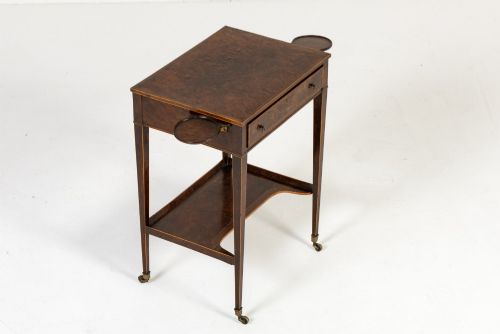
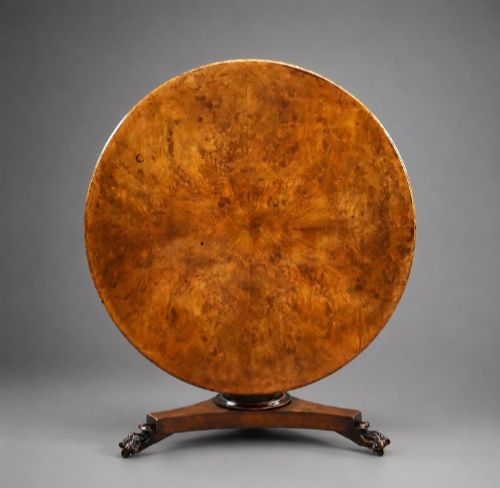
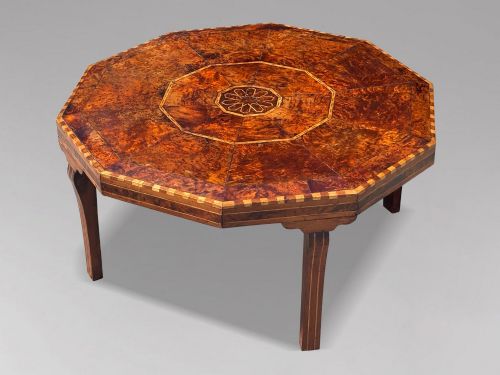
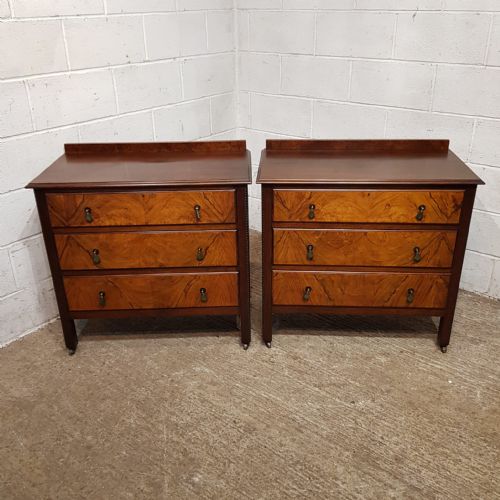
A georgian burr wood table brings richly figured timber into a room, offering practical surfaces through side tables, lowboys, and desks.
Georgian Burr Wood Table
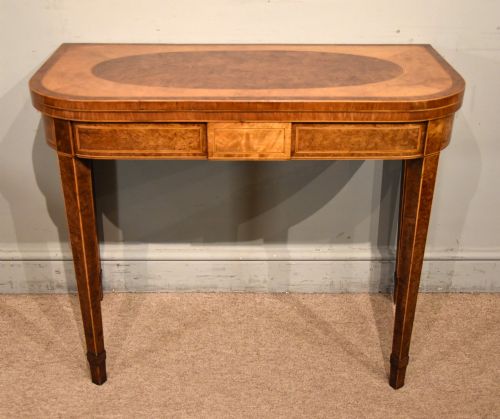
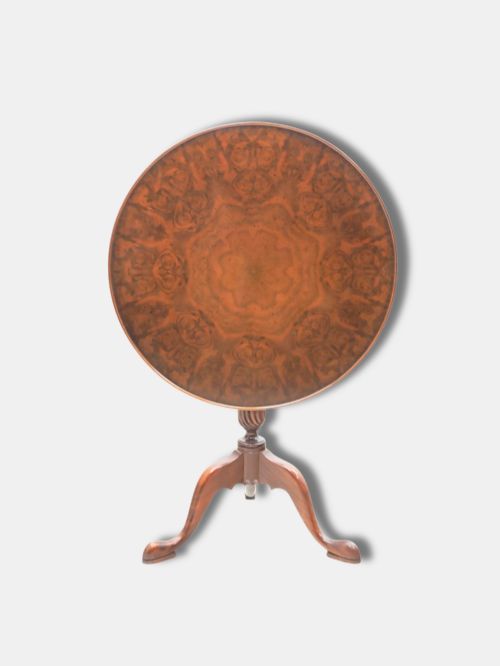
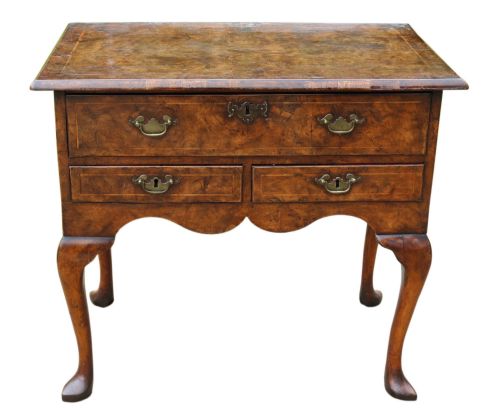
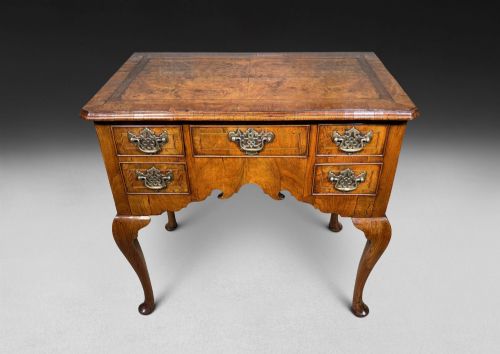
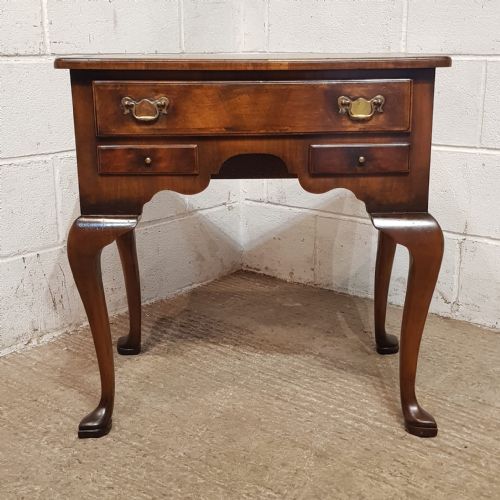
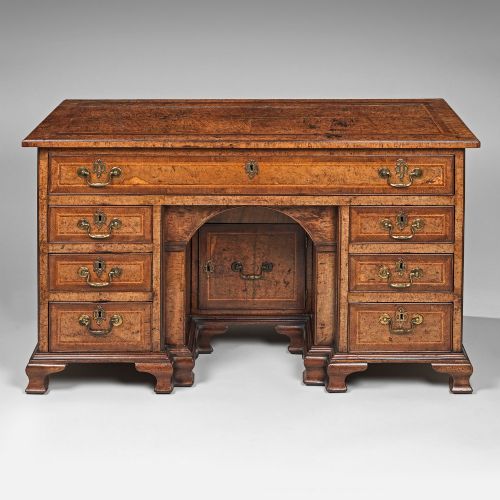
When searching for a georgian burr wood table, buyers encounter forms ranging from 18th century lowboys and kneehole desks to occasional and card tables spanning the Georgian, Regency, and later revival periods. Lowboys and writing desks appear frequently alongside tripod wine tables and side consoles.
The materials span burr walnut, burr yew, burr elm, and burr oak, often supported by secondary timbers like oak and walnut. Pieces originate from English and Irish workshops, incorporating styles from George II and George III eras alongside later 20th century revivals.
Materials and construction
Craftsmen utilised burr wood veneers, harvested from the knotted growths of walnut, yew, elm, oak, and maple, applied over solid carcases to display intricate swirling grain patterns. Brass hardware, leather inserts, and glass components appear alongside timber frames joined by traditional methods.
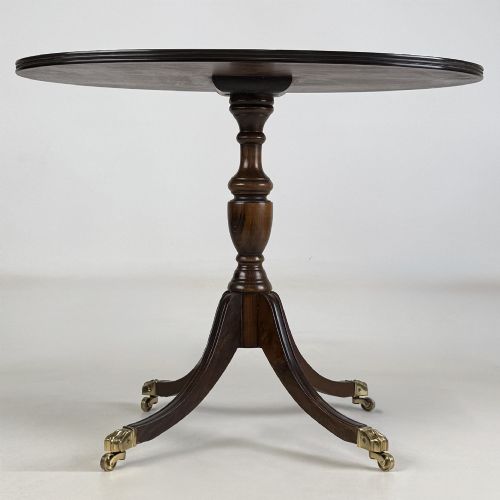
Surfaces often show circular turning, pedestal bases, or tripod legs, while tables incorporate drop leaves, fold-over card tops, or fitted drawers. Cabinetmakers selected figured grain for visual impact, matching veneers across table tops and drawer fronts.
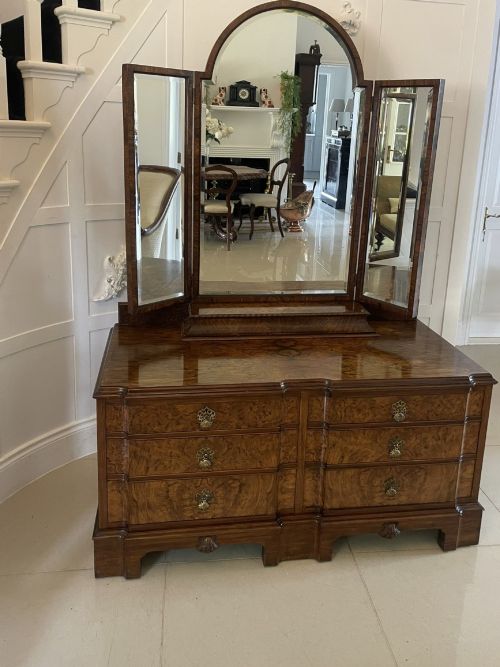
Object forms span lowboys, tripod wine tables, kneehole desks, card tables, and dressing mirrors.
Factors of quality
Quality rests upon the selection and matching of the burr veneer, where tightly clustered figures and symmetrical patterns indicate superior cabinet work. The depth of patination and the natural colour of the timber significantly influence the visual appeal.
Construction integrity determines worth, visible in the stability of tripod bases, the precise fit of desk drawers, and the preservation of original brass handles. The harmony between primary burr timbers and secondary framing woods distinguishes finer examples from simpler provincial items.
George Bullock·William Trotter·Whytock & Reid
The Georgian Burr Wood Table Glossary
- Burr wood
- Timber taken from a tree growth where the grain has grown in a deformed, swirling manner. This produces highly decorative patterns prized for table tops and veneer.
- Lowboy
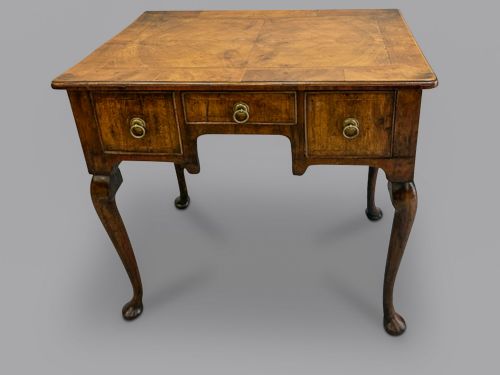
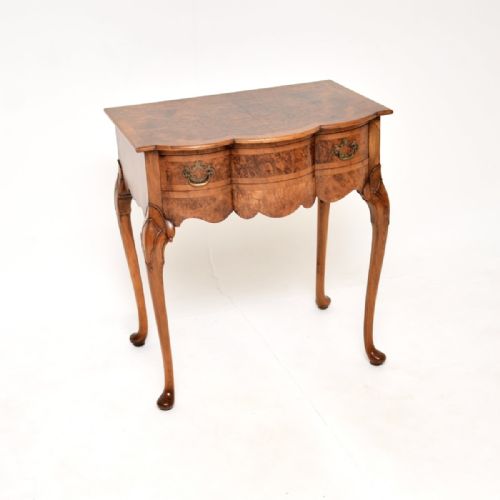
- A small side table or dressing table with one or more rows of drawers, supported on four long legs. They date predominantly from the 18th century in walnut, elm, and oak.
- Tripod table
- A small occasional table supported by a central pillar resting on three legs. These versatile forms were used for wine, tea, or reading.
- Kneehole desk
- A compact desk featuring a central recessed space for the legs, flanked by pedestals of small drawers. They often incorporate figured walnut or oak veneers.
- Veneer
- A thin layer of finely figured wood applied over a base timber. This technique allowed cabinetmakers to display expensive burr patterns economically.
Georgian Burr Wood Table: Frequently Asked Questions
How do I identify a genuine period table?
Examine the construction methods, timber movement, and patination of the wood. Period pieces show hand-cut joinery and natural wear consistent with age.
Check beneath the table top and inside drawer linings for secondary woods appropriate to the stated century. Modern reproductions often lack the subtle colour variations found in older burr timbers.
Where were these tables used originally?
These tables served various domestic functions in 18th and 19th century homes. Lowboys and kneehole desks stood in bedrooms or private studies for writing and grooming.
Tripod and occasional tables occupied drawing rooms for holding tea services or displaying decorative objects. Card tables were opened in parlours for evening gaming.
How should I care for burr wood surfaces?
Keep wooden furniture away from direct sunlight and heat sources to prevent the veneer from drying and cracking. Maintain a stable indoor humidity level.
Dust regularly with a soft, dry cloth and occasionally apply a suitable beeswax polish to nourish the timber. Avoid using harsh chemical sprays or placing wet items directly on the surface.
What is the difference between George II and George III styles?
George II furniture typically retains heavier proportions, robust cabriole legs, and darker walnut or elm timbers. Burr elm and walnut lowboys are common from this earlier era.
George III designs often introduce lighter proportions, straight tapered legs, and refined yew or maple veneers. Neoclassical influences appear more frequently in the later Georgian period.