

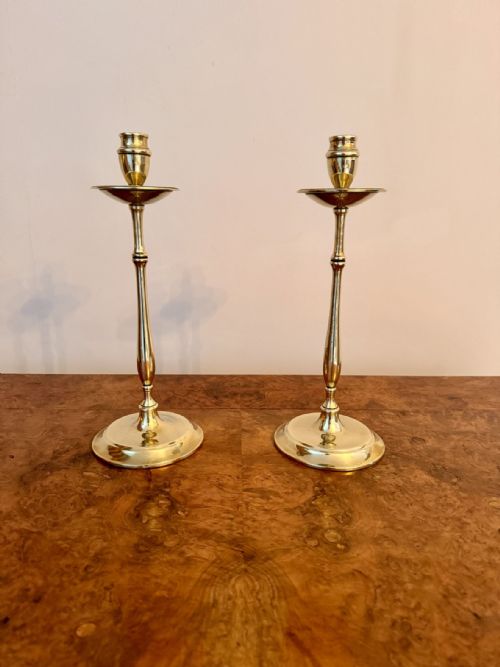
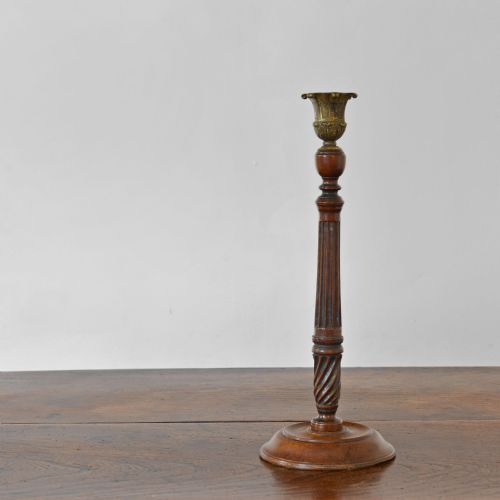
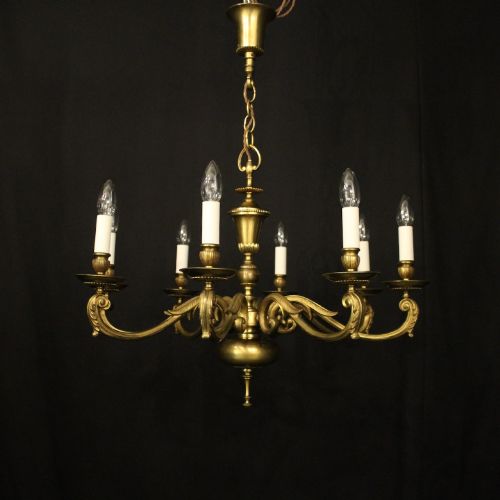
Georgian Brass Lighting
Georgian brass lighting brings weight, warmth and structural honesty to a room through centuries-old metalwork.
Georgian Brass Lighting
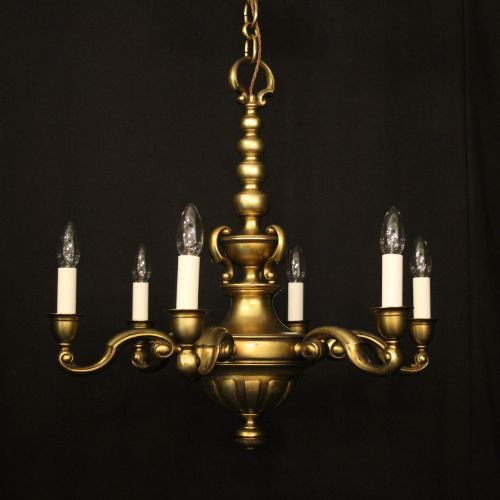
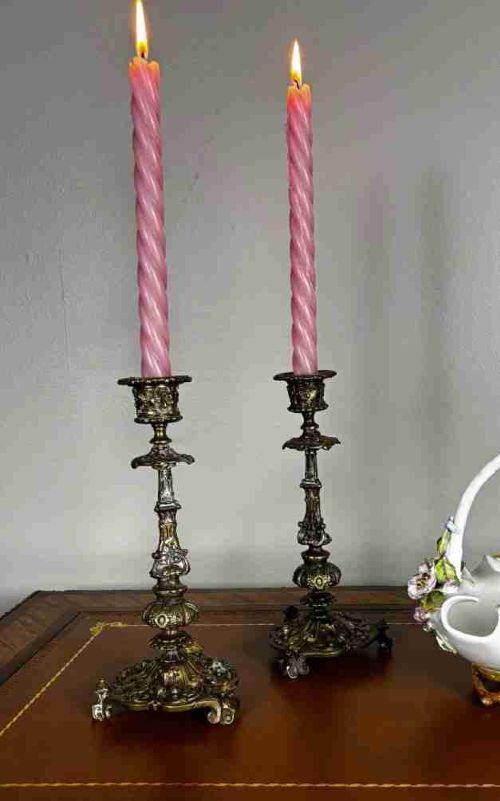
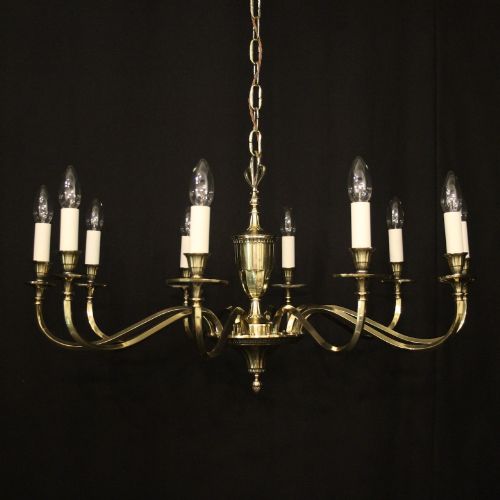
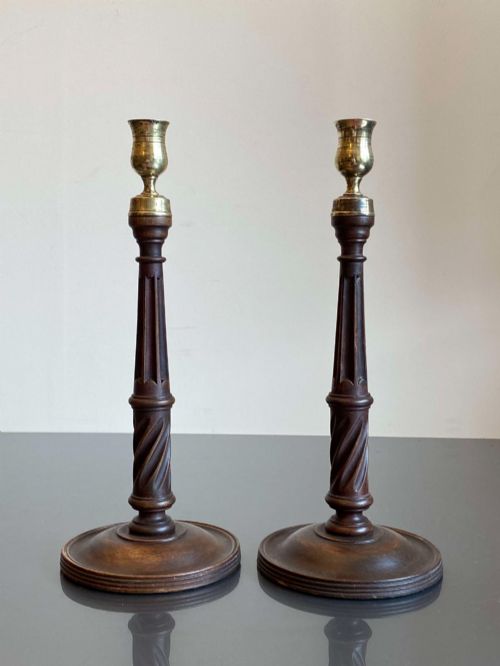
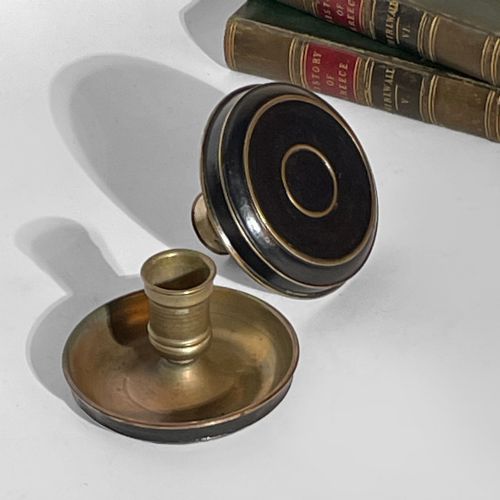
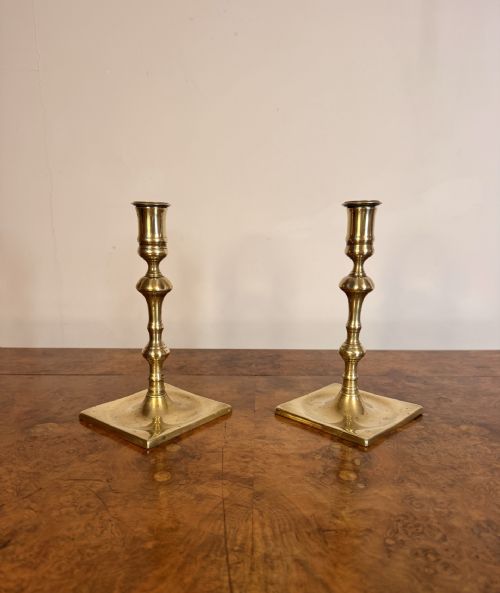
Georgian brass lighting encompasses utilitarian and decorative pieces designed to hold candles, burn oil or illuminate hallways during the eighteenth and nineteenth centuries. These objects range from heavy domestic candlesticks with petal bases to large hanging lanterns and multi-arm chandeliers.
What varies in quality
The distinction between ordinary and superior pieces rests upon the crispness of the casting detail and the weight of the metal. Heavily cast brass retains sharper decorative edges on bases and stems, whereas worn moulds yield softer, shallower profiles.
Originality of components also dictates standing, with untouched ejector mechanisms, matching pairs and unaltered surface patination holding greater historical integrity. Secondary adaptations or replacement parts alter the physical consistency of the object.
Georgian Brass Lighting Retail Price Guide 2026
Typical asking prices for georgian brass lighting among the pieces listed under this phrase on Sellingantiques today, from the lower quarter to the upper quarter. They describe what is for sale here now, not the wider market.
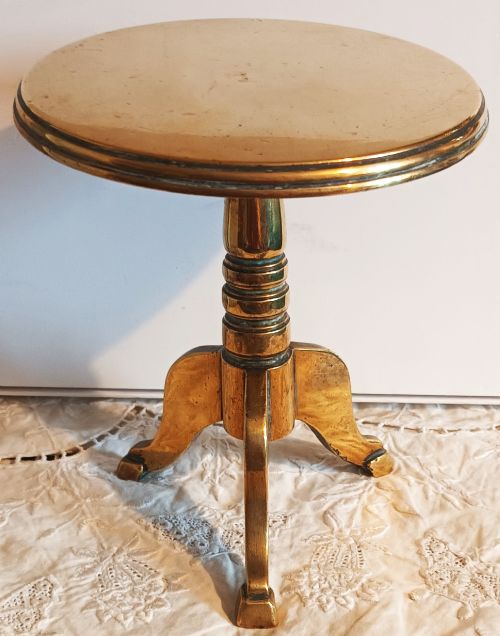
Listings feature items spanning the eighteenth and nineteenth centuries, incorporating materials like bronze, gun metal and gilded brass alongside standard brass.
J.T. & Co·J. Miller
The Georgian Brass Lighting Glossary
- Ejector
- A concealed internal mechanism operated by a thumb slider to push the candle stub up and out of the socket. This practical addition helps preserve the metal interior from stubborn wax build-up.
- Petal base
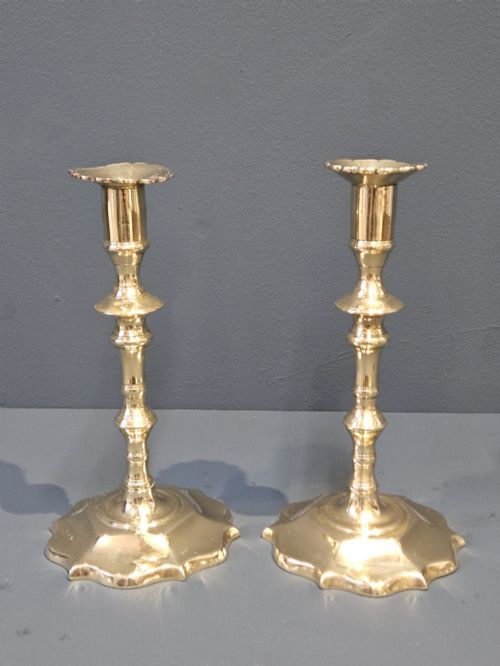
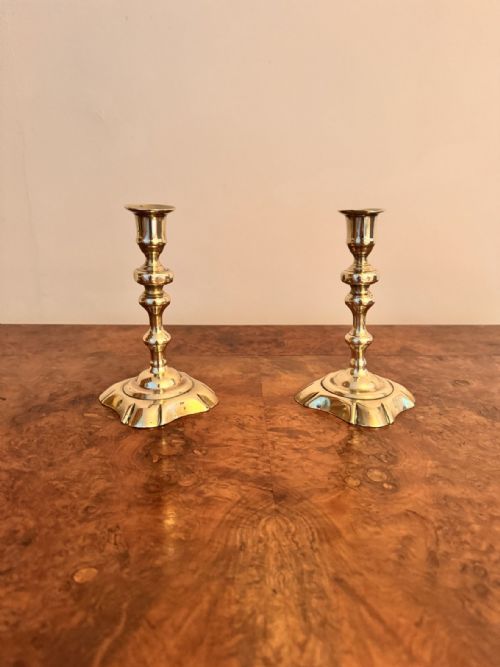
- A rounded candle holder base shaped with overlapping lobed contours resembling flower petals. This popular mid-eighteenth-century design provides a wide, stable footprint.
- Pricket
- A sharp metal spike set inside the drip pan to impale and secure a wax candle or taper. Such examples often reflect ecclesiastical or formal interior origins.
- Hall lantern
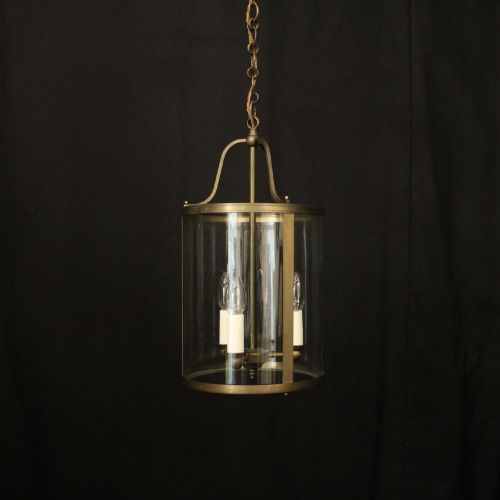
- An enclosed glass and brass hanging fixture designed to illuminate corridors and entranceways. These pieces protect the flame from drafts while diffusing light through convex or flat panes.
- Sconce
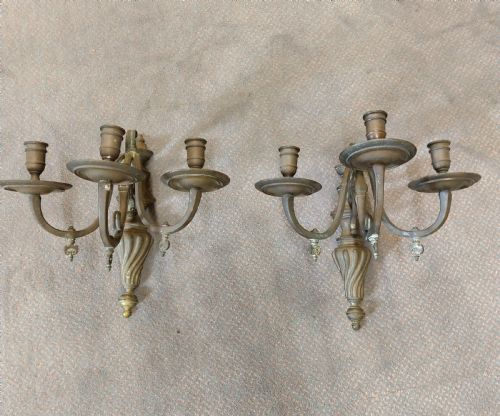
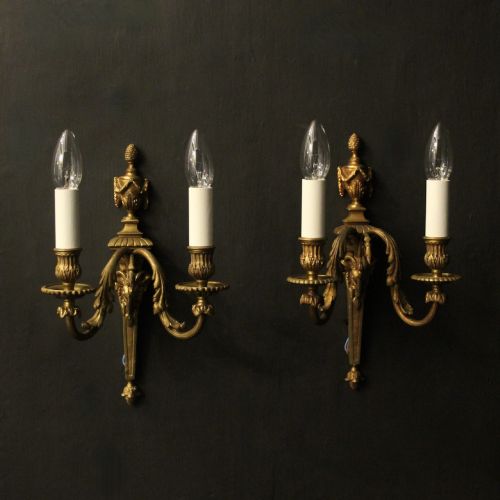
- A wall-mounted lighting fixture featuring one or more arms to project candles into the room. Backplates are frequently shaped to reflect light forward against the wall.
Georgian Brass Lighting: Frequently Asked Questions
How do I date an old brass candlestick?
Dating relies upon examining the manufacturing technique, such as seamed construction versus later machine-made extrusion, alongside base shapes and stem profiles. Mid-century examples often display distinct petal bases and heavier cast construction.
Changes in domestic habits also influenced forms, shifting from simple push-ejector stems to more elaborate telescopic designs by the turn of the nineteenth century.
Were these lights converted to electricity?
Many surviving chandeliers and wall sconces have undergone conversion to electricity over the decades to suit modern homes. Candlesticks, however, predominantly remain in their original manual configuration.
When electrical wiring is present, it is typically routed internally or discreetly along the arms without permanently altering the historical metal body.
How should I clean antique brass?
Maintenance requires little more than a soft cloth to remove dust and preserve the natural patinated surface accumulated over centuries. Aggressive chemical polishes strip away the aged character that collectors value.
Gentle dusting maintains the metal without destroying the darker tones earned through long-term exposure to domestic environments.