
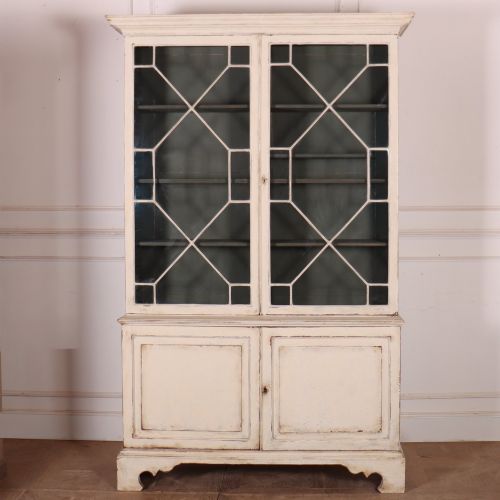
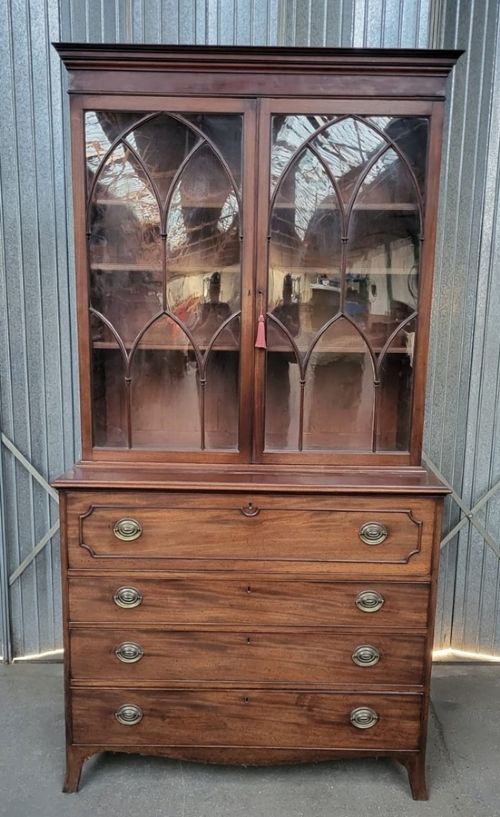
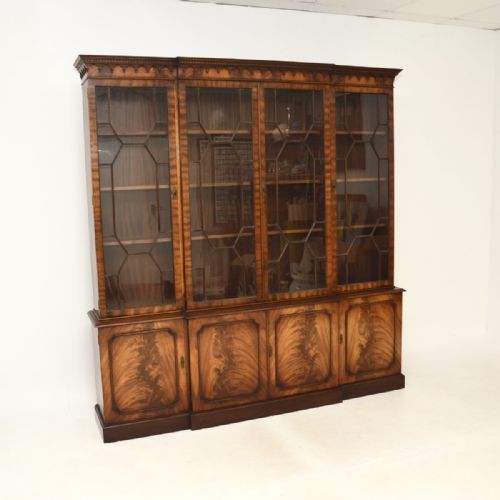
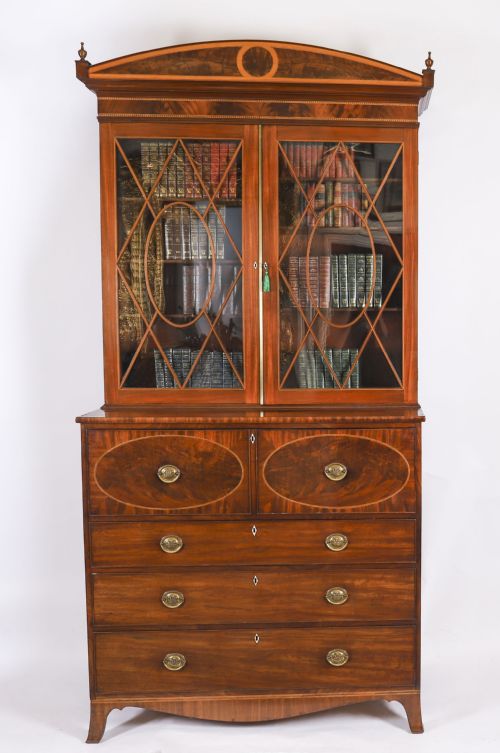


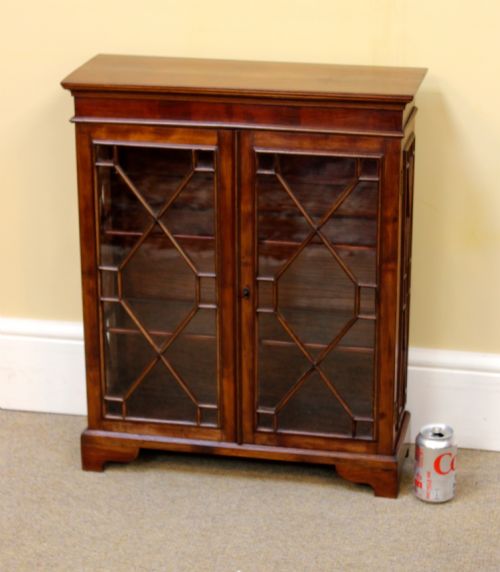
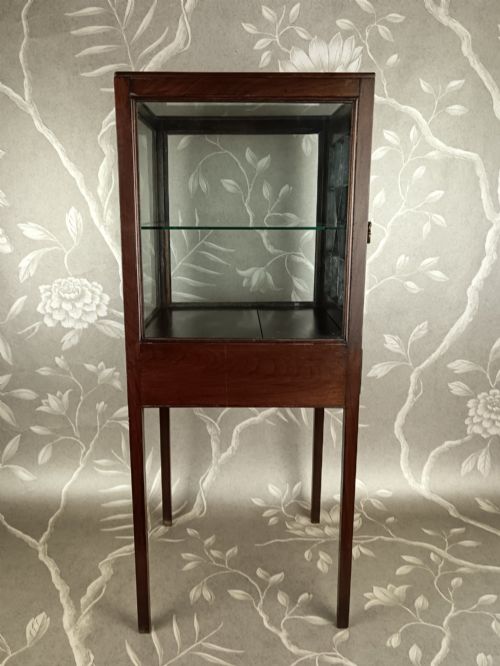
Georgian Astragal Glazed Bookcase
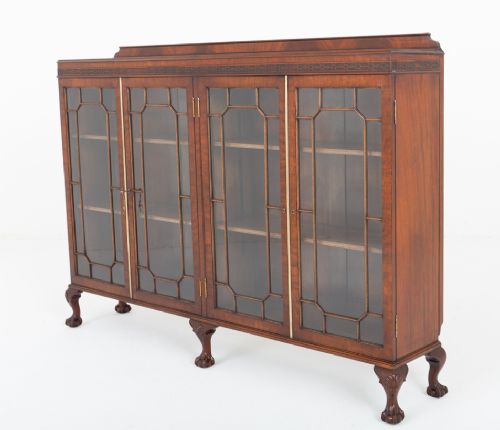
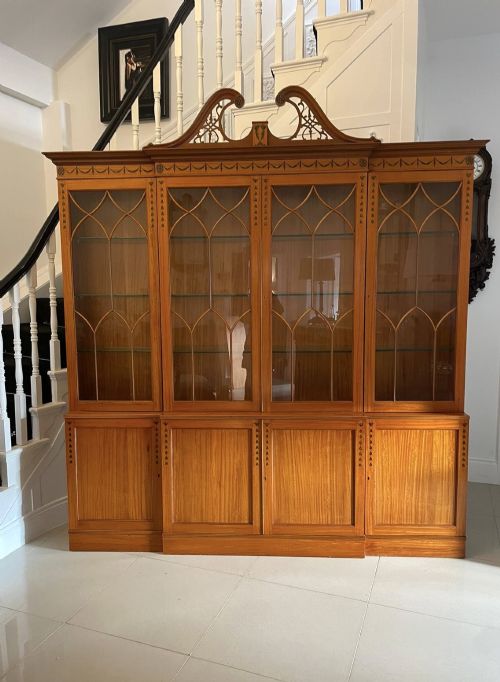
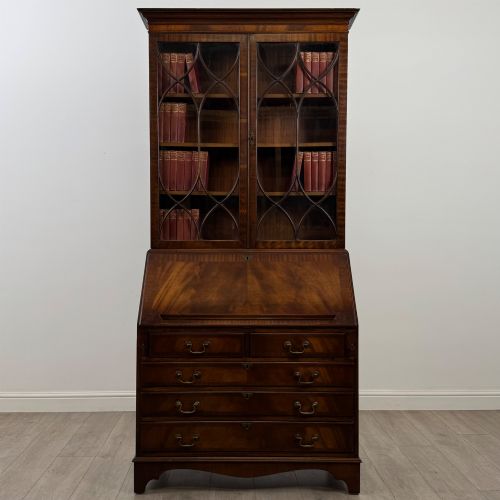
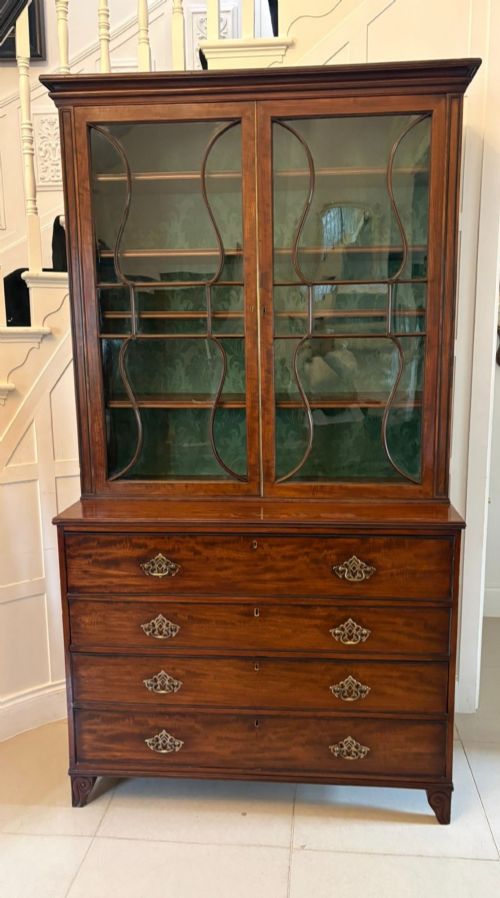
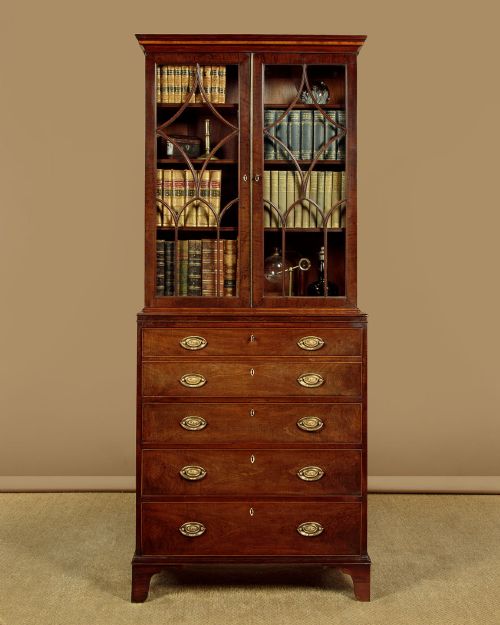
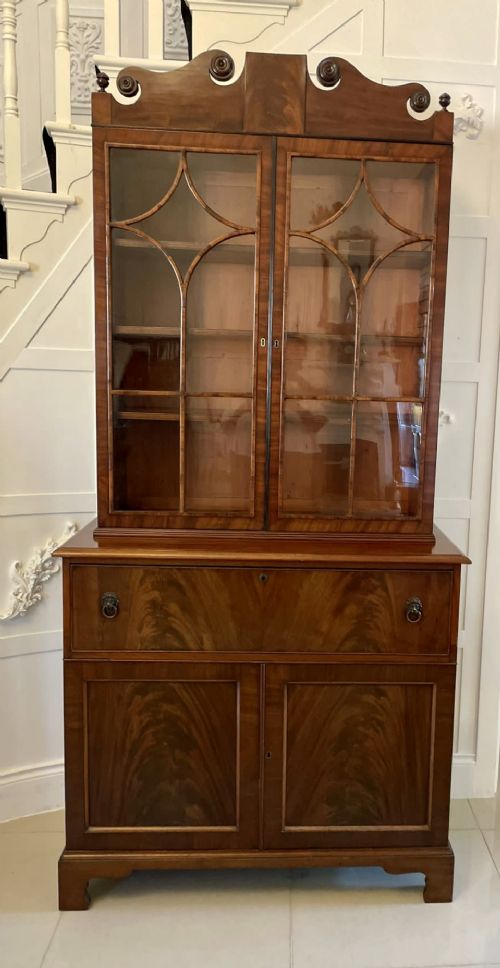
A georgian astragal glazed bookcase offers divided glass panes framing a substantial timber library cabinet built to display fine volumes.

Georgian Astragal Glazed Bookcase
A georgian astragal glazed bookcase brings together tall timber storage and delicate wooden framing that separates individual glass lights in the upper cabinet doors. These pieces appear across the 18th century, Georgian, and Regency periods, alongside later revival interpretations.
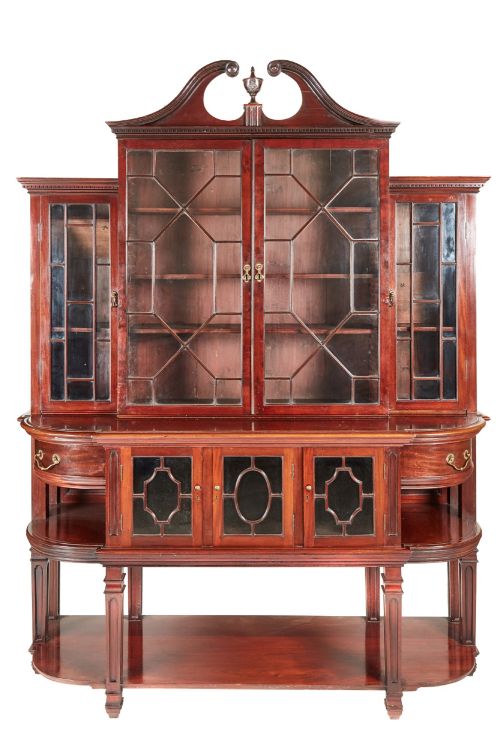
The form frequently combines a lower section built as a bureau, secretaire, or breakfront cabinet with glazed upper doors designed to showcase collections. Oak and mahogany serve as the primary structural timbers, often enhanced by satinwood or flame mahogany veneers.
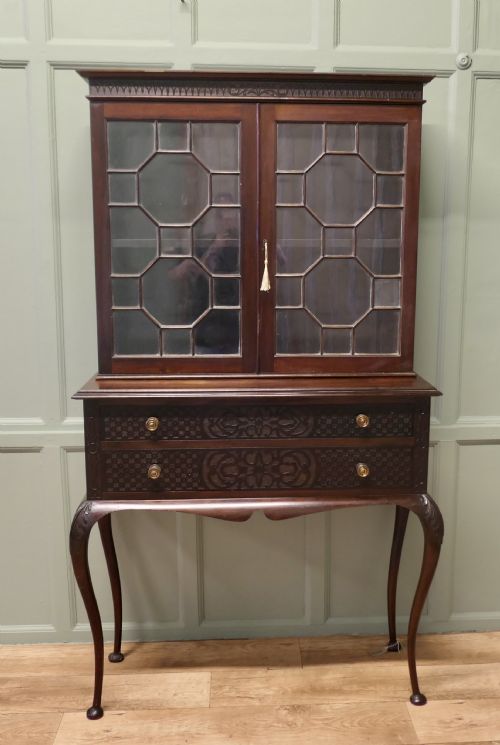
Examples range from compact corner cabinets and diminutive pieces on stands to large multi-door library bookcases. Buyers encounter both original 18th-century pieces and later Edwardian or 20th-century revivals sharing the same defining structural layout.
How They Were Made
Cabinetmakers constructed the main carcase and lower drawers using solid mahogany or oak, employing traditional joinery methods for stability. Finer surfaces utilise flame mahogany and satinwood veneers applied to secondary woods to create rich figured grain patterns.
The signature astragal bars are shaped by hand from timber to form slender mouldings that hold the individual glass panes securely in place. Brass hardware, including drop handles and escutcheons, secures the doors and fitted interior drawers.
Some secretaire drawers hide secret compartments behind miniature pigeonholes designed to hold private letters and hidden keepsakes.
What Varies in Quality
The refinement of the timber selection dictates much of the distinction, separating plain mahogany boards from highly figured flame mahogany and detailed satinwood inlay. The delicacy and precision of the astragal mouldings on the glass doors show the hand of a skilled maker.
Internal configuration also separates standard pieces from exceptional examples, particularly fitted secretaire drawers with pigeonholes and small compartments. Original painted decoration and well-proportioned breakfront cornices further elevate the standing of a piece.
Thomas Chippendale·Tudor and Burrey·Wylie and Lochhead·Gillows
The Georgian Astragal Glazed Bookcase Glossary
- Astragal
- The narrow wooden moulding that divides individual panes of glass within a glazed door. These fine strips form geometric patterns across the cabinet front.
- Secretaire
- A desk drawer that pulls out and drops down to reveal a fitted interior of small drawers and pigeonholes. It converts the upper bookcase into a working bureau.
- Breakfront
- A cabinet design where the central section projects forward from the flanking outer wings. This architectural arrangement creates depth and visual balance on large library pieces.
- Satinwood
- A lustrous timber native to India and Ceylon displaying a yellow sheen and smooth grain. Cabinetmakers used it for contrasting stringing and decorative veneers.
- Vitrine
- A glass-fronted display cabinet intended for showing porcelain and small ornaments rather than books. It shares the glazed construction common to many library pieces.
Georgian Astragal Glazed Bookcase: Frequently Asked Questions
How do I use a secretaire bookcase?
The middle drawer pulls forward and drops down on hinges to create a writing surface backed by small drawers and pigeonholes. This allows the cabinet to function as both a desk and a bookcase.
When closed, the drop-front sits flush like a standard drawer to maintain the clean lines of the furniture.
Are these bookcases made of solid mahogany?
Primary surfaces and structural frames often utilise solid mahogany or oak, while secondary woods appear in internal linings. Finer decorative areas frequently incorporate flame mahogany or satinwood veneers applied over stable timber bases.
This combination prevented warping while presenting a polished exterior grain.
How can I tell an 18th-century piece from a revival?
Examination of the internal secondary timbers, drawer construction, and glass characteristics helps identify the period of manufacture. 18th-century pieces show hand-cut joinery and old crown glass, whereas later revivals display uniform mechanical components.
Timber ageing and structural wear also provide clues to the age of the cabinet.