


Georgian Apothecary Mortar
A georgian apothecary mortar is a heavy functional vessel for grinding medicinal compounds that brings robust historic utility and tactile metalwork to a modern interior.
Georgian Apothecary Mortar
When you search for a georgian apothecary mortar, you encounter heavy kitchen and dispensary vessels designed for crushing roots, seeds, and chemicals. These practical implements come in various forms, often accompanied by their original pestles.
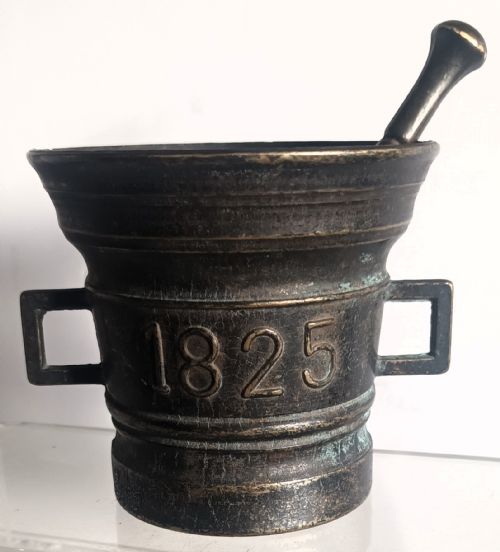
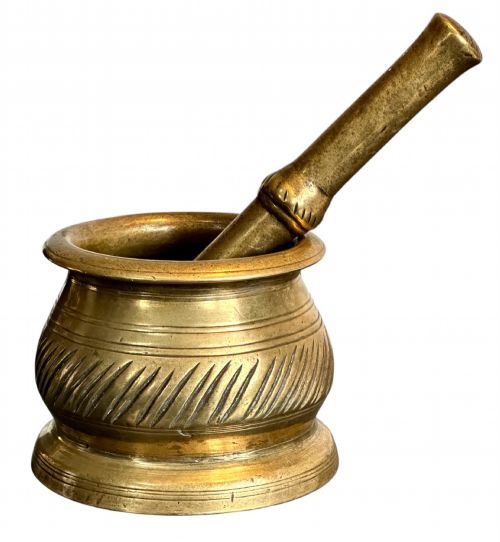
You are most likely to meet bronze and brass examples originating from the eighteenth and nineteenth centuries on this page. The selection spans standard domestic sizes to large industrial dye maker pieces.
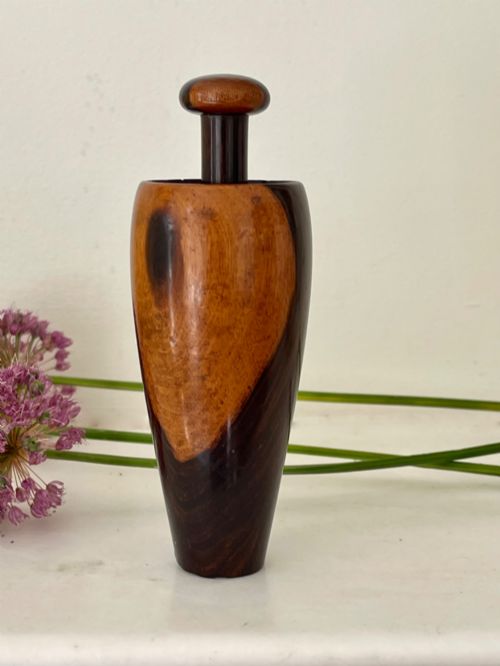
The objects frequently date to the Georgian period or the seventeenth and nineteenth centuries. Alongside metal versions, occasional treen and walnut pieces appear in the listings.
How they were made
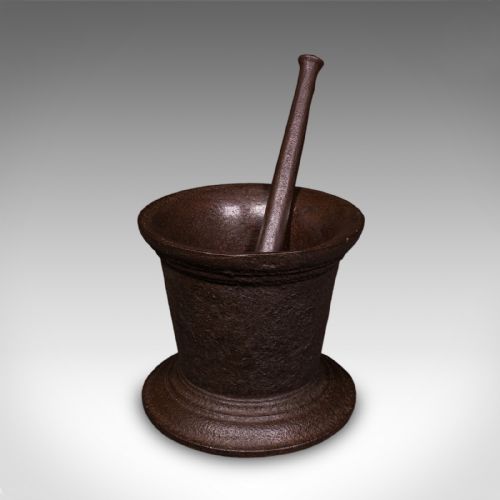
These vessels are produced primarily through metal casting, utilising bronze, brass, bell metal, and cast iron. Founders poured molten metal into moulds to create thick walls capable of withstanding heavy impact.
Woodworking techniques shaped the alternative treen and walnut examples from solid timber blocks. Makers turned these organic materials on lathes to achieve rounded bowls suitable for light grinding tasks.
Listings feature bronze, brass, cast iron, walnut, and treen across Georgian, seventeenth, and nineteenth-century periods.
What varies in quality
The primary distinction in quality lies in the casting definition and the presence of matching pestles. Crisp surface mouldings and well-balanced proportions elevate a piece above utilitarian duplicates.
Substantial weight and the use of superior alloys such as bell metal indicate higher production standards. Surviving sets that retain their original heavy pestles command greater interest.
The Georgian Apothecary Mortar Glossary
- Pestle
- The companion grinding tool wielded by hand to crush materials inside the bowl. Matching period pestles complete the functional set.
- Bell metal
- A specific alloy of copper and tin traditionally used for casting bells, prized here for its resonant tonal qualities and durability. This dense material often yields a finer finish.
- Treen
- Small handmade wooden objects produced before the age of mass manufacturing. These turned items show distinctive grain patterns from walnut or other dense hardwoods.
Georgian Apothecary Mortar: Frequently Asked Questions
How were these mortars used?
Apothecaries and kitchen workers used them alongside a pestle to crush, blend, and pulverize dry herbs, minerals, and medical compounds into powders.
The heavy weight of the vessel kept it stable while the operator applied significant downward force with the grinding tool.
How do I style a mortar at home?
These pieces function well as sculptural objects on kitchen counters, shelves, or sideboards, bringing industrial history into domestic spaces.
Their rich patinated metal surfaces contrast effectively with modern interiors and natural wood furniture.
How can I tell the period?
Dating relies on casting styles, surface wear patterns, material composition, and overall design characteristics typical of eighteenth and nineteenth-century metalwork.
Early Georgian examples often display distinct rim profiles and heavier bell metal construction compared to later Victorian items.