


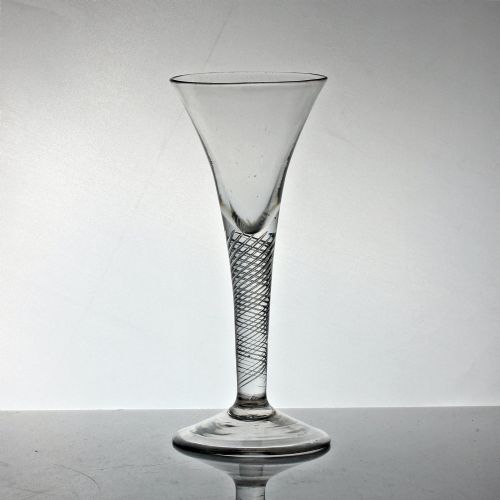
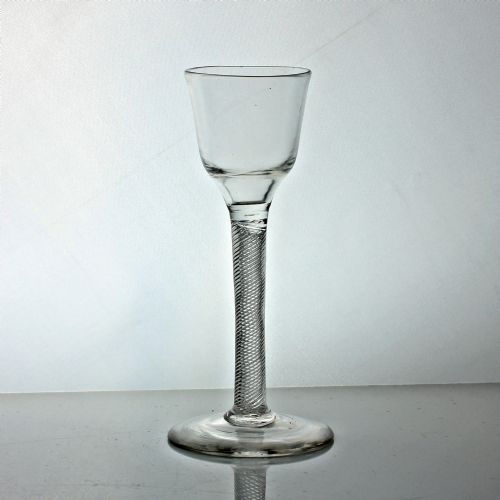


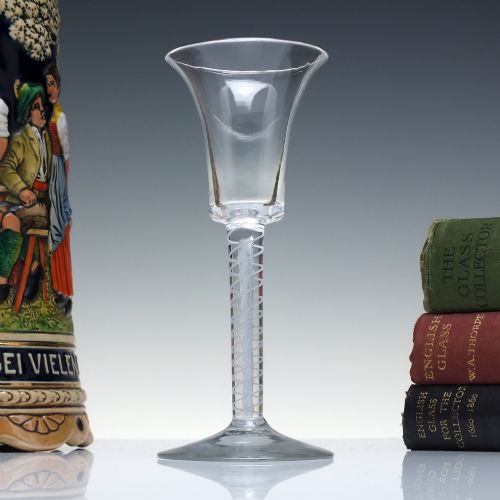
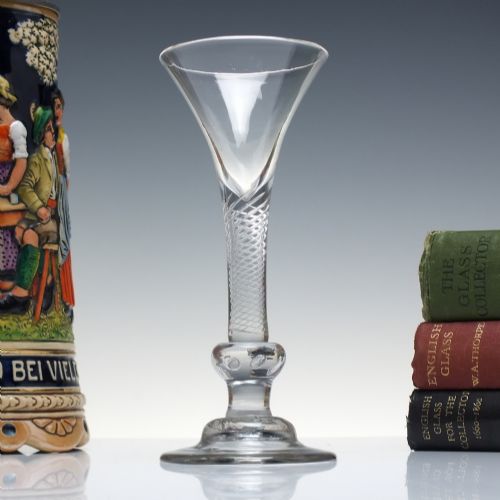
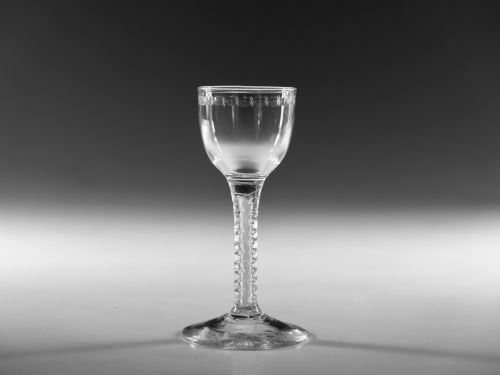
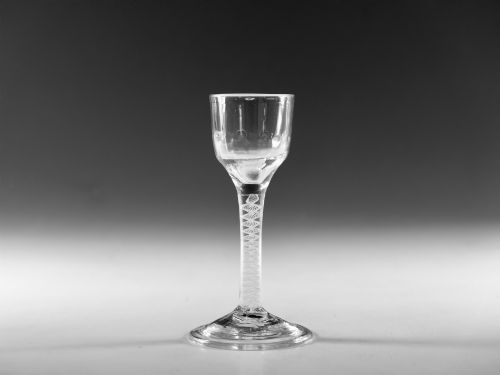
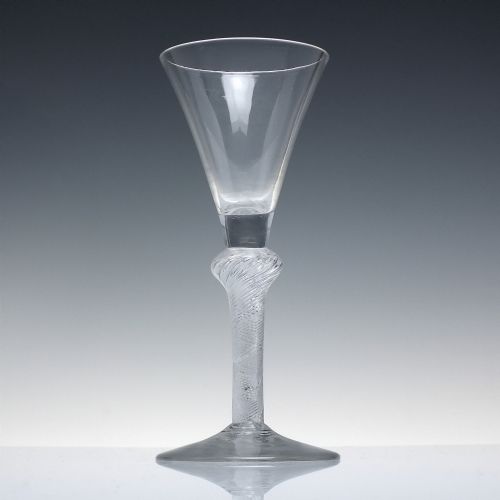
Georgian Air Twist Stemware
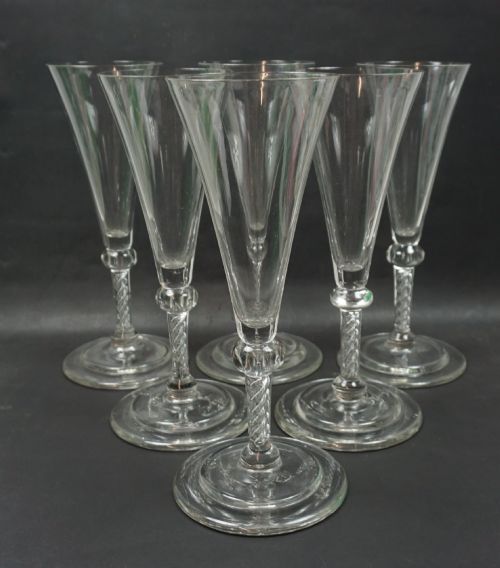
Georgian air twist stemware brings drinking vessels defined by delicate internal air channels to the table.
Georgian Air Twist Stemware
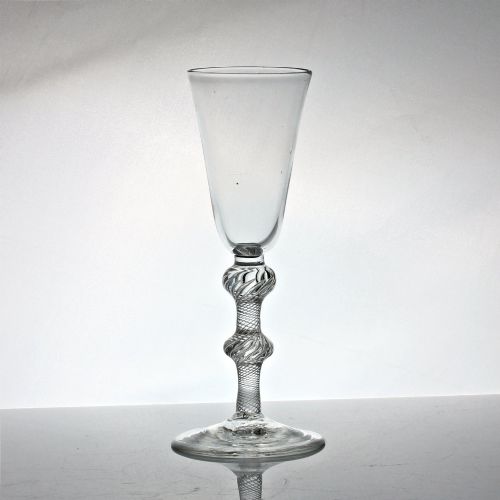
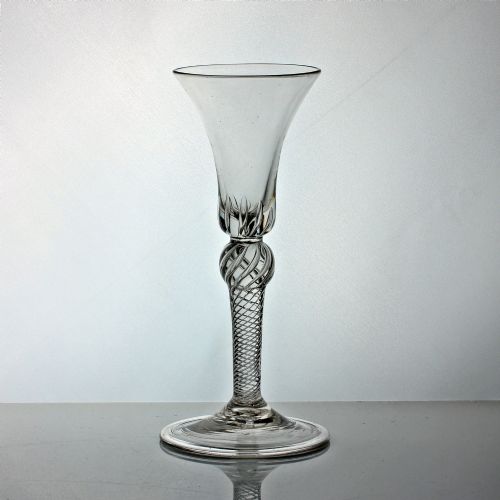
Georgian air twist stemware encompasses drinking glasses featuring elongated stems enclosing spiral air bubbles or threads. Buyers searching this phrase will find pieces spanning the eighteenth century alongside twentieth-century revival examples.
The assortment centres on wine glasses, wine flutes, ale glasses and cordial glasses. Bowls take forms such as pan top, bell, ogee, flared bucket, rounded funnel and trumpet shapes.
Materials and construction
Glassmakers produced these vessels using lead glass, clear glass, lead crystal, flint glass and clear lead glass. Enamel and white enamel also appear within twist formations.
The characteristic air twists inside the stems were formed by trapping air within hot metal before drawing and twisting the glass. Multi spiral air twists, mixed twists and opaque twists create distinct internal patterns.
Listings feature eighteenth century periods alongside nineteen thirty revival pieces, executed in lead glass, flint glass and enamel.
Factors determining quality
Clarity of the metal distinguishes standard vessels from examples exhibiting exceptional transparency. The precision and regularity of the internal air channels also define the calibre of each stem.
Proportion between the bowl, stem and foot dictates the visual balance of the glass. Additional elements such as folded feet, knops and detailed wheel engraving alter the sophistication of the piece.
The Georgian Air Twist Stemware Glossary
- Air twist
- A stem containing elongated spiral air bubbles trapped inside the glass. This technique gained popularity during the eighteenth century.
- Opaque twist
- A stem enclosing white enamel threads instead of air channels. These appear in single or double series configurations.
- Pan top bowl
- A straight-sided bowl with a distinct outward flaring rim at the top. This profile occurs frequently on eighteenth-century wine glasses.
- Folded foot
- A base edge turned underneath to form a protective rim. This method adds weight and stability to the glass.
- Knop
- A decorative swelling or bulge on the stem of a glass. Multiple knops provide grip and visual interruption.
Georgian Air Twist Stemware: Frequently Asked Questions
What is air twist stemware?
Air twist stemware consists of drinking glasses featuring stems decorated with internal spiral air channels. These vessels were produced in England during the eighteenth century and later revived.
Craftsmen manipulated molten lead glass to trap air bubbles before twisting the stem to form intricate optical threads.
How were eighteenth century wine glasses used?
These glasses served wine, ale, cordials and champagne at dining tables and social gatherings. Different bowl shapes suited specific beverages.
Smaller bowls accommodated potent cordials, while wider bowls held wines and ales for prolonged toast drinking.
How do I identify a Jacobite glass?
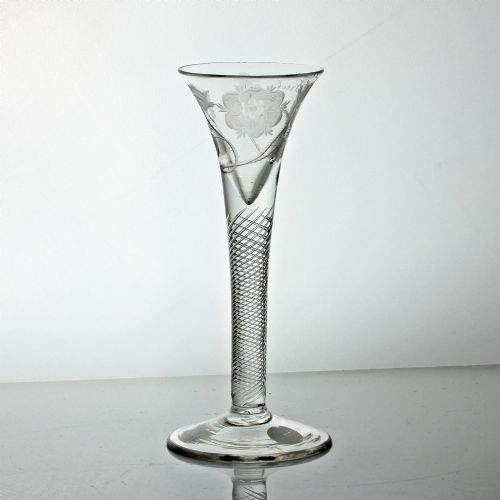
Jacobite glasses feature specific engraved symbols such as roses, buds and oak leaves associated with the exiled Stuart cause. These clandestine emblems expressed political loyalty.
Engravings often accompany air twist or opaque twist stems on eighteenth-century drinking vessels.
What is a mixed twist glass?
A mixed twist combines different optical elements within a single stem, such as an air twist paired with an opaque enamel spiral. Glassmakers achieved this by integrating multiple core techniques.
These complex stems represent a distinct variation alongside standard air twists and opaque twists.