

Georgian Accent Chair
A georgian accent chair brings structural poise and period presence to a room, offering tactile timber frames and upholstered seating shaped by eighteenth and nineteenth-century hands.
Georgian Accent Chair
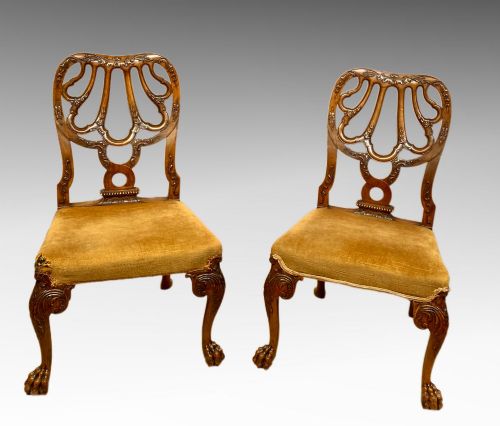
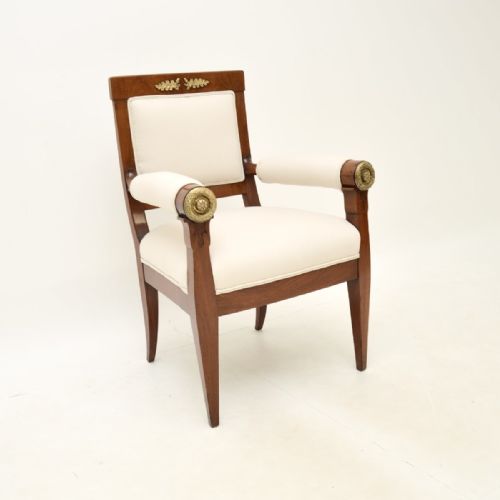
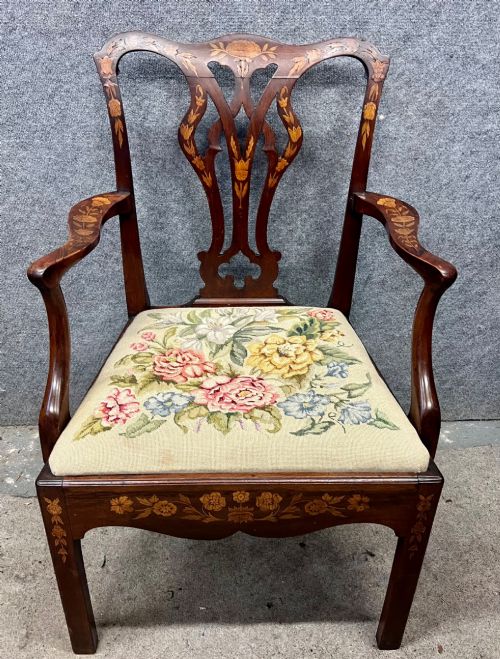
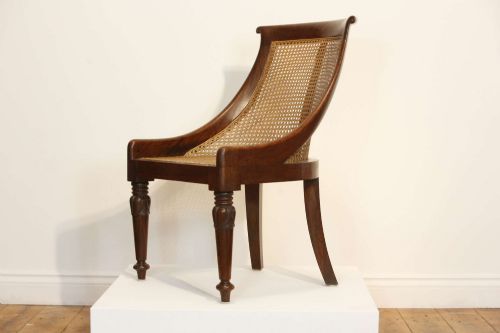
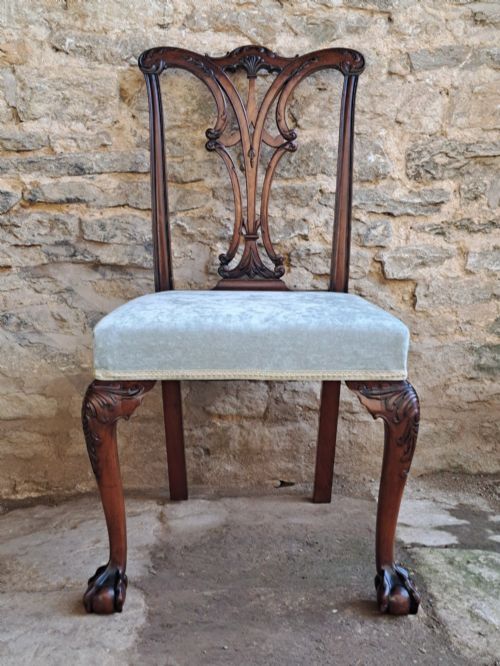
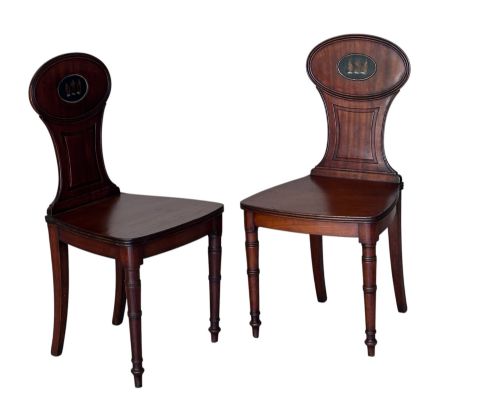
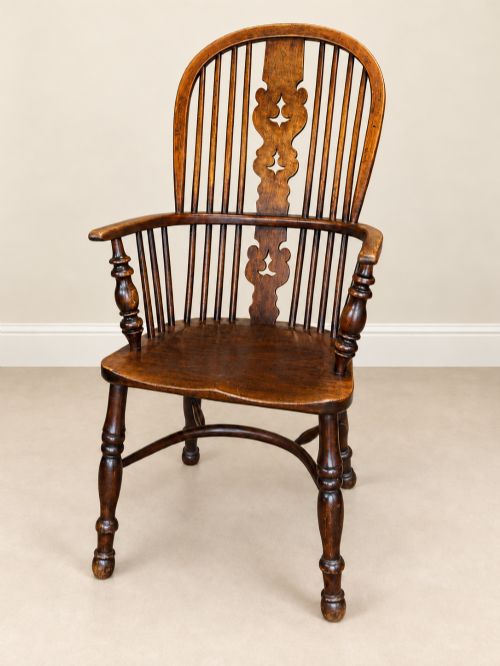
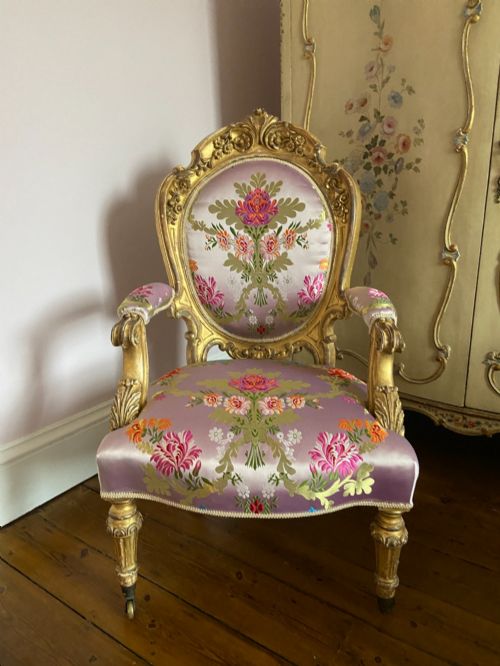
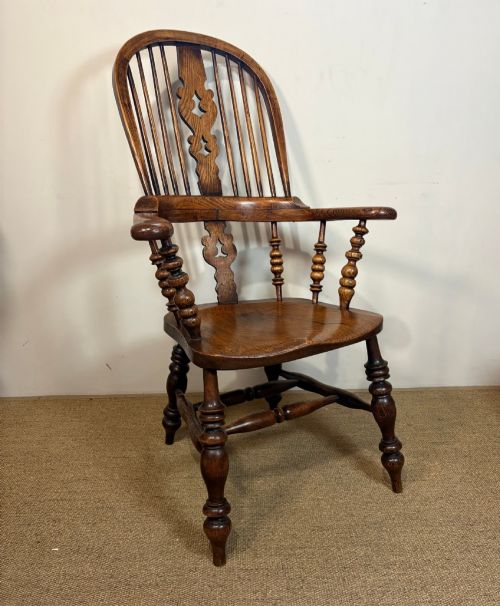
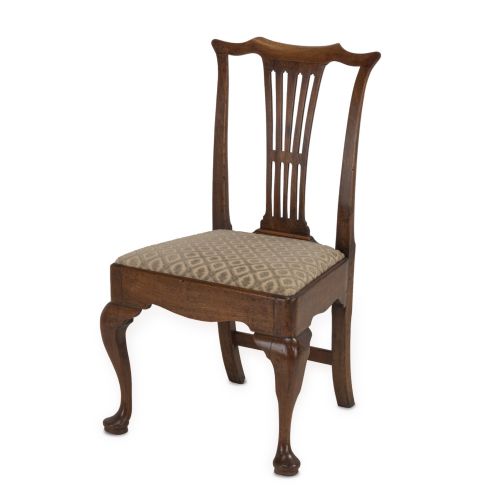
When searching for a georgian accent chair, buyers encounter a diverse selection of seating forms spanning armchairs, library chairs, side chairs, hall chairs, and corner chairs produced across the eighteenth and nineteenth centuries. The listings demonstrate period styles including Queen Anne, George II, George III, Regency, and Chinese Chippendale, alongside later revival pieces.
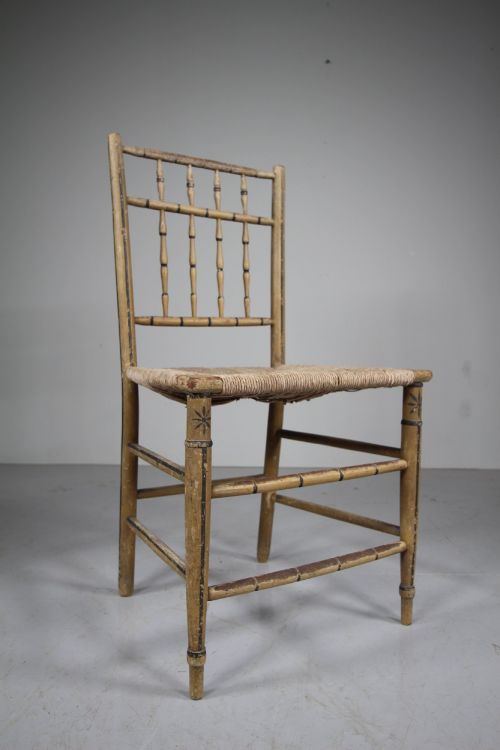
The materials recorded in these seating forms include mahogany, walnut, oak, fruitwood, elm, birch, and ebonised wood, paired with upholstery in leather, silk, velvet, fabric, and textile. Structural variations range from cane seats and bobbin-turned legs to ropebacks and shield backs.
Most examples originate from English, Scottish, and Irish workshops, showing the regional timber preferences and design interpretations of domestic cabinet makers during the Georgian eras and subsequent revival periods.
How they were made
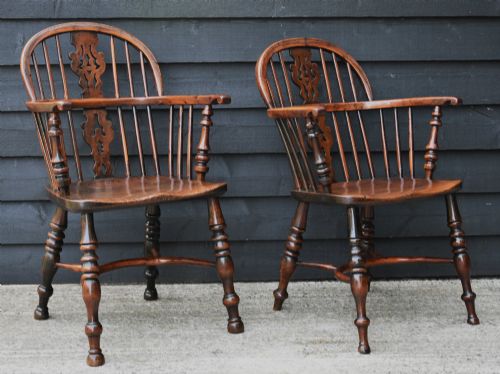
Makers utilised dense native and imported hardwoods such as mahogany, walnut, and oak to construct load-bearing frames, often employing traditional joinery methods to secure cabriole or sabre legs. Secondary timbers like elm and fruitwood frequently appear in country-made chairs and Windsor armchairs.
Surface treatments recorded in the evidence involve parcel gilding, faux rosewood graining, paint, and ebonising, applied directly to the timber substrates. Seating surfaces combined solid wood, original canework, and webbed upholstery stuffed with textiles and finished in leather, silk, or velvet.
Georgian Accent Chair Retail Price Guide 2026
Typical asking prices for georgian accent chair among the pieces listed under this phrase on Sellingantiques today, from the lower quarter to the upper quarter. They describe what is for sale here now, not the wider market.
Materials documented across the inventory include brass, cane, ebonised wood, and velvet, alongside traditional hardwoods like mahogany and walnut.
What varies in quality
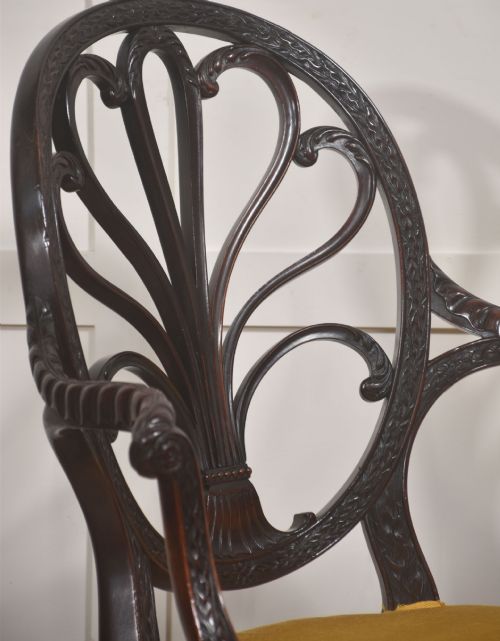
The calibre of a georgian accent chair rests upon the crispness of carved detail, whether in the restrained lines of a hall chair or the elaborate fretwork of a Chinese Chippendale library chair. Timber selection and grain figuring across primary surfaces also dictate the standing of a piece.
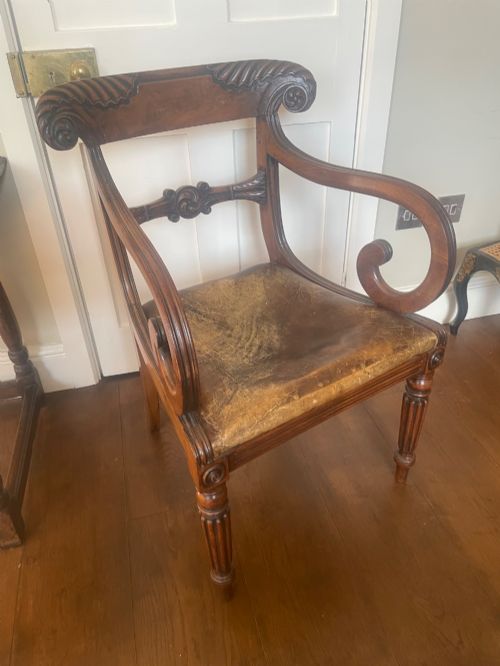
Integrity of construction and the retention of original components, such as cane seats, gilding, or early leather upholstery, separate standard examples from those exhibiting superior historical survival.
Thomas Chippendale
The Georgian Accent Chair Glossary
- Carver
- An armchair, often designed for the head of a dining table or as a companion to a set of matching side chairs. These items share stylistic traits with their dining counterparts.
- Gainsborough chair
- A wide-seated, open-armed library armchair originating in the mid-eighteenth century, typically upholstered in leather or fine fabric. The design provides comfortable seating for reading and writing desks.
- Cabriole leg
- A furniture leg that curves outward in a convex swell before tapering inward to a foot, frequently seen on Queen Anne and George II pieces. This form derives from animal limbs and was carved directly from the timber frame.
- Hall chair
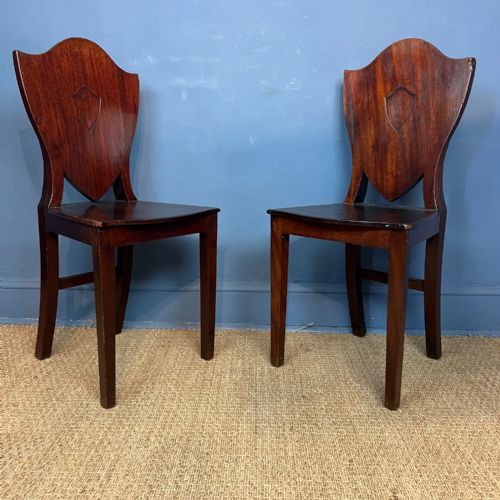
- A rigid wooden seat placed in entrance halls, often featuring a painted or carved shield back for family crests. These items were built primarily for display rather than prolonged lounging.
- Sabre leg
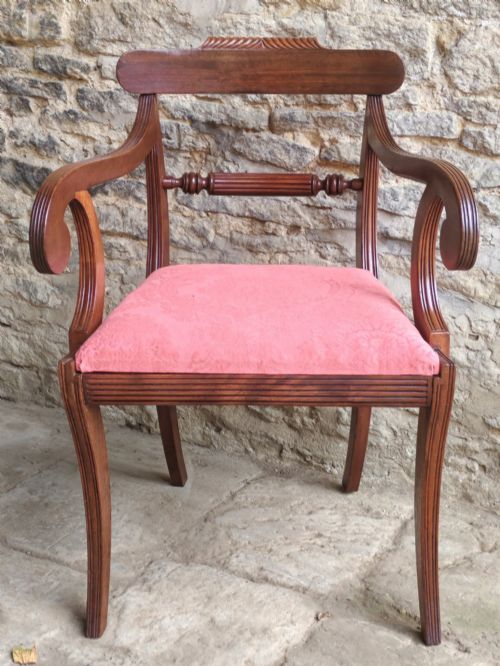
- A concave-curved, outwardly sweeping leg associated with Regency furniture design. The shape mimics classical Greek and Roman klismos chairs.
Georgian Accent Chair: Frequently Asked Questions
What is a georgian accent chair?
A georgian accent chair is a period seating form produced during the eighteenth or early nineteenth centuries, encompassing library chairs, hall chairs, side chairs, and armchairs.
These pieces utilise timbers such as mahogany, walnut, and oak, reflecting the design movements of the Georgian and Regency eras.
How do I identify periods?
Periods are identified through structural silhouettes, ornamental details, and timber choices, ranging from early walnut Queen Anne styles to mahogany George III and ebonised Regency designs.
Evidence in the listings shows stylistic markers like cabriole legs, ropebacks, and shield backs characteristic of specific decades.
Were these chairs used at desks?
Many forms, including desk side chairs and library armchairs, served specific functional roles in period rooms for reading, writing, and administrative tasks.
Larger Gainsborough chairs provided comfort near writing tables, while side chairs functioned around rooms.
How do I care for antique upholstery?
Caring for period upholstery involves protecting delicate textiles like silk, velvet, and leather from direct sunlight and environmental moisture fluctuations.
Original materials require gentle handling to preserve the historical fabric of the chair.