
Georgian Accent Armchair
A georgian accent armchair brings solid mahogany, deep leather, and centuries of proportion directly into your sitting room.
Georgian Accent Armchair
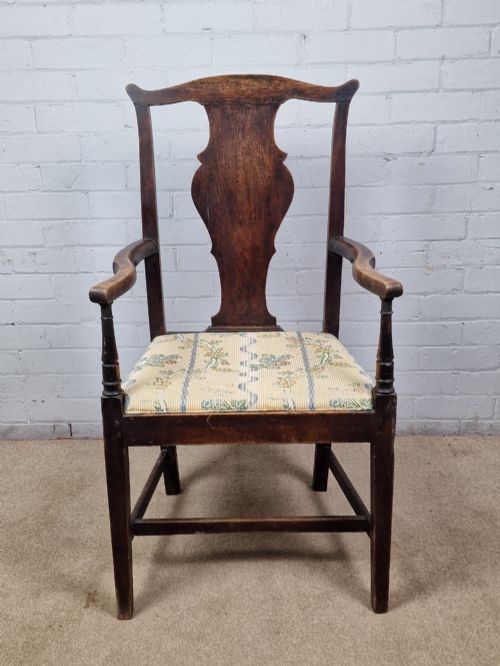
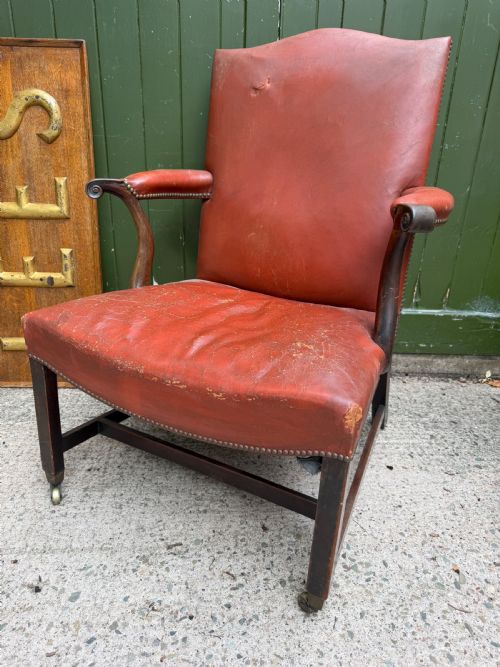
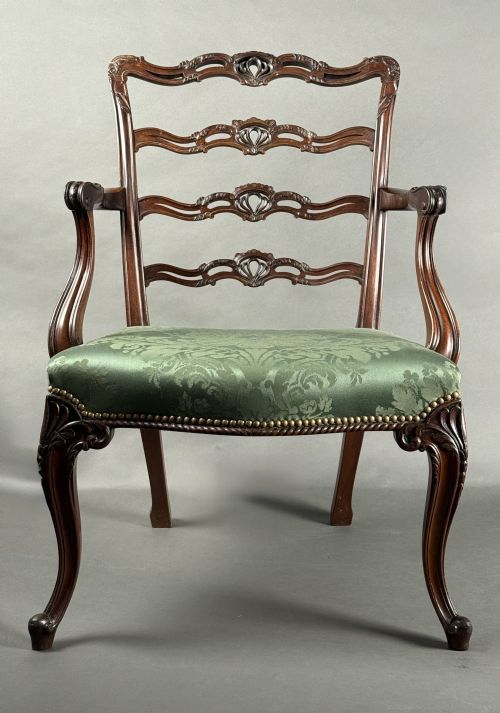
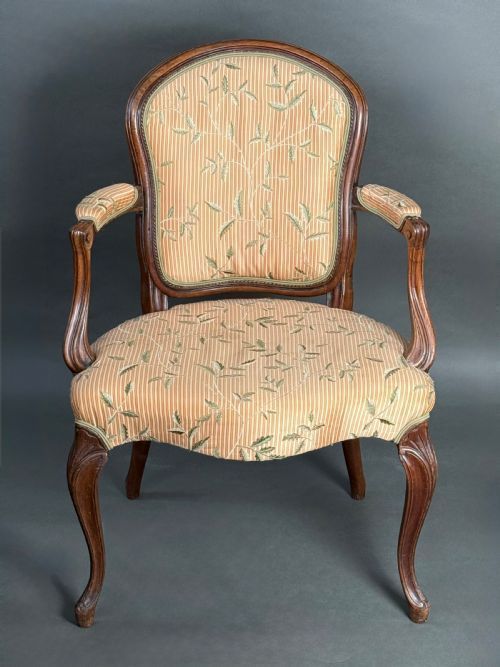
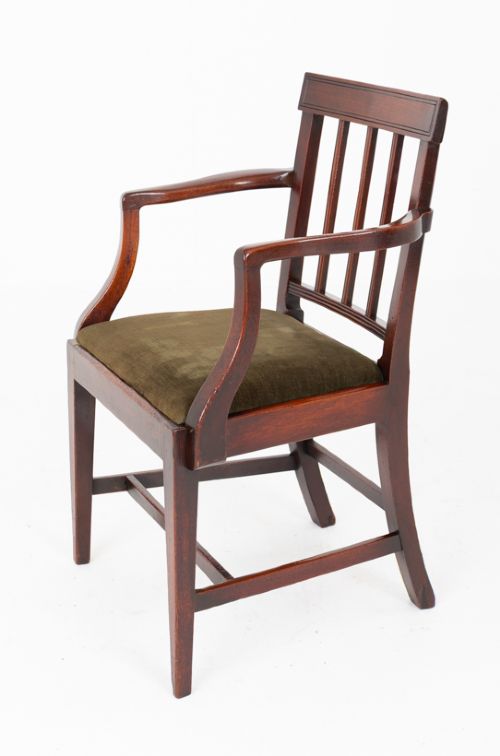
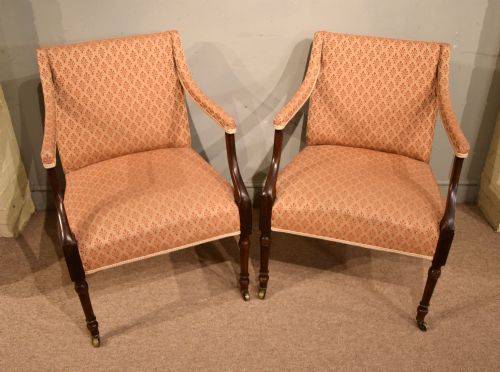
A georgian accent armchair embodies the seating forms created during the 18th Century and the subsequent revival periods, drawing on George II, George III, and Regency designs. Buyers seeking a georgian accent armchair frequently encounter library chairs, Gainsborough chairs, and open armchairs built for formal rooms.
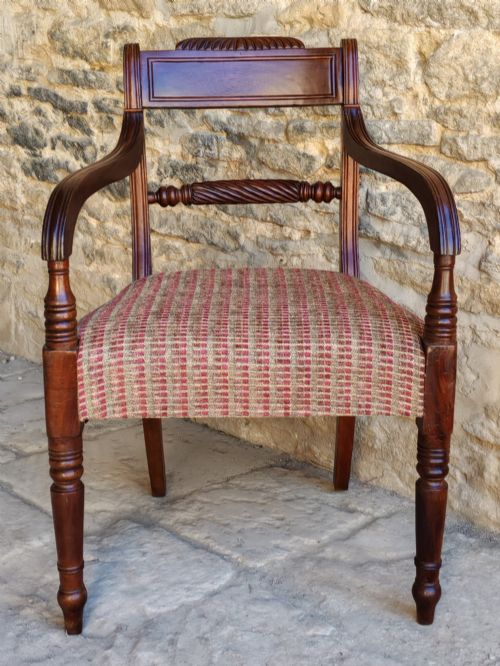
The selections span genuine 18th Century examples alongside later interpretations from the 19th Century, Edwardian era, and 1920 revivals. Forms range from heavy corner chairs and comb-back Windsors to painted salon seating and library carvers.
Origin details in the evidence point to English workshops, Scottish makers, and Anglo-Indian production. Buyers select these pieces to anchor a room with traditional woodwork and classic upholstery.
Separating the grades
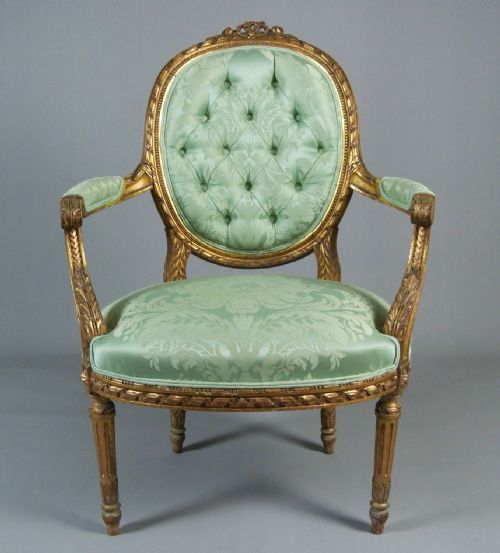
Quality in a georgian accent armchair rests upon the crispness of the hand-carved mahogany foliage, the weight of the timber, and the integrity of the frame construction. Pieces from the original 18th Century period show superior hand-cut joinery compared to later 1920 revivals.
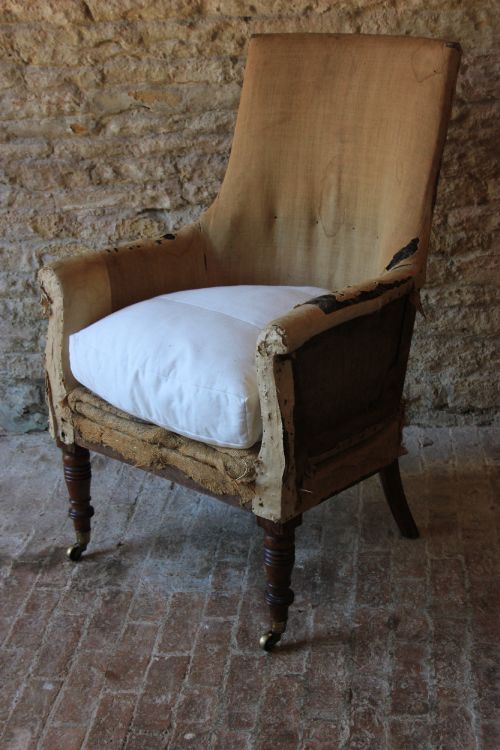
The choice of covering materials also sets pieces apart, where historical silk or old red leather contrasts with basic calico. Original timber surfaces with untouched patination hold more character than heavily stripped frames.
Among the seating options sit dedicated drunkards chairs, thoughtfully scooped out to accommodate gentlemen after a heavy evening.
Thomas Chippendale·Colefax and Fowler
The Georgian Accent Armchair Glossary
- Gainsborough chair
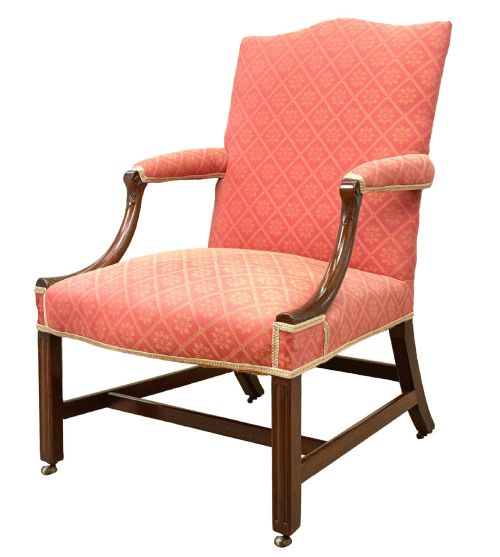
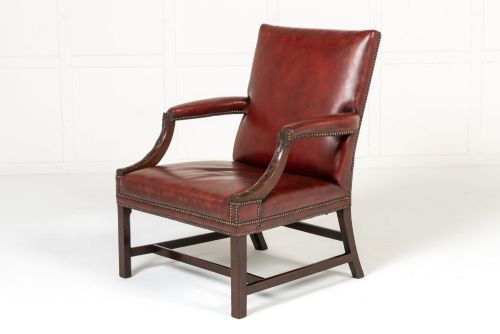
- A wide, upholstered armchair with open padded arms designed for libraries during the 18th Century. This form usually stands on short carved legs.
- Carver
- An armchair intended for the head of a dining table, featuring elevated elbow rests to accommodate dining attire. These often match a set of smaller side chairs.
- Windsor chair
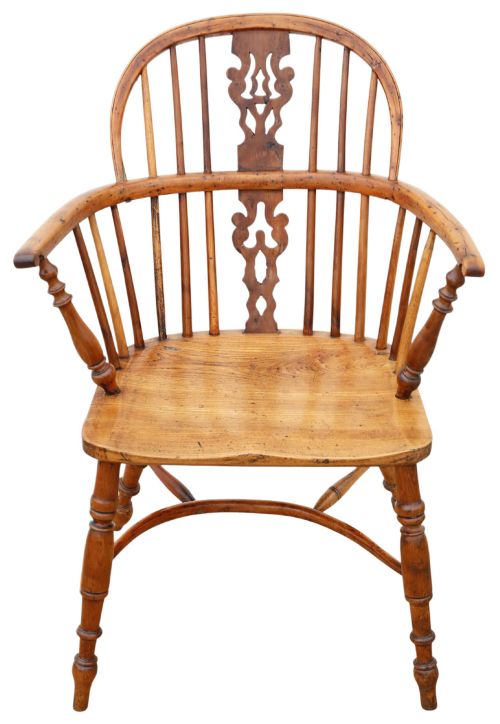
- A wooden seating form featuring a solid carved seat into which turned spindles and legs are wedged. Common regional variations include comb-back and hoop-back designs.
- Corner chair
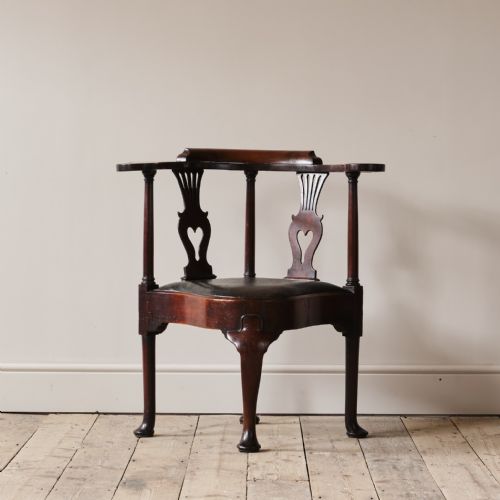
- A seating form designed to fit into the angle of a room, featuring a square seat set diagonally beneath a curved backrest. They frequently employ sturdy mahogany or walnut frames.
- Drunkards chair
- A specialised low seating form with concave or scooped arms designed to support gentlemen during social drinking. These date primarily to the late 18th Century.
Georgian Accent Armchair: Frequently Asked Questions
What is a Gainsborough armchair?
A Gainsborough armchair is a wide, upholstered seat with open padded arms built for 18th Century libraries. These chairs combine generous padding with exposed wooden frames.
Makers constructed them to provide comfortable seating for reading and writing while maintaining formal drawing-room proportions.
How do I spot a Regency chair?
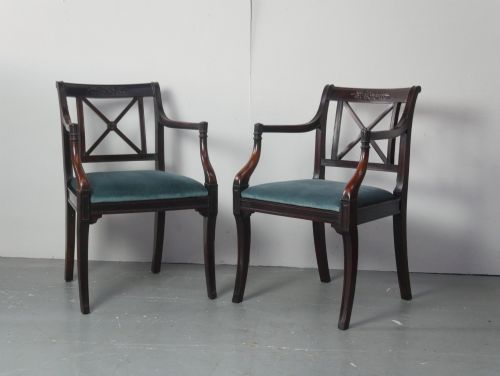
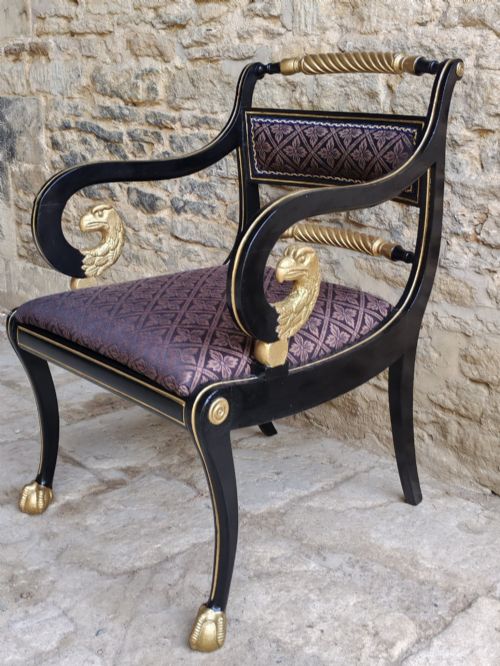
Regency chairs date from the early 19th Century and often incorporate classical Greek or Roman motifs, including parcel gilding and faux rosewood finishes. They emphasise clean lines and lighter scaled mahogany or beech frames.
These pieces reflect changing tastes away from heavy carving toward refined classical restraint.
Are Windsor chairs made of solid wood?
Windsor chairs feature solid wooden seats, typically carved from elm, into which spindle legs and back assemblies are wedged. Yew and ash frequently form the bentwood hoops and spindles.
This construction method creates resilient seating designed for daily use in country houses.
What distinguishes a corner chair?
A corner chair places a square seat diagonally beneath a curved backrest supported by turned pillars and a central splat. This layout allows the piece to tuck neatly into room angles.
Carpenters built them using sturdy mahogany or walnut to withstand frequent use in studies and parlours.