

Period High Back Chair
A period high back chair commands the room through height and proportion, offering architectural presence alongside sturdy seating.
Period High Back Chair
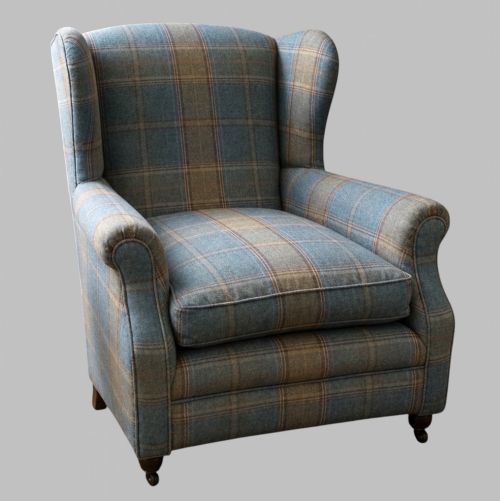
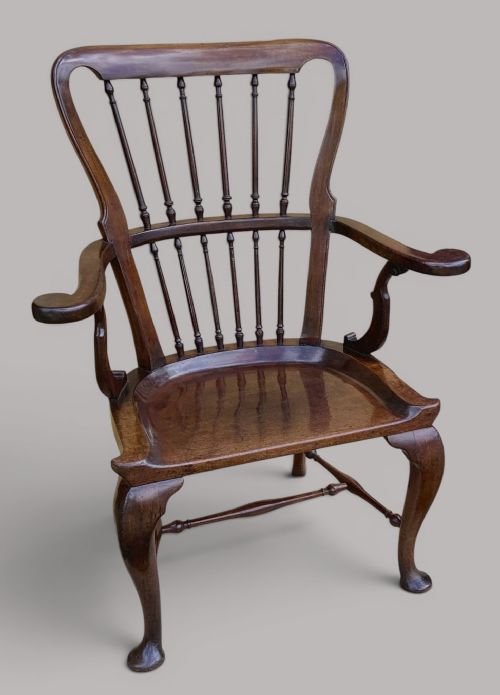
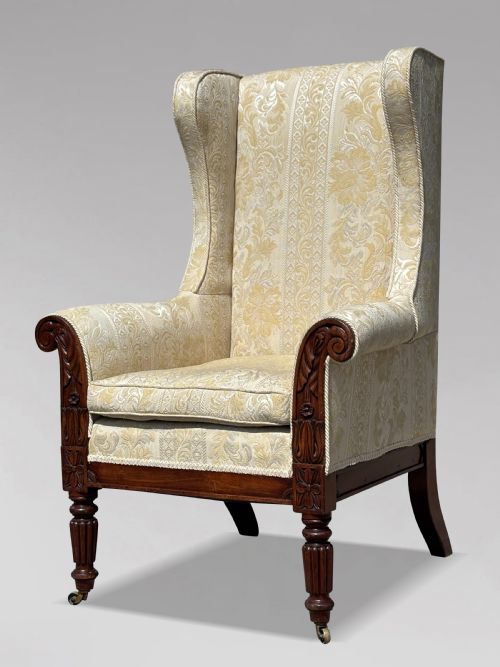
A period high back chair brings verticality to domestic seating, originating primarily in walnut, oak, and mahogany across the seventeenth, eighteenth, and nineteenth centuries. You encounter robust early forms alongside refined Georgian wings and later nineteenth-century interpretations.
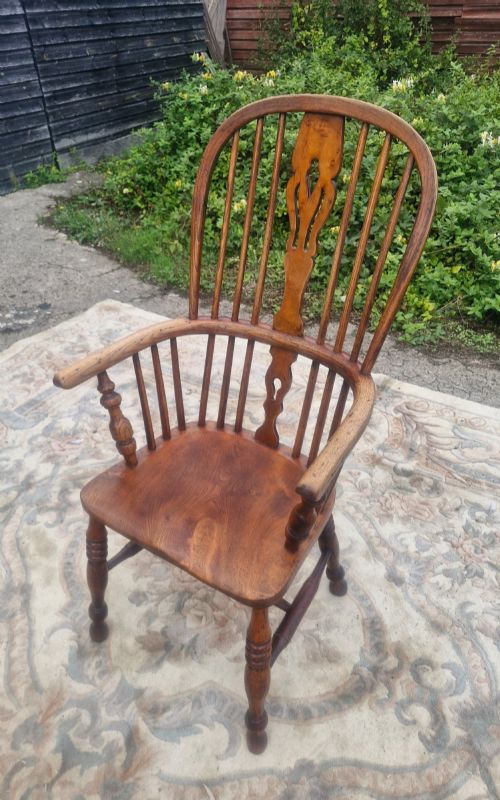
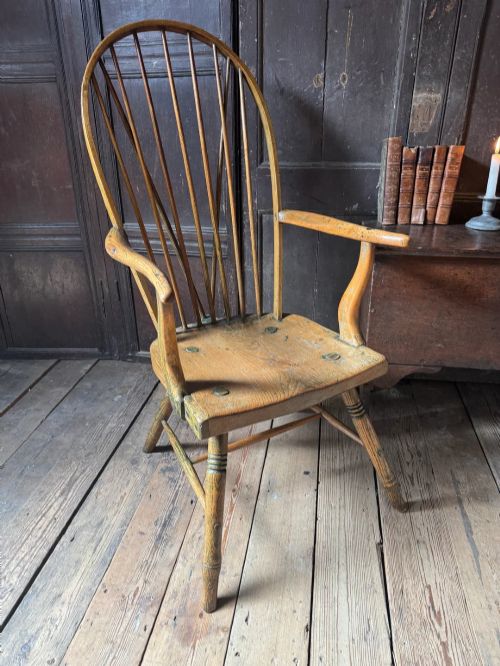
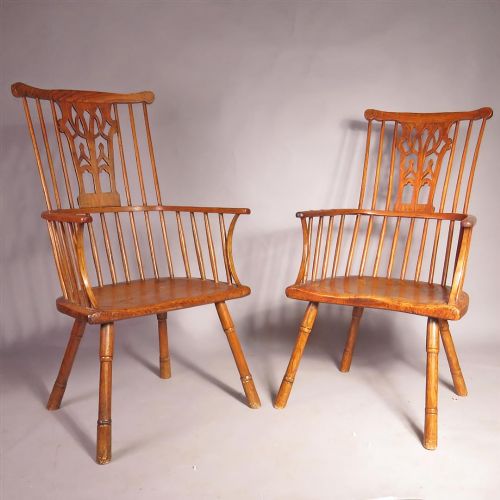
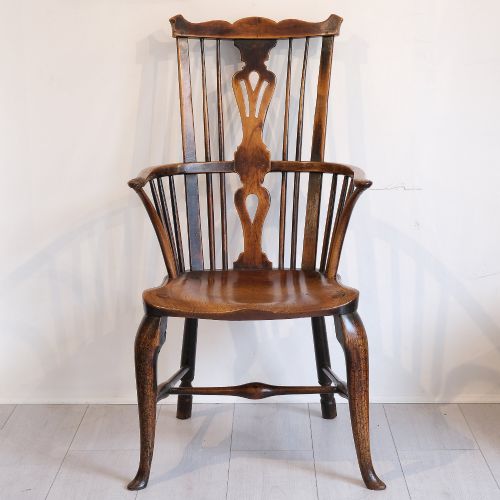
The selection ranges from sturdy oak dining versions to expansive library and wingback seating designed to block draughts. Regional variations in elm, ash, and fruitwood appear alongside formal walnut and mahogany designs.
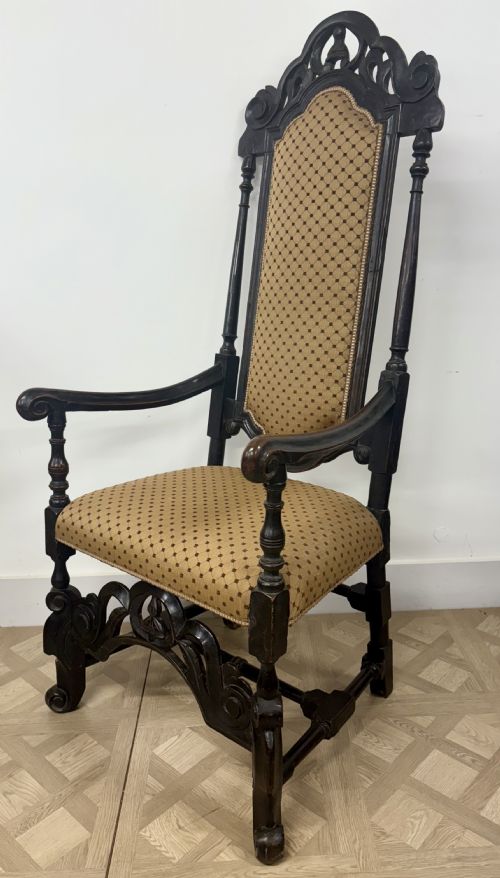
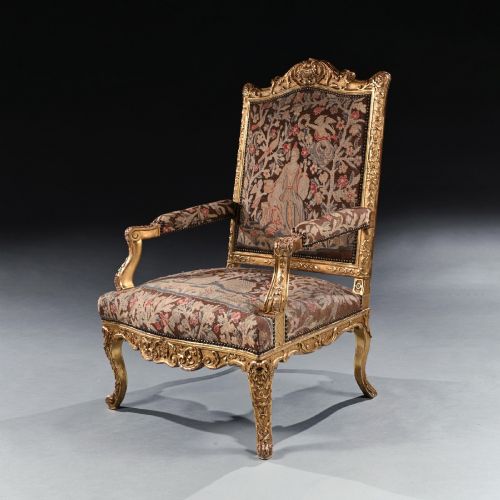
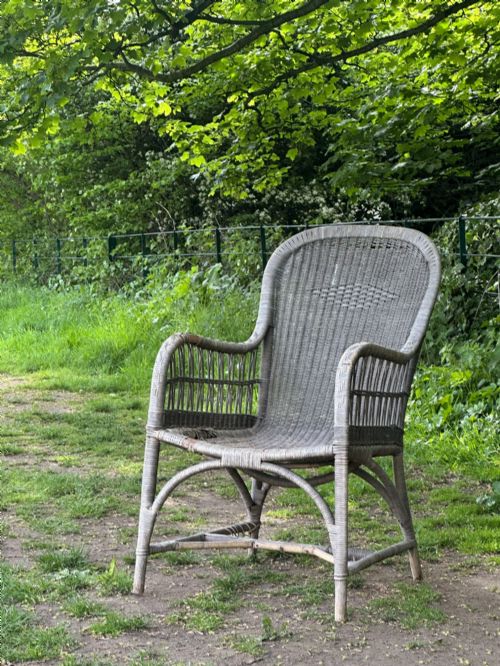
Armchairs dominate the available options, frequently featuring upholstered panels, cane work, or carved wooden frames. Examples span formal English and French aesthetics as well as vernacular country pieces.
Materials and construction
Construction relies heavily on native hardwoods like oak and walnut in earlier iterations, transitioning to mahogany and fruitwood by the eighteenth century. Joinery employs traditional pegged mortise and tenon frames designed to support tall backrests.
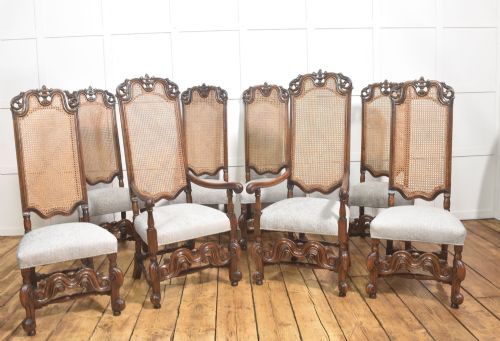
Seating surfaces incorporate woven cane, rush, or timber panels beneath modern or historic textile upholstery including velvet, wool plaid, and tapestry. Frame ornamentation often combines hand carving with turned wooden supports.
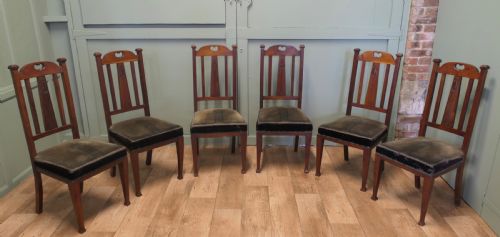
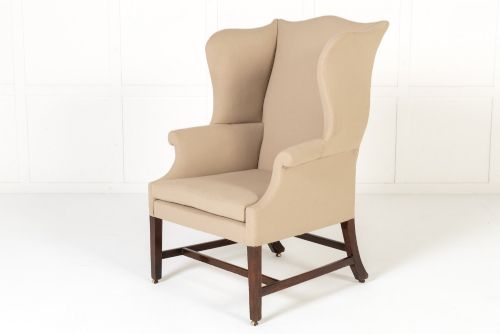
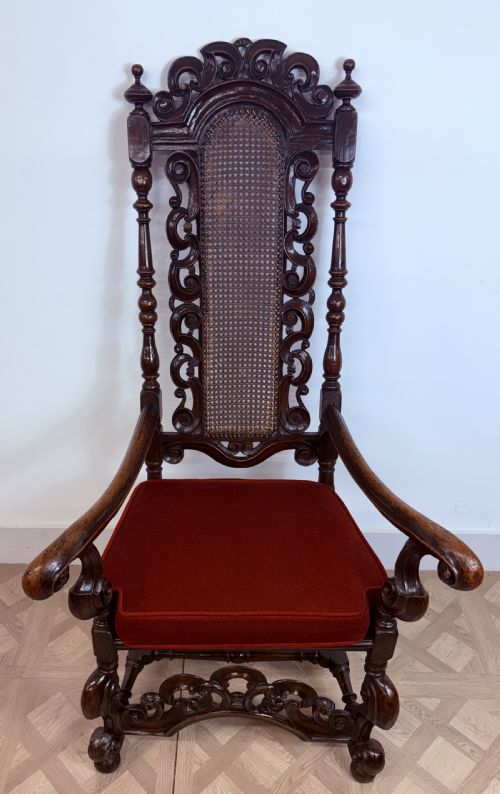
Listings feature eighteenth-century mahogany wing chairs alongside seventeenth-century walnut caned models and twentieth-century Arts and Crafts oak designs.
Judging construction and finish
Quality rests upon the crispness of carved detail and the integrity of the original timber frame rather than surface restoration alone. Heavy timber scantlings and precise joinery distinguish superior early examples from later provincial interpretations.
The retention of original cane work, textiles, or patinated surface finishes elevates a piece significantly above items with heavily replaced components or compromised structural integrity.
Dryad of Leicester
The Period High Back Chair Glossary
- Wingback
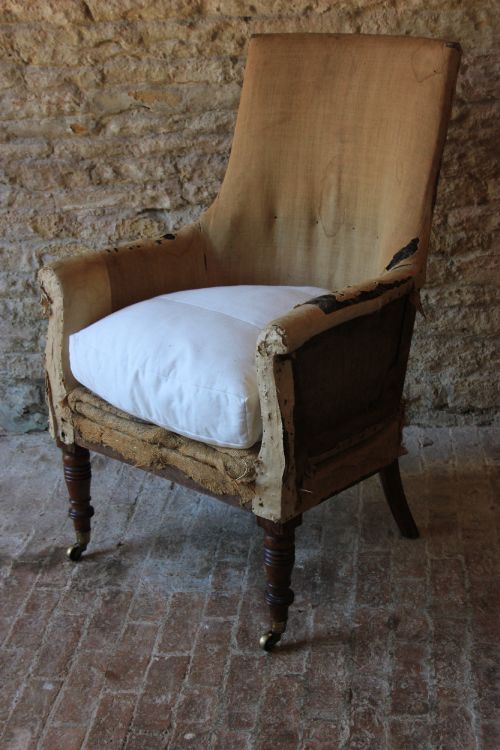
- A seating form featuring protective upholstered side panels designed to deflect draughts from the head and shoulders. These extensions evolved from earlier solid wooden settle designs into padded armchair formats during the late seventeenth century.
- Cane
- Plant material woven into open mesh patterns to form lightweight backrests and seats. This technique gained prominence during the late seventeenth century for walnut and beech chairs.
- Carolean
- A decorative style spanning the reign of Charles II characterised by rich carving, scrolling foliage, and tall cane or upholstered backs. Walnut became the primary timber of choice for this aesthetic.
- Comb back
- A Windsor chair variation where vertical spindles extend upward to form a separate headrest resembling a traditional hair comb. This regional technique provides sturdy support within vernacular seating.
Period High Back Chair: Frequently Asked Questions
Why are the backs so tall?
Tall backrests were originally designed to shield occupants from cold draughts in unheated historic rooms. They also served as a display of status and fine joinery within domestic interiors.
Over successive periods, the proportion shifted toward decorative statement seating rather than pure functional insulation.
How do I care for antique upholstery?
Protect fabric and leather surfaces from direct sunlight to prevent fading and textile degradation over time. Gentle vacuuming with a soft brush attachment helps remove dust without stressing historic fibres.
Consult a specialist restorer before attempting any chemical cleaning on period textiles.
Are these chairs comfortable for daily use?
Comfort varies significantly depending on the internal padding and ergonomic design of each specific period. Seventeenth-century wooden and cane models offer an upright posture, whereas eighteenth-century wingbacks provide deep cushioning.
Modern placement often benefits from pairing these chairs with supportive footstools.
How can I tell a seventeenth-century chair from a later copy?
Authentic early pieces display tool marks, timber shrinkage, and wear patterns consistent with centuries of manual use. Joinery techniques on older frames typically utilise hand-cut pegs and irregular tenons.
Later revival pieces constructed during the nineteenth or twentieth centuries often reveal machine-sawn timber and uniform components.