



George V Silver Set
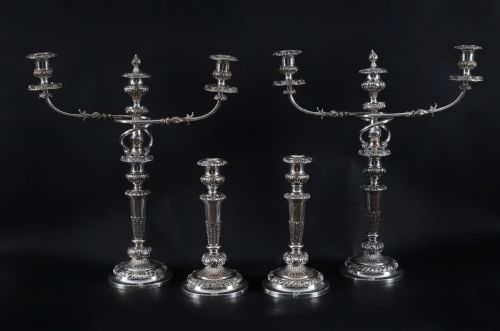
A george v silver set brings coordinated dining and dressing table wares into your home, uniting early twentieth-century craftsmanship with practical utility.
George V Silver Set
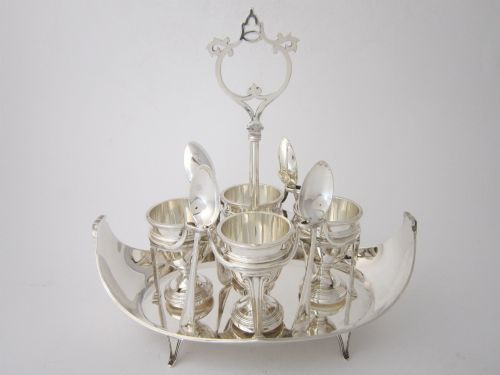
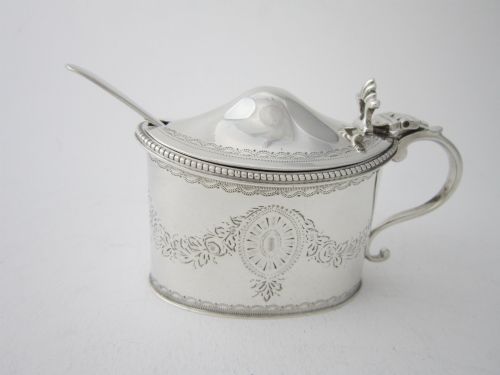
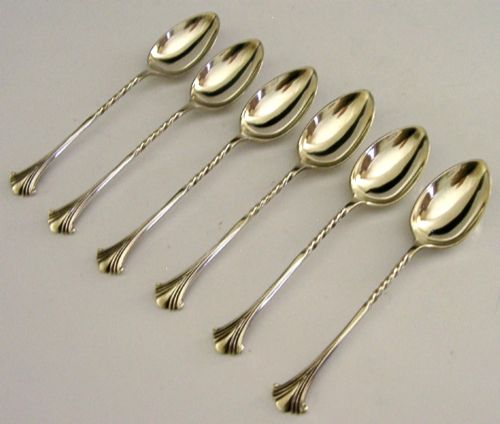
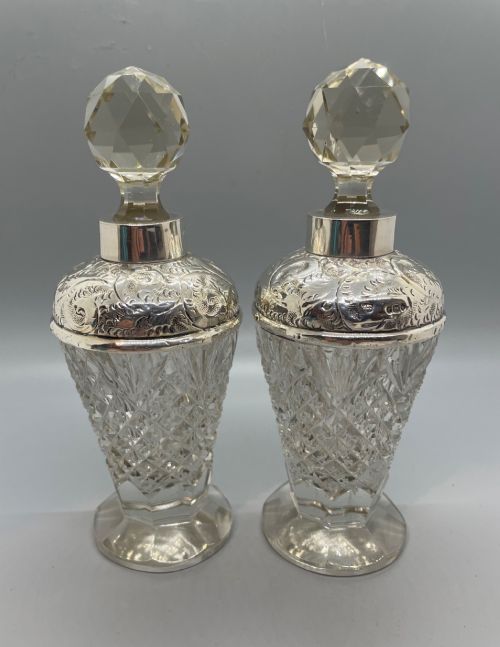
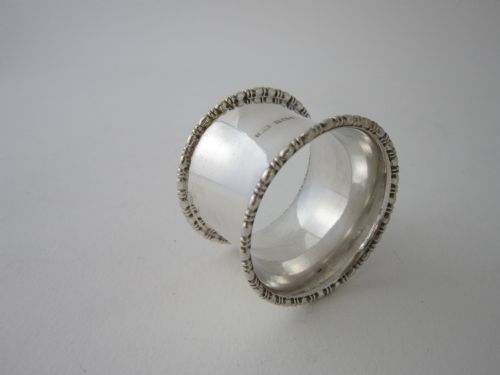
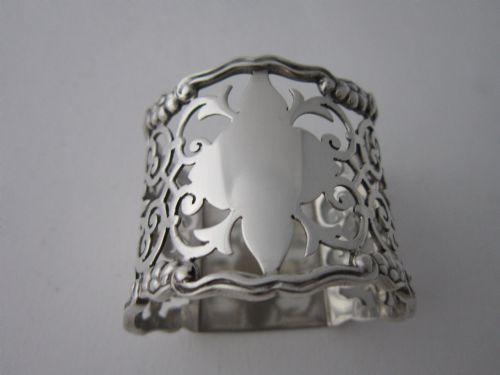
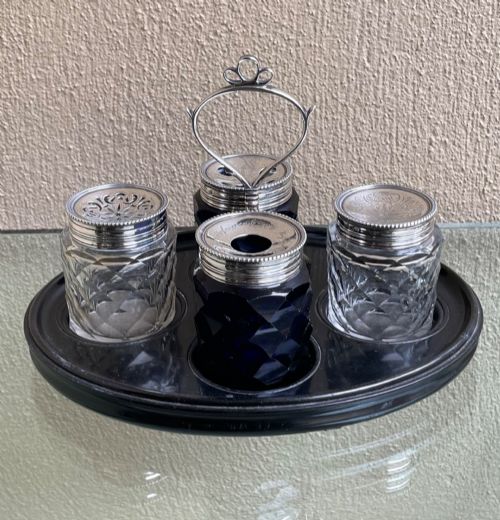
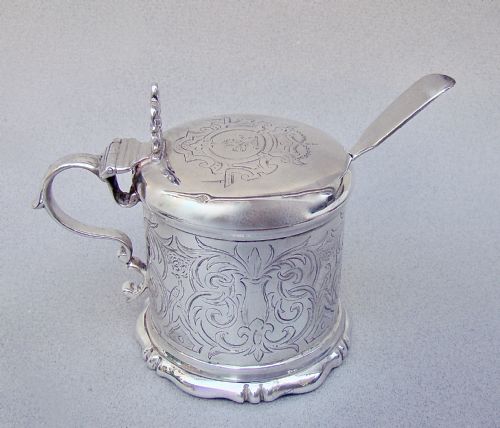
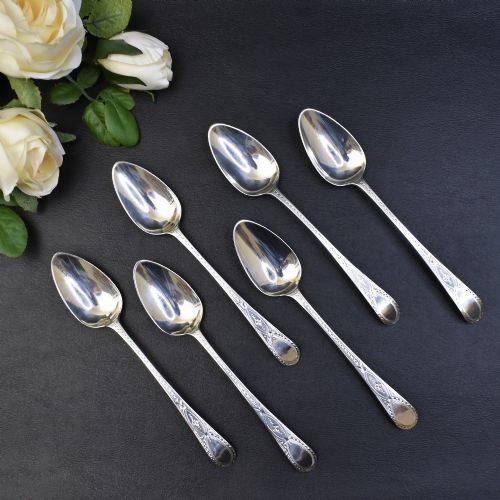
A george v silver set encompasses coordinated groupings intended for dining, desk use, or the dressing table, reflecting the social habits of the early twentieth century. Common forms include condiment sets, napkin ring pairs or foursomes, christening sets, and coffee spoon collections.
While the search targets the reign of George V, the listings frequently include Georgian, Edwardian, and George VI iterations alongside earlier eighteenth-century examples. Buyers will encounter both cased presentation sets and loose table services designed for functional everyday use.
Materials and construction
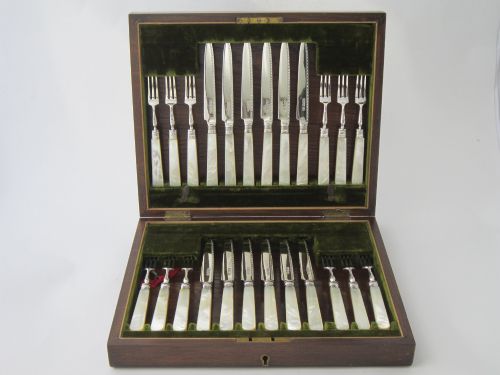
Sterling silver forms the primary structural material, often paired with cut glass for condiment jars and scent bottles, or mother-of-pearl for dessert and fruit cutlery handles. Enamel accents occasionally decorate coffee spoons and dressing table jars.
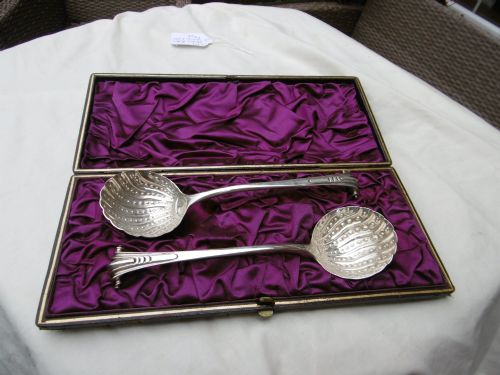
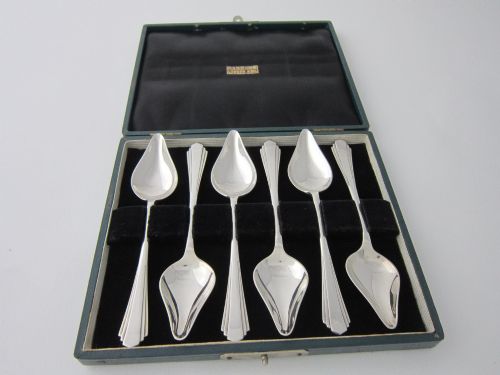
Manufacturing techniques combine traditional silversmithing methods such as casting and hammering with bright-cut engraving and applied silver gilt. Fitted presentation cases typically utilise leatherette exteriors lined with silk or velvet.
George V Silver Set Retail Price Guide 2026
Typical asking prices for george v silver set among the pieces listed under this phrase on Sellingantiques today, from the lower quarter to the upper quarter. They describe what is for sale here now, not the wider market.
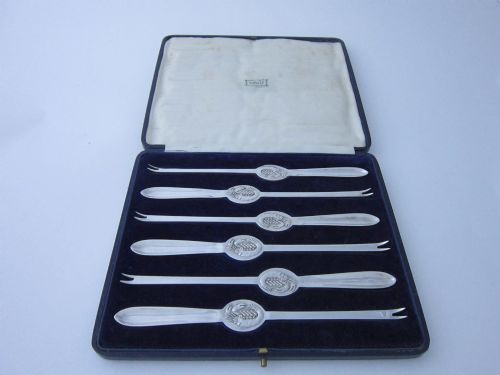
Lobster picks and crab forks remind us that Edwardian and Georgian dining involved wonderfully specialised tools for every single crustacean.
Markers of quality
Quality rests upon the crispness of hallmarks, the weight of the silver, and the preservation of original fitted cases. Finer sets retain sharp chasing and unrubbed crests, whereas heavily polished examples lose fine detail.
Completeness dictates value within multi-piece groups, as missing matching components or replacement glass liners disrupt the integrity of a set. Maker attribution to distinguished silversmiths further elevates a collection.
Charles and George Fox·William Neale·Guild of Handicraft·George Unite·Paul Storr·Hester Bateman
The George V Silver Set Glossary
- Cruet set
- A matched grouping of condiment containers, usually holding salt, mustard, and pepper, often fitted into a dedicated silver stand or frame.
- Hallmark
- An official stamp applied to precious metals indicating the standard of purity, the assay office, and the year of manufacture.
- Silver gilt
- Sterling silver that has been coated with a thin layer of gold on its surface, creating a rich two-tone or fully golden appearance.
- Bright-cut engraving
- A faceted surface engraving technique utilising angled gravers to create sparkling geometric or floral patterns.
- Condiment jar
- A small vessel designed to hold relishes or sauces at the table, frequently constructed from cut glass with a silver lid.
George V Silver Set: Frequently Asked Questions
What is included in a typical George V silver set?
A standard grouping typically comprises matching items for the dining table, such as condiment cruets, napkin rings, or sets of teaspoons and coffee spoons. Many examples also include dressing table jars or Christening gifts housed in original fitted boxes.
Buyers often find these pieces grouped in original velvet or silk-lined leatherette cases, preserving the set together as intended by the original retailer.
How do I distinguish George V pieces from Georgian items?
George V pieces carry hallmarks dating from 1910 to 1936, featuring the profile of King George V alongside standard town and purity marks. Georgian silver originates from the reigns of Georges I through IV, spanning the eighteenth and early nineteenth centuries.
Stylistic cues also assist differentiation, as George V makers frequently embraced Art Deco geometries alongside traditional revivalist patterns.
Are these silver sets suitable for daily use?
Solid sterling silver sets are durable enough for regular dining and entertaining, provided they receive proper manual cleaning and careful storage. Many collectors utilise condiment sets and napkin rings daily to appreciate their tactile weight.
Items featuring delicate enamel work or vintage silk-lined presentation cases require more gentle handling to preserve their fragile decorative elements.
Why do some sets include cut glass and mother-of-pearl?
Cut glass provided a hygienic, transparent vessel body for wet condiments like mustard and relishes without reacting to acidic contents. Mother-of-pearl offered a durable, iridescent handle material for dessert knives, forks, and fruit eating implements.
These contrasting textures complemented the bright reflectivity of the surrounding sterling silver components.