

George III Wine Stand
A george iii wine stand brings the functional elegance of the eighteenth century into modern rooms.
George III Wine Stand
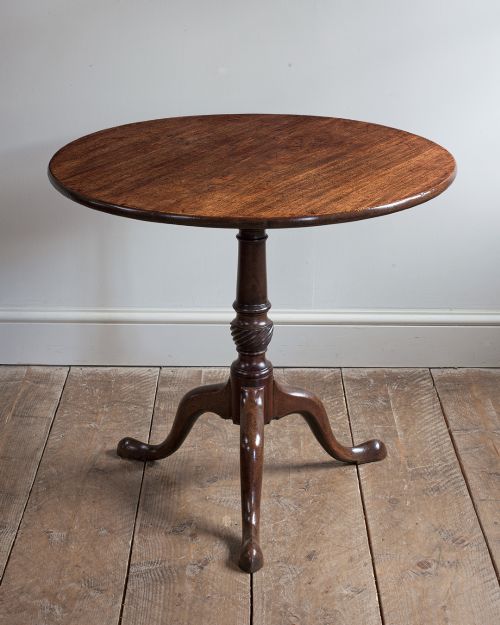
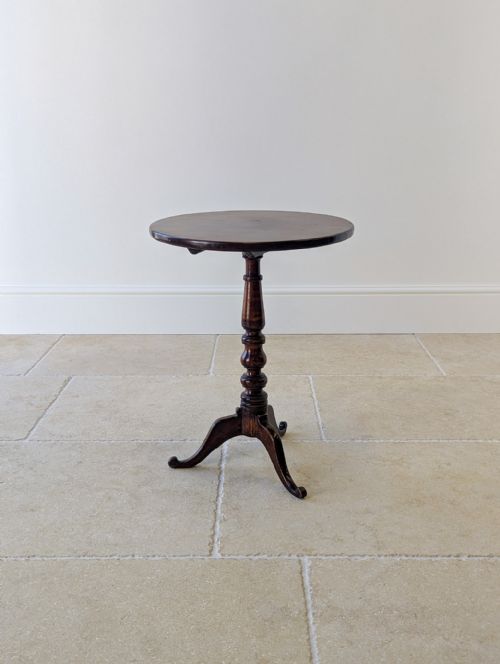
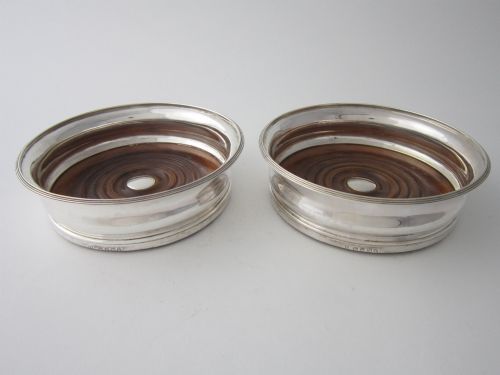
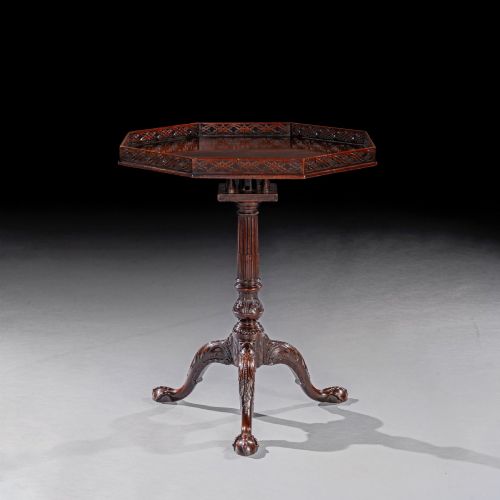
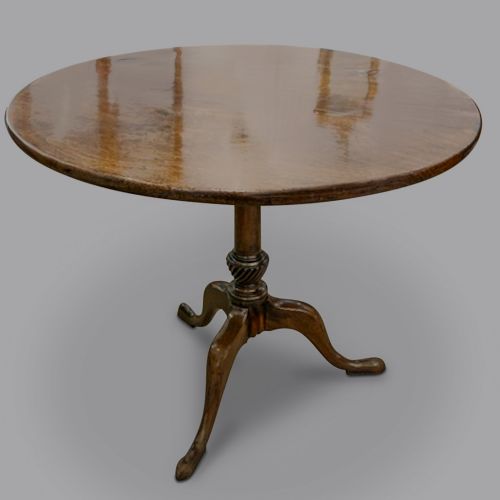
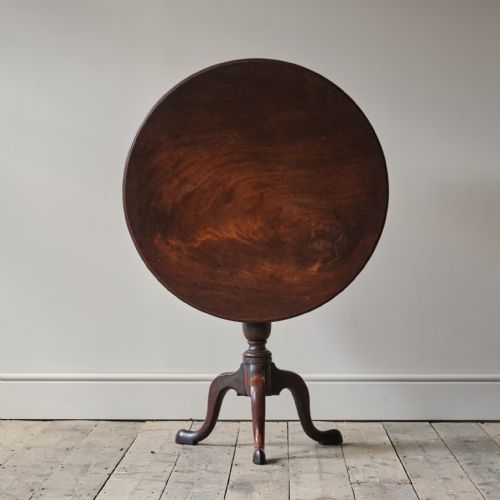
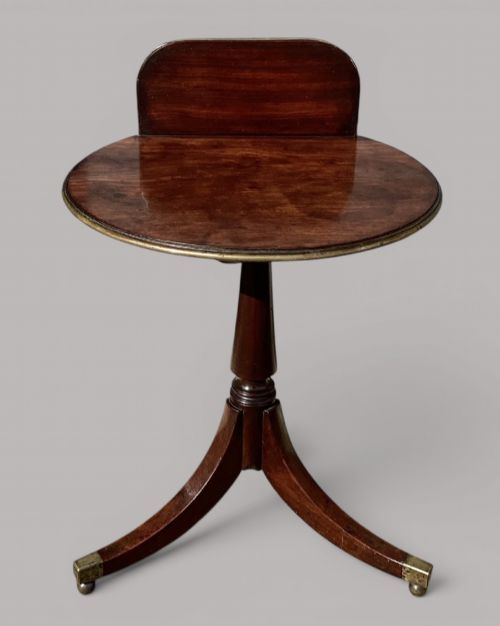
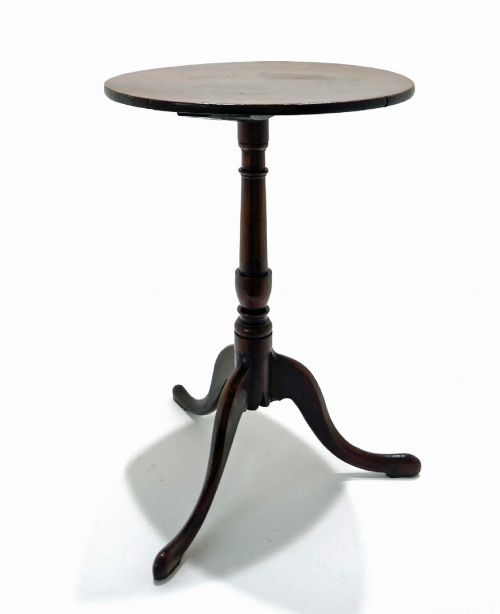
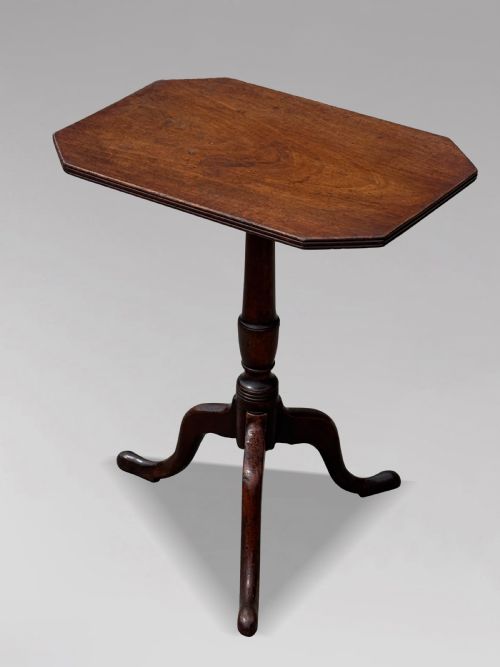
When you search for a george iii wine stand, you encounter a specialised group of antiques intended for the storage, service or support of wine during the Georgian era. These pieces appear primarily as tripod tables, occasional tables, kettle stands, wine coolers, cellarettes and coasters spanning the eighteenth and nineteenth centuries.
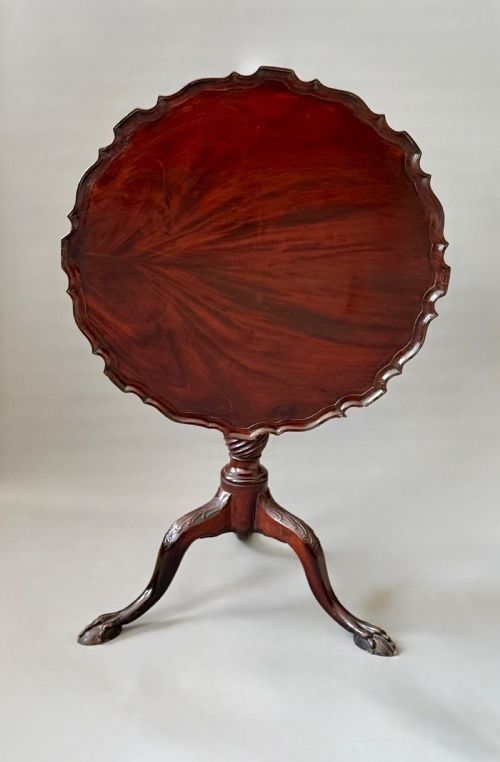
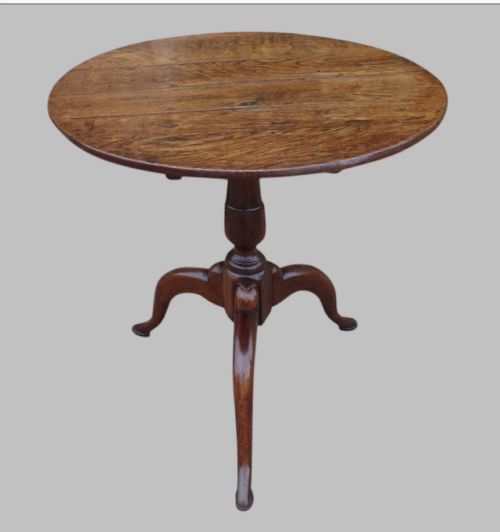
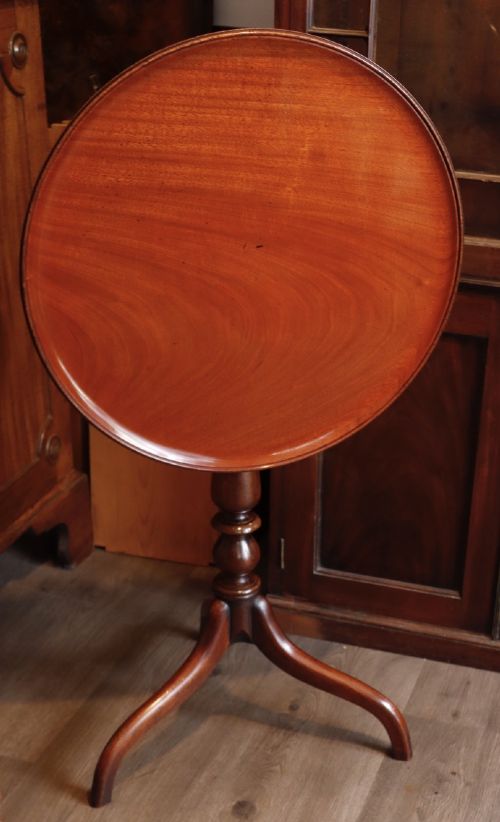
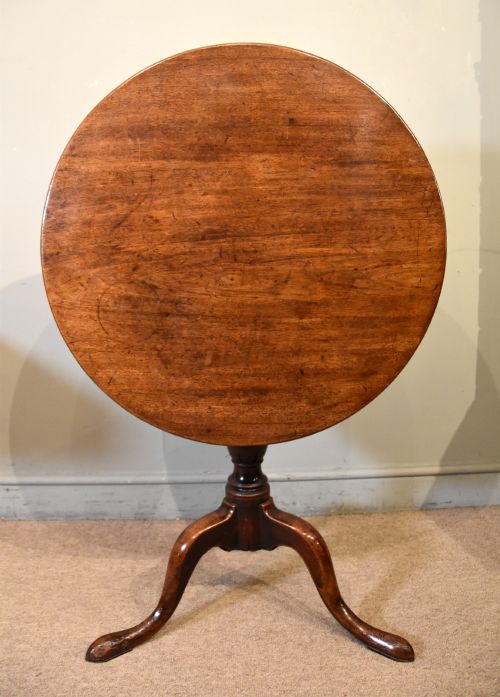
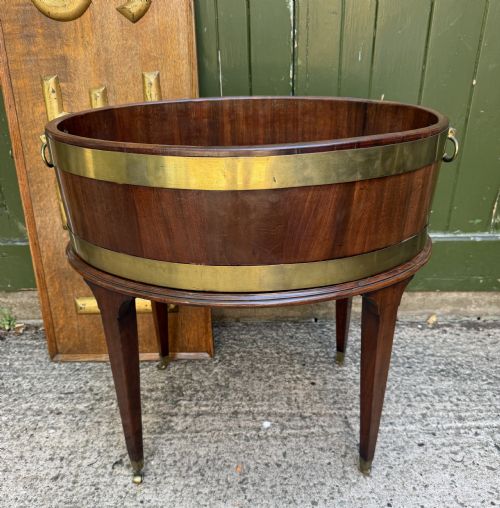
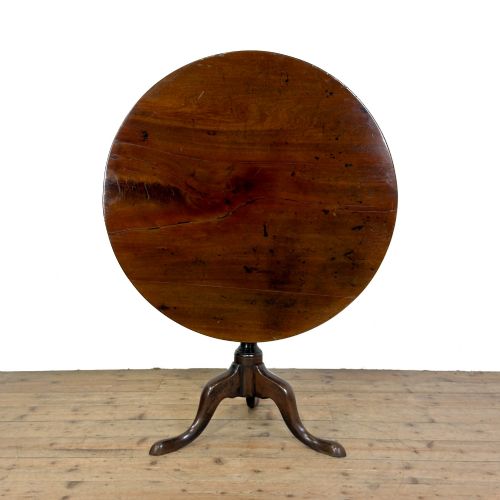
The most common examples on this page are mahogany tripod tables and wine coolers, often dating from the mid to late eighteenth century. Alongside these, buyers find sterling silver and silver plate coasters, oak occasional tables, and occasional pieces in walnut and burr elm.
How they were made
Cabinet makers utilised dense timber such as mahogany, oak and walnut, frequently selecting flame mahogany and burr elm for visible surfaces. Joinery relied on precise turning for slender columns and tripod bases, alongside brass banding for oval and octagonal wine coolers.
Silver items required silversmithing techniques to shape sterling silver into coasters and wine funnel stands, while makers of occasional tables employed tilt-top and birdcage mechanisms to allow the tops to pivot and fold.
Listings feature mahogany, oak, walnut, sterling silver, silver plate and brass across pieces spanning the eighteenth to twentieth centuries.
What varies in quality
The distinction between standard pieces and the finest examples rests on the selection of timber grain, the crispness of carved details like pie crust edges, and the retention of original stands and hardware. Superior items display harmonious proportions in the column and legs.
Maker attribution and provenance elevate certain pieces, particularly when silver items bear clear hallmarks from known silversmiths or when furniture retains its original patination and brass mountings without modern replacement parts.
The George III Wine Stand Glossary
- Tripod table
- A small table supported by a single central pillar resting on three legs. These versatile pieces served various domestic purposes including holding tea or wine.
- Cellarette
- A lockable container used to store bottles of wine safely near the dining table. They frequently stand upon dedicated frames or original pedestals.
- Pie crust edge
- A raised, decoratively carved rim around the perimeter of a circular tabletop, resembling the pastry edge of a pie. This detail required considerable skill from the woodcarver.
- Birdcage
- A timber framework beneath a table top allowing it to rotate and tilt. This mechanism connects the central column to the top.
- Old Sheffield plate
- An early form of composite metal produced by fusing a thin sheet of silver to a thicker copper base. It predates modern electroplating.
George III Wine Stand: Frequently Asked Questions
What is a george iii wine stand?
A george iii wine stand encompasses the various small tables, coolers, coasters and cellarettes produced during the reign of King George III. They were designed to hold, pour or support wine during formal dining and entertaining.
These pieces range from timber tripod tables and brass-bound coolers to silver coasters. Each form served a distinct function in the dining room or parlour.
How were these stands used originally?
Owners placed wine coolers and cellarettes near the dining table to keep bottles cool and accessible during meals. Tripod tables and kettle stands held individual glasses, decanters or tea equipment.
Coasters protected polished mahogany dining tables from rings and spills while holding bottles as they were passed around the company after dinner.
Can I use a tripod table daily?
These tables adapt readily to modern interiors as lamp tables, bedside stands or occasional surfaces for drinks and books. Their compact proportions suit smaller spaces alongside larger upholstery.
Careful placement away from direct heat sources and strong sunlight protects the antique timber finish and historic joinery during everyday use.
How do I identify a Georgian period piece?
Examination of the timber, construction methods and wear patterns helps indicate age. Eighteenth-century pieces typically display traditional joinery, dense aged mahogany or oak, and hand-cut fixings.
Silver components often feature hallmarks corresponding to specific years, while furniture shows natural patination accumulated through centuries of domestic use.