
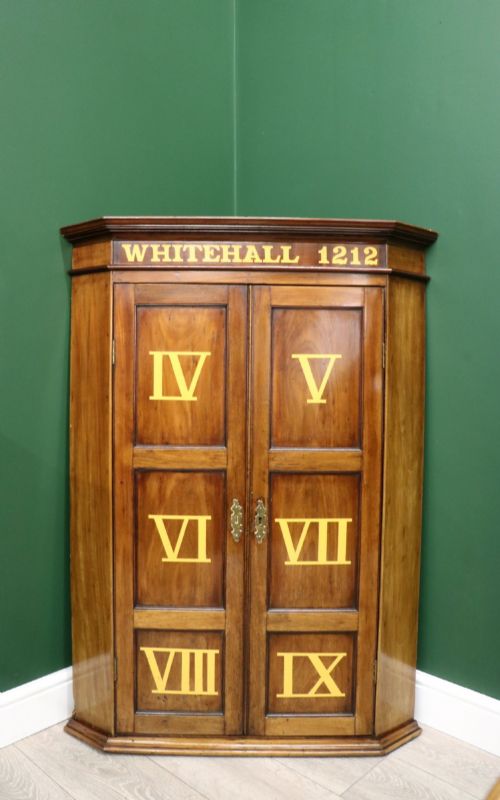

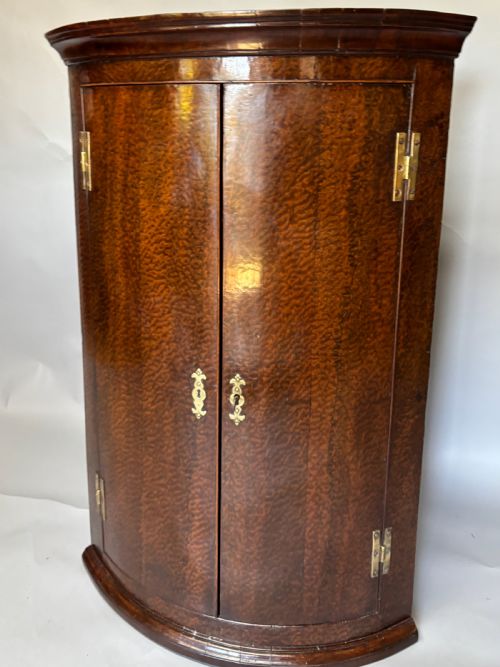


George III Wall Cabinet
A george iii wall cabinet brings Georgian proportion to a neglected corner, offering enclosed display space fashioned in rich timber.
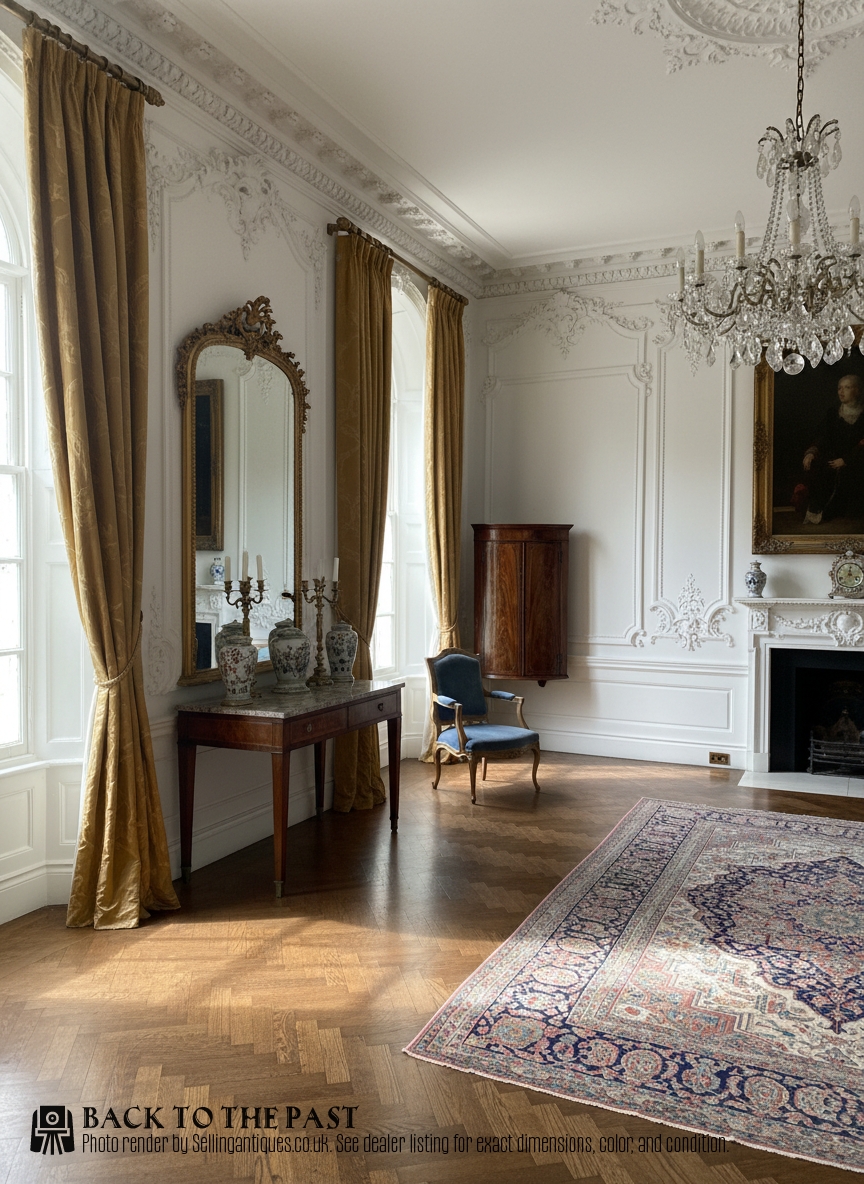
George III Wall Cabinet
When you hunt for a george iii wall cabinet, you are looking at eighteenth-century hanging storage designed to fit snugly into the corner of a panelled room. These pieces take the form of corner cupboards and corner cabinets, suspended safely off the floor to utilise awkward space.
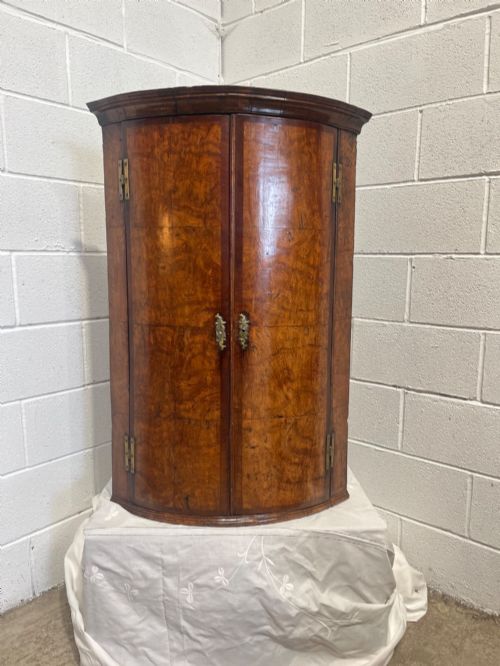
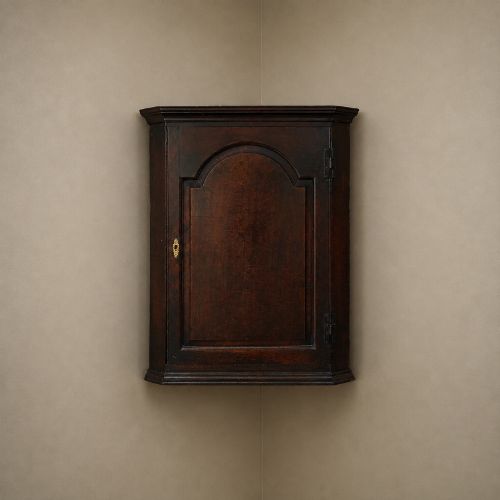
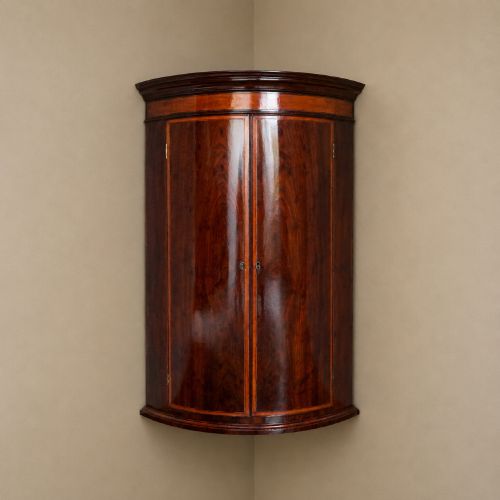
The version you are most likely to meet on this page is constructed from mahogany, often featuring a bowed front or subtle string inlay. Oak and burr oak examples also appear frequently, spanning the Georgian period and the later stretch up to eighteen hundred.
How they were made
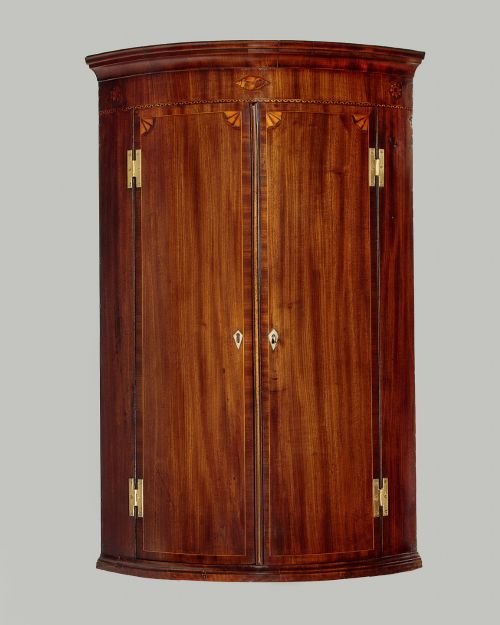
Cabinet makers utilised solid mahogany and oak for the primary carcases, selecting dense timber for durability and rich grain pattern. Crossbanding and string inlays of satinwood, boxwood and bone added crisp linear contrast to the door panels.
Brass hardware such as H-hinges and escutcheons secured the doors and added functional gleam to the darker timber surfaces. Glazed doors in specific iterations employed astragal bars to hold individual panes of glass securely in place.
Plum pudding mahogany derives its appetizing name from dense circular grain clusters that mimic traditional British fruit puddings.
What varies in quality
The distinction between standard examples and superior pieces rests largely on the choice of timber figure and the crispness of the inlay work. Plum pudding mahogany and burr oak command attention through lively, mottled grain patterns that elevate simple joinery into decorative art.
Proportion and interior detailing further separate the tiers, particularly where fine astragal glazing bars frame the upper door or where original brasswork remains intact. The alignment of mitres and the integration of delicate boxwood or satinwood stringing reveal the hand of a more accomplished workshop.
The George III Wall Cabinet Glossary
- Astragal glazed
- Fitted with narrow wooden bars that divide glass panes into geometric patterns. This technique lightened heavy doors and allowed the display of porcelain.
- Bow front
- A cabinet front curved in a convex sweep across the width. This shape softens rigid room corners and adds visual depth.
- Crossbanding
- A border of veneer laid around the perimeter of a panel with the grain running at right angles to the centre. It frames the primary wood with a neat contrasting edge.
- Stringing
- Thin lines of light wood or bone inlaid into shallow channels on the cabinet surface. It creates delicate linear decoration on doors and friezes.
George III Wall Cabinet: Frequently Asked Questions
How do I hang a heavy corner cupboard safely?
These wall-hanging pieces require secure fixing directly into brickwork or solid timber studs using heavy-duty brackets. Because eighteenth-century oak and mahogany cabinets carry substantial weight, relying solely on plasterboard fixings will cause failure.
Distributing the load across multiple fixing points inside the carcase ensures the cabinet remains stable over time. Professional installation is strongly recommended for larger mahogany or burr oak examples.
What is the difference between a corner cupboard and a corner cabinet?
The terms are often used interchangeably in trade descriptions to denote hanging storage built for room angles. Traditionally, a cupboard implies solid wooden doors, whereas a cabinet might feature glass panels for displaying contents.
On this page, both forms share the same Georgian wall-mounted format designed to utilise unused corner space. Check individual listings to see whether the door is solid timber or astragal glazed.
How do I clean mahogany and oak furniture?
Dusting with a dry, soft lint-free cloth prevents the accumulation of grit that can scratch aged polish. Avoid silicone-based sprays, which build up a sticky residue and attract dust over decades.
Occasional application of pure beeswax feeds the dry eighteenth-century timber and maintains a soft, natural lustre. Buffing gently with a clean brush brings out the rich grain of the mahogany or oak.
Did these cabinets always have locks?
Most surviving Georgian hanging cupboards were fitted with small brass locks to secure valuable contents like tea or spirits. Original brass escutcheons often survive around the keyhole, even if the internal mechanism has been replaced.
Keys frequently went missing over the centuries, so many pieces are sold with non-working locks or simple latches added later. This detail rarely affects the structural integrity or daily use of the cabinet.