


George III Upholstered Armchair
A george iii upholstered armchair brings substance to a room through solid timber framing and traditional textiles.
George III Upholstered Armchair
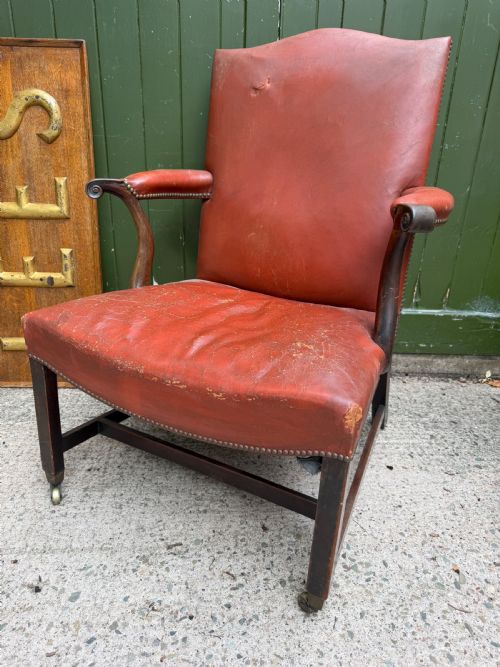
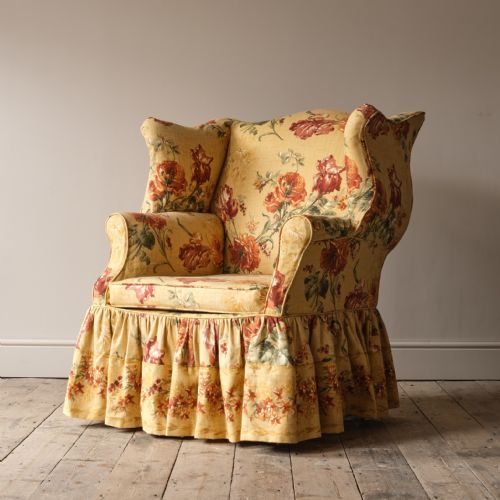
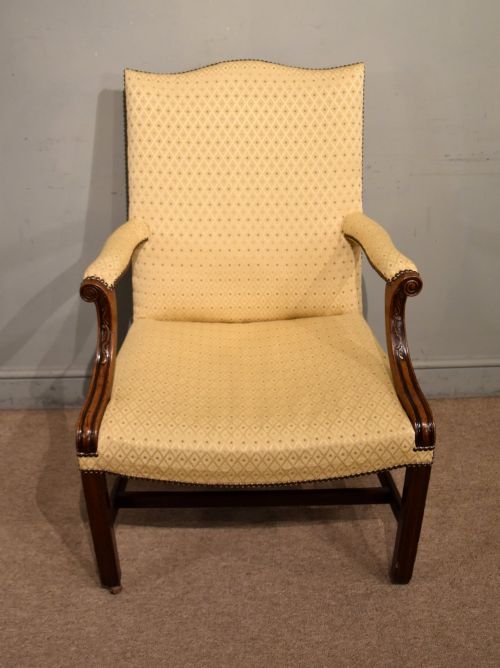
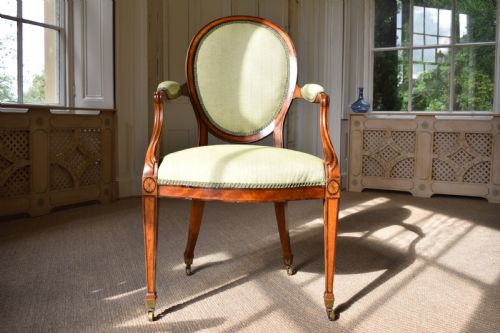
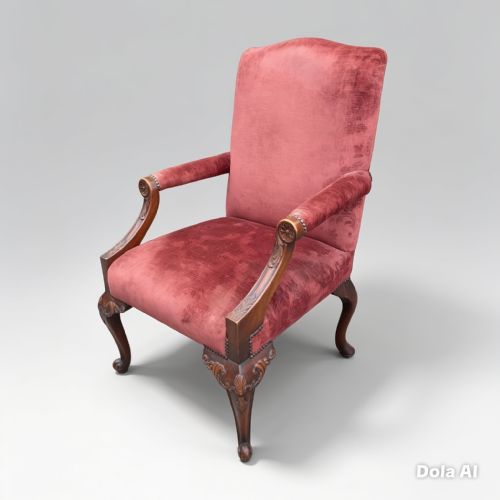
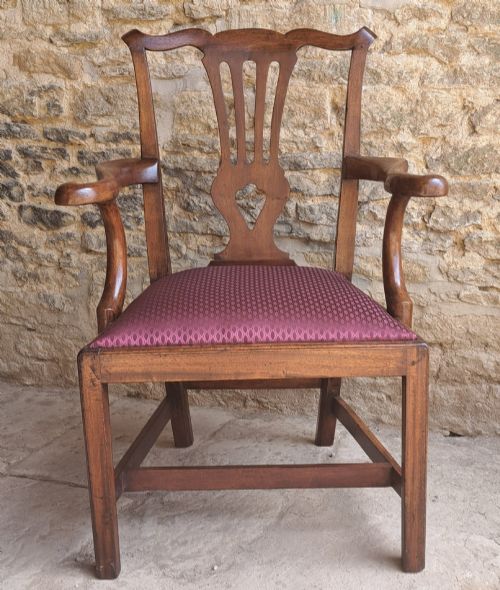
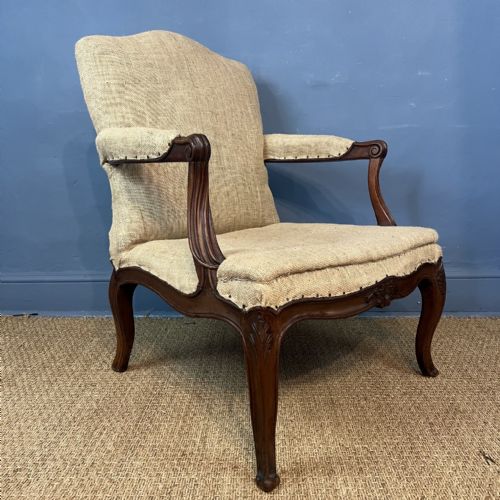
A george iii upholstered armchair encompasses open library chairs, enclosed wingbacks, and desk carvers rooted in the eighteenth century. Buyers frequently encounter library Gainsborough chairs alongside wingbacks covered in damask or leather.
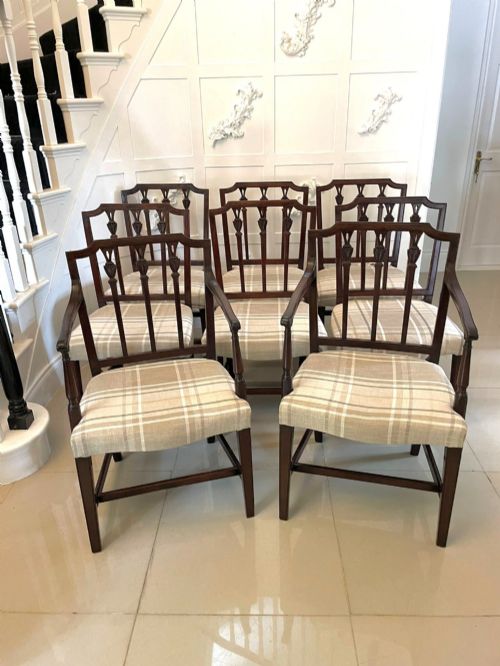
The selections span mid-eighteenth-century origins through to later revival interpretations executed in mahogany, yew wood, or walnut. Dining sets and children's furniture occasionally appear alongside standard library forms.
Makers ranged from provincial cabinetmakers to documented workshops like Gillows producing refined seating. Pieces display stylistic shifts from early robust frames towards lighter neoclassical proportions.
Materials and construction
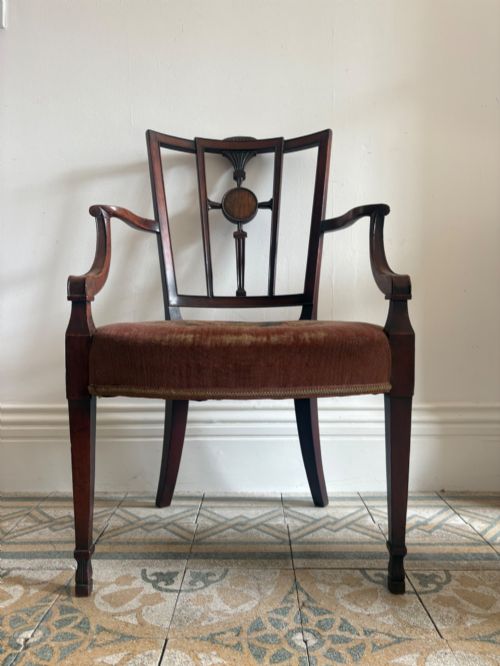
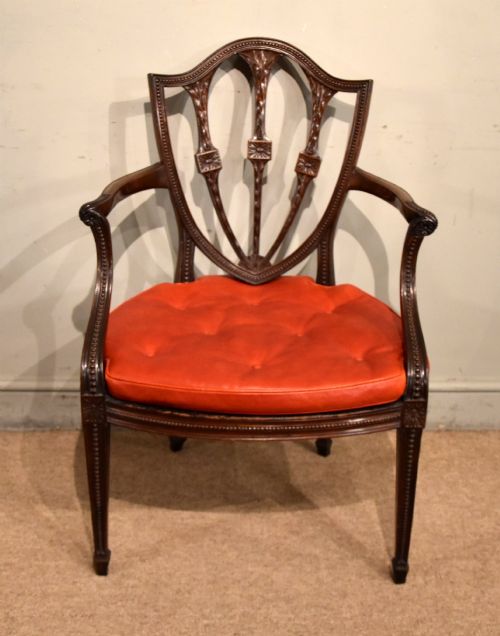
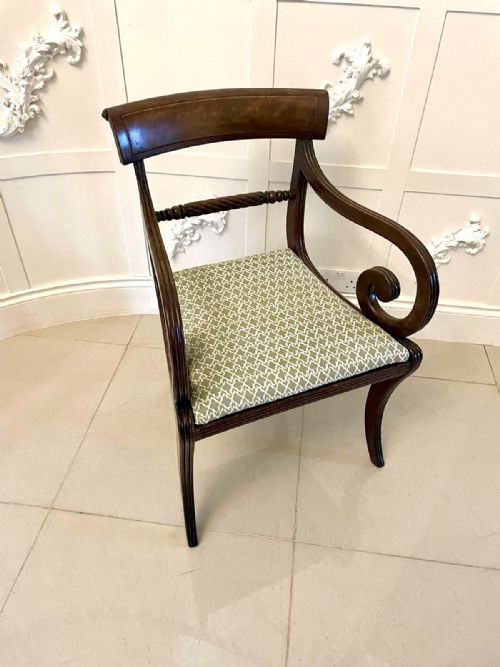
Frames rely principally upon solid mahogany, augmented by walnut, yew wood, and occasional painted or gilt finishes. Timber components frequently display carved detail across arms and legs.
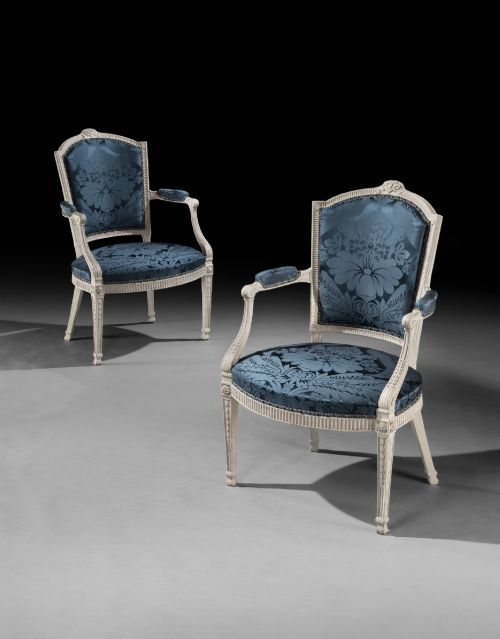
Upholstery relies upon period-appropriate textile selections including leather, damask, linen, and wool fabric. Brass tacking often secures the textile edges directly to the wooden frame.
Children get their own miniature seats too, because even tiny aristocrats needed proper posture.
Judging the execution
Distinction at the upper tier rests upon crispness of timber carving and architectural proportion in the arms and legs. Earlier eighteenth-century examples exhibit tighter joinery and heavier timber density than later nineteenth-century revivals.
The integrity of the frame and the quality of the upholstery textile determine daily utility and historical fidelity. Intact original timber surfaces hold greater appeal than heavily restored structures.
Gillows
The George III Upholstered Armchair Glossary
- Gainsborough armchair
- An open-framed library chair with padded armrests and a wide upholstered seat dating from the mid-eighteenth century onwards. These forms typically feature straight or slightly cabriole legs.
- Wingback armchair
- A high-backed seating form featuring protective side panels designed to shield the sitter from draughts. They appear frequently upholstered in leather or damask.
- Carver chair
- An armchair designed to match a set of dining chairs, usually positioned at the table ends. They share the decorative vocabulary of the smaller side chairs.
- Neoclassical
- A late-eighteenth-century design movement drawing inspiration from classical antiquity. It manifests in rectilinear geometry and restrained carved ornamentation.
George III Upholstered Armchair: Frequently Asked Questions
How do I spot a reproduction?
Examine the timber shrinkage, joinery methods, and tool marks visible on internal frame components. Eighteenth-century pieces display hand-cut joinery distinct from machine-made alternatives.
Compare the proportions and carving sharpness against documented examples from the period. Later revivals often utilise softer wood species and heavier framing.
Are wingbacks comfortable for daily use?
Original seating dimensions tend to be shallower and firmer than modern equivalents. The internal webbing and stuffing determine the actual sit.
Many examples survive with twentieth-century or modern upholstery padding. Buyers should assess the seat height and depth relative to personal comfort.
How do I care for old leather?
Maintain historical leather through gentle cleaning and appropriate conditioning to prevent cracking. Avoid placement near direct heat sources or strong sunlight.
Consult a specialist conservator before applying unfamiliar treatments to antique upholstery.